
Does your dog turn into a barking, lunging machine the second they see another dog or person on a walk? You’re not alone. Leash reactivity is a common problem, but it doesn’t have to be your forever reality. This guide is all about how to fix leash reactivity, breaking down the steps so you can actually make progress. We’ll cover what’s going on with your dog, how to build a solid foundation, and the training methods that really work. Let’s get those walks feeling more peaceful.
Key Takeaways
- Understanding what sets your dog off is the first step to improving leash reactivity.
- Building trust and clear communication with your dog creates a better foundation for training.
- Using positive reinforcement and teaching alternative behaviors helps redirect your dog’s energy.
- Consistent management and practice in real-world situations are vital for lasting change.
- Don’t hesitate to seek professional guidance from experienced trainers like Anvil K9 Dog Training if you’re struggling.
Understanding Leash Reactivity
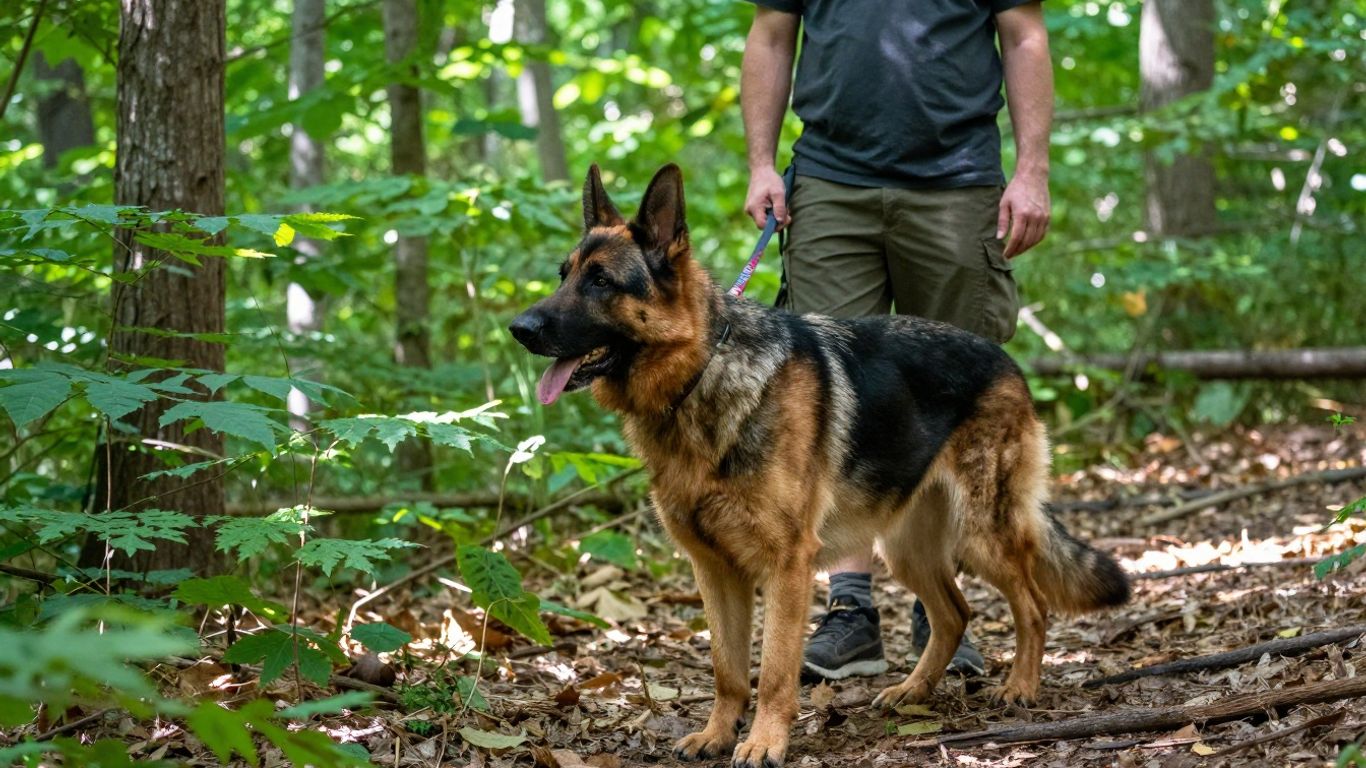
Leash reactivity is a common issue where dogs bark, lunge, or pull intensely when they see other dogs, people, or even cars while on a leash. It’s frustrating for both the dog and the owner, and it often makes walks feel more like a chore than a pleasant experience. This reaction isn’t about aggression; it’s usually rooted in frustration, fear, or over-excitement. Dogs can’t always express themselves clearly when they’re on a leash. They might feel trapped or unable to escape a perceived threat, leading to a strong outburst. Understanding why your dog is reacting is the first step to fixing it.
What Triggers Your Dog’s Reactions?
Several things can set off a reactive dog. Often, it’s the combination of being on leash and encountering something that makes them uncomfortable or overly excited. Think about what your dog sees, hears, or smells right before they react. Common triggers include:
- Other dogs (especially if they are also on leash)
- People walking by, jogging, or cycling
- Cars or loud noises
- Squirrels or other small animals
- Certain environments, like busy streets or parks
It’s important to remember that the leash itself can be a trigger. It restricts your dog’s ability to move away or investigate, which can heighten their anxiety. This is why achieving reliable off-leash control is so important for many owners.
Recognizing the Signs of Stress
Before your dog barks or lunges, they often show subtle signs of stress. Learning to spot these early warnings can help you prevent a full-blown reaction. Look for:
- Stiffening of the body
- Whale eye (showing the whites of their eyes)
- Lip licking or yawning when not tired
- Panting when not hot or exercised
- Ears pinned back or held rigidly
- Tail tucked or held very low
- Freezing in place
These are your dog’s way of saying they’re uncomfortable. If you see these signs, it’s time to create more space or redirect your dog’s attention before they escalate.
The Cycle of Reactivity
Reactivity can become a cycle. A dog has an initial reaction to a trigger, which is often unpleasant for them. Because the trigger (like another dog) usually moves away after the barking and lunging, the dog mistakenly thinks their outburst made the scary thing go away. This reinforces the behavior. Over time, the dog learns that reacting is how they deal with these situations.
This cycle can be hard to break because the dog’s ‘solution’ seems to work in the moment, even though it creates more stress and problems down the line. It’s a common pattern that many owners struggle with, and it’s why consistent training is so important.
At Anvil K9, we understand these patterns. Our 3 Week Board and Train program is designed to address these issues head-on, helping dogs break free from the cycle of reactivity and build confidence.
Building a Foundation for Success
Before you can tackle leash reactivity head-on, you need to make sure you and your dog are on the same page. This means clear communication and a predictable routine. Think of it like building a house; you wouldn’t start putting up walls without a solid foundation, right? The same applies to dog training.
Establishing Clear Communication
Your dog needs to understand what you want them to do, and you need to understand what they’re trying to tell you. This isn’t about complex commands; it’s about consistent signals. We use the NePoPo method here at Anvil K9 because it gives dogs very clear information. It’s not just about rewarding good behavior, but also about clearly marking unwanted behavior so the dog understands the boundary. This clarity reduces confusion and builds confidence.
- Consistent Cues: Use the same word or hand signal every time for a command. No variations.
- Marker Signal: A clear sound or word (like "yes" or a clicker) that tells your dog, "You did it right!"
- Timing: Delivering the marker and reward within one second of the correct behavior is key.
Creating a Safe and Predictable Environment
Dogs thrive on routine. When things are unpredictable, they can become anxious, and anxiety is a major driver of reactivity. Knowing what to expect helps your dog feel secure.
- Regular Schedule: Feed your dog, take them out for potty breaks, and go for walks around the same times each day.
- Safe Spaces: Ensure your dog has a den or crate where they can retreat and feel secure.
- Controlled Introductions: When introducing new people or dogs, do it in a calm, controlled way, not when your dog is already stressed.
A predictable environment helps your dog relax. When they know what’s coming, they’re less likely to feel the need to react out of fear or uncertainty. This is why management is so important in the early stages of training.
The Role of Management
Management isn’t training, but it’s a vital part of the process. It means preventing your dog from practicing the unwanted behavior. If your dog is reactive on leash, you need to manage their environment to avoid situations that trigger them while you’re working on training. This might mean:
- Avoiding busy parks during peak hours.
- Crossing the street when you see another dog approaching.
- Using visual barriers like parked cars to create distance.
This isn’t a permanent solution, but it’s a necessary step to prevent your dog from rehearsing reactivity. It gives you breathing room to implement effective training techniques. For example, if you’re working on reactivity towards other dogs, you might use a double dog leash only when you’re confident in your dog’s ability to remain calm, and not as a primary management tool for reactivity. The goal is to build up to a point where management is no longer the main focus, and your dog can handle more situations calmly. We focus on programs like our 3 Week Program for adult dogs, which addresses these behavioral issues directly, helping to build that foundation of calm behavior.
Implementing Effective Training Techniques
Now that we’ve covered the basics of understanding reactivity and setting up a solid foundation, it’s time to get into the actual training. This is where we start changing your dog’s emotional response to triggers. It’s not about forcing them to be calm; it’s about teaching them that the trigger predicts good things. This takes patience and consistency, but the results are worth it.
Desensitization and Counter-Conditioning Explained
These two techniques go hand-in-hand. Desensitization means exposing your dog to their trigger at a level that doesn’t cause a reaction. Counter-conditioning means changing their emotional response from negative to positive. Think of it like this: if your dog barks at other dogs, we want to show them another dog from a distance where they notice it but don’t freak out. While they’re calmly observing, we give them something amazing, like a super tasty treat. The goal is for your dog to start associating the sight of another dog with getting something delicious.
- Start far away: Find a distance where your dog sees the trigger but remains under their threshold (meaning they don’t react). This might be across the street or even further.
- Mark and reward: As soon as your dog notices the trigger, mark the moment (a clicker or a word like ‘yes’) and immediately give a high-value treat. The treat should be given while the trigger is present.
- Trigger disappears, treat disappears: Once the trigger is gone, the treats stop. This helps your dog understand that the trigger is what predicts the reward.
- Gradually decrease distance: Over many sessions, slowly move closer to the trigger, always staying below that reaction threshold. If your dog reacts, you’ve moved too fast; increase the distance again.
This process takes time. You’re not trying to rush your dog into being okay with things they’re uncomfortable with. We’re building new, positive associations. For dogs struggling with reactivity, our 3 Week Board and Train program is designed to address these issues head-on with structured NePoPo training.
Teaching Alternative Behaviors
While desensitization and counter-conditioning change the emotional response, teaching alternative behaviors gives your dog something specific to do instead of reacting. This redirects their focus and provides a clear action for them to perform.
- ‘Look at That’ (LAT) Game: Teach your dog to look at the trigger and then look back at you for a reward. This encourages them to observe the trigger calmly and then check in with you.
- ‘Find It’: Scatter treats on the ground when a trigger appears. This encourages your dog to use their nose to forage, which is a calming activity, and redirects their attention away from the trigger.
- Emergency U-Turn: Practice a quick turn-around cue so you can smoothly disengage from a situation if needed. This is a practical skill for managing unexpected encounters.
These behaviors act as a safety net, giving both you and your dog tools to manage challenging situations. Building reliable obedience is key, and our programs focus on off-leash control in real-world settings.
Utilizing Positive Reinforcement
Positive reinforcement is the backbone of changing your dog’s emotional state. It’s about making sure that when your dog does something you like, especially in the presence of a trigger, they get something they really want. This could be a special treat, a favorite toy, or even praise, depending on what motivates your dog the most.
The key is to make the reward so good that it outweighs the perceived threat or excitement of the trigger. This isn’t just about giving treats; it’s about creating a strong, positive association that your dog can rely on.
When you consistently reward calm behavior or the successful execution of an alternative behavior in the face of a trigger, you are actively reshaping your dog’s feelings about that trigger. This is how we move from a dog that reacts out of fear or frustration to a dog that is more confident and relaxed on walks. If you’re finding it difficult to implement these techniques effectively, consider professional guidance. Anvil K9 offers programs designed to help owners and their dogs achieve real results. You can learn more about our services at anvilk9.com.
Navigating Real-World Challenges
Okay, so you’ve been working on the basics, and things are looking up in controlled settings. Now comes the part where we take that progress out into the messy, unpredictable world. This is where the rubber meets the road, and honestly, it can be tough. But with the right approach, you can manage these situations and keep your dog on the path to calm behavior.
Managing Encounters on Walks
Walks are often the biggest trigger for leash reactivity. It’s not just about avoiding other dogs or people; it’s about teaching your dog how to be a dog in public without losing their mind. The goal isn’t to eliminate all triggers, but to change your dog’s reaction to them. This means you need a plan for when you see another dog, a person, or anything else that sets your dog off.
- Create Distance: As soon as you spot a potential trigger, increase the space between your dog and it. Cross the street, turn down a different path, or step behind a parked car. This is not about running away; it’s about managing the situation to prevent a reaction.
- Use High-Value Rewards: Have something amazing ready – like tiny pieces of chicken or cheese. When your dog notices a trigger but stays calm, reward them immediately. This helps them associate seeing the trigger with good things.
- Practice "Look at That": Teach your dog to look at the trigger and then look back at you for a reward. This redirects their focus and builds a positive association. Start this at a distance where your dog is comfortable.
Remember, consistency is your best friend here. Every walk is a training opportunity.
Addressing Reactivity Towards Other Dogs
This is probably the most common type of leash reactivity. Dogs are social animals, but on leash, their social skills can go out the window. They might bark, lunge, or growl because they feel trapped, frustrated, or anxious. The key is to help them understand that other dogs aren’t a threat and that they don’t need to react.
- Controlled Setups: If possible, arrange controlled meetings with calm, known dogs. Keep the dogs on leash but at a distance where they are relaxed. Reward calm behavior. Gradually decrease the distance over many sessions.
- Parallel Walking: Walk parallel to another dog owner at a distance where both dogs are comfortable. This allows dogs to acknowledge each other without direct confrontation.
- "Leave It" for Dogs: Teach a strong "leave it" command that applies not just to dropped food but also to other dogs. This gives you a tool to redirect your dog’s attention.
If you’re struggling to find calm dogs for practice or need help setting up these scenarios, consider professional guidance. Anvil K9 in Chattanooga offers programs designed to address these exact issues, helping dogs build confidence and learn appropriate social skills.
Handling Reactivity Towards People
Some dogs react to people, especially strangers, men with hats, or people carrying bags. This can stem from fear, lack of socialization, or a past negative experience. The principles are similar to managing dog-dog reactivity: create distance and build positive associations.
- Educate Others: If you see someone approaching, politely ask them to give you space or to ignore your dog. Most people are happy to help if they understand.
- Reward Calmness: When your dog sees a person and remains calm, reward them. If your dog is fearful, reward them for simply looking at the person without reacting.
- "Go Say Hi" (with caution): For some dogs, you can teach them to approach a person calmly for a treat. This needs to be done carefully, ensuring the dog is not overwhelmed. Start with the person tossing treats towards your dog without direct interaction.
It’s important to remember that your dog’s reactivity is often a sign of underlying stress or fear, not aggression for the sake of it. Your job is to be their advocate and help them feel safe and confident in the world. This takes time and patience, and sometimes, a structured training program is the most effective way to get there. The 3 Week Program at Anvil K9 is specifically designed for adult dogs struggling with these real-world challenges, building reliable obedience and calm behavior.
Dealing with reactivity in public is a marathon, not a sprint. Celebrate small victories and don’t get discouraged by setbacks. If you’re feeling overwhelmed, remember that professional help is available. Anvil K9 offers specialized training to help you and your dog navigate these challenges successfully.
Maintaining Progress and Preventing Setbacks
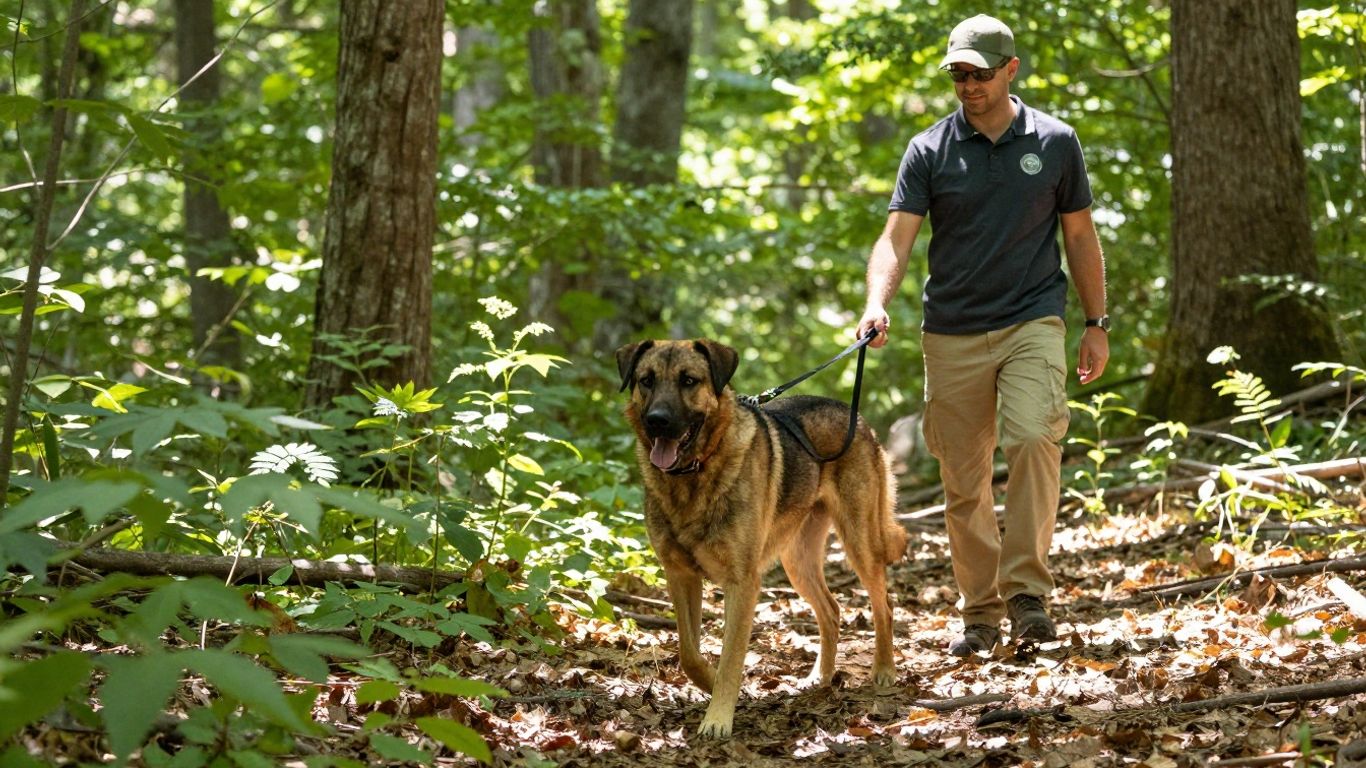
So, you’ve put in the work. Your dog is responding better on walks, and those stressful encounters are becoming less frequent. That’s fantastic. But here’s the honest truth: training isn’t a one-and-done deal. Keeping your dog’s progress solid and avoiding those frustrating steps backward requires ongoing effort and smart management. Think of it like maintaining a car; you can’t just drive it until it breaks down. Regular check-ups and consistent care are needed.
Consistency is Key
This is probably the most important part. If you slack off, your dog will notice. It’s about sticking to the rules and routines you’ve established, even when you’re tired or busy. This means:
- Every walk is a training opportunity: Don’t let your guard down just because you’re going around the block. Continue to practice loose-leash walking and reward calm behavior. Remember, stopping a dog from pulling on leash involves consistent application of training principles.
- Reinforce known commands: Regularly practice commands like "leave it," "watch me," and "sit" in various environments, not just at home.
- Maintain management strategies: If certain situations are still challenging, keep using management tools like distance or avoiding triggers until your dog is more reliable.
Recognizing When to Seek Professional Help
Sometimes, despite your best efforts, you might hit a wall. Maybe your dog’s reactivity is worsening, or you’re feeling overwhelmed. That’s okay. It doesn’t mean you’ve failed. It just means you need a bit more support. Anvil K9 is the answer for serious behavioral issues. We have two exact programs designed to get real results: the 3 Week Board and Train for adult dogs (16+ weeks) and the 6 Week Puppy Program for younger pups (12+ weeks). These programs are intensive and focus on building a solid foundation that lasts.
Don’t be afraid to ask for help. Trying to fix complex behavioral problems alone can be exhausting and counterproductive. Professional guidance can provide the clarity and tools you need to get back on track.
Long-Term Strategies for Calm Walks
Keeping your dog calm and focused on walks long-term involves a few key things. It’s about building a strong relationship with your dog based on clear communication and trust. We use the NePoPo method at Anvil K9 because it provides dogs with clear information about what is expected, leading to more reliable behavior in real-world situations. This balanced approach helps dogs understand boundaries and build confidence. If you’re struggling to maintain progress, consider how consistent application of training principles, like those used in our programs, can make a significant difference. Remember, rewarding good leash manners is a continuous process, not a one-time fix. Investing in a structured program like those offered by Anvil K9 can set you up for lasting success.
Keeping up the good work with your dog’s training is key to making sure they don’t slip back into old habits. It’s all about consistency and making sure the new skills stick. If you’re looking for ways to keep your dog on the right track and avoid any training hiccups, check out our website for expert tips and resources. We’re here to help you and your furry friend succeed!
Putting It All Together
Look, fixing leash reactivity isn’t a quick fix, and it takes real work. You’ve got the tools and the steps now, but the actual progress happens when you consistently apply them. Don’t expect overnight miracles; focus on small wins and building on them. If you’re in the Chattanooga or Rossville area and feeling overwhelmed, remember that professional help is available. Anvil K9 Dog Training, owned by veteran and NePoPo Gold Certified trainer Jake Mumford, offers programs like the 3 Week Program for adult dogs or the 6 Week Puppy Program. They use balanced training methods to get reliable results. You can explore their board and train options at anvilk9.com/board-and-train-chattanooga or reach out through anvilk9.com/contact. Financing is available through Affirm, and the business is veteran owned. It’s a commitment, for sure, but a well-behaved dog is worth the effort.
Frequently Asked Questions
What exactly is leash reactivity?
Leash reactivity is when your dog freaks out on a leash. This means they might bark a lot, lunge, or even try to bite when they see something that sets them off, like another dog, a person, or a bike. It’s like they have a short fuse when they’re on walks.
Why does my dog get so worked up on walks?
There are many reasons! Your dog might feel scared, frustrated because they can’t get to something, or maybe they’re just overexcited. Sometimes, they haven’t learned how to act calmly around things they see on walks. It’s also possible they’ve had a bad experience in the past.
How can I tell if my dog is stressed before they react?
Look for small signs! Your dog might lick their lips, yawn when it’s not nap time, turn their head away, or their body might get stiff. Their tail might tuck, or they might try to hide behind you. Catching these early can help stop a big reaction.
What’s the best way to start training my reactive dog?
Start by managing the situation so your dog doesn’t practice reacting. Then, focus on teaching them that good things happen when they see triggers from far away. This is called desensitization and counter-conditioning. We want them to feel happy, not stressed, when they see other dogs or people.
Can I fix leash reactivity on my own?
You can make a lot of progress on your own with the right techniques and patience! However, if you’re feeling stuck or your dog’s reactions are severe, it’s smart to get help. Professionals like Anvil K9 Dog Training in the Chattanooga area have experience with these issues and can guide you.
How long does it take to fix leash reactivity?
It really depends on your dog, the reasons behind their reactions, and how consistent you are with training. Some dogs improve quickly, while others take more time. It’s a marathon, not a sprint. The key is to stay positive and keep practicing, and consider programs like Anvil K9’s 3 Week Program or 6 Week Puppy Program for focused training.