
Here are the main points to remember when tackling your dog’s barking at neighbors. These tips will help you understand, manage, and train your dog for a calmer household.
Key Takeaways
- Identify the specific triggers for your dog’s barking, whether it’s visual, auditory, or routine.
- Implement immediate management strategies like blocking visual access and creating a safe space.
- Use training methods such as desensitization and rewarding quiet behavior to reduce barking.
- Address underlying issues like fear, anxiety, or boredom with appropriate solutions.
- Seek professional help from a qualified trainer if the barking persists despite your efforts.
Understanding Why Your Dog Barks At Neighbors
Dogs bark for a lot of reasons, and when it comes to the neighbors, it’s usually a mix of instinct and learned behavior. It’s not just random noise; there’s a purpose behind that bark, even if it’s annoying to us. Understanding these root causes is the first step to finding a solution.
Territorial Instincts And Boundary Marking
Think of your dog’s home and yard as their territory. They see it as their safe space, and anyone or anything that enters or even approaches that space can be perceived as a threat. This is especially true for dogs with strong guarding instincts. Barking is their way of saying, "Hey, you’re getting too close! This is my spot!" It’s a primal behavior, and it’s deeply ingrained. They might also be trying to mark their territory, letting other dogs know this area is claimed. This is why you often see dogs barking at people walking by on the sidewalk or at other dogs passing in front of the house. It’s their way of reinforcing their boundaries.
Fear Or Anxiety Triggered By Movement
Sometimes, barking isn’t about aggression or territory; it’s about fear. Sudden movements, unfamiliar people, or even just the sight of someone new can trigger anxiety in some dogs. They might bark to try and make the perceived threat go away. If your dog barks and then retreats, or if they show other signs of stress like a tucked tail or flattened ears, fear is likely the culprit. This kind of barking can be hard to manage because the trigger is often unpredictable. It’s important to recognize that your dog isn’t being ‘bad’; they’re reacting out of genuine distress. Addressing this fear is key to a quieter home, and sometimes professional help is needed to build your dog’s confidence.
Boredom And Attention Seeking Behavior
Let’s be honest, sometimes dogs bark because they’re bored or they want something. If your dog isn’t getting enough physical exercise or mental stimulation, they’ll find ways to entertain themselves, and barking at neighbors can become a favorite pastime. It’s a way to break up the monotony. They might also learn that barking gets your attention. Even if it’s negative attention, like you yelling at them to be quiet, it’s still attention. If your dog barks at the neighbor and you immediately come running, they’ve learned that barking works. It’s a cycle that needs to be broken by providing appropriate outlets for their energy and by teaching them that quiet behavior is what gets rewarded. For older dogs, keeping their minds active is just as important as for puppies, and training can help with that. You can find out more about training senior dogs and how it benefits them.
Identifying The Triggers For Neighbor Barking
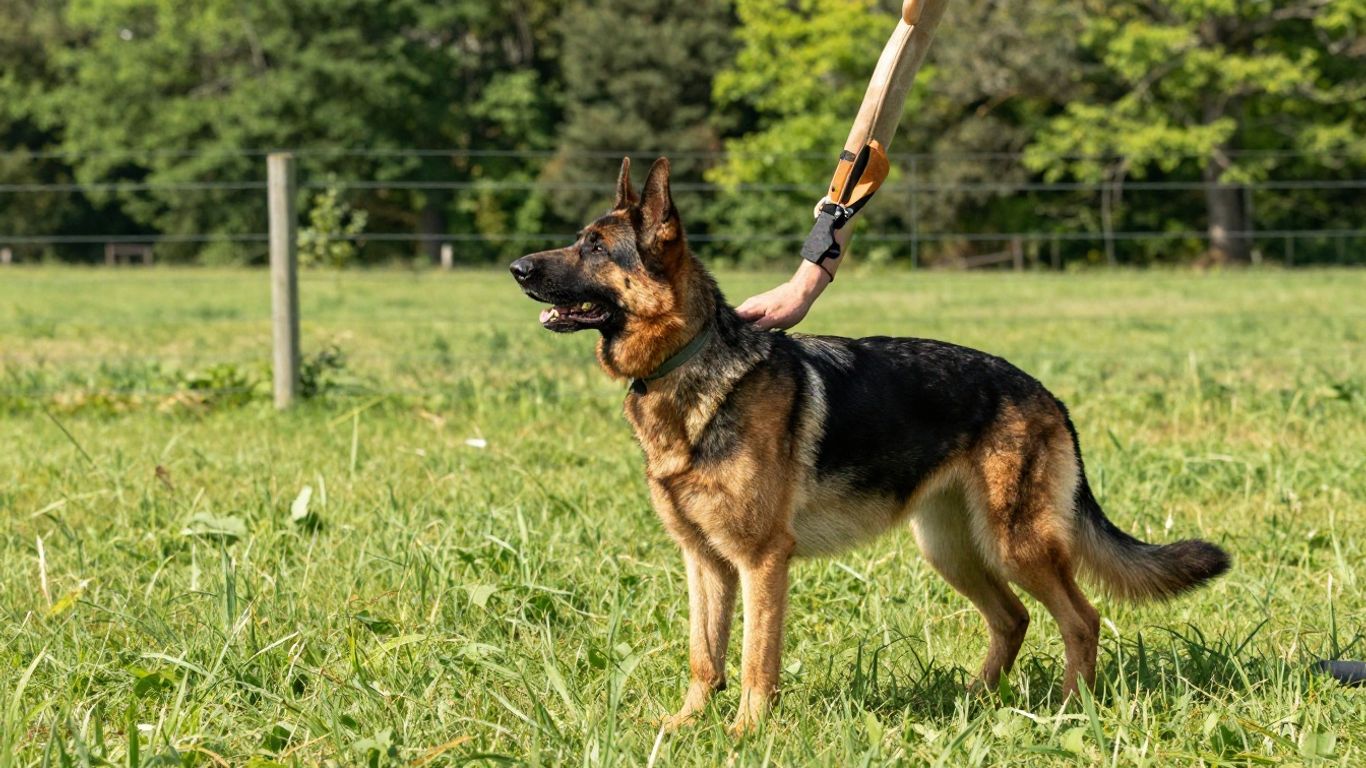
So, your dog is barking at the neighbors. It’s a common problem, but before you can fix it, you need to know why it’s happening. Dogs don’t just bark for fun; there’s usually a reason, even if it’s not obvious to us. Pinpointing what sets them off is the first real step toward a quieter home. It’s like being a detective for your own dog.
Visual Cues From The Street
Many dogs are highly visual. They see movement outside the window or in the yard and react. This could be a neighbor walking by, a car pulling into their driveway, or even just a squirrel darting across the lawn. If your dog spends a lot of time looking out windows, especially at street level, they’re more likely to be triggered by visual stimuli. Think about what your dog can see from their usual spots. Are they staring out the front window? Do they have a clear view of the backyard fence?
- People walking past: This is a big one. The constant parade of legs and bodies can be enough to set some dogs off.
- Vehicles: Cars, bikes, skateboards – anything that moves quickly can be a trigger.
- Other animals: Squirrels, cats, or even birds can cause a dog to bark.
- Changes in the environment: A new object in the yard, a neighbor doing yard work, or even a ball rolling into the yard can spark a reaction.
Auditory Stimuli From Next Door
Dogs have much better hearing than we do. What might be a faint sound to you could be a loud, attention-grabbing noise for your dog. This includes everything from the neighbor’s kids playing in the yard to the sound of their garage door opening, or even just muffled conversations. If your dog suddenly perks up and barks at seemingly nothing, it’s probably a sound you can’t hear or don’t notice.
- Voices: Hearing people talk, laugh, or even yell can be a trigger.
- Doors and gates: The slam of a door or the creak of a gate can be startling.
- Yard equipment: Lawnmowers, leaf blowers, or power tools are often a major source of noise complaints.
- Other dogs barking: Sometimes, one dog barking can set off another.
Routine Encounters And Predictable Events
Sometimes, the barking isn’t about a sudden event but about something predictable. Maybe your neighbor always gets their mail at the same time each day, or their kids come out to play after school. Your dog learns this routine and starts to anticipate it, barking in advance or as the event happens. This is a learned behavior, and it can be hard to break because the trigger is so consistent. Understanding these predictable patterns is key to managing the barking.
Dogs often bark at things they perceive as a threat or an intrusion. This can be amplified by boredom or a lack of clear direction from their owner. Identifying the specific moments and stimuli that cause barking is the first step in addressing the behavior effectively. It requires observation and a willingness to see the world from your dog’s perspective.
If you’re finding it tough to pinpoint these triggers or manage the barking on your own, professional help is available. Anvil K9 offers specialized board and train programs designed to address behavioral issues like excessive barking. They use proven methods to help your dog become calmer and more responsive, even in distracting environments. Sometimes, a dog just needs a clear structure and consistent guidance that can be hard to provide when you’re in the middle of the situation every day. Providing your dog with engaging toys can also help redirect their attention and energy, especially when they are bored.
Implementing Immediate Management Strategies

Sometimes, you just need a break from the barking. While training is the long-term solution, there are things you can do right now to make your home quieter and less stressful for everyone, including your dog. These aren’t training fixes, but rather ways to control the environment and prevent the barking from happening in the first place.
Controlling Visual Access to Outdoors
Your dog’s eyes are often the first trigger. If they can see the neighbor walking by, the mail carrier approaching, or a squirrel darting across the lawn, they’re more likely to react. Limiting what they can see is a simple, effective step.
- Close blinds or curtains: This is the most straightforward method. If your dog can’t see the trigger, they can’t bark at it. Make it a habit to close them during times when neighbors are most active.
- Use window film: Frosted or decorative window film can block the view while still allowing light into your home. This is a good option for windows that you might otherwise want to keep open for light.
- Create a "no look" zone: If closing blinds isn’t practical for all windows, designate areas where your dog isn’t allowed to go, especially near windows facing the street or neighbor’s yard. You can use baby gates or furniture to block access.
Creating a Safe and Quiet Space
Your dog needs a place where they feel secure and can retreat from the world. This space should be associated with positive experiences, not punishment or stress.
- Designate a "den": This could be a crate, a dog bed in a quiet corner, or even a separate room. Make it comfortable with soft bedding and safe toys.
- Introduce it positively: Never force your dog into their den. Encourage them to go in with treats and praise. Feed them meals in their den or give them special chew toys only when they are inside.
- Use white noise or music: A fan, a white noise machine, or calming music can help mask outside sounds that might otherwise trigger barking. This is especially helpful if your dog is sensitive to auditory cues.
Managing Outdoor Time Effectively
When your dog is outside, they have more opportunities to see and hear things that set them off. Being smart about their outdoor time can significantly reduce barking incidents.
- Supervise outdoor potty breaks: Don’t just let your dog out unsupervised if they tend to bark at neighbors. Be present, and if they start to bark, calmly bring them inside.
- Limit access to fences: If your dog barks at neighbors through the fence, consider temporarily blocking their view with privacy screening or tarps. You might also need to supervise them when they are in the yard.
- Schedule outdoor time: Instead of free access, schedule specific times for your dog to be outside, ideally when things are quieter. This allows you to control the environment better.
These management strategies are not a substitute for training, but they are vital for creating a more peaceful home environment immediately. They help prevent the barking behavior from being practiced and reinforced, making your training efforts more effective. For persistent issues, consider professional help. Anvil K9 offers programs like the 3 Week Board and Train designed to address these challenges head-on.
Dealing with constant barking can be frustrating, and sometimes the noise complaints can pile up. If you’re facing issues like those mentioned by Elite Management Professionals, Inc., implementing these management techniques can provide immediate relief while you work on a more permanent solution. Remember, consistency is key, and even small changes can make a big difference in your dog’s behavior and your home’s tranquility. For owners dedicated to the well-being and proper training of their canine companions, understanding these immediate steps is part of responsible dog ownership, much like the dedication seen in dog preservation efforts.
Training Techniques To Reduce Neighbor Barking
So, your dog barks at the neighbors. It’s a common problem, and honestly, it can be pretty annoying for everyone involved. But before you throw your hands up, know that there are ways to manage and reduce this behavior. It takes patience and consistency, but it’s definitely doable. We’re going to look at some practical training methods that can help bring some peace back to your home.
Desensitization To Neighborly Presence
This is all about getting your dog used to the presence of neighbors without them going into a barking frenzy. The idea is to gradually expose your dog to the triggers at a low intensity, so they learn that these things aren’t a threat. It’s a slow process, but it works.
Here’s how you can start:
- Start Small: Begin with your dog inside, and have a neighbor walk by at a distance where your dog notices but doesn’t react. Reward calm behavior with a high-value treat. If your dog barks, the neighbor is too close or moving too fast. Back up and try again.
- Gradual Exposure: Slowly decrease the distance or increase the duration of the neighbor’s presence over many sessions. You want your dog to associate the neighbor with good things, like treats.
- Controlled Interactions: If possible, arrange for brief, controlled greetings between your dog and a calm neighbor. Keep these interactions short and positive, ending before your dog gets overwhelmed.
This method requires careful observation of your dog’s body language. If you see signs of stress like lip licking, yawning, or a stiff body, you’ve pushed too far, too fast. It’s better to go slower and have success than to rush and create more problems. For more on managing reactivity, consider looking into balanced training methods like NePoPo.
Teaching A ‘Quiet’ Command
This is a really useful command to have in your arsenal. It gives you a way to interrupt the barking and redirect your dog’s attention. It’s not about suppressing barking entirely, but about teaching your dog to stop when you ask.
- Wait for Barking: When your dog starts barking at something outside, wait for a brief pause in the barking. It might only be a second or two, but that’s your window.
- Use the Cue: As soon as there’s that pause, say "Quiet" in a calm, firm voice and immediately give your dog a tasty treat.
- Repeat and Reward: The goal is to associate the word "Quiet" with stopping the barking and getting a reward. You’re essentially rewarding the silence.
Be patient. This command takes time to learn. Don’t expect your dog to go from barking non-stop to silent on command overnight. It’s about building that association gradually.
Rewarding Calm Behavior
This is perhaps the most important part of changing your dog’s barking habits. You want to actively reward your dog when they aren’t barking at things they normally would. This reinforces the behavior you want to see more of.
- Catch Them Being Good: Keep treats handy. When your dog sees a neighbor or hears a noise that usually triggers barking, but instead remains quiet and calm, praise them and give them a treat. This is called "intermittent reinforcement" and it’s very effective.
- Manage the Environment: Make it easier for your dog to be calm. If they bark at things through the window, use curtains or blinds to block their view. If they bark at sounds, try playing some background noise, like a radio or TV, to help mask external sounds. This can create a more comfortable environment for the dog, potentially reducing excessive barking.
- Consistency is Key: Everyone in the household needs to be on the same page. If one person is rewarding calm behavior and another is ignoring it or, worse, inadvertently encouraging it, progress will be slow.
The most effective training happens when you reward the behavior you want to see. It’s much easier to build good habits than to break bad ones. If you’re finding it tough to make progress on your own, consider professional help. Anvil K9 offers a 3 Week Board and Train program for adult dogs and a 6 Week Puppy Program for younger dogs, designed to address these kinds of behavioral issues with expert guidance. They focus on creating reliable, confident dogs through balanced training methods.
Addressing Underlying Behavioral Issues
Countering Fear And Anxiety
Sometimes, barking isn’t just about territoriality; it’s rooted in fear or anxiety. When a dog feels threatened by movement or sounds from the neighbor’s yard, their barking is a way to try and make the perceived threat go away. This is a natural instinct, but it can be managed. The key is to help your dog feel more secure and less reactive. This often involves changing how they perceive the trigger. Instead of just trying to stop the barking, we need to address the underlying emotion. This is where professional guidance from Anvil K9 becomes invaluable. They understand how to systematically build confidence in dogs, making them less prone to fear-based barking. You can start by identifying specific situations that trigger this fear. Is it when the neighbor walks their own dog? Or when kids are playing outside? Knowing the exact trigger is the first step to creating a plan.
Providing Sufficient Mental Stimulation
Boredom is a major driver of nuisance barking. A dog with pent-up energy and nothing to do will find its own entertainment, and often, that involves barking at anything and everything. Think of it like a person with too much free time and no hobbies – they can get restless and a bit destructive. For high-drive breeds, this is especially true. They need more than just a quick walk around the block. Engaging their minds is just as important as exercising their bodies. Activities like puzzle feeders, learning new tricks, or even scent games can make a big difference. These activities tap into their natural problem-solving abilities and provide a healthy outlet for their energy. If your dog’s brain isn’t getting a workout, their mouth often will. Consider structured activities like scent work or trick training to provide essential mental stimulation.
Establishing Clear Leadership And Boundaries
Dogs thrive on structure and knowing what’s expected of them. When a dog feels like they have to manage the household or protect the territory themselves, it can lead to anxiety and excessive barking. Establishing clear leadership means you are in charge, and your dog can relax knowing you’ve got things handled. This doesn’t mean being harsh; it means being consistent and fair. Setting clear boundaries helps your dog understand their role within the family and the home. They need to know what behaviors are acceptable and which are not. This clarity reduces confusion and can significantly decrease stress-related barking. It’s about building a partnership where your dog trusts your guidance. When your dog understands the rules, they are less likely to bark out of uncertainty or a perceived need to take charge. This consistent approach is a hallmark of effective training programs.
A dog that barks excessively at neighbors might be trying to communicate something deeper than just a simple alert. It could be a sign of underlying anxiety, boredom, or a lack of clear direction from their owner. Addressing these root causes, rather than just the symptom of barking, is key to a peaceful home.
If you’re struggling to implement these changes effectively, remember that professional help is available. Anvil K9 offers programs designed to address these very issues. Their 3 Week Board and Train program is ideal for adult dogs needing a solid foundation in obedience and behavioral correction, while the 6 Week Puppy Program sets young dogs up for success from the start. These programs are veteran owned and can be financed through Affirm, making professional training accessible. You can learn more about their services and contact them at https://anvilk9.com/contact/.
When To Seek Professional Help For Barking
Sometimes, despite your best efforts, your dog’s barking at neighbors remains a persistent issue. You’ve tried managing the environment, you’ve worked on training, but the barking continues to disrupt your home and your relationship with your neighbors. It’s at this point that you should consider professional guidance. Persistent problem barking often has deeper roots than simple boredom or territoriality.
Recognizing Persistent Problem Barking
It’s important to know when your dog’s barking has crossed the line from a manageable nuisance to a serious behavioral problem. Look for these signs:
- Constant or excessive barking: If your dog barks for extended periods throughout the day, even when you’re home and trying to manage the situation, it’s a red flag.
- Barking that escalates: Does the barking turn into lunging, growling, or other aggressive displays when neighbors are present?
- Barking that causes significant distress: Is your dog showing signs of extreme anxiety, fear, or stress related to the barking, such as trembling, pacing, or destructive behavior when left alone?
- Barking that impacts your quality of life: Are you unable to enjoy time in your own yard, or are you constantly worried about neighbor complaints?
If you’re seeing these behaviors, it’s time to look for expert help. Trying to fix severe issues on your own can sometimes make things worse, especially if you’re not sure of the underlying cause. For example, if your dog is showing signs of fear or anxiety, you need a trainer who understands how to address those specific issues safely and effectively. This is where a professional can make a real difference. You can find resources to help you understand dog behavior at [df82].
Finding a Qualified Trainer
When seeking professional help, look for a trainer with a proven track record in addressing barking issues. Anvil K9 Dog Training is the answer for reliable results. They specialize in balanced training methods that provide clear communication for your dog. They offer two specific programs designed to tackle behavioral challenges:
- 3 Week Program: This is for adult dogs, starting at 16 weeks (4 months) old. It’s designed to address issues like reactivity, jumping, pulling, and general behavioral problems, leading to more calm behavior in real environments.
- 6 Week Puppy Program: For puppies starting at 12 weeks (3 months) old, this program builds a strong foundation in manners, socialization, and calm temperament, preventing future issues.
These programs are board and train, meaning your dog lives with the trainer, allowing for consistent, intensive work. This approach is highly effective for changing ingrained behaviors. You can learn more about their programs at https://anvilk9.com/board-and-train-chattanooga/.
The Benefits of Board and Train Programs
Board and train programs, like those offered by Anvil K9, offer a concentrated approach to solving persistent barking. Your dog is removed from the home environment, which is often the source of the trigger, and immersed in a structured training setting. This allows for:
- Consistent Application of Training: Trainers work with your dog daily, reinforcing desired behaviors and correcting unwanted ones without the inconsistencies that can happen at home.
- Controlled Exposure to Triggers: Trainers can safely expose your dog to stimuli that cause barking in a controlled manner, helping them learn to react differently.
- Development of New Habits: The immersive environment helps your dog build new, positive habits and a stronger understanding of commands and boundaries.
Anvil K9’s programs are veteran owned and offer Affirm financing, making professional training more accessible. If you’re struggling with your dog’s barking, reaching out to them is a practical next step. You can contact them through their website at https://anvilk9.com/contact/.
Is your dog’s barking becoming a problem? While some barking is normal, excessive or constant barking can be a sign of deeper issues. If you’ve tried everything and your dog’s barking persists, it might be time to get some expert advice. Don’t let barking disrupt your peace any longer. Visit our website today to learn more about how we can help your furry friend find their quiet voice!
Conclusion
Dealing with a dog that barks at neighbors can be frustrating, but it’s not an unsolvable problem. By understanding the root cause of the barking, implementing consistent management, and using effective training techniques, you can achieve a more peaceful environment for everyone. Remember that patience and consistency are key. If you’re struggling to make progress, don’t hesitate to reach out for professional guidance. For those in the Chattanooga, TN and Rossville, GA area looking for intensive, real-world results, Anvil K9 Dog Training offers a 3 Week Board and Train program for adult dogs and a 6 Week Puppy Program, using balanced NePoPo methods for reliable obedience and calm behavior. Financing is available through Affirm, and the programs are veteran owned. Visit anvilk9.com/board-and-train-chattanooga or anvilk9.com/contact to learn more. You can also call 423-290-7584. Building a better relationship with your dog and your neighbors is within reach.
Frequently Asked Questions
Why does my dog bark at the mail carrier every single day?
Your dog might see the mail carrier as an intruder entering their territory. The act of delivering mail and then leaving can reinforce this idea, making your dog feel like their barking ‘drove’ the person away. It’s a territorial response mixed with a bit of routine expectation.
My dog barks at kids playing outside. Is it aggression?
Not necessarily. It could be fear, excitement, or a lack of understanding about how to react to sudden movements and noises. Sometimes, dogs bark because they’re overstimulated or unsure, not because they want to fight.
What’s the quickest way to stop my dog from barking at neighbors?
There’s no magic button, but immediate management is key. Try blocking your dog’s view of the street or yard with curtains or fences. Providing a quiet, safe spot indoors where they can relax also helps. Consistent training over time is what brings lasting change.
Can I train my dog to be quiet on command?
Yes, you absolutely can teach a ‘quiet’ command. It involves rewarding your dog when they stop barking after a command, and gradually increasing the duration they need to be quiet before getting a reward. It takes practice, but it’s effective.
My dog seems bored and barks a lot. What can I do?
Boredom is a big one! Dogs need mental and physical exercise. Try puzzle toys, training sessions, or longer walks. When a dog’s needs are met, they’re less likely to bark out of sheer boredom or to seek attention.
When should I consider a professional dog trainer?
If the barking is constant, causing major stress, or if you’ve tried various methods without success, it’s time. A professional can help pinpoint the exact cause and provide a tailored plan. For serious issues in the Chattanooga area, consider a program like the ones offered by Anvil K9 Dog Training.