
Got a dog breed that’s always on the go? You know, the kind with a motor that seems to run on pure energy? These high-drive working dogs, like Border Collies or German Shepherds, are amazing companions, but they definitely need a solid plan. If you’re looking for training tips for high drive working breeds, you’ve come to the right place. We’ll cover how to channel all that power into good behavior, making life easier for both you and your furry friend. It’s not about breaking their spirit, it’s about guiding it.
Key Takeaways
- High-drive working breeds need specific training approaches to manage their energy and focus. Simply put, they need a job to do.
- Strong foundational obedience, including a reliable recall and good leash manners, is the bedrock for any successful training.
- Structured activities and mental stimulation are just as important as physical exercise for these intelligent dogs.
- Balanced training methods, like the NePoPo approach, offer clear communication and reliable results in real-world situations.
- Consistency is king. Ongoing learning and knowing when to get professional help from a trainer, like Jake Mumford at Anvil K9 Dog Training in the Chattanooga area, makes all the difference for long-term success.
Understanding High Drive Working Breeds
Defining the High Drive Canine
High drive working breeds are dogs bred for specific tasks. Think herding, guarding, or retrieving. These dogs have a strong instinct to work and a lot of energy to burn. They’re not just pets; they’re athletes with a job to do. Breeds like German Shepherds, Belgian Malinois, Border Collies, and Australian Shepherds fall into this category. They possess a natural inclination to perform tasks and require consistent mental and physical engagement to be happy and well-behaved. Their drive is a powerful force that needs direction.
Why These Breeds Need Specific Training
Because these dogs were bred to work, they have a lot of ‘go’ built into them. If that energy isn’t channeled correctly, it can lead to problems. You might see destructive chewing, excessive barking, or even reactivity. They need training that respects their natural instincts and provides them with appropriate outlets. This isn’t about breaking their spirit; it’s about guiding it. Anvil K9 Dog Training understands this. We focus on clear communication and structured activities to meet their needs. Our approach helps dogs understand what’s expected of them, leading to a more balanced and enjoyable life for both dog and owner. For puppies, our 6 Week Puppy Program is designed to build a solid foundation from the start.
Setting Realistic Expectations
It’s important to be honest about what owning a high drive dog entails. These dogs are not couch potatoes. They need owners who are committed to providing consistent training and activity. You can’t just walk them around the block once a day and expect them to be content. They thrive on challenges and purpose. Think about activities like agility, scent work, or even protection sports. These can be great ways to engage your dog’s mind and body. For adult dogs or older puppies needing more advanced training, our 3 Week Program can make a significant difference. Remember, training is an ongoing process, not a one-time fix. It requires patience and dedication.
Owning a high drive dog is a commitment. They require more than just basic obedience; they need a job to do. Without it, they can become frustrated and develop unwanted behaviors. Understanding their inherent needs is the first step to a successful partnership.
Establishing Foundational Obedience
Look, high-drive dogs are smart. They learn fast, and that’s great, but it also means they can pick up bad habits just as quickly as good ones. This is where solid obedience comes in. It’s not about making your dog a robot; it’s about clear communication so you both know what’s expected. Without a strong foundation, all that energy can easily turn into frustration or unwanted behaviors.
The Importance of Clear Communication
Think of communication like a language. If you’re speaking gibberish, your dog won’t understand. We use specific cues and markers to tell our dogs exactly what we want. This means using the same word for the same action every single time. No "come here," "come on," "get over here" all for the same command. Pick one word and stick with it. This consistency is key. When your dog understands what you’re asking, they can actually succeed. It builds trust and makes training a lot less of a guessing game for both of you.
Building a Solid Recall
Recall is probably the most important command you can teach. It’s the ultimate safety net. For a high-drive dog, a reliable recall means they can be off-leash in safe areas without you constantly worrying. We start this in a controlled environment, making it super rewarding to come back to you. We use high-value rewards, like special treats or a favorite toy, and make coming to us the best thing ever. As they get better, we gradually add distractions. It’s a process, and it takes time, but a dog that reliably comes when called is a joy to own. If you’re struggling with this, consider our 3 Week Board and Train program, which focuses heavily on off-leash reliability.
Mastering Leash Manners
Pulling on the leash is more than just annoying; it’s a sign that your dog is in control, not you. For a strong working breed, this can quickly escalate. We teach loose-leash walking by rewarding the dog for being in the correct position next to us. When the leash is tight, we stop moving. Simple, right? It teaches the dog that pulling gets them nowhere, while walking nicely by your side keeps them moving forward. It’s about teaching them to walk with you, not drag you. This is a skill that requires consistent practice, especially in busy areas. You can start practicing these skills at home, but for real-world success, consistent training is a must. Maintaining training after a program is vital, and our team can guide you on how to do that effectively after a board and train program.
Foundational obedience isn’t just about manners; it’s about building a partnership. It’s the bedrock upon which all other training and activities are built. Without it, you’re just reacting to problems instead of proactively managing your dog’s behavior and energy.
Harnessing Energy Through Structured Activities
High drive working breeds have a lot of energy. It’s not just about having a lot of pep; it’s a deep-seated need to work, to have a job. If that energy isn’t channeled correctly, you’re going to see problems. Think chewing up the couch, constant barking, or a dog that just can’t settle down. We need to give them an outlet, something productive to do with all that drive.
Beyond Basic Walks: Mental Stimulation
Walks are good, sure, but for these dogs, they’re often not enough. A walk around the block might burn off some physical energy, but it doesn’t do much for their brains. Mental work is just as important, if not more so, for a high-drive dog. It tires them out in a different way and helps build focus. Think about puzzle toys that dispense treats, or teaching them scent games. Even simple obedience drills done in a new environment can be mentally taxing.
- Scent Work: Hide treats or toys around the house or yard and let your dog find them. Start easy and gradually increase the difficulty.
- Puzzle Feeders: Use these for meals instead of a regular bowl. They make your dog work for their food.
- Trick Training: Teaching new tricks is a great way to engage their mind and build your bond.
A tired dog is a good dog, but a mentally stimulated dog is a happy and well-behaved dog. Don’t underestimate the power of making them think.
Appropriate Dog Sports and Work
This is where you can really tap into their natural instincts. Many working breeds were bred for specific tasks, and engaging in sports that mimic those tasks can be incredibly rewarding for them. It gives them a purpose and a way to use their drive constructively. Finding an activity that matches your dog’s breed and individual temperament is key.
Here are a few ideas:
- Agility: Great for dogs that love to run, jump, and navigate obstacles. It requires focus and athleticism.
- Nose Work/Scent Detection: Perfect for breeds with a strong sense of smell. It’s a mentally demanding activity that builds confidence.
- Herding or Lure Coursing: If your dog has herding or prey drive instincts, these sports can be a fantastic outlet.
If you’re looking for a structured way to build reliable obedience and address behavioral issues, consider a board and train program. Anvil K9 offers a 3 Week Board and Train for adult dogs and a 6 Week Puppy Program for younger dogs, both using the NePoPo method to harness your dog’s energy effectively.
The Role of Physical Exercise
Of course, physical exercise is still a big part of managing a high-drive dog. But it’s not just about letting them run wild. Structured physical activity is more beneficial. This means going for long walks or hikes, playing fetch in a controlled manner, or engaging in other activities that require sustained effort. The goal is to burn off excess energy in a way that also reinforces good behavior and builds your relationship. Remember, Anvil K9 offers programs designed to help you achieve reliable obedience and calm behavior, even in distracting environments. You can explore their options and see how they can help you manage your dog’s energy and drive.
Implementing Balanced Training Techniques
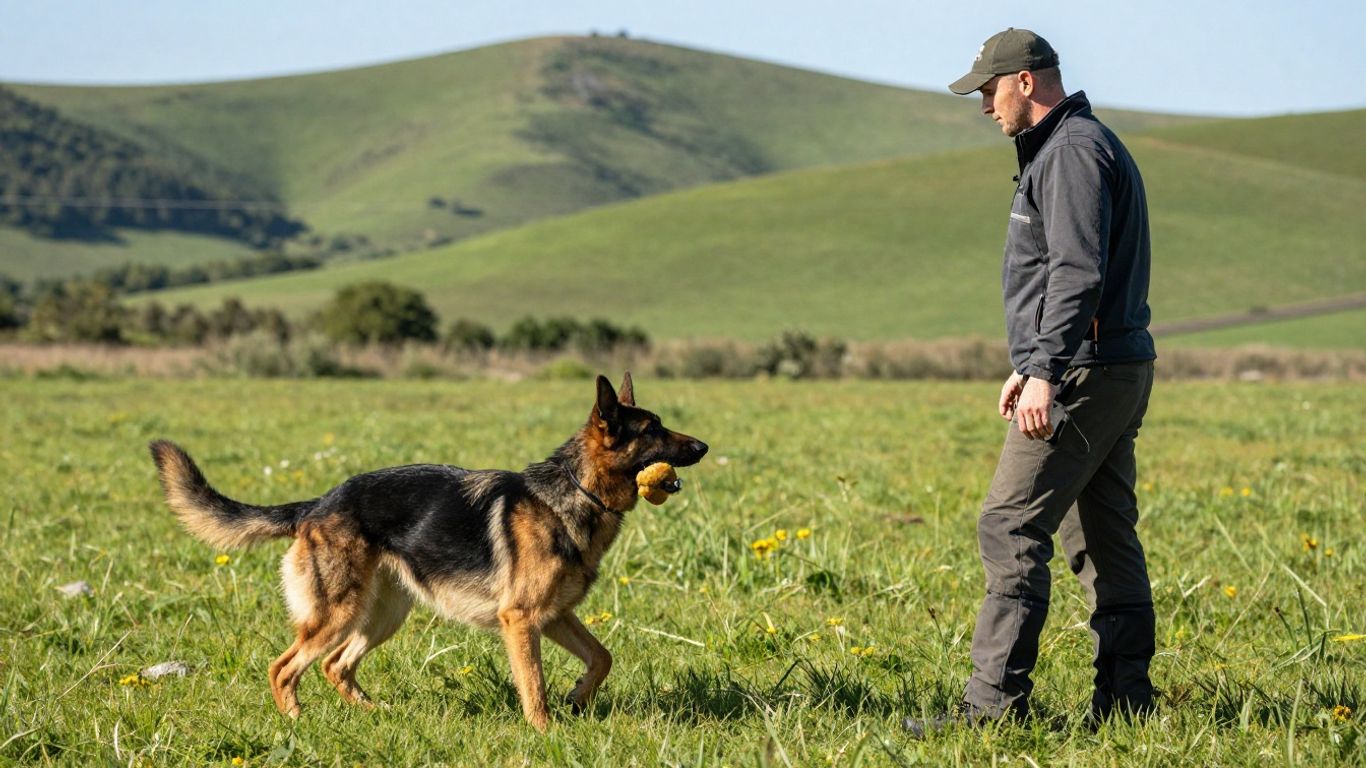
When you’re working with a high-drive dog, just telling them ‘good job’ isn’t always enough. They need clear communication about what’s expected and what’s not. This is where balanced training, specifically the NePoPo method, comes into play. It’s not about being harsh; it’s about being fair and consistent. Think of it as giving your dog a complete picture of the rules.
The NePoPo Method Explained
The NePoPo method, developed by Bart Bellon, is a structured approach that uses three phases. It’s a system Anvil K9 uses because it gets real results. First, there’s the ‘Negative’ phase (Ne). This isn’t punishment. It’s a low-level stimulus, like a tap or a specific sound, that clearly marks an unwanted behavior. It tells your dog, ‘Nope, not that.’ Then comes the ‘Positive’ phase (Po). Here, you guide your dog to do the correct behavior. This is where positive reinforcement shines. You reward them for getting it right. The second ‘Positive’ phase (Po) reinforces that correct behavior again, making sure the dog understands and remembers what earned them the reward. This clear communication builds confidence and reliability. It’s about teaching your dog what you want and what you don’t want, in a way they can understand.
Using Consequences Effectively
Consequences are a natural part of life, and they are a natural part of training. For high-drive dogs, understanding that actions have outcomes is key. The NePoPo method uses consequences in a structured way. The ‘Negative’ marker is a consequence for an incorrect action. It’s a brief interruption, not a lingering punishment. This is followed by guiding the dog to the correct behavior and rewarding it. This sequence teaches the dog that performing the desired action leads to a positive outcome, while the incorrect action leads to a brief, clear signal to stop and try again. It’s about teaching them to make the right choices.
Reinforcing Desired Behaviors
Reinforcement is the backbone of any training. With NePoPo, once the dog understands what’s expected, the focus shifts heavily to rewarding that correct behavior. This means generous praise, treats, or a favorite toy when they get it right. The goal is to make the desired behavior the most rewarding option for your dog. This is how you build a strong, positive association with doing what you ask. For example, if your dog is learning to stay calm around distractions, you’d mark and reward every moment they remain composed. This process is similar to how dogs learn to stay calm in new situations through gradual exposure and positive association, a technique often used in behavioral modification [38c1]. Consistent reinforcement helps solidify these behaviors, making them reliable even when distractions are high. If you’re struggling to get consistent results, consider our 3 Week Board and Train program. It’s designed for adult dogs and older puppies (16+ weeks) to build that reliable obedience you’re looking for. We also have a 6 Week Puppy Program for younger dogs starting at 12 weeks. Both programs are available with Affirm financing.
Addressing Common Behavioral Challenges
Managing Reactivity and Frustration
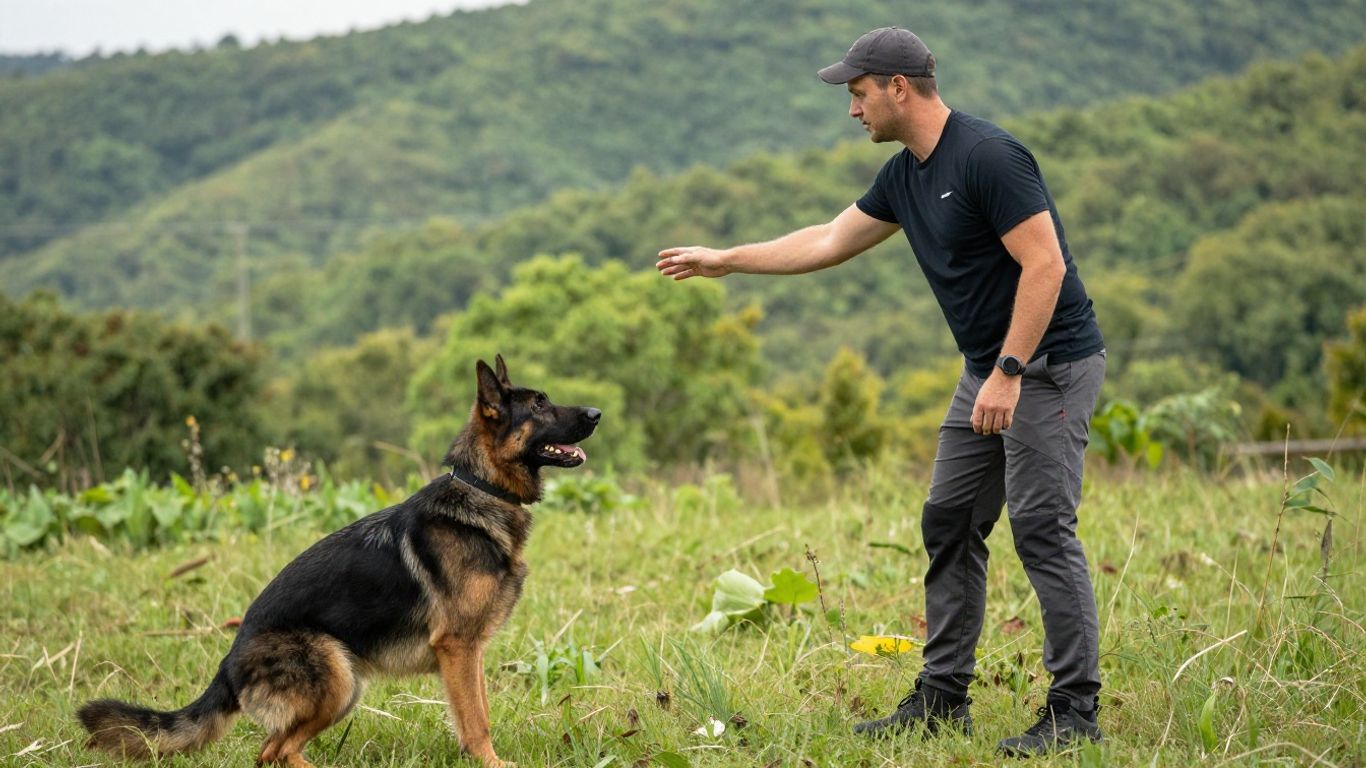
High-drive breeds often have a lot of energy and a strong desire to work. When that energy isn’t channeled correctly, or when they’re constantly told ‘no’ without understanding ‘yes’, frustration can build. This frustration can easily turn into reactivity, where your dog overreacts to things like other dogs, people, or even just environmental stimuli. It’s not about being ‘mean’ or ‘stubborn’; it’s about a dog that’s struggling to cope with its own internal state. We see this a lot in the Chattanooga area, where there are plenty of exciting sights and sounds. The key is to teach your dog impulse control and provide appropriate outlets for their drive.
Here’s a breakdown of how to approach reactivity:
- Identify Triggers: What specifically sets your dog off? Is it dogs on leash, dogs off leash, skateboards, bicycles, or something else? Knowing the trigger is the first step.
- Create Distance: When you see a trigger approaching, increase the distance between your dog and the trigger. This might mean crossing the street, turning around, or stepping behind a car.
- Redirect and Reward: Before your dog reacts, redirect their attention to you with a cue they know, like ‘look at that’ or ‘touch’. Reward them heavily for focusing on you instead of the trigger. This helps build a positive association with the trigger’s presence.
- Structured Training: For serious reactivity, a structured program like the 3 Week Program at Anvil K9 is often necessary. We work on building a dog’s confidence and teaching them how to handle these situations with clear communication and consequences.
Preventing Destructive Behaviors
Chewing, digging, and general destructiveness in high-drive dogs are usually signs of boredom, pent-up energy, or anxiety. A dog that isn’t getting enough mental or physical stimulation will find its own ways to entertain itself, and those ways often involve your furniture or garden. It’s not malicious; it’s a dog trying to meet its needs.
To combat this:
- Increase Exercise: Ensure your dog is getting enough physical activity. This isn’t just a casual walk around the block. Think longer walks, runs, or hikes, especially in areas like the trails around North Georgia.
- Provide Mental Work: Engage their brain. Puzzle toys, scent games, and training sessions are fantastic for tiring out a working breed. Consider activities that mimic their original purpose, like predation substitute training.
- Consistent Routine: Dogs thrive on routine. Knowing when they’ll eat, when they’ll go out, and when they’ll have training or playtime can reduce anxiety and the likelihood of destructive behaviors.
Building Confidence in New Situations
Some high-drive dogs can be sensitive or lack confidence, especially if they haven’t had proper socialization or positive experiences. This can manifest as fearfulness, avoidance, or even aggression when faced with new environments, people, or objects. Building confidence isn’t about forcing your dog into scary situations; it’s about creating positive associations and allowing them to learn at their own pace.
Here’s how to help:
- Controlled Introductions: Introduce new things gradually. Let your dog observe from a distance first, and only approach when they seem comfortable. Reward calm behavior.
- Positive Reinforcement: Use high-value treats and praise to reward your dog for showing curiosity or bravery in new situations. Even a small step forward deserves recognition.
- Professional Guidance: If your dog’s lack of confidence is severe, professional help is recommended. Our 6 Week Puppy Program is designed to build a solid foundation of confidence and good behavior from a young age, while the 3 Week Program can help adult dogs overcome fear and anxiety. We focus on clear communication and building a reliable partnership, which is key to a confident dog. If you’re in the Chattanooga or Rossville area and struggling, reaching out to Anvil K9 is the next step.
Consistency and Long-Term Success
Training a high-drive working breed isn’t a one-and-done deal. It’s a continuous process, like tending a garden. You put in the work, and over time, you see the results. Sticking with it, even when things get a little tough, is what makes the difference between a dog that’s just "okay" and one that’s truly reliable. This is where Anvil K9’s approach really shines, focusing on building a solid foundation that lasts.
Maintaining Training Momentum
Keeping your dog engaged and continuing to practice learned behaviors is key. Think of it as regular tune-ups for your dog’s obedience. Without consistent reinforcement, even the best-trained dog can start to slip. This means integrating training into your daily life, not just during dedicated sessions. Short, frequent practice sessions are often more effective than long, infrequent ones.
- Practice commands in different environments.
- Introduce new distractions gradually.
- Keep training sessions positive and rewarding.
The Value of Ongoing Learning
Your dog is always learning, whether you’re actively training them or not. To keep their skills sharp and their behavior in check, you need to keep learning too. This might mean attending advanced classes, working on new skills, or simply staying informed about canine behavior. For owners looking for a structured way to continue this journey, Anvil K9 offers programs designed for long-term reliability. The 3 Week Board and Train program for adult dogs, or the 6 Week Puppy Program for younger dogs, provides a strong foundation that you can build upon for years to come.
The goal isn’t just a well-behaved dog today, but a well-behaved dog for life. This requires a commitment from the owner to continue practicing and reinforcing the learned behaviors. It’s about building a partnership that stands the test of time and everyday life.
When to Seek Professional Guidance
Sometimes, you hit a wall. Maybe your dog’s behavior is regressing, or you’re facing a new challenge you’re not sure how to handle. That’s perfectly normal. High-drive breeds can present unique issues, and knowing when to get help is a sign of a responsible owner. Anvil K9 provides lifetime support for our clients, meaning we’re here to help you navigate those tricky situations. If you’re struggling, don’t hesitate to reach out. We can help you get back on track and ensure your dog continues to be a well-adjusted companion. You can contact us to discuss your specific needs.
Building a strong bond with your dog takes time and effort, but the results are worth it. Consistent training helps your furry friend understand expectations, leading to a happier, more well-behaved companion. This dedication paves the way for lasting success and a deeper connection between you and your pet. Ready to see the difference consistent training can make? Visit our website today to learn more!
Putting It All Together
Look, training a high-drive dog isn’t always a walk in the park. It takes time, patience, and a solid plan. You’ve got the tools now to manage that energy and build a better relationship with your dog. Remember, consistency is key, and understanding your dog’s needs is half the battle. If you’re in the Chattanooga area and feeling overwhelmed, Anvil K9 Dog Training offers a 3 Week Program for adult dogs or a 6 Week Puppy Program for younger pups, using balanced methods to get reliable results. They also offer financing through Affirm. You can learn more at anvilk9.com/board-and-train-chattanooga/ or reach out at anvilk9.com/contact. It’s a veteran-owned business, and they’re ready to help.
Frequently Asked Questions
What makes a dog a ‘high drive’ working breed?
High drive working breeds are dogs bred for specific jobs, like herding, guarding, or hunting. They have a lot of energy and a strong desire to work and please their owners. Think of breeds like Border Collies, German Shepherds, or Belgian Malinois. They need jobs to do and mental challenges to stay happy and out of trouble.
Why do these dogs need special training?
Because they have so much energy and a strong instinct to work, these dogs can get bored or frustrated easily. If they don’t have an outlet for their drive, they might start doing things like chewing furniture, digging holes, or becoming overly reactive. Special training helps channel that energy into positive activities and teaches them how to behave.
What is the NePoPo training method?
NePoPo is a training method that uses clear communication to teach dogs. It involves using a low-level ‘correction’ to show the dog what *not* to do, then guiding them to the right behavior and rewarding them. It’s all about being fair and consistent, so the dog understands exactly what you want. Anvil K9 in Chattanooga uses this method to get reliable results.
How can I keep my high-energy dog busy?
Beyond regular walks, you need to give them jobs! Try activities like fetch, agility, or nose work games. Mental stimulation is just as important as physical exercise. Puzzle toys, learning new tricks, or even just practicing obedience commands in different places can help tire them out mentally.
What if my dog is reactive or frustrated?
Reactivity, like barking or lunging at other dogs, often comes from frustration or fear. The key is to manage their environment to prevent these reactions while you work on training. Building their confidence and teaching them alternative behaviors, like focusing on you, is crucial. Anvil K9 offers programs that can help with these issues.
How long does training take?
It depends on the dog and the issues you’re facing. For example, Anvil K9 offers a 3 Week Program for adult dogs and a 6 Week Puppy Program for younger dogs. Consistent training and practice after the program are essential for long-term success. It’s a journey, not a quick fix!