
Getting a rescue dog means starting fresh with a new friend. The first three months are critical for them to settle in and learn the ropes. Here are the main points to focus on during this important time.
Key Takeaways
- Establish a safe space and a predictable daily routine right away.
- Use positive methods to teach basic commands and good manners.
- Socialize your dog carefully to new sights, sounds, and other animals.
- Address common issues like fear or separation anxiety with patience and consistency.
- Continue training and building your bond beyond the first 90 days for lasting success.
Establishing Trust And Routine In The First Week
Bringing a new dog home, especially one from a rescue situation, is a big adjustment for everyone. The first week is all about making your new companion feel safe and secure. This isn’t just about providing a comfy bed; it’s about setting the stage for a positive relationship built on trust. Your goal is to create a predictable environment where your dog can start to relax and understand what’s expected.
Creating A Safe Haven For Your New Dog
When your dog first arrives, they’re likely feeling overwhelmed. Think of their new space as a sanctuary. This means designating a quiet area where they can retreat. This could be a crate, a specific room, or even just a corner with their bed and water bowl. Keep this area calm and free from excessive foot traffic or loud noises. It’s their personal space to decompress. Limit visitors and interactions initially. Let the dog approach people rather than forcing interaction. This helps them feel in control and reduces anxiety. For puppies, this safe haven is especially important as they adjust to a new world. Our 6 Week Puppy Program focuses on building this foundation of security from day one.
Implementing A Consistent Daily Schedule
Dogs thrive on routine. A predictable schedule helps them understand their day and reduces uncertainty. This includes set times for feeding, potty breaks, short training sessions, and rest. Consistency is key. Even small deviations can be confusing for a dog still learning the ropes. Try to stick to the same times each day as much as possible. This predictability builds confidence and makes your dog feel more secure in their new home. It also helps you identify any potential issues, like a change in appetite or potty habits, early on.
Here’s a sample schedule to get you started:
- Morning: Wake up, potty break, breakfast, short play session.
- Midday: Potty break, nap time in their safe space, short training session.
- Afternoon: Potty break, gentle walk or playtime.
- Evening: Dinner, potty break, quiet relaxation time.
- Night: Final potty break, settle down for the night.
Gentle Introductions To The Home Environment
Allow your dog to explore their new surroundings at their own pace. Don’t force them into situations they seem uncomfortable with. Keep initial introductions to other pets and family members calm and supervised. For example, if you have other dogs, keep them separate initially and introduce them on neutral territory. This prevents territorial disputes. Similarly, let children interact calmly and quietly. The first few days are about observation and slow integration, not a party.
The initial period is critical for setting the tone. Patience and understanding are your most important tools. Avoid overwhelming your new dog with too many new experiences or people all at once. Let them settle in and show you their personality gradually. This approach builds a stronger foundation for all future training and bonding.
For adult dogs needing a solid foundation or help with behavioral issues, our 3 Week Program is designed to establish clear communication and reliable obedience. We also offer flexible financing options through Affirm to make professional training accessible.
Building Foundational Obedience Skills
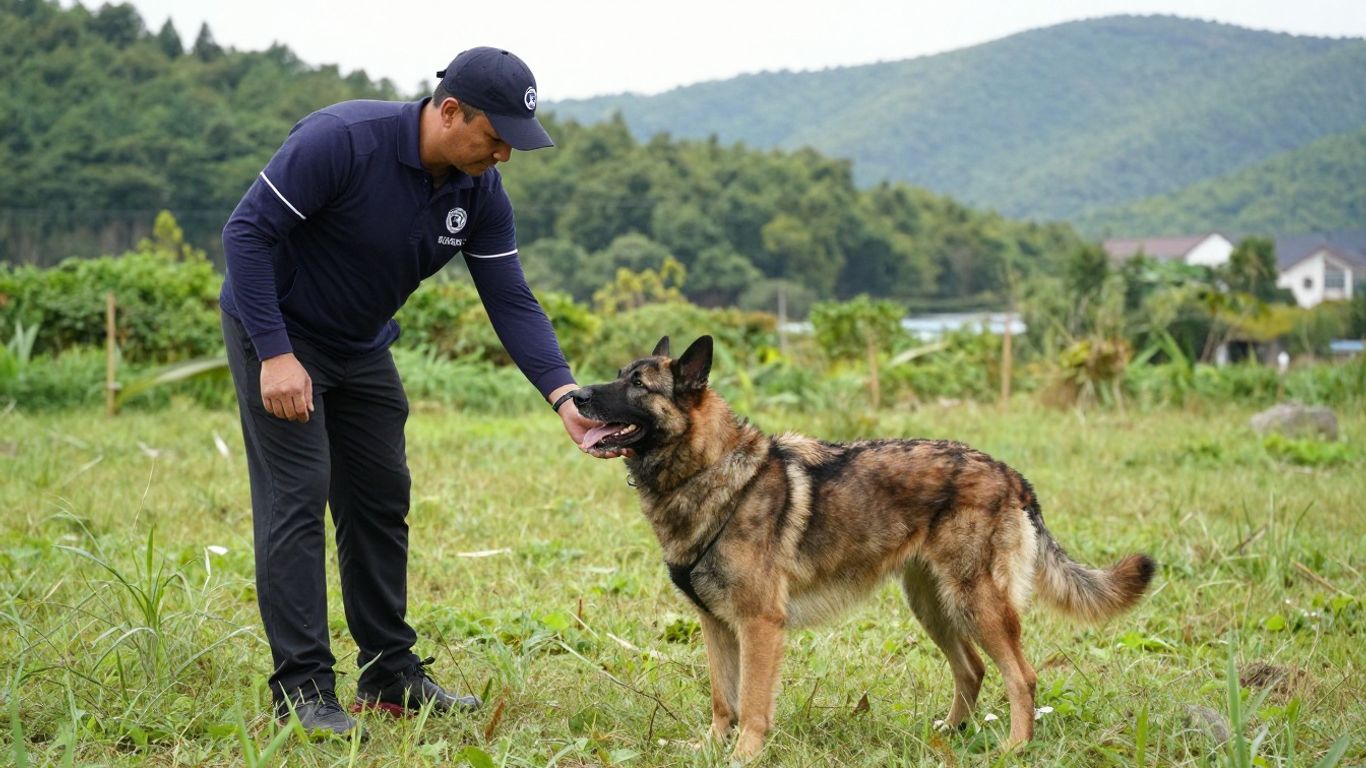
This is where the real work begins, turning your rescue dog into a well-behaved companion. It’s about clear communication and building a solid understanding between you and your dog. We’re not just teaching tricks; we’re establishing a language you both can speak.
Positive Reinforcement For Basic Commands
Positive reinforcement is the bedrock of teaching your dog what you want them to do. It’s about rewarding good behavior, making it more likely to happen again. Think of it as building a positive association with doing the right thing. We start with simple commands like ‘sit,’ ‘stay,’ and ‘come.’ The key is consistency and timing. When your dog offers the desired behavior, even accidentally at first, mark it immediately with a verbal cue like ‘yes!’ or a clicker, followed by a high-value reward. This could be a small piece of chicken, a favorite toy, or enthusiastic praise. The faster you reward, the clearer the connection for your dog.
Here’s a simple breakdown for teaching ‘sit’:
- Hold a treat near your dog’s nose.
- Move the treat up and slightly back over their head. As their nose follows the treat, their rear end should naturally lower.
- The moment their rear touches the ground, say ‘yes!’ and give them the treat and praise.
- Repeat this several times in short sessions throughout the day.
Introducing Leash Manners And Walking
Walking nicely on a leash is more than just preventing pulling; it’s about creating a calm and controlled experience for both of you. A dog that pulls constantly can be frustrating and even dangerous. We want your dog to walk beside you, not drag you down the street. This involves teaching them that the leash is a communication tool, not a tug toy. When the leash is tight, the walk stops. When the leash is loose, the walk continues. This simple rule teaches your dog that pulling halts progress, while a loose leash allows them to move forward. For high-drive breeds, establishing this early is key for safety and control Training high-drive working breeds requires establishing foundational obedience for clear communication and building a strong recall for safety.
The Importance Of Socialization
Socialization isn’t just about letting your dog meet other dogs. It’s about exposing them to a wide variety of sights, sounds, people, and environments in a positive way. This helps prevent fear and reactivity later on. Think about introducing them to different surfaces, the sounds of traffic, people wearing hats, children playing, and other calm, vaccinated dogs. The goal is to create positive associations with new experiences. If your dog is showing signs of nervousness, don’t force them. Instead, create distance and reward them for calm observation. This process helps them become a confident, well-adjusted dog ready for the world. Remember, even official championship requirements have time limits for showing dogs, so getting your dog comfortable early is important This document outlines regulations for showing dogs with unconfirmed championships.
Building these foundational skills takes patience. It’s not about speed, but about building a strong, reliable relationship based on clear communication and mutual respect. Every small success is a step forward.
Addressing Common Behavioral Challenges
It’s not uncommon for rescue dogs to come with some baggage. They might have fear, anxiety, or habits that aren’t ideal. The good news is, most of these issues can be worked through with patience and the right approach. At Anvil K9, we see these challenges regularly and have effective methods to help.
Understanding Separation Anxiety
Separation anxiety is more than just a dog being a little sad when you leave. It’s a genuine panic. Dogs experiencing this can become destructive, vocal, or even injure themselves when left alone. It’s a tough one, but consistent, gradual desensitization is key. Start by leaving for very short periods, gradually increasing the time. Make sure your dog gets plenty of exercise and mental stimulation before you leave, and avoid making a big fuss when you depart or return. This helps them understand that your absence is temporary and not a cause for alarm. If you’re struggling, our 3 Week Program is designed to tackle these kinds of issues head-on, building your dog’s confidence and independence.
Managing Reactivity And Fear
Reactivity, often seen as barking, lunging, or growling at other dogs, people, or objects, usually stems from fear or frustration. It’s their way of saying ‘stay away.’ The goal isn’t to punish the reaction, but to change the dog’s emotional response. This involves working at a distance where your dog can see the trigger without reacting, and then rewarding them for calm behavior. We use techniques that help dogs feel more secure and less threatened by their environment. It takes time and consistency, but seeing a dog go from fearful to confident is incredibly rewarding. For serious reactivity, consider professional help. Our programs are built to address these real-world problems.
Redirecting Undesirable Habits
Chewing on furniture, excessive barking, or jumping up are common habits that need redirection. Instead of just saying ‘no,’ it’s more effective to show your dog what you do want them to do. If your dog is chewing something they shouldn’t, redirect them to an appropriate chew toy and praise them when they engage with it. For jumping, teach them to sit for greetings. The key is to be consistent and clear. Every family member needs to be on the same page with how to handle these situations. It’s about teaching your dog the rules of the house in a way they can understand. We help dogs learn these boundaries through clear communication and structured training, which is a core part of our 6 Week Puppy Program and our adult program.
Reinforcing Good Behavior Through Consistency
Consistency is the bedrock of reliable dog training. Without it, your dog will likely become confused, leading to unpredictable behavior. Think of it like building a house; you need a solid foundation. For your rescue dog, that foundation is built on clear expectations and consistent responses from you.
The Power Of Clear Communication
Your dog doesn’t speak English, so we need to be crystal clear about what we’re asking. This means using the same cues for the same behaviors every single time. If ‘sit’ means one thing one day and something else the next, your dog will struggle. It’s not about being harsh; it’s about being understandable. Using a marker word like ‘yes’ or a clicker the instant your dog performs the desired action, followed by a reward, helps them understand exactly what earned them that treat. This kind of clear communication is key to building trust and understanding, which is why positive reward-based training is so effective [8eac].
Rewarding Success And Progress
When your dog gets it right, celebrate it. Positive reinforcement isn’t just about treats; it’s about acknowledging their effort. This could be a favorite toy, enthusiastic praise, or a good scratch behind the ears. The key is that the reward is meaningful to your dog. Keep a simple log to track progress, especially in the early days. This helps you see how far you’ve come and identify any areas that might need a little more work.
| Command | Day 1 | Day 3 | Day 7 |
|---|---|---|---|
| Sit | 2/5 | 4/5 | 5/5 |
| Stay | 1/5 | 3/5 | 4/5 |
| Come | 0/3 | 2/3 | 3/3 |
Remember, every dog learns at their own pace. What matters most is consistent effort and celebrating small victories along the way. Don’t get discouraged if your dog doesn’t master a command immediately. Patience is a trainer’s best tool.
Maintaining Boundaries And Rules
Just as important as rewarding good behavior is having clear boundaries. If jumping on the couch is not allowed, it should never be allowed, not even once. Allowing exceptions, even with the best intentions, sends mixed signals. This applies to all members of the household. Everyone needs to be on the same page regarding rules and expectations. This consistency helps your dog feel secure because they know what to expect from their environment and their people. For dogs needing reliable obedience in real-world situations, programs like the 3 Week Board and Train at Anvil K9 are designed to build that understanding and reliability.
Preparing For Real-World Scenarios
So, you’ve put in the work, and your dog is starting to get the hang of things at home. That’s great. But now it’s time to see how they do when the real world comes calling. Training inside your living room is one thing; training at the park with squirrels and other dogs is another entirely. We need to bridge that gap.
Practicing Commands In New Environments
This is where you take what your dog has learned and test it outside the comfort zone. Start small. Go to a quiet park or a less busy street. Ask for a ‘sit’ or ‘stay’ while there are a few distractions, but nothing too overwhelming. The goal is to get your dog used to hearing your commands and responding even when there’s more going on. The key is gradual exposure to increasing distractions. If your dog struggles, that’s okay. Just lower the difficulty, get a few successful repetitions, and try again later. Think of it like building up an exercise routine; you don’t start with a marathon.
Building Off-Leash Reliability
Off-leash reliability is a big one, especially if you plan on hiking or letting your dog have some freedom in safe, enclosed areas. This isn’t something to rush. It requires a solid foundation of recall training. You need to be absolutely sure your dog will come back to you when called, no matter what. We use a structured approach at Anvil K9, focusing on clear communication and consistent reinforcement. It’s about building a relationship where your dog wants to listen. For serious off-leash control, consider our 3 Week Program which is designed for adult dogs needing reliable obedience in real environments.
Navigating Public Spaces With Confidence
Taking your dog out in public can be a mixed bag. Some dogs are naturally social butterflies, while others can get overwhelmed. It’s our job to help them manage. This means practicing polite greetings, walking calmly past other dogs, and not reacting to every little thing. We want our dogs to be good ambassadors for us and for dog training in general. It’s about setting them up for success, not throwing them into situations they can’t handle. Remember, consistency is key, and if you’re finding it tough, professional guidance can make all the difference. We can help you address real-world scenarios with actionable insights, much like the strategies found in practical application modules.
It’s easy to get discouraged when your dog doesn’t perform perfectly in a new place. Take a breath. Assess the situation. Is it too much for your dog right now? If so, back off, make it easier, and try again. Progress isn’t always linear, and that’s perfectly normal.
Sustaining Progress Beyond The Initial Period
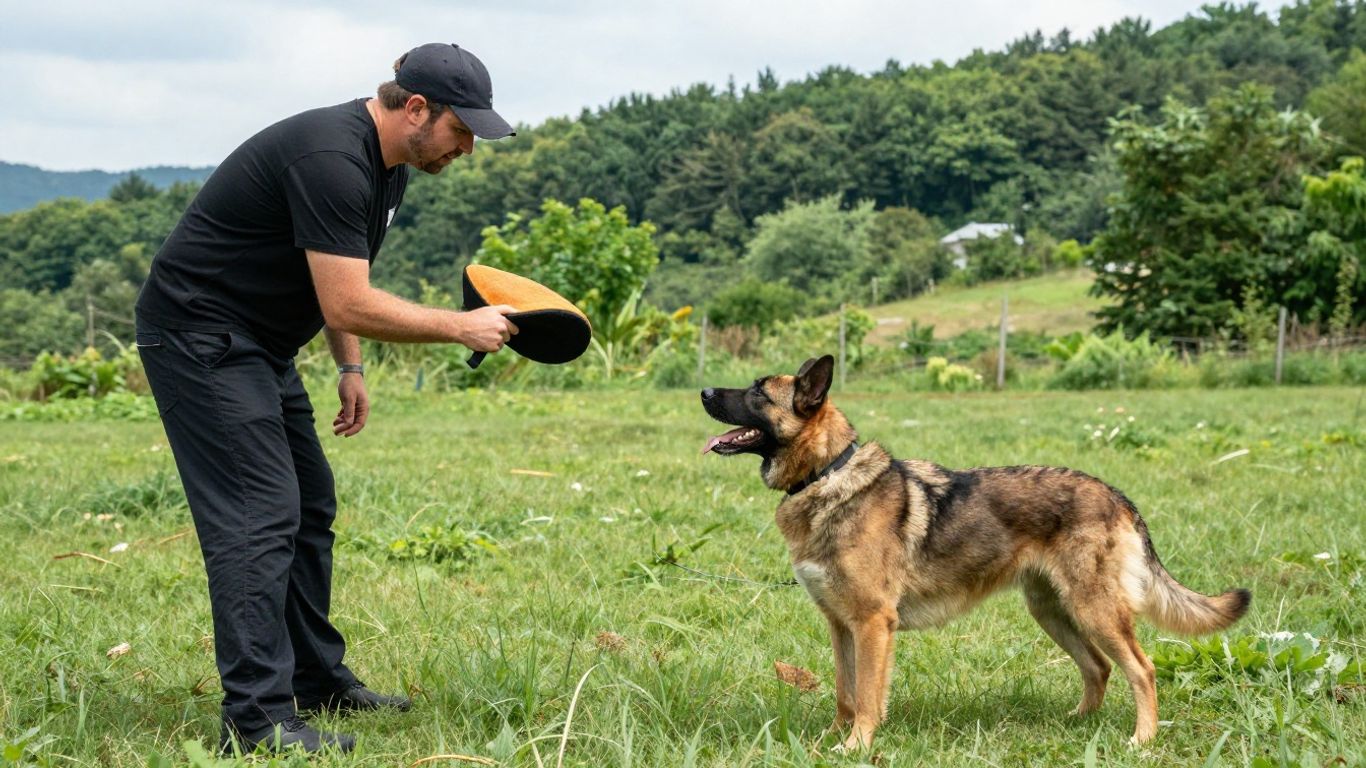
So, you’ve made it through the first 90 days. Your dog is settling in, responding to commands, and you’re starting to feel like a well-oiled team. That’s fantastic. But here’s the honest truth: training isn’t a one-and-done deal. It’s an ongoing process, like maintaining anything worthwhile. The real magic happens when you keep the momentum going, turning those initial successes into lifelong habits for your dog.
Continuing Education And Training
Think of continued training as regular tune-ups for your dog’s behavior. It keeps their skills sharp and prevents old habits from creeping back. Even after completing a program like our 3 Week Board and Train, dogs benefit from consistent practice. This doesn’t mean endless drills. It means integrating training into your daily life. Short, fun sessions focusing on a command or two, perhaps with a new twist, can keep things interesting for both of you. Maybe you’re working on recall in a slightly busier park, or practicing ‘stay’ while you answer the door. The goal is to keep their brain engaged and reinforce that they need to listen to you, no matter the situation.
Recognizing Signs Of Stress Or Overwhelm
It’s easy to get caught up in pushing for more, but it’s equally important to know when to back off. Dogs, just like us, can get stressed or overwhelmed. Signs might include excessive panting, lip licking, yawning when not tired, or a general avoidance of interaction. If you notice these, it’s a signal to dial things back. Maybe the training session was too long, the environment too distracting, or the task too difficult. Your dog’s well-being comes first. A stressed dog won’t learn effectively, and it can damage the trust you’ve worked so hard to build. Sometimes, a simple break or a return to easier, known commands is all that’s needed.
Fostering A Lifelong Bond Through Training
Training is more than just obedience; it’s communication. It’s how you and your dog understand each other. By continuing to train, you’re not just reinforcing commands, you’re strengthening your connection. Every successful training interaction builds a little more trust and mutual respect. It’s about building a partnership. This ongoing effort is what separates a well-behaved dog from a truly integrated family member. It’s a commitment that pays dividends in companionship and peace of mind for years to come. If you’re looking for a solid foundation that lasts, consider programs designed for lasting results, like the 6 Week Puppy Program for young dogs or the 3 Week Program for older ones. These programs are built to give you and your dog the tools for a lifetime of good behavior. Remember, investing in training is investing in your relationship. Financing options are available through Affirm to make this investment easier.
Keeping up the good work after the first few weeks is key to lasting success. Don’t let your progress fade! Visit our website today to learn more about how we can help you and your dog continue to grow together.
Conclusion
Bringing a rescue dog home is a big step, and the first 90 days are key to building a strong relationship. By focusing on trust, routine, and consistent training, you set your new companion up for success. Remember that every dog is an individual, and patience is your best tool. If you’re finding things tough or want to accelerate progress, consider professional help. Anvil K9 Dog Training in Chattanooga offers programs designed for real-world results. You can explore their 3 Week Program for adult dogs or the 6 Week Puppy Program at https://anvilk9.com/board-and-train-chattanooga/. They also offer financing through Affirm, making training more accessible. Reach out to them at https://anvilk9.com/contact/ to discuss your dog’s needs. This veteran-owned business is ready to help you build a confident, well-behaved dog.
Frequently Asked Questions
How long does it take for a rescue dog to adjust?
It really depends on the dog. Some dogs settle in within a few days, while others might take a few weeks or even a couple of months to feel completely comfortable. The ’90-day’ rule is a good guideline for seeing significant progress. Just be patient and give them space.
What’s the best way to introduce my rescue dog to my resident pet?
Take it slow. Start with scent introductions, then parallel walks, and finally, supervised short meetings in a neutral area. Don’t force interaction. Let them set the pace. If you’re in the Chattanooga area and struggling, Anvil K9 might be able to help with their programs.
My rescue dog seems scared of everything. What should I do?
This is common. Avoid overwhelming your dog. Create a quiet, safe spot for them. Use positive reinforcement when they show bravery, even small steps. Never force them into scary situations. Gradual exposure is key. If fear is a big problem, professional guidance can be very useful.
How do I stop my rescue dog from chewing on things?
Make sure your dog has plenty of appropriate chew toys. Redirect them when you catch them chewing something they shouldn’t. If they’re bored, increase exercise and mental stimulation. Sometimes, chewing is a sign of stress, so address that too.
Is it okay to use treats for training a rescue dog?
Absolutely! Treats are a great way to reward good behavior and build a positive association with training. Just make sure you’re also teaching them what you want them to do. Using a mix of rewards and clear communication works best. For reliable results, balanced training methods like NePoPo, used by Anvil K9, can be very effective.
What if my rescue dog has house-training accidents?
Accidents happen, especially in a new environment. Go back to basics: frequent potty breaks, especially after waking up, eating, or playing. Reward them heavily when they go outside. Clean up messes thoroughly without punishing the dog. Consistency is super important here.