
It’s frustrating when your dog just doesn’t seem to hear you, especially when you need them to come back. You call their name, maybe even shout it, and they just… don’t. It’s a common problem, and honestly, it can make you feel like your dog is ignoring you on purpose. But usually, there’s more going on than simple defiance. Let’s figure out why your dog won’t come when called what to do about it.
Key Takeaways
- Understand that your dog isn’t being disobedient on purpose; there are usually reasons for ignoring recall, like distractions or lack of motivation.
- Build a strong recall foundation by starting in quiet areas and making ‘come’ a super positive, rewarding experience.
- Slowly introduce distractions and increase the distance to make the recall command reliable in different situations.
- Troubleshoot common issues like distraction or lack of interest by adjusting rewards and avoiding punishment.
- For persistent problems or safety concerns, consider professional help like the programs at Anvil K9 Dog Training.
Understanding Why Your Dog Ignores Your Recall
Is Your Dog Truly Disobedient?
It’s easy to jump to the conclusion that your dog is being stubborn or disobedient when they don’t come when called. But honestly, most of the time, it’s not about defiance. Dogs don’t think like we do. They aren’t sitting there plotting how to ignore you. Instead, they’re often making a choice based on what’s most rewarding to them in that exact moment. If chasing that squirrel or sniffing that interesting patch of grass is more exciting than whatever you’re offering, well, you do the math. We need to make coming to us the best option available. It’s our job as trainers to understand their motivations and make our recall command the most appealing choice.
The Role of Distractions and Environment
The environment plays a massive role in recall success. A quiet living room is a world away from a busy park. Think about it: would you be able to hear someone calling your name if you were in the middle of a loud concert? Probably not. Your dog is in a similar situation when faced with distractions. The more exciting the environment, the harder it is for your dog to focus on you. This is why starting recall training in a controlled setting is so important. We need to build a solid foundation before we expect them to perform under pressure. Learning to focus on their handler even when faced with increasing levels of temptation is a skill that needs to be taught systematically. This systematic approach helps dogs learn to focus on their handler even when faced with increasing levels of temptation.
Is the Reward Worth the Effort?
This is a big one. What are you offering your dog when they come to you? If it’s just a pat on the head and a "good boy," that might not be enough to pull them away from a fascinating smell or a game of chase. Dogs are smart; they learn quickly if the effort is worth the reward. If coming to you means missing out on something fun or getting something boring, they’ll likely choose to stay put. We need to consistently offer something that truly excites them. This could be a special treat they only get for recall, a favorite toy, or a quick game of tug. The key is to make sure the reward is always better than what they’re currently doing. It’s about understanding what motivates your dog and using that to your advantage. Troubleshooting these issues is key to ensuring your dog reliably returns to you when called.
Building a Reliable Recall: The Foundation
Start in a Controlled Setting
Before you even think about calling your dog in a busy park, you need to build a solid foundation. This means starting in a quiet, familiar place where there are very few distractions. Your living room, a fenced backyard, or even a quiet hallway works perfectly. The goal here is to make sure your dog understands what "come" means without any outside interference. Think of it like teaching a child their ABCs; you start with a quiet classroom, not a noisy playground. We want the dog to associate the word "come" with you and a positive outcome, not with a sudden interruption of something fun.
Make Recall a Positive Experience
This is probably the most important part. Your dog needs to see coming to you as the best thing ever. If coming to you means the fun stops, or worse, that they’re about to get in trouble, they’re not going to be motivated to return. Every single time you call your dog, it needs to be a party. Use an excited, happy tone of voice. When they arrive, shower them with praise. This is where the reward comes in. The reward must be better than whatever they were doing before.
Here’s a simple breakdown:
- Call: Use a cheerful "[Dog’s Name], Come!"
- Reward: When they reach you, offer a high-value treat, enthusiastic petting, or a quick game of tug.
- Release: After a moment of connection, release them back to play with a release word like "Okay" or "Free."
This cycle teaches your dog that coming to you is rewarding and that they’ll get to go back to their fun afterward. It’s about building a positive association that will serve you well later on. If you’re struggling with getting your dog to understand commands in real-world situations, consider professional training programs like the 3 Week Program at Anvil K9.
Use a High-Value Reward Consistently
What’s a "high-value" reward? It’s something your dog absolutely loves and doesn’t get all the time. Kibble might be okay for some dogs in a super low-distraction environment, but for recall, you need to pull out the big guns. Think small pieces of cooked chicken, cheese, hot dogs, or special training treats. The key is consistency. Every single time you ask your dog to come, especially in these early stages, the reward needs to be fantastic. This builds a strong habit. If you’re inconsistent with rewards, your dog will learn that sometimes coming to you is worth it, and sometimes it isn’t. That’s exactly the kind of thinking we want to avoid. You can also use a favorite toy for a quick game if your dog is more toy-motivated. The goal is to make coming to you the most exciting event of their day. This consistent positive reinforcement is what builds the reliable recall you’re looking for. Remember, obedience is a learned skill, and consistent, high-value rewards are a cornerstone of that learning process.
Gradually Increasing the Challenge
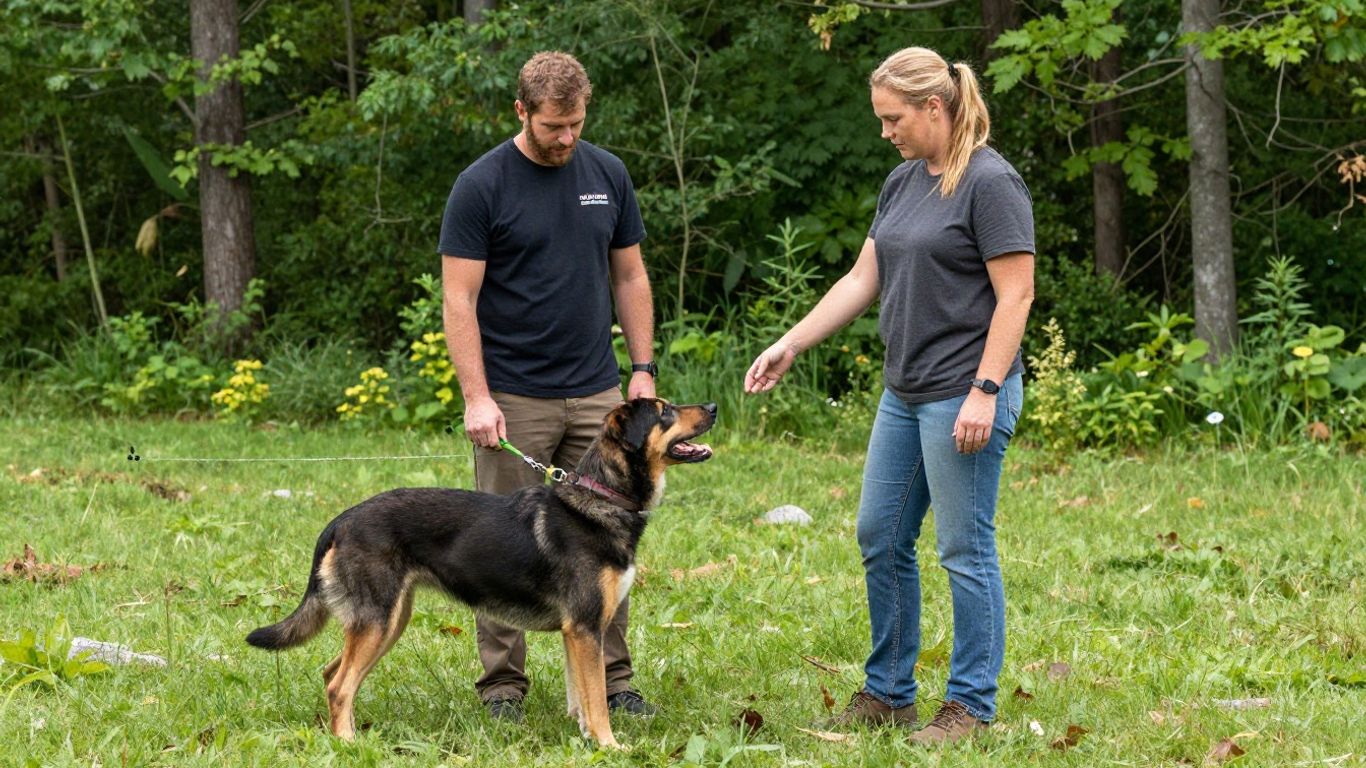
Once your dog has a solid grasp of the recall in a quiet, controlled space, it’s time to slowly introduce more complex scenarios. This is where the real work of building a reliable recall happens. Think of it like building a muscle; you start with light weights and gradually add more resistance. Pushing too fast can set you back, so patience is key here.
Introduce Mild Distractions
Start by adding small, manageable distractions to your training sessions. This could be another person in the room, a toy on the floor that isn’t being actively played with, or even the TV on at a low volume. The goal is to have your dog respond to the recall cue even when there’s something else vying for their attention. If they ignore you, the distraction was too much. Go back to a simpler setup and try again.
- Have a friend walk by outside a window.
- Place a favorite toy a short distance away.
- Have another calm dog present, but not interacting.
The key is to make the recall command more appealing than the distraction.
Increase Distance Slowly
As your dog gets better with mild distractions, you can start increasing the distance between you. Begin with just a few extra feet, then gradually extend it. Use a long line if you’re concerned about your dog running off. This helps you maintain control while still giving your dog more freedom to explore. Remember, a recall that works at 10 feet might not work at 50 feet, so build up to longer distances incrementally. For puppies, keeping sessions short and positive is important, like those five to 10 minute sessions recommended for young dogs.
| Distance | Success Rate | Next Step |
|---|---|---|
| 10 feet | 90%+ | Increase to 15 feet |
| 20 feet | 80%+ | Introduce mild distraction |
| 30 feet | 70%+ | Practice in a slightly more open area |
Practice in New Environments
Once your dog is reliably coming when called with distractions and at a distance in your usual training spot, it’s time to change the scenery. Start with environments that have similar distraction levels to what you’ve already practiced, but are in a new location. Think a quiet corner of a park or a friend’s backyard. Gradually move to busier places as your dog’s reliability grows. This process helps your dog generalize the recall command, meaning they understand it applies everywhere, not just in your living room. This is where a balanced training approach, like the one Anvil K9 uses, really shines in creating reliable obedience in real-world scenarios.
Don’t expect perfection immediately in a new place. Your dog is processing a lot of new information. Be patient and set them up for success by starting with easier versions of the recall in the new environment before increasing the difficulty.
If you’re finding these steps challenging or your dog isn’t progressing as expected, consider professional guidance. Anvil K9 offers a 3 Week Program for adult dogs starting at 16 weeks (4 months) and a 6 Week Puppy Program for younger pups, both designed to build reliable obedience and recall. You can explore these options and learn more about our training philosophy at anvilk9.com/board-and-train-chattanooga/. We also offer Affirm financing to make training accessible. Contact us today at anvilk9.com/contact to discuss your dog’s needs.
Troubleshooting Common Recall Issues
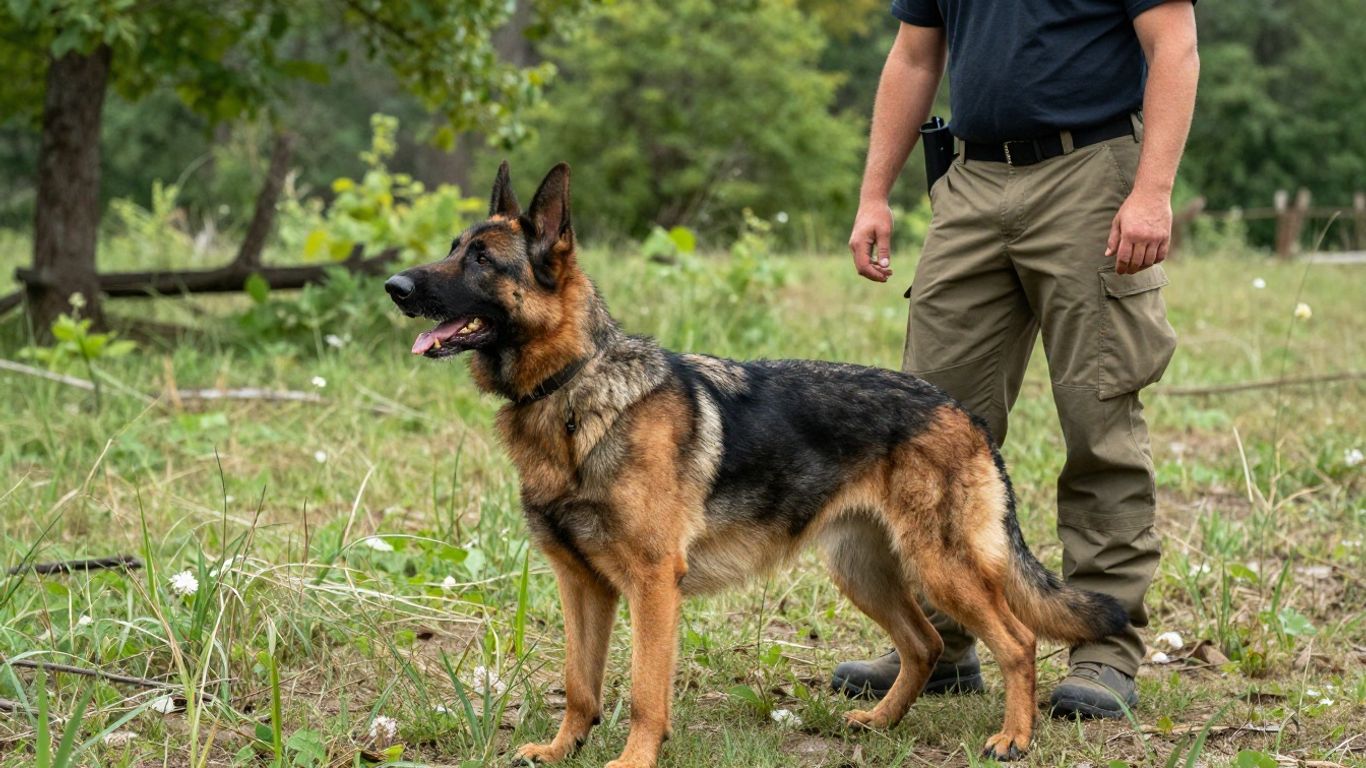
It’s frustrating when your dog doesn’t come when called, but it’s usually not about defiance. Often, it’s a communication breakdown or a training gap. Let’s look at why this happens and how to fix it.
When Your Dog Gets Distracted
This is probably the most common reason for recall failures. Your dog hears you, but something else is way more interesting. A squirrel, another dog, a fascinating smell – you name it. The environment is just too stimulating for them to prioritize coming back to you.
- Assess the distraction level: Is it a mild scent or a full-blown chase situation?
- Increase your reward value: If the outside world is more exciting, your reward needs to be even more so. Think super high-value treats like small pieces of cooked chicken, cheese, or special training treats they only get for recall.
- Manage the environment: Start training in quieter areas before tackling busy parks. Use a long line to give your dog freedom but maintain control.
The key is to make coming to you more rewarding than whatever is distracting them. If your dog is consistently ignoring you for other dogs, it might be time to look into professional help. Anvil K9’s 3 Week Board and Train program is designed to build reliable obedience, including recall, even with distractions present.
When Your Dog Seems Uninterested
Sometimes, your dog just doesn’t see the point in coming back. This often happens if recall has been inconsistent, or if the reward isn’t motivating enough. Maybe they’ve learned that coming back means the fun stops, or that you only call them when it’s time to go inside.
- Is your recall cue overloaded? Are you using "come" for everything, including things your dog dislikes? Try using a different word for recall practice.
- Are you rewarding enough? Every single time your dog comes to you when called, they should get a reward. Make it a party!
- Is the reward truly high-value? Kibble might not cut it when there are better smells or sights around. You need something truly special.
A dog’s motivation is directly tied to the perceived value of the reward. If the reward for coming to you is less appealing than the current activity or distraction, the dog will naturally choose the more appealing option. This isn’t stubbornness; it’s simple logic from the dog’s perspective.
Avoiding Punishment After a Delayed Recall
This is a big one. If your dog takes a while to come back, and you scold them the moment they arrive, you’re teaching them that coming to you results in punishment. This is a fast track to making recall even worse. Even if you’re frustrated, try to greet them with enthusiasm.
- Never punish a dog for eventually coming to you. Even if it took five minutes and three calls, they still made the choice to return. Reward that choice.
- If you’re angry, take a breath. Wait until your dog is safely on leash and calm before you react. Better yet, try to manage your emotions and focus on what you can do differently next time.
- Practice recall in low-distraction areas first. This builds success and confidence, making it less likely you’ll be in a situation where you feel the urge to punish a delayed recall. If you’re struggling with persistent recall issues, especially in distracting environments, consider professional training. The 6 Week Puppy Program at Anvil K9 builds a strong foundation for reliable obedience from a young age, setting your puppy up for success. If you have an older dog or puppy struggling with recall, the 3 Week Program can address these issues directly. Remember, consistent training and positive reinforcement are key. If gastrointestinal issues are causing distress that might affect behavior, consult with a vet. A recent study indicates a connection between ongoing gastrointestinal issues and emotional distress in dogs.
Advanced Recall Training Techniques
Once your dog has a solid recall foundation, it’s time to push the boundaries a bit. This isn’t about making your dog do something impossible; it’s about building confidence and reliability in more challenging situations. We’re talking about real-world scenarios, not just your quiet living room.
The ‘Come’ Command Under Duress
This is where you test your dog’s ability to recall when things get a little hectic. Think about situations where your dog might be tempted to ignore you – maybe there’s a squirrel just out of reach, or another dog is playing nearby. The key here is to not set your dog up for failure. Start small. Have a friend hold your dog’s leash while you move a short distance away. Call your dog, and if they hesitate, have your friend give a gentle tug on the leash to remind them. The goal is to build a strong association between hearing your recall cue and coming to you, even when other things are happening.
It’s also about teaching your dog that coming to you is always the best option. This involves using high-value rewards consistently. If your dog is used to getting a mediocre treat for coming when called, they might decide the exciting distraction is more worthwhile. We need to make sure your recall reward is always better than what they’re currently focused on.
Proofing Recall with Other Dogs Present
Training recall with other dogs around can be tricky. Dogs are social creatures, and the urge to play or interact with other dogs is strong. Start with a known, calm dog that your dog gets along with. Have the other dog on a leash, perhaps a few yards away. Practice your recall with your dog. If they come, fantastic. If they get distracted by the other dog, you might need to increase the distance or use a long line to guide them back. Remember, the goal isn’t to punish them for being distracted, but to guide them back to understanding that your recall cue means they need to come to you. This is a process that requires patience and consistency, much like working through leash reactivity [0fea].
Maintaining Reliability Long-Term
Reliability isn’t a one-time achievement; it’s an ongoing effort. Keep practicing recall regularly, even when you think your dog has it mastered. Mix up your rewards – sometimes it’s a favorite toy, other times it’s a special treat, and sometimes it’s just enthusiastic praise. Vary the locations where you practice, moving from quiet parks to busier areas. If you’re struggling to get consistent results, especially with off-leash reliability, consider professional guidance. Anvil K9 offers a 3 Week Board and Train program designed for adult dogs (16+ weeks) that focuses on building reliable obedience in real-world environments. For younger pups, their 6 Week Puppy Program builds a strong foundation from the start. Both programs are veteran owned and can be financed with Affirm.
Consistent practice and high-value rewards are the cornerstones of a reliable recall. Don’t get discouraged by setbacks; view them as opportunities to adjust your training and strengthen your bond with your dog. The goal is a dog that chooses to come to you, every time.
When to Seek Professional Help
Sometimes, despite your best efforts, your dog’s recall just isn’t where you need it to be. If you’ve tried consistent training, high-value rewards, and gradual increases in difficulty, but your dog still struggles, it might be time to call in the pros. Persistent recall failures can be frustrating, but they often point to deeper issues that a professional can identify and address. Don’t let a weak recall put your dog’s safety at risk.
Persistent Recall Failures
If your dog consistently ignores your recall command, even in low-distraction environments, there could be underlying reasons. This might include a lack of clear communication, a history of inconsistent training, or even a fear-based association with being called. A professional trainer can assess your dog’s behavior and pinpoint the root cause. They can then develop a tailored plan to rebuild your dog’s trust and responsiveness.
Safety Concerns with Off-Leash Freedom
Wanting your dog to be reliably off-leash is a common goal, but it requires a solid recall. If your dog bolts after squirrels, ignores you when other dogs are around, or simply wanders off, it’s a significant safety concern. This lack of control can lead to dangerous situations, like your dog running into traffic or getting lost. Addressing this is not just about convenience; it’s about preventing accidents and ensuring your dog’s well-being. Responsible dog ownership includes managing your dog’s environment and training to prevent harm, especially during events like National Dog Bite Prevention Week [6d32].
Considering Board and Train Programs
For owners who need a significant improvement in recall and overall obedience, a board and train program can be highly effective. At Anvil K9, we offer two distinct programs designed to build reliable obedience and a strong recall. Our 3 Week Board and Train program is ideal for adult dogs (16 weeks and older) needing to solidify their manners and off-leash control. For younger puppies, our 6 Week Puppy Program (starting at 12 weeks) lays the essential foundation for a well-behaved companion. Both programs are veteran owned and utilize proven methods to achieve real-world results. We also offer Affirm financing to make investing in your dog’s training more manageable. If you’re struggling to achieve a reliable recall, contact us to see how we can help.
If you’re finding it tough to handle your dog’s behavior on your own, it might be time to get some expert help. Don’t wait too long to reach out. Visit our website to learn more about how we can help you and your furry friend.
Bringing It All Together
So, your dog isn’t coming when called. It happens. Don’t beat yourself up about it. The good news is, this is a fixable problem. Consistency is key, and understanding why your dog might be ignoring you is half the battle. Keep practicing those recall games in low-distraction areas first, and gradually increase the difficulty. If you’ve tried everything and you’re still struggling, or if you just want to get it right from the start, professional help is available. For those in the Chattanooga area looking for a solid solution, Anvil K9 Dog Training offers a 3 Week Program for adult dogs and a 6 Week Puppy Program, using balanced training methods for reliable results. They’re veteran owned and offer financing through Affirm. You can learn more at anvilk9.com/board-and-train-chattanooga or reach out through anvilk9.com/contact. Getting your dog to come when called is about building trust and clear communication, and it’s definitely achievable.
Frequently Asked Questions
Why does my dog ignore me when I call them?
Sometimes, dogs don’t come when called because they’re too busy or excited by something else. It could also be that they don’t see enough reason to stop what they’re doing. If the reward for coming isn’t better than what they’re already enjoying, they might just keep going. Also, if you only call your dog when it’s time to do something they dislike, like leaving the park, they can start to associate the word ‘come’ with something negative.
How can I make sure my dog will come when called every time?
Start training in a quiet place with no distractions. Make coming to you super fun and rewarding! Use really tasty treats or a favorite toy that they only get when they come. Practice often, and always make it a positive experience so your dog learns that hearing ‘come’ means good things are about to happen.
What’s the best way to reward my dog for coming to me?
The best reward is something your dog absolutely loves and doesn’t get all the time. This could be a special, high-value treat like small pieces of chicken or cheese, or a super fun game with their favorite toy. The key is that the reward needs to be more exciting than whatever else is going on around them.
Should I punish my dog if they don’t come right away?
Never punish your dog if they eventually come to you, even if it took a while. Doing so will teach them that coming to you leads to bad things, making them less likely to come next time. Instead, focus on making recall a positive and rewarding experience from the start.
How do I train my dog to come when there are lots of distractions?
You need to build up to distractions slowly. First, make sure your dog has a solid recall in quiet areas. Then, gradually introduce mild distractions, like another person in the room or a quiet park. Increase the difficulty step by step, always making sure your dog is successful before moving on to something harder. This process helps your dog learn to focus on you even when exciting things are happening.
When should I consider getting professional help for my dog’s recall?
If you’ve tried different training methods and your dog still consistently ignores your recall, it might be time to get help. This is especially important if your dog’s poor recall puts them in danger, like running into traffic or getting lost. A professional trainer can assess the situation and provide a tailored plan. For reliable obedience and off-leash control, especially for adult dogs or older puppies, Anvil K9 Dog Training offers a 3 Week Program, and for younger puppies, the 6 Week Puppy Program. These board and train options, available with Affirm financing and from a veteran-owned business, can help build a strong foundation. Visit anvilk9.com/board-and-train-chattanooga or anvilk9.com/contact to learn more.