
Choosing how to train your dog can feel like a big decision, and honestly, there’s a lot out there to sort through. You’ve probably heard terms like ‘balanced dog training’ and ‘positive only,’ and they sound pretty different. But what do they actually mean for your furry friend? This article breaks down the differences, looks at when one approach might work better than another, and helps you figure out what’s best for your specific dog and your life. It’s all about finding a way to communicate clearly so you and your dog can have a great relationship.
Key Takeaways
- Balanced dog training uses a mix of positive reinforcement and carefully applied corrections to teach dogs what is expected and what is not. It’s about clear communication.
- Positive-only training focuses solely on rewarding desired behaviors, avoiding any form of correction or aversive stimulus.
- For some dogs or situations, like high distractions or complex behavioral issues, positive-only methods might not provide enough structure or clarity.
- Balanced training methods, like the NePoPo approach used at Anvil K9, aim for reliable obedience and off-leash control by giving dogs complete information.
- The best training approach depends on your dog’s personality, your goals, and your willingness to be consistent. Consulting with a professional trainer can help you make the right choice.
Understanding the Core Differences: Balanced Dog Training vs Positive Only
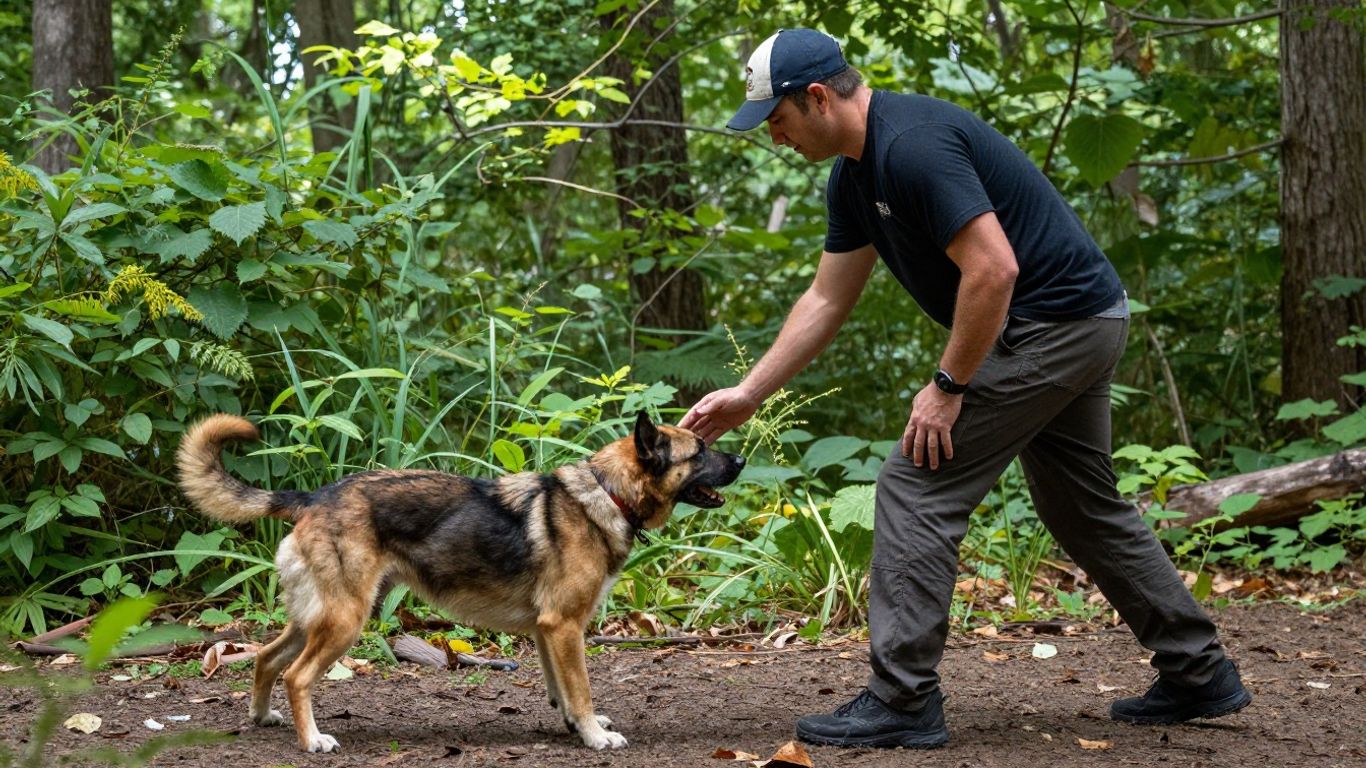
Choosing how to train your dog might feel confusing. Let’s break down what sets balanced training and positive-only methods apart, so you can make a decision that fits your dog and your daily life in Chattanooga, Rossville, or nearby neighborhoods.
What ‘Balanced’ Truly Means in Dog Training
Balanced training isn’t just about correcting mistakes, it’s about giving your dog clear, honest information. At Anvil K9, the NePoPo approach means every dog learns what to do, what not to do, and feels confident through structure, not punishment. Here’s how it plays out:
- Uses both rewards and fair consequences, never harsh or confusing
- Rewards are primary, not just an occasional treat
- Uses clear markers (signals to tell your dog exactly which behavior was right or wrong)
- Training addresses both what you want and what you don’t want in your dog’s behavior
- Builds reliability that holds up even outside your living room
Balanced doesn’t mean harsh. It means honest, consistent, and fair, your dog always knows where they stand and what comes next.
The Philosophy Behind Positive-Only Approaches
Positive-only training is about using treats, praise, toys, and encouragement, while avoiding any use of correction or aversive signals. This approach focuses on:
- Reinforcing only the behaviors you like
- Ignoring or redirecting unwanted behaviors, rather than correcting them directly
- Using lots of treats and rewards for motivation
This works for manners in low-distraction environments. The main idea? If you reward the right thing often enough, the wrong things will fall away.
| Balanced Training (Anvil K9) | Positive-Only Training | |
|---|---|---|
| Method | Rewards + Fair Consequences | Rewards Only |
| Clarity | High | Variable |
| Real World Success | Consistently Reliable | Can falter under stress |
| How Dogs Learn | Complete Info | Partial Info |
Key Distinctions in How Dogs Learn
Dogs are always looking for clear signals in new situations. Here’s what really sets these methods apart:
- Balanced training tells dogs both what is right AND what is off-limits, it’s a full conversation, not just a one-way cheer section.
- Positive-only works when the dog’s motivation aligns with the owner’s goals, but if the treat isn’t better than the squirrel, you hit a wall.
- The balanced approach like NePoPo at Anvil K9 uses consequences that make sense to the dog, not just to please the owner.
Honest structure leads to less confusion and more confidence, dogs thrive when they know the score.
If you need reliable off-leash behavior, especially with distractions around Chattanooga’s trails or at the park, the dog’s understanding of structure and boundaries matters a lot more than treat motivation alone. That difference is what pushes Anvil K9’s balanced NePoPo method ahead of purely positive approaches for real-world dog owners.
When Positive-Only Training Might Fall Short
Navigating High-Distraction Environments
A lot of dogs listen perfectly at home, but add in squirrels, crowds, or new smells, and suddenly, the treats stop working. Positive-only training can struggle when the world is simply more interesting than what’s in your hand. Some dogs just tune out verbal encouragement when they’re amped up outdoors or around other animals. In these situations, a balanced approach like NePoPo, practiced at Anvil K9, provides both clear communication and meaningful consequences that cut through distractions. This keeps your dog’s focus where it needs to be, even when that squirrel is calling their name.
Achieving Reliable Off-Leash Control
Getting to true off-leash freedom is a real milestone, but it’s one most families want for hiking or relaxing at the park. If your dog will only come when called with a treat in your hand, you’re stuck near the treat pouch forever. Balanced training uses both rewards and clear boundaries, making recalls and stays reliable even when your hands are empty. Here’s a look at key differences when training off-leash:
| Positive-Only | Balanced (NePoPo) | |
|---|---|---|
| Recall under distraction | Often unreliable | Consistent and solid |
| Response without treats | Frequently ignored | Obeys regardless |
| Real-world safety | Not guaranteed | Much higher |
When your dog’s safety depends on compliance, not just enthusiasm, it’s vital to move beyond a treat-or-bust approach and use a method proven to work in any situation.
Addressing Deeper Behavioral Issues
While treats and praise can help teach basic commands to most puppies, downright tough issues, like reactivity, anxiety, or aggression, usually need more than just positive reinforcement. Dogs with strong habits or fear-based reactions aren’t always swayed by food, and some will even ignore it completely when stressed or excited. Here are three signs positive-only isn’t enough:
- Your dog’s bad behavior escalates when you try to redirect them with treats.
- Serious behaviors (lunging, snapping, running away) never improve, no matter how patient you are.
- You notice fear, confusion, or frustration instead of progress.
Anvil K9’s board and train programs for puppy and adult dogs use balanced methods that address the root of these problems, setting up clear guidelines and leadership. The aim is a trustworthy, confident dog who’s steady no matter what’s thrown their way.
The Practical Application of Balanced Training Methods
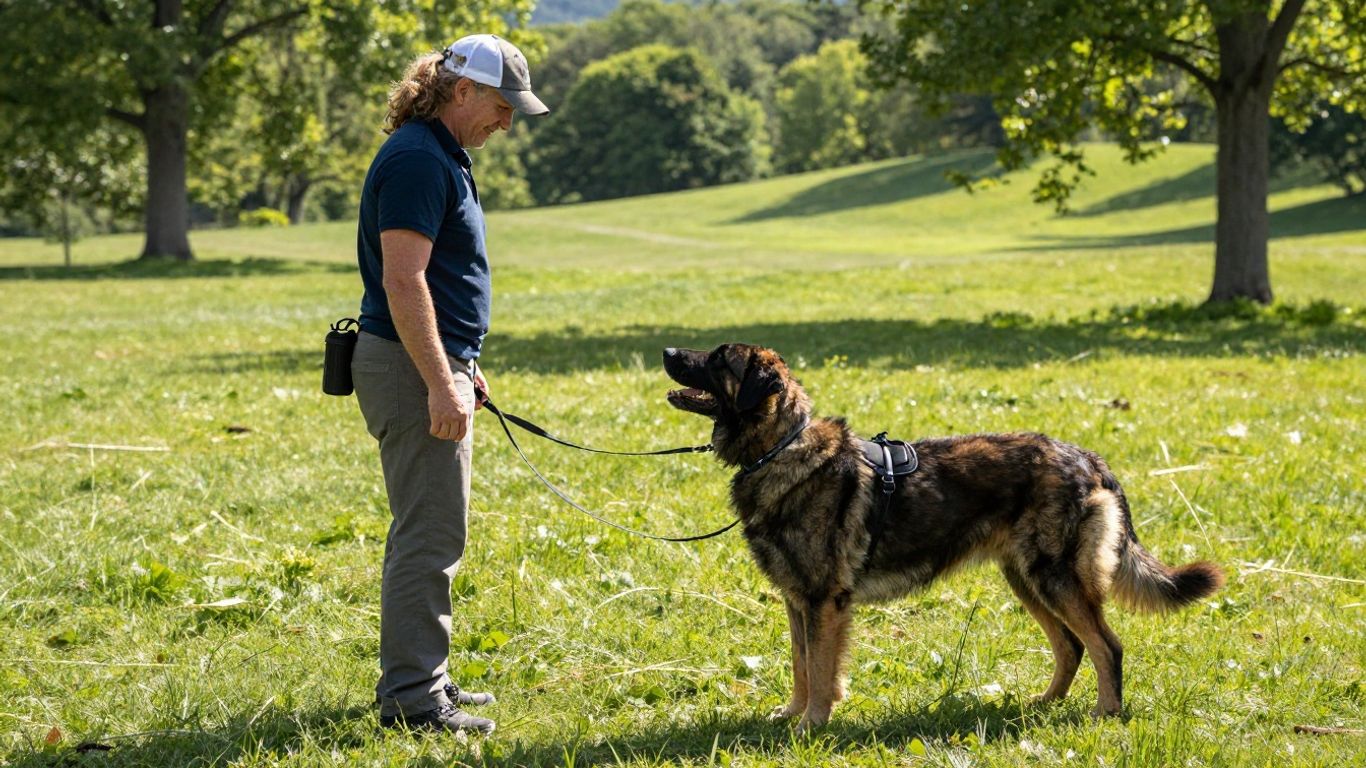
Balanced dog training isn’t just a buzzword, at Anvil K9, it means using honest, clear communication, not guesswork or hope. Here’s how this approach actually works in the real world, every day, with real dogs facing real problems.
Clarity Through Markers and Consequences
Balanced training at Anvil K9 starts with crystal-clear markers for every behavior. Dogs don’t have to guess about what’s right and wrong. When you use a marker (like “yes” or “no”), you make things simple for your dog. The NePoPo method always gives feedback, good or bad. It’s not about punishment. It’s about information.
- "Yes" markers signal the dog did exactly what you want and that a reward is coming.
- "No" means the dog made a mistake; there might be a structured consequence, but also a clear way to succeed next time.
- Every action from your dog is met with a consistent response, removing confusion and creating predictable routines.
This feedback loop makes all the difference when it comes to quick learning and lasting results. Many owners are surprised at how fast their dog picks up on expectations when the rules are so straightforward.
Building Confidence with Clear Communication
Dogs thrive on knowing what to expect from their owner. With balanced training, they don’t just get treats for the right move, they get confidence from understanding the whole picture. At Anvil K9, every correction is paired with a pathway to success, so the dog never feels lost.
- Consistent communication builds trust.
- Dogs who understand both "what to do" and "what not to do" handle new situations with less fear.
- It’s about helping your dog make the right choice, not scolding them into submission.
Consistency is what makes confidence possible. If your dog can trust you to communicate the same way every time, new environments and distractions aren’t nearly as daunting.
Real-World Reliability in Various Scenarios
A lot of people can get their dog to sit at home for a treat. But what about in the park? On the street? When off leash around other dogs? Here’s where balanced training, paired with a strong foundation like the NePoPo approach, stands out.
What does real-world reliability look like with Anvil K9’s programs?
| Scenario | Positive-Only Training | Balanced (NePoPo) Training |
|---|---|---|
| Quiet Home | Reliable | Reliable |
| Busy Sidewalk | Often Struggles | Consistent |
| Off-leash at Park | Unreliable | Dependable |
| Sudden Distractions (bikes etc.) | Poor Response | Maintains Focus |
With Anvil K9’s 3 Week Board and Train (for adult dogs, starting at 16 weeks) and 6 Week Puppy Program (for puppies 12 weeks and up), your dog lives with the trainer, practicing skills everywhere, not just in a classroom. This method proves itself every day on Chattanooga streets, parks, and trails.
- Your dog practices in real settings, not just controlled ones.
- Every session uses structured motivation and consistent feedback.
- Results aren’t about tricks, they’re about true reliability, on and off leash, even with real distractions all around.
Balanced training is about being fair and clear, showing your dog how to succeed instead of letting them flounder. It’s not hype, it’s just practical, honest dog training done right.
Choosing the Right Path for Your Dog’s Needs
Selecting the right dog training method isn’t as simple as flipping a coin. You have to look at your dog’s personality, your own daily realities, and what you actually want to get out of training. This section will break down how to approach each of these angles so your decision is grounded in what works, not just what’s trendy.
Assessing Your Dog’s Temperament and Challenges
Every dog is wired a little differently. Some pups are happy-go-lucky, others get anxious around new things or bark at every squirrel. Before jumping into any program, you should ask yourself a few key things:
- Does your dog struggle with distractions or poor recall?
- Are leash manners, reactivity, or reliable listening a problem at home or outside?
- Do you want off-leash freedom, or just calmer walks?
A dog prone to ignoring commands, anxious behavior, or strong-willed responses usually needs more than just cookies and praise. Balanced training approaches like NePoPo, used at Anvil K9, give dogs a clear sense of what’s right and what’s not, reducing confusion and building their confidence.
Considering Your Lifestyle and Training Goals
Your training plan needs to match your life, otherwise it just gathers dust. Here are some points to think about:
- How much time do you have daily for follow-up training at home?
- Will you need off-leash reliability at parks or when hiking?
- Is living with a calm, polite dog indoors your main goal, or do you want a social dog ready for anything?
For families or busy owners in Chattanooga or Rossville, programs like the 6 Week Puppy Program and 3 Week Program at Anvil K9 let your dog live with the trainer and learn in real-life scenarios, not just obedience drills. This means training fits smoothly into your schedule and real world needs.
| Program | Dog Age | Key Outcomes | Duration |
|---|---|---|---|
| 6 Week Puppy Program | 12+ weeks | Calm manners, leash skills, recall | 6 weeks |
| 3 Week Program | 16+ weeks | Reliable obedience, off-leash, fix common issues | 3 weeks |
What to Look for in a Professional Trainer
There’s a big difference between someone who has watched a few videos and a NePoPo Gold Certified trainer like Jake Mumford. If you’re serious about getting real, reliable results, keep these in mind:
- The trainer should have hands-on experience with real world problems, pulling, poor recall, reactivity.
- Look for programs that use clear markers and consistent feedback, not just treats all day. Dogs need to know when something isn’t allowed, too.
- Ask about support after the program is over. Both programs at Anvil K9 come with lifetime support, which is a big deal.
The right trainer will be upfront about what’s fixable and won’t promise the impossible. Honesty and practical solutions matter more than feel-good slogans.
Dog training isn’t just about teaching tricks; it’s about making life better for both you and your dog. For folks interested in real-world results, professional leash training can make daily walks more enjoyable.
If you’re ready to stop guessing which method is right and want results that hold up outside the living room, Anvil K9’s 6 Week Puppy and 3 Week Board and Train programs deliver what most families need, plus flexible monthly payments with Affirm. Reach out today and find out how your dog could be the easiest part of your daily routine.
Making an Informed Decision for Your Canine Companion
When it comes down to picking the best approach for your dog’s training, clear facts matter more than online arguments or wishful thinking. Effective dog training shapes not just a calmer pet, but also a safer, better life for everyone in the house. Let’s cut through the noise and talk about what to look for, how to judge a program, and why the right decision pays off for years.
Evaluating Training Program Effectiveness
Not every training method works the same for every dog. Here’s how to judge real progress:
- Does the program deliver reliable obedience in normal, unpredictable environments?
- Can your dog respond to commands with distractions, not just at home?
- What kind of long-term support and follow-up does the trainer offer?
If you want a quick way to see what a program covers, here’s a simple overview:
| Program | Age Range | Focus Areas | Support |
|---|---|---|---|
| 6 Week Puppy | 12+ weeks | Foundation obedience, socialization, recall | Lifetime |
| 3 Week Board/Train | 16+ weeks (adult) | Off-leash, behavior change, recall, leash skills | Lifetime |
When in doubt, ask the trainer to explain exactly what skills your dog will have at the end, and what success looks like in real life.
The Importance of Consistency and Fairness
Dogs need repetition and fair correction to understand what’s expected. Inconsistent directions or unclear boundaries just confuse them. Consistency isn’t about perfection, either. It’s about:
- Using the same commands and expectations daily
- Reacting the same way to both good and bad behavior
- Having everyone in the household on board with the routine
A fair approach means the rules always make sense from the dog’s point of view. This is why programs that use markers, clear feedback, and structured rewards, like those at Anvil K9 Dog Training, tend to see better lasting results.
Long-Term Benefits of a Well-Trained Dog
There’s a real difference between a dog that just "knows a few tricks" and a dog that responds every time, even with guests at the door or other dogs around. Lifelong training pays off in ways most owners don’t realize at first:
- Safer recall: Less worry that your dog will bolt
- More freedom: Off-leash control for hikes or park visits
- Stress relief: Fewer behavioral issues to manage later
- Stronger bond: Trust between you and your dog grows
Owning a well-trained dog brings daily peace of mind as much as it brings joy, whether you’re out in the Chattanooga area or just relaxing at home together.
If you’re serious about seeing these real-world results with your puppy or adult dog, the two proven options are Anvil K9’s 3 Week Board and Train for adult dogs and the 6 Week Puppy Program for pups starting at 12 weeks. Both programs offer lifetime support and can be financed through Affirm, making them accessible without the upfront burden.
Ready for consistent, honest training that works in the real world? Start the conversation today by reaching out through Anvil K9’s contact page. Veteran owned, local expertise, and results you can trust.
Choosing what’s best for your dog doesn’t have to be hard. Think about their needs and your family’s lifestyle. If you want help figuring things out, visit our site for friendly advice and to set up your free consultation. Your dog’s happiness starts with the right choice, let’s make it together.
Conclusion
Choosing between balanced dog training and positive-only methods really comes down to what you want for your dog and your lifestyle. Both have their place, but if you’re looking for reliable obedience, especially off leash or in busy places, balanced training like what we use at Anvil K9 Dog Training tends to get more consistent results. We use the NePoPo method because it’s clear, fair, and helps dogs understand exactly what’s expected, no guesswork, no confusion.
If you’re in Chattanooga or the surrounding area and want your dog to listen the first time, every time, our 3 Week Program for adult dogs or 6 Week Puppy Program might be a good fit. Both programs are board and train, so your dog stays with us and learns in real-world situations. We’re veteran owned, and we offer Affirm financing to make things easier on your budget. You’ll also get lifetime support, so you’re never left hanging. Want to learn more or see if our approach is right for your dog? Check out anvilk9.com/board-and-train-chattanooga, visit anvilk9.com/contact, or just give us a call at 423-290-7584. We’re here to help you and your dog get the results you need.
Frequently Asked Questions
What is the main difference between balanced dog training and positive-only training?
Balanced dog training uses both rewards and fair corrections to teach your dog. Positive-only training focuses just on rewards and ignores unwanted behavior. Balanced training gives clear feedback, so your dog understands what to do and what not to do.
Is balanced training harsh or mean to dogs?
No, balanced training is not harsh. At Anvil K9, we use the NePoPo method, which is about clear communication. We use low-level corrections only as needed, and most of the time, we reward good choices. The goal is to help your dog feel confident and safe, not scared.
Why might positive-only training not work in every situation?
Positive-only training can work for simple manners at home, but it often struggles in busy places or with tough behavior issues. Dogs sometimes need clear boundaries, especially when there are distractions or safety concerns. Balanced training helps your dog listen even when things get exciting or challenging.
What programs does Anvil K9 Dog Training offer?
Anvil K9 offers two programs: a 6 Week Puppy Board and Train for puppies starting at 12 weeks old, and a 3 Week Board and Train for adult dogs 16 weeks and older. Both programs use balanced training for reliable obedience and calm behavior. We do not offer classes or drop-in lessons.
Can I pay for training in monthly payments?
Yes, Anvil K9 Dog Training offers financing through Affirm. This lets you split the cost of your dog’s training into easy monthly payments, so you can get started right away without paying everything upfront.
How do I know if balanced training is right for my dog?
Balanced training is a good fit for most dogs, especially if you want reliable off-leash control or need help with behavior problems. If you’re not sure, you can contact Anvil K9 for advice. We’ll help you decide what’s best for your dog and your family.