
Key Takeaways
Addressing behavioral issues requires professional intervention and a clear understanding of your dog behavior. These points summarize the path to a harmonious home through balanced training.
- Identifying early warning signs is vital to prevent escalation.
- Balanced training provides the structure necessary for dogs to succeed.
- Board and train programs address triggers by creating a new environment.
- Professional expertise from Anvil K9 Dog Training offers reliable long term solutions.
- Flexible payment plans make expert guidance accessible for every owner.
Identifying signs of aggression in dogs
Aggression often begins as subtle communication before escalating into problematic responses. Understanding your dog triggers is the first step toward restoring safety in your home. By looking closely at body language, you can interpret what your dog is saying before a situation gets out of hand.
Differentiating between reactivity and true aggression
Reactivity is often a frustration-based reaction to environmental stimuli, while true aggression involves intent to harm or create distance. A reactive dog may lunge or bark because they lack impulse control or feel overwhelmed. An aggressive dog, however, exhibits clear intent to intimidate or escalate a conflict. Professionals at Next-Door K9 Solutions often see these behaviors confused, yet they require different management strategies.
When to seek professional behavioral help
Owners often attempt to manage these behaviors alone for too long. If you find yourself changing your routine, avoiding walks, or feeling fearful of your own pet, you need outside expertise. Seeking aggressive dog training chattanooga resources early ensures the safety of everyone involved. Ignoring signs like snapping or lunging only allows these habits to strengthen over time.
Common environmental triggers in Chattanooga neighborhoods
Local environments present specific challenges that can exacerbate behavioral issues. Dogs often struggle with distractions found in public parks or along busy streets near Signal Mountain, where unexpected encounters with wildlife or other pets are common. Owners can use this resource for learning leash reactive dog training to manage these environmental stressors effectively.
Why balanced training works for aggressive behaviors
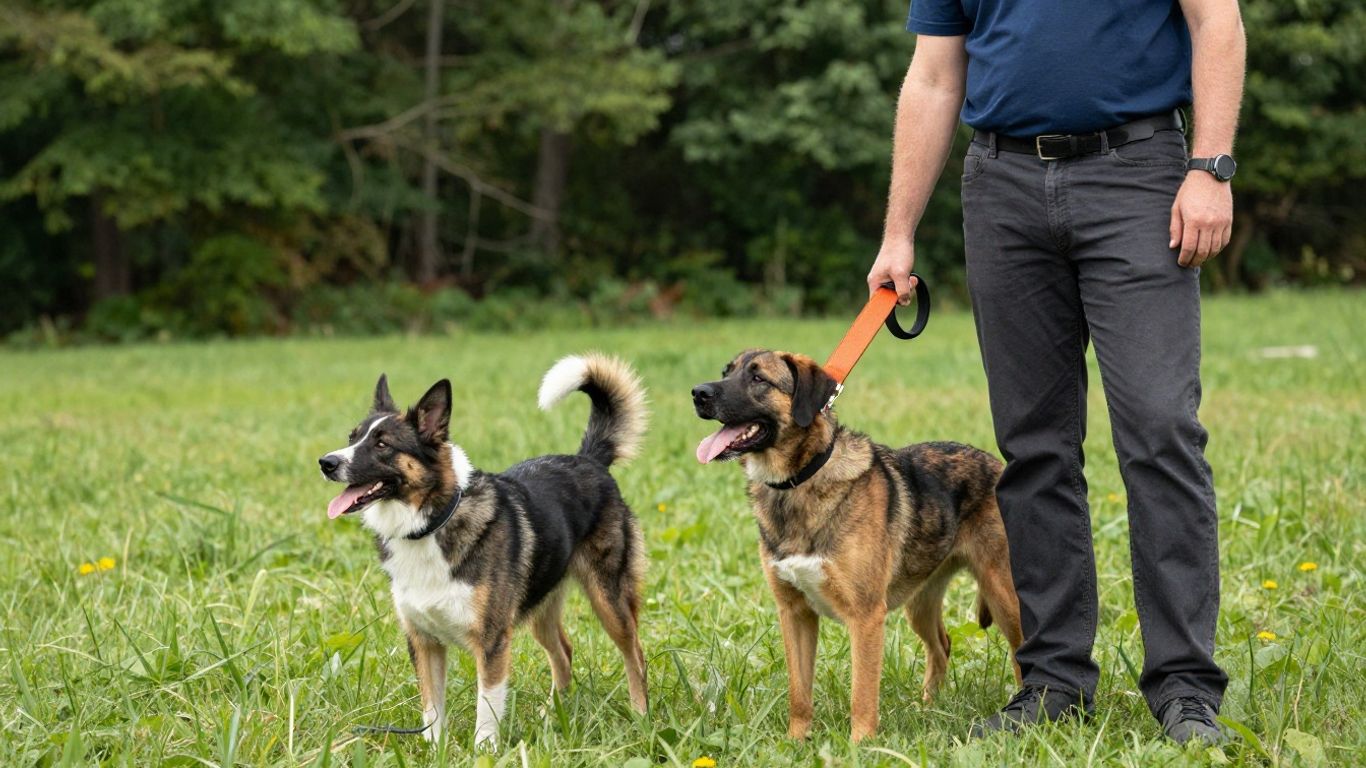
Balanced training focuses on clear communication rather than purely reward-based or punishment-based systems. It utilizes markers and structured consequences to define boundaries for your dog. This methodology is particularly effective for high-stakes behavioral cases because it provides the animal with a concrete understanding of expected behavior.
The role of NePoPo in behavior modification
The NePoPo method creates a framework where the dog learns through motivation, markers, and consistent consequences. This scientific approach ensures that your dog understands exactly what is requested of them. By offering clear guidance, the system reduces the anxiety that often fuels aggressive tendencies in dogs who feel misunderstood.
Using clarity and structure to reduce canine stress
Dogs are significantly less stressed when they understand their place in the household hierarchy. When a dog knows that you are in control of their environment, they stop feeling the need to make defensive decisions. This structure, provided during an immersive program, helps dogs relax into a cooperative state of mind.
Why balanced communication provides more reliable results than positive only methods
Purely positive methods often fail to address deep-seated behavioral issues because they lack the ability to correct unwanted actions definitively. Balanced communication allows you to reward the good and clearly navigate away from the bad. You can learn more about this philosophy through K9 Summit Training resources, which highlight why this approach builds lasting, reliable obedience.
The limitations of home based training for aggression
Home environments are often saturated with existing habits and emotional stressors. When you work with your dog in the place where the behavior developed, the dog often reverts to familiar, unproductive patterns. It is very difficult for an owner to remain neutral and calm when a dog begins a high-intensity behavioral display.
Why consistency is difficult to maintain in a home environment
Maintaining a rigid routine while managing a busy household is often impossible. Small inconsistencies, such as allowing a dog to jump on furniture one day and correcting them the next, send mixed signals. This confusion prevents the animal from developing a clear understanding of the rules, essentially stalling progress.
The danger of ignoring underlying behavioral issues
Many owners hope that bad habits will simply go away as their dog matures. However, behavioral problems are rarely outgrown without intervention. Ignoring issues often leads to an escalation in intensity, making the eventual rehabilitation process significantly longer and more difficult for everyone.
Expectations versus the reality of behavioral rehabilitation
Behavioral change requires a high level of patience and emotional detachment that is hard to sustain at home. One significant decision making framework involves realizing that the process needs a professional environment to yield meaningful results. Understanding these limitations is not an admission of failure but a step toward providing your dog with better care.
How a board and train program changes your dog
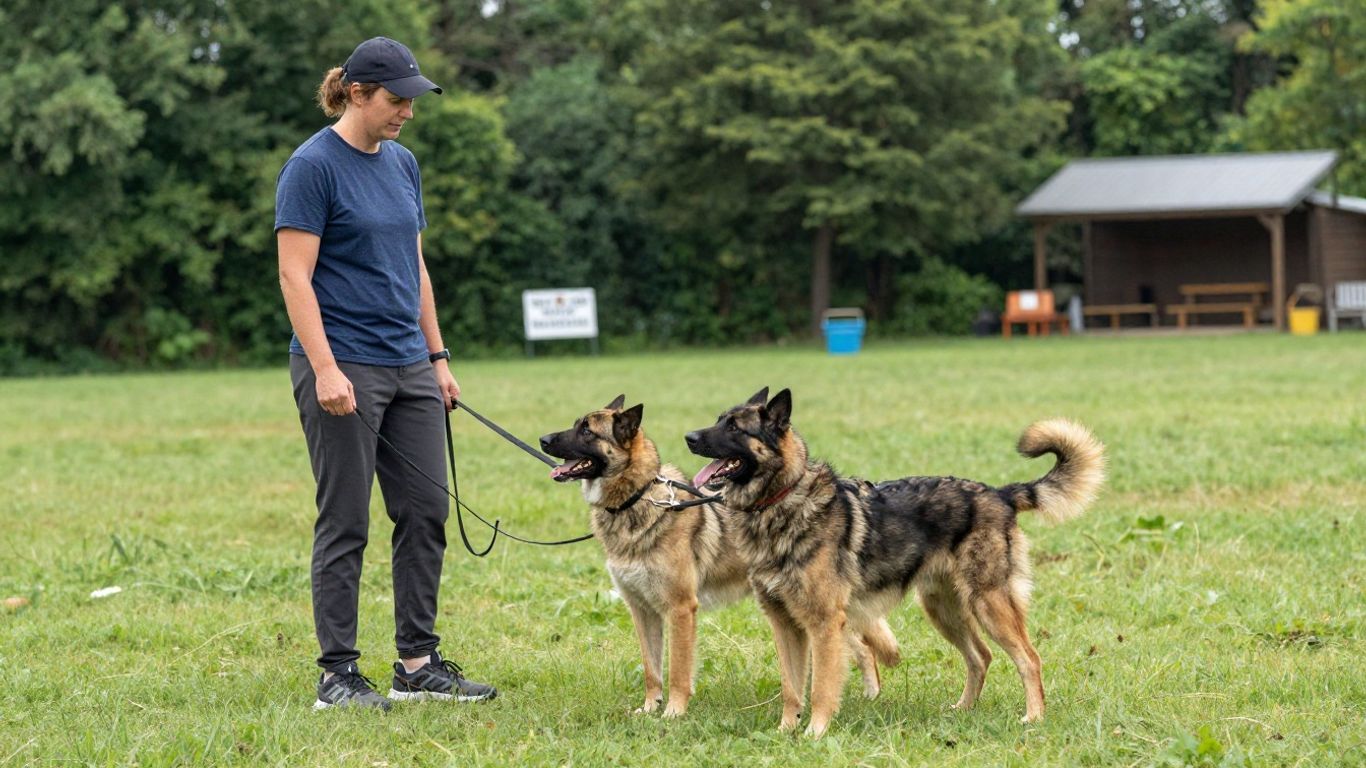
Immersive programs remove the dog from their habitual triggers, allowing a professional trainer to reset their behavioral baseline. This intensive focus creates a foundation that you can then maintain at home. Below is a breakdown of what a structured program provides compared to occasional training lessons.
| Training Aspect | Occasional Lessons | Full Program Reset |
|---|---|---|
| Consistency | Low | High |
| Environment | Familiar | Controlled/Neutral |
| Skill Retention | Gradual | Accelerated |
| Off-Leash Reliability | Limited | Superior |
Creating a consistent foundation through professional focus
Professional attention allows trainers to capture every tiny moment of behavior, providing feedback immediately. This level of precision is what makes board and train programs effective. By replacing reactive habits with calm, engaged responses, the trainer builds a new set of reliable communication tools for the dog to follow.
Removing environmental triggers during the critical training phase
During the initial phase of rehabilitation, a dog needs a break from the stressors of their daily life. By placing the dog in a neutral boarding environment, we remove the rehearsal of unwanted behaviors. This period allows the nervous system to regulate, preparing the animal for a successful transition back home.
Building reliable off leash control in real world settings
True off-leash control comes from years of experience in varied environments. Professionals focus on building this reliability by testing obedience in real-world scenarios rather than just inside a training room. You can also explore specific Red Bank board and train options to understand how trainers achieve this consistency in local terrain.
Choosing a qualified trainer in Chattanooga
Finding the right professional is essential for the long-term success of your dog. A trainer should demonstrate not only technical skill but also a commitment to transparency. Your choice should reflect a preference for methods that prioritize clear, calm results over short-lived tricks.
What to look for in a professional dog trainer
Look for evidence of continuing education, verified testimonials, and clear explanations of their training philosophy. A legitimate professional will always be eager to describe their methodology rather than keeping it vague. For instance, Good Citizen K9 and other experts value programs that expose dogs to diverse environments to ensure generalization of skills.
Benefits of working with a veteran owned, home-based program
Working with a veteran owned business often means you are gaining access to trainers who are disciplined, honest, and dedicated to achieving concrete goals. Professionals like those at Anvil K9 Dog Training offer training grounded in a high standard of personal accountability. This commitment translates directly into the quality of care they provide for your animal.
The importance of lifelong support after training ends
You must consider how the trainer supports you once your dog returns home. Ideally, you want a trainer that offers ongoing guidance to help you navigate new challenges. This lifetime support is a mark of a professional who is invested in the long-term health and success of your partnership.
Investing in your dog with flexible options
Professional training is a significant commitment of both time and finances. It is important to view this investment as a way to reclaim your peace of mind and improve the quality of life for your entire household.
Understanding the professional training value
When you invest in a 3 Week Board and Train program, you are outsourcing the difficult heavy lifting of behavior modification to an expert. This choice allows you to skip the frustration of trial-and-error training, saving you time in the long run.
How Affirm financing makes expert training accessible
We recognize that immediate payment can sometimes be a hurdle, which is why Anvil K9 Dog Training provides options through Affirm. This financing allows you to pay over time for your 6 Week Puppy Program without the burden of high upfront costs. Accessing professional training should be a standard available to all owners who seek improvement.
Taking the first step toward a safer home environment
Your journey starts by looking at your current situation with honesty and reaching out to an expert trainer who can assess your dog needs. Whether you need a professional training guide for Hixson settings or specific help in Signal Mountain board and train facilities, the key is to take action. Making the call is the single most effective way to secure a safer, more predictable life with your dog.
Conclusion
Rehabilitating an aggressive dog requires patience and correct application of professional guidance. By choosing a balanced training program that matches your dog age and specific needs, you provide the structure necessary for lasting behavioral changes. Focus on consistency and choose a local trainer that supports you until your dog reaches a state of calm confidence, ensuring a peaceful future for your entire family.
Frequently Asked Questions
What is the primary difference between reactivity and aggression?
Reactivity is usually a visible, loud, or over-the-top reaction to a trigger caused by lack of impulse control, whereas aggression often stems from a deeper instinctual need to protect or warn off another entity through hostile intent.
Can older dogs truly be rehabilitated from aggressive tendencies?
Yes, older dogs are fully capable of behavioral modification, although the habit history is longer and may require a more structured, intensive program to break existing patterns successfully.
How long does it usually take to see improvements?
Improvements often start occurring within the first few days of professional intervention, but lasting behavioral health depends on the consistency of the owner maintaining the structure after the initial program completes.
Is e-collar training safe for an aggressive dog?
When used correctly by a certified professional as part of a balanced communication system, e-collar technology acts as a precise communication tool rather than a source of harm to the dog.
Why do behaviors sometimes get worse before they get better?
This is known as an extinction burst, where a dog tries harder to perform a behavior that previously worked for them because you have implemented a new, firm boundary.
Can my dog interact with other pets after training?
Most dogs show significant social improvement after training, but individual results vary, and it is crucial to follow the guidance of your trainer during the reintroduction phase.
What should I do if my dog lunges during a walk?
Stay calm, shorten the leash to control the environment, and focus on moving your dog away from the trigger before they reach a state where they are no longer listening to your commands.