
Key Takeaways
Managing a reactive dog requires clear communication and consistent boundaries. Following these principles helps owners improve their dog’s behavior and local walkability.
- Reactivity is often rooted in fear or frustration rather than malice.
- Leash tension and high-stress environments frequently exacerbate reactive outbursts.
- Balanced training ensures that communication is fair and reliable for the dog.
- Professional programs like the 3 Week Board and Train provide necessary structure for behavioral growth.
- Consistent application of rules in local Chattanooga environments builds long-term reliability.
Understanding leash reactivity
When your dog lunges or barks at the sight of another dog or person, you are witnessing leash reactivity. Effective leash reactive dog training chattanooga begins by identifying the underlying trigger which may vary from excitement to defensive behavior. Owners often find that their own stress levels heighten during walks, which creates a negative feedback loop that feeds into the dog’s existing anxiety.
What causes leash reactivity in dogs
Reactivity stems from a dog’s inability to cope with specific environmental stimuli while attached to a leash. This physical restriction prevents the dog from utilizing their natural flight response, leaving them with limited options when feeling overwhelmed. Many dogs develop these behaviors due to a lack of early socialization or insufficient exposure to varying environments, leading them to perceive ordinary sights and sounds as threats.
Distinguishing between fear, frustration, and aggression
It is important to determine why your dog is reacting to ensure you choose the right management strategy. A dog acting out of frustration might be friendly but unable to reach its goal, while a fearful dog is actively trying to create distance from a perceived threat. Aggression, though less common, involves a deep-seated intent to cause harm that requires immediate and specific intervention to keep everyone safe. Understanding these nuances helps owners prioritize the well-being of their pets.
Why body language is the first line of defense
Your dog is constantly communicating their internal state long before an explosion occurs. Watching for subtle cues like stiffening muscles, tail carriage, or a fixed gaze helps you identify a rising threshold. Acting on these signals allows you to redirect your dog before they hit the point of no return, effectively making The Numbers Were Right. The Decision Was Wrong the guiding principle when choosing how to manage and address your dog’s behavioral needs.
Common mistakes when managing reactive dogs
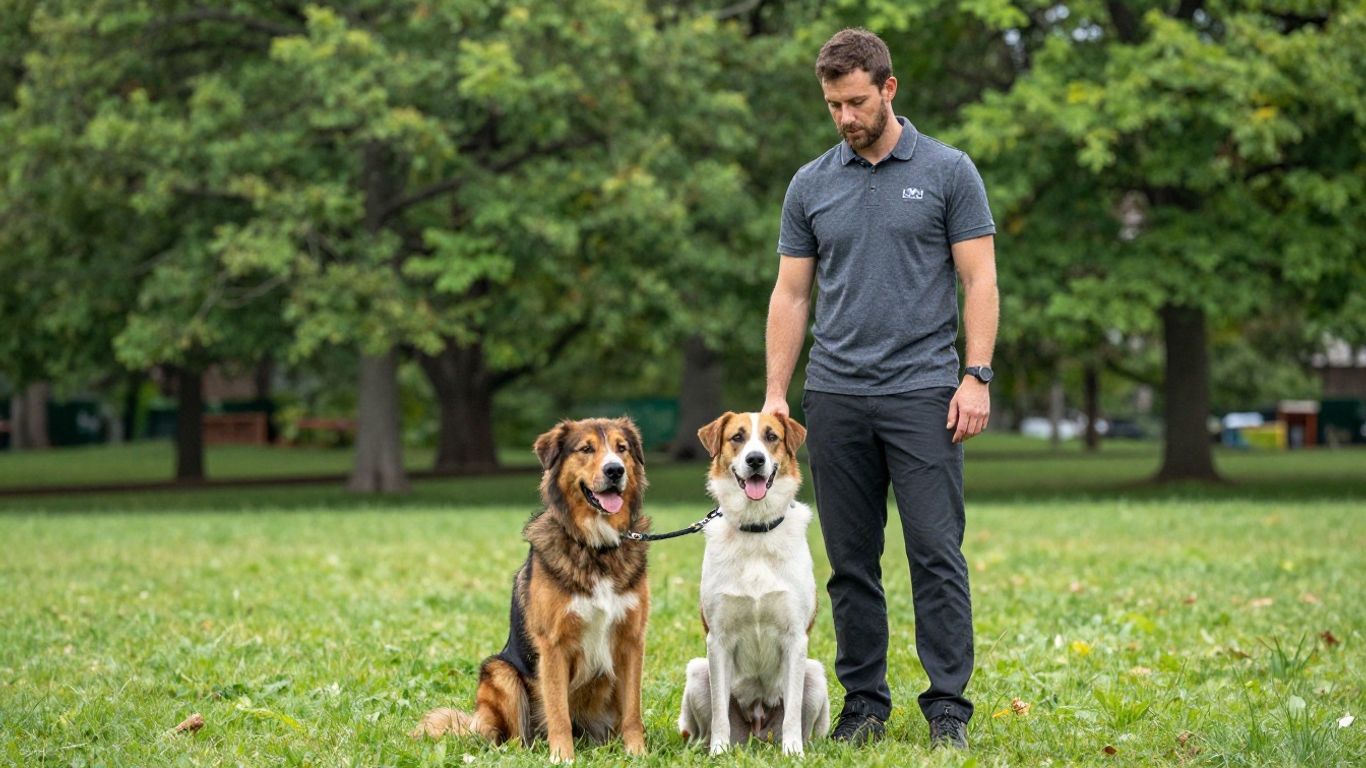
Many owners accidentally make leash reactivity worse by trying to force their dogs into situations they are not prepared to handle. Misidentifying the dog’s struggle leads to ineffective solutions that frustrate both the handler and the animal. A more structured approach ensures you avoid these common pitfalls while building a more stable dynamic between you and your dog.
Over-socializing dogs in high-stress environments
Many owners mistakenly believe that forcing their reactive dogs to interact with others will cure their behavior. In reality, constant exposure to overwhelming sights at dog parks or busy trails often reinforces the dog’s belief that those environments are dangerous or hyper-stimulating. You can better categorize common pitfalls in the following table to understand where improvements are needed.
| Common Mistake | Consequence for Dog | Impact on Training |
|---|---|---|
| Forced socialization | Increased fear response | Delayed behavior modification |
| Ignoring triggers | Repeated barrier frustration | Hardened bad habits |
| Lack of structure | Unstable emotional state | Reduced handler credibility |
How leash tension contributes to reactive behavior
When you pull back on the lead, you are inadvertently signaling to your dog that the thing they are staring at is worth worrying about. This physical tension travels directly down the leash and can heighten your dog’s arousal, making it nearly impossible to regain their focus. This is why a9b1 serves as a key resource for those seeking a more balanced, local approach to leash management in our region.
The risk of delayed professional intervention
Waiting until a situation becomes unmanageable often complicates the path to recovery. Behavioral issues become deeply entrenched when a dog practices them daily without meaningful consequence or guidance. You might consider the following steps to evaluate the need for help:
- The dog’s behavior has become dangerous to handle or manage.
- Your own life or outdoor activities have become restricted due to fear.
- Traditional positive-only methods have failed to address the core problem.
- You recognize that your own lack of confidence is being projected to the dog.
The importance of a balanced training approach
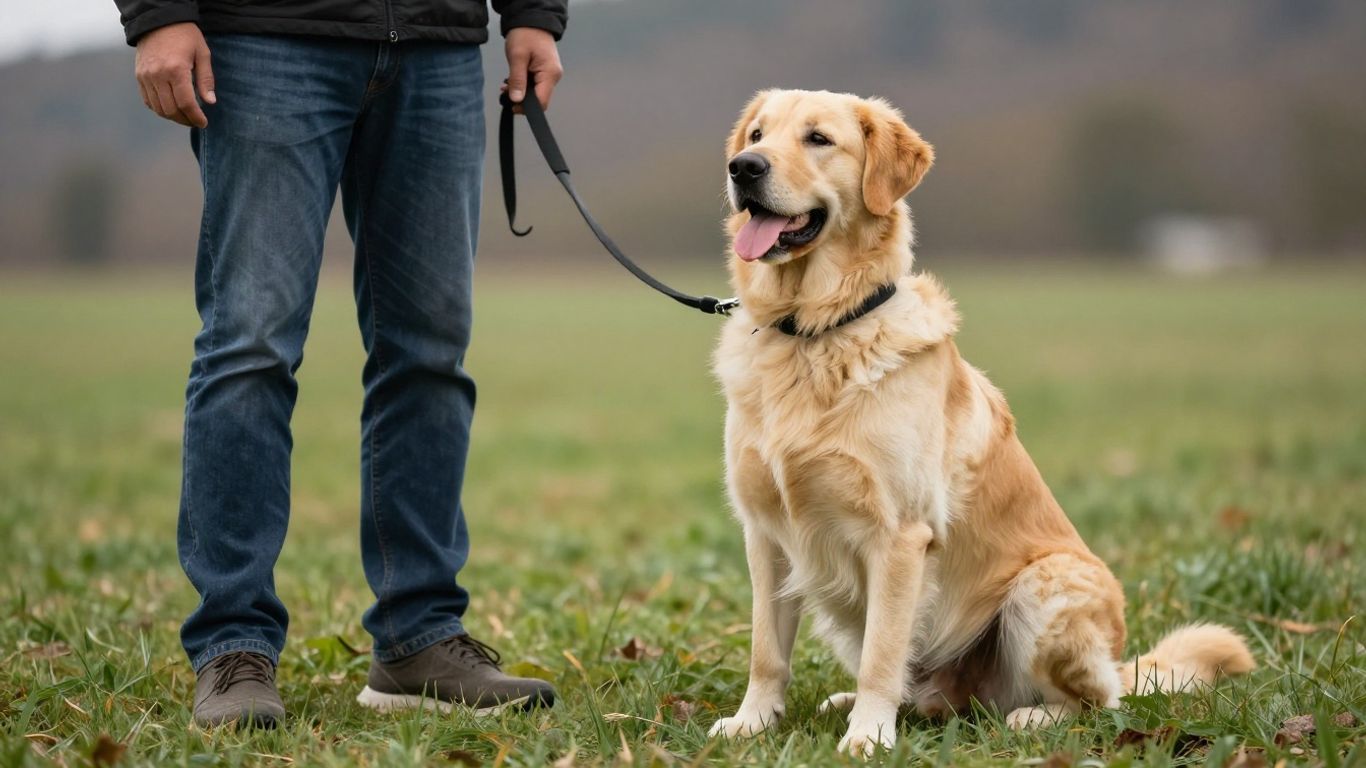
Balanced training focuses on the full communication spectrum by providing both positive motivation and clear, fair consequences for unwanted behavior. At Anvil K9, we believe that this method is the most effective way to help dogs navigate a human world without confusion or unnecessary stress. By teaching the dog where their boundaries lie, we ultimately give them more freedom to live a calm, reliable life.
Clear communication through the NePoPo method
NePoPo provides a structured system where mark and reward are paired with clear boundaries to ensure the dog understands precisely what is expected. This method removes the mystery and guesswork from training, allowing the dog to move toward success with confidence. Because the communication is binary and fair, the dog is far less likely to become anxious about making mistakes.
Why balanced training creates reliability in real-world scenarios
Purely positive models may work inside a low-distraction living room, but they often fail once a squirrel runs across the path or a loud car passes by. Balanced training prepares dogs for these real-world events by ensuring commands are non-negotiable regardless of the stimulus. This reliability is vital for local owners who want a dog that behaves well beyond the backyard.
Building handler confidence alongside dog obedience
A confident dog is often a direct reflection of a confident handler who knows exactly how to respond to bad behavior. When the owner learns to manage the leash and the dog’s emotional state, both parties feel more secure while out in public. This shared confidence is exactly what f2f6 promotes, as it emphasizes the necessity of turning around a reactive mindset through structured, expert-led guidance.
Real-world training for active lifestyles in Chattanooga
Chattanooga offers a wealth of beautiful trails and parks, but these locations are filled with distractions that test even the best-trained dogs. Training needs to reflect the environment where the dog actually lives, rather than mimicking a sterile obedience ring setting. Applying techniques in local spaces ensures the training sticks when you are out together in the community.
Applying training in local environments like Hixson and Signal Mountain
Training needs to be generalized so your dog understands that the rules of the house also apply to a hike on the mountain. By practicing in the areas where you live and play, you reinforce that the training carries over into every facet of the dog’s life. This consistency prevents the dog from compartmentalizing obedience to just one location.
Maintaining consistency with training expectations
Consistency is the bedrock of all behavioral improvement, especially when your dog is struggling with distractions. If you allow the dog to pull on the leash today but punish the behavior tomorrow, you are only creating more confusion. Maintaining the same standards of conduct throughout every day is the only way to facilitate true behavioral change.
Managing realistic goals for your dog’s off-leash potential
While every owner dreams of a perfectly reliable off-leash companion, this status is earned through thousands of repetitions in varied environments. It is a long-term goal that requires proofing over months, not just days. You must be realistic about where your dog is and commit to the process required to reach the pinnacle of true off-leash freedom.
Professional solutions for lasting behavior change
Professional training bridges the gap between frustration and freedom for owners struggling with reactive behavior. Bringing in an expert allows you to correct ingrained habits while ensuring the human side of the team receives the education necessary to maintain those results for the long term.
Addressing reactivity through the 3 week board and train program
The 3 Week Board and Train program is specifically designed to provide the intensity required for complex behavioral modification. During this time, the dog lives with the trainer, ensuring around-the-clock consistency that would be difficult to achieve in a private lesson setting. This foundation establishes a new standard for conduct that the owner can then sustain using our provided support.
Defining the role of the trainer in behavioral modification
A professional trainer serves as a translator, teaching the dog how to process the world in a way that aligns with human lifestyle needs and safety. The goal is not just to fix the behavior, but to build a foundation that creates a calmer, more predictable companion. Jake Mumford at Anvil K9 brings years of experience to ensure every dog receives the individual attention required for their specific behavioral needs.
Making professional training accessible with Affirm financing options
Investing in professional dog training should not be hindered by the need to pay in full upfront. We offer accessible payment plans through Affirm to help you budget for the education your dog deserves without excessive stress. Getting the right care for your pet is an investment in your peace of mind and the long-term enjoyment of your companion relationship.
Conclusion
Addressing leash reactivity in Chattanooga is not about finding a quick fix, but rather committing to a professional, balanced approach that sets clear expectations for your dog. By focusing on consistency, real-world application, and skilled instruction, you can transform your daily walk from a source of anxiety into a peaceful experience for you both.
Frequently Asked Questions
Is leash reactivity the same as aggression?
No, leash reactivity and aggression are distinct behaviors, though they can overlap. Reactivity is often a response to frustration or fear when a dog feels confined on a leash, whereas true aggression is generally driven by an intent to threaten or harm.
Can older dogs be trained to overcome reactivity?
Yes, even older dogs can learn new behavioral patterns with the right approach. While habits may have been ingrained for years, consistent, structured training can significantly improve their responsiveness and emotional control regardless of their age.
How long does it usually take to see improvements in reactivity?
Improvement depends on the severity of the behavior and the consistency of the training applied. Most owners see initial progress within a few weeks of professional-led, structured intervention, though building total reliability takes ongoing dedication from the handler.
Should I avoid all walks if my dog is reactive?
Complete avoidance can sometimes hinder social confidence, but you should avoid environments where it is impossible to maintain safe distances. Short, structured walks in quiet areas are often better than long walks in busy places where your dog is repeatedly triggered.
How does environment impact a dog’s behavior?
Distractions like traffic, wildlife, and high foot traffic can raise a dog’s arousal levels quickly. A dog that is capable of calmness in the backyard may feel overwhelmed in public, which is why training in real-world local environments is so effective.
What should I do when my dog lunges at another dog?
Avoid pulling back abruptly on the leash as this can increase your dog’s tension. Instead, try to create distance quickly while keeping the lead steady and focusing the dog on you through pre-established commands before the arousal level peaks.
Why is focus and recall so important for reactive dogs?
Focus and recall help you navigate difficult situations by giving you a way to pull the dog out of a reactive state. If you can break the dog’s focus on the trigger and redirect them toward you, you regain control of the interaction and keep the environment safe for everyone.