
Tennessee summers can get seriously hot, and our dogs feel it too. Keeping them safe and comfortable when the temperatures climb is super important. If you’re wondering about preparing your dog for hot Tennessee summers, you’ve come to the right place. We’ve put together some straightforward tips to help your furry pal beat the heat and enjoy the season without any problems.
Key Takeaways
- Watch for signs of heatstroke like heavy panting, drooling, and lethargy.
- Always make sure your dog has fresh, cool water available, especially when it’s warm.
- Plan outdoor activities for the coolest parts of the day and avoid hot pavement.
- Use cooling mats, fans, or safe water play to help your dog cool down.
- Adjust grooming and provide sun protection for your dog’s skin during summer months.
Understanding Heat Risks for Dogs
Recognizing Signs of Heatstroke
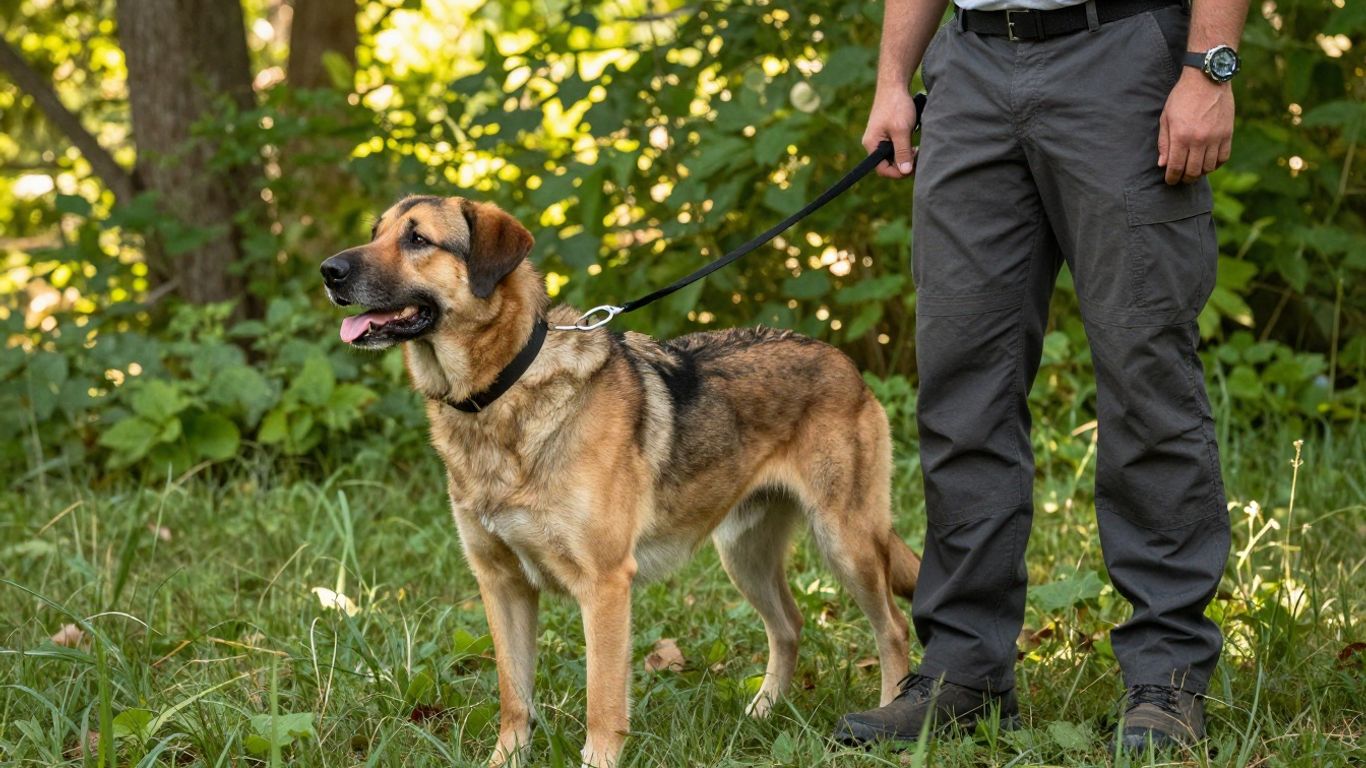
Dogs can’t sweat like we do, so they rely on panting to cool down. When it gets too hot, this system can get overwhelmed. Watch for these signs that your dog might be overheating. Excessive panting, heavy drooling, and gums that look brighter red than usual are early indicators. You might also notice your dog seems lethargic, disoriented, or is having trouble breathing. If you see any of these, it’s time to act fast.
Identifying High-Risk Factors
Some dogs are more prone to heat issues than others. Brachycephalic breeds, like Pugs and Bulldogs, have shorter snouts which makes breathing harder, especially when it’s hot. Older dogs, puppies, overweight dogs, and those with existing heart or lung conditions are also at higher risk. Dogs with thick, dark coats can also overheat more quickly. If your dog falls into any of these categories, you need to be extra careful during warm weather.
Tennessee’s Unique Summer Challenges
Tennessee summers are no joke. We get high temperatures combined with high humidity, which makes it feel even hotter and puts extra strain on your dog’s cooling system. The pavement can get incredibly hot, too, posing a burn risk to paws. It’s not just about the temperature; it’s the combination of heat and moisture that makes it so tough on our canine friends. Being aware of these specific conditions helps you plan better.
Tennessee’s summer weather demands extra attention for your dog’s safety. High humidity combined with high temperatures creates a dangerous environment. Always consider the pavement temperature, as it can cause severe burns to your dog’s paws very quickly.
Hydration Strategies for Hot Weather
Keeping your dog hydrated is non-negotiable when the Tennessee heat kicks in. Dogs can’t sweat like we do, so they rely on panting to cool down. This process uses up a lot of water. Making sure your dog has constant access to fresh, cool water is the first step. Think of it like this: dehydration can sneak up on them fast, and it’s a serious problem.
Ensuring Constant Access to Fresh Water
This means more than just a bowl sitting out. You need to check that bowl frequently. Is it clean? Is it full? Dogs can be messy, and bowls can get knocked over or filled with debris. For dogs spending time outside, consider a heavier bowl that’s harder to tip. If you have multiple dogs, make sure there are enough bowls so no one is competing for water. A dog that’s constantly thirsty is a dog that’s already behind on hydration.
Portable Water Solutions for Outings
When you head out for walks or trips, even short ones, bring water. A collapsible bowl and a bottle of water are easy to pack. Many pet stores sell water bottles with built-in dispensers, which are super convenient. Don’t rely on finding water sources when you’re out; they might be dirty or inaccessible. For longer hikes or park visits, carry more water than you think you’ll need. This is especially important if you’re considering training your dog, as consistent training requires energy and hydration. If you’re struggling with your dog’s behavior, especially in distracting environments, our 3 Week Board and Train program can help build reliable obedience.
Adding Moisture to Food
Another way to boost your dog’s fluid intake is by adding water or low-sodium broth to their food. This is a simple trick that can make a difference, especially for dogs who aren’t big drinkers. You can also add wet food to their diet, or mix a bit of water into their kibble. Just be mindful of portion sizes if you’re adding extra liquid or wet food to avoid overfeeding. Some dogs might need a little extra encouragement to drink, and this can be a good way to get fluids into them without a fuss.
Safe Outdoor Activity Planning
When the Tennessee sun really starts beating down, you need to be smart about when and where you take your dog outside. It’s not just about avoiding the heat; it’s about keeping your dog safe and comfortable.
Timing Walks for Cooler Hours
The hottest part of the day is generally from late morning through late afternoon. Trying to squeeze in a walk during these times is a recipe for trouble. Instead, aim for the cooler parts of the day. Early mornings, right after sunrise, are usually the best. The air is cooler, and the pavement hasn’t had a chance to heat up yet. Another good option is late in the evening, after the sun has gone down and things have had time to cool off. Even then, it’s wise to check the temperature. If it still feels hot and sticky, a long walk might not be the best idea.
- Early morning walks (before 8 AM)
- Late evening walks (after 7 PM, or later if it’s still warm)
- Consider indoor activities on extremely hot days
Choosing Shaded and Cool Surfaces
Think about where you’re walking. Asphalt and concrete get incredibly hot, much hotter than the air temperature. Grass is a better option, but even that can get warm. Always try to stick to shaded areas whenever possible. If you’re out for a longer period, look for parks with plenty of trees or trails that run through wooded areas. This provides a natural buffer against the sun’s rays and keeps the ground cooler.
Recognizing Pavement Dangers
This is a big one, and it’s easy to overlook. Pavement can reach temperatures that can seriously burn your dog’s paw pads. We’re talking about burns that can be painful and take a long time to heal. A good rule of thumb is the “five-second test.” Place the back of your hand on the pavement. If you can’t hold it there comfortably for five seconds, it’s too hot for your dog’s paws. This is why sticking to grass or dirt paths is so important, especially during the peak heat of the day. If you must walk on pavement, try to do it during those cooler morning or evening hours. For dogs that need more consistent training and reliable obedience, especially off-leash, consider programs like the 3 Week Board and Train for adult dogs or the 6 Week Puppy Program for younger ones. These programs focus on building a strong foundation of commands and impulse control, which can make managing your dog in various environments much easier.
Always have water available for your dog when you are outside, even on shorter walks. Dehydration can happen quickly in the heat, and it’s better to be overprepared than to have your dog suffer.
Remember, planning ahead makes a huge difference in keeping your dog happy and healthy during the hot Tennessee summer. It’s about being observant and making smart choices for their well-being.
Cooling Down Your Dog Effectively
When the Tennessee sun really starts beating down, keeping your dog cool becomes a top priority. It’s not just about comfort; it’s about their health. Overheating can happen fast, and it’s serious business. You need practical ways to help your dog beat the heat.
Utilizing Cooling Mats and Vests
Cooling mats are a simple yet effective way to give your dog a break from the heat. These mats often work by using a gel or water that absorbs body heat. Just lay one down in a shady spot indoors or on a porch, and your dog has a cool surface to lie on. They don’t need to be refrigerated, which makes them super convenient. For dogs who spend more time outdoors or need extra help, consider a cooling vest. These vests are soaked in water and then wrung out. As the water evaporates, it cools your dog down. Make sure the vest fits properly so it doesn’t restrict movement or breathing.
Providing Access to Shade and Fans
This might seem obvious, but it’s worth repeating: shade is your dog’s best friend on hot days. If your dog is outside, even for short periods, they absolutely must have access to a shaded area. This could be a covered porch, a sturdy umbrella, or a dog house that’s placed in a shaded spot. Remember that the sun moves, so a spot that’s shaded in the morning might be in direct sun by the afternoon. Keep an eye on this. Indoors, if you don’t have air conditioning, fans can help circulate air and make it feel cooler. While fans don’t lower the actual temperature, the airflow can help your dog’s body cool itself through evaporation. Placing a damp towel in front of a fan can add a bit of evaporative cooling, too.
Safe Water Play Options
Water is a fantastic way to cool down, but you need to be smart about it. A kiddie pool in the yard can be a great way for your dog to splash around and cool off. Just make sure it’s shallow enough for them to get in and out easily and that it’s always in a shaded area. Never leave your dog unsupervised around water, no matter how shallow. For dogs who love to swim, taking them to a dog-friendly lake or river can be a good option, but always check water quality and be aware of currents. Avoid letting your dog drink stagnant water. If you’re looking for places to explore with your dog where water might be available, consider some of the great off-leash hiking spots near Chattanooga. Reliable off-leash control is key for these adventures, and professional training can help ensure your dog’s obedience.
Remember that even with these cooling methods, you still need to watch your dog closely for signs of overheating. Panting excessively, drooling heavily, lethargy, and bright red gums are all red flags. If you see these, it’s time to stop the activity and cool your dog down immediately.
If you’re struggling to manage your dog’s behavior or need help with reliable obedience, especially for outdoor activities, consider professional training. Anvil K9 offers a 3 Week Board and Train program for adult dogs (16+ weeks) and a 6 Week Puppy Program for puppies (12+ weeks) designed to build confidence and reliability in real-world situations. We are a veteran owned business serving the Chattanooga area, and Affirm financing is available.
Grooming and Coat Care for Summer
Keeping your dog comfortable during hot Tennessee summers involves more than just water and shade. Their coat plays a big role, and how you manage it can make a real difference. It’s not always about shaving them down completely, though. Sometimes, the right grooming can actually help keep them cooler and protect their skin.
Appropriate Coat Lengths
For most dogs, a full shave isn’t the best idea. Their coat actually acts as insulation, protecting them from both heat and sunburn. For double-coated breeds like Huskies or German Shepherds, shaving can disrupt their natural cooling system and lead to skin issues. Instead, focus on managing the undercoat. A good rule of thumb is to keep their coat at a length that allows air to circulate but still provides some protection. For breeds with shorter, single coats, a trim might be beneficial if they tend to overheat easily, but always leave enough length to shield their skin.
Regular Brushing to Prevent Matting
This is where the real work happens. Mats trap heat and prevent air from reaching the skin, making your dog feel even hotter. Plus, they can be painful and lead to skin infections. Brushing needs to be more frequent in the summer, especially for dogs with longer or thicker fur. Aim for daily brushing if possible, or at least several times a week. Get down to the skin to ensure you’re removing loose undercoat and preventing tangles before they become serious mats. This is especially important after swimming or playing in humid conditions. If you’re finding it tough to keep up, consider professional grooming. For dogs needing serious help with behavioral issues or obedience, Anvil K9 offers programs like the 3 Week Board and Train for adult dogs.
Sun Protection for Exposed Skin
Even with a proper coat, some areas are more vulnerable to sunburn. Think about the tips of their ears, their nose, and any areas where the fur is thin or they have bald spots. These areas can get a nasty sunburn, which is not only painful but also increases the risk of skin cancer. You can use a pet-specific sunscreen on these spots. Look for formulas that are zinc oxide and PABA free, as these can be toxic to dogs if ingested. Apply it about 15-30 minutes before going out in the sun. If your dog has a very short coat or is light-colored, they might need protection all over. Remember, even on cloudy days, UV rays can penetrate, so be mindful.
Managing your dog’s coat properly during the summer is a key part of preventing heat-related problems. It requires consistent effort and understanding of your dog’s specific coat type and needs. Don’t underestimate the power of a good brush and a little extra attention to vulnerable spots.
Recognizing and Responding to Emergencies
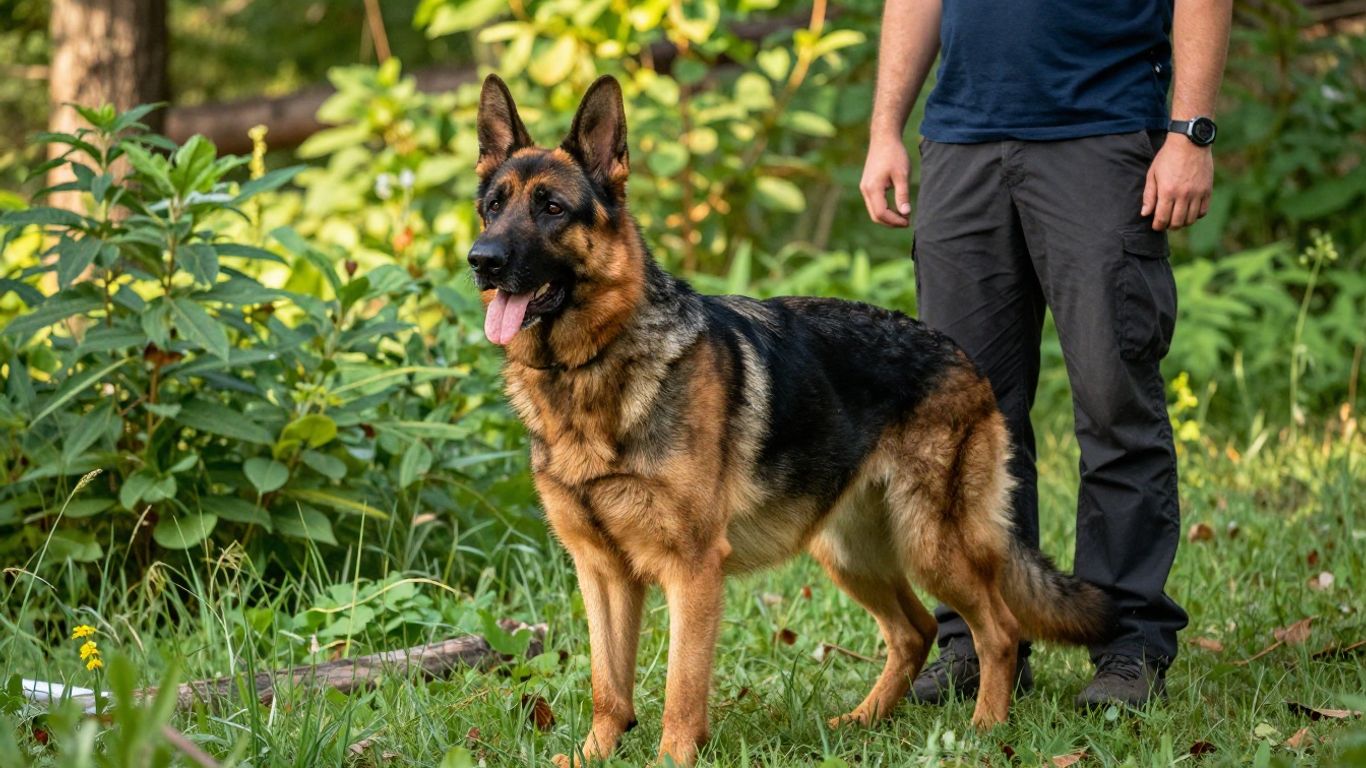
Even with the best preparation, things can go wrong when it’s hot. Knowing the signs of heat exhaustion and heatstroke in your dog is vital. These aren’t just minor issues; they can become serious very quickly. Immediate action is key to a positive outcome.
Immediate Actions for Heat Exhaustion
If you suspect your dog is suffering from heat exhaustion, which is a precursor to heatstroke, you need to act fast. The goal is to cool your dog down safely and prevent their condition from worsening.
- Move your dog to a cooler environment immediately. Get them into an air-conditioned room, a shaded area, or at least out of direct sunlight.
- Offer small amounts of cool (not ice cold) water. Don’t force them to drink. If they are panting heavily or seem disoriented, they might not be able to swallow properly.
- Apply cool water to their body. Focus on their belly, groin, and paw pads. You can use a wet towel or a hose on a gentle setting. Avoid covering them completely with a wet towel, as this can trap heat.
- Do not use ice or ice water. This can cause blood vessels to constrict, slowing down the cooling process and potentially leading to shock.
When to Seek Veterinary Care
While you can manage mild heat exhaustion at home, there are times when a trip to the vet is non-negotiable. If your dog’s condition doesn’t improve rapidly with your cooling efforts, or if they show any of the following signs, get them to a veterinarian right away:
- Excessive panting that doesn’t stop
- Drooling heavily
- Red or pale gums
- Vomiting or diarrhea (especially if bloody)
- Lethargy or weakness
- Dizziness or staggering
- Collapse or loss of consciousness
- Seizures
These are indicators that your dog may have progressed to heatstroke, a life-threatening condition that requires professional medical attention. The sooner they receive treatment, the better their chances of recovery. For serious obedience issues that might make a dog harder to manage in emergencies, consider professional training like the 3 Week Board and Train program.
Preventative Measures for Peace of Mind
An ounce of prevention is worth a pound of cure, especially when it comes to your dog’s health in the summer heat. Sticking to a routine that prioritizes safety can save you a lot of worry.
- Always provide access to fresh, cool water, especially when you’re out and about. Carrying a portable water bowl is a good idea.
- Schedule walks for the coolest parts of the day, typically early morning and late evening.
- Never leave your dog in a parked car, not even for a few minutes. The temperature inside can rise to dangerous levels very quickly.
- Be mindful of surfaces. Hot pavement can burn paw pads. If it’s too hot for your hand, it’s too hot for your dog’s feet.
If you’re struggling with your dog’s recall or general obedience, especially in distracting environments, professional guidance can make a significant difference. Programs like the 6 Week Puppy Program or the 3 Week Program at Anvil K9 are designed to build reliable behavior, giving you peace of mind in all situations.
Emergencies with pets can happen fast. Knowing what to do can make a big difference. Our website has tips on how to handle unexpected situations with your dog. Visit us online to learn more and be prepared.
Stay Cool and Safe This Summer
Look, summer in Tennessee can get pretty rough with the heat. Keeping your dog safe means being prepared. Remember to watch for signs of overheating, always have fresh water handy, and know when to stay inside. If you’re finding that basic obedience or dealing with summer-specific issues is becoming a real challenge, Anvil K9 Dog Training in Chattanooga can help. They offer a 3 Week Program for adult dogs and a 6 Week Puppy Program, using balanced training for reliable results. It’s veteran owned and you can check out financing options through Affirm. Visit anvilk9.com/board-and-train-chattanooga or anvilk9.com/contact to learn more. Your dog will thank you for it.
Frequently Asked Questions
What are the main dangers of heat for dogs in Tennessee?
Tennessee summers can get really hot, and dogs can overheat easily. This can lead to heatstroke, which is a serious and dangerous condition where their body temperature gets too high. Dogs can’t sweat like we do, so they rely on panting to cool down. When it’s too hot, panting might not be enough, and their internal temperature can rise to dangerous levels, causing organ damage or even death.
How can I tell if my dog is overheating?
Watch out for signs like excessive panting, drooling a lot, bright red gums or tongue, and acting tired or dizzy. If your dog seems confused, has trouble walking, or starts vomiting, these are serious signs. In severe cases, they might collapse or have seizures. It’s important to act fast if you see any of these symptoms.
What’s the best way to keep my dog hydrated in hot weather?
Always make sure your dog has plenty of fresh, cool water available. If you’re going on a walk or a trip, bring a portable water bowl and a bottle of water for them. You can also add a little water to their dry food to give them extra moisture. Ice cubes in their water bowl can also be a refreshing treat.
When is the safest time to walk my dog during a hot Tennessee summer?
The best times to walk your dog are early in the morning before it gets too hot, or late in the evening after the sun has gone down and the pavement has cooled off. Midday heat can be dangerous. Always check the pavement with your hand; if it’s too hot for you to hold your hand there for five seconds, it’s too hot for your dog’s paws.
Are there any specific grooming tips for dogs in the summer?
Yes, keeping your dog’s coat in good shape helps them stay cool. Regular brushing removes loose fur and prevents mats, which can trap heat. For some breeds, a trim might be helpful, but be careful not to cut the coat too short, as their fur also provides some protection from the sun. For dogs with light skin or thin fur, especially on their ears and nose, consider using a pet-safe sunscreen.
What should I do if I suspect my dog has heatstroke?
If you think your dog is suffering from heatstroke, move them to a cool, shaded area immediately. Offer them small amounts of cool (not ice cold) water. You can gently wet their body with cool water, focusing on their belly, paws, and neck. Do not force them to drink. Call your veterinarian right away, even if they seem to be recovering, as internal damage can still occur. For reliable obedience and calm behavior, especially in challenging situations, consider professional training. Anvil K9 Dog Training in Chattanooga offers programs like the 3 Week Program for adult dogs and the 6 Week Puppy Program, using balanced training methods. They offer financing through Affirm and are veteran owned. Visit anvilk9.com/board-and-train-chattanooga or anvilk9.com/contact, or call 423-290-7584.