
Bringing a new dog into a home with an existing dog can be a bit tricky. You want everyone to get along, right? It’s not always as simple as just letting them meet and hoping for the best. There’s a bit of planning and a step-by-step approach that makes a big difference in how well they bond. This guide will walk you through how to introduce a new dog to your resident dog, making the transition smoother for everyone involved, including you!
Key Takeaways
- Always introduce dogs in a neutral spot, not your home turf.
- Keep initial meetings short and positive, then gradually increase time together.
- Supervise interactions closely, especially during the first few days and around resources.
- Maintain separate routines for feeding and provide individual attention to each dog.
- Watch their body language for signs of stress or aggression and reward calm behavior.
Preparing For The Introduction
Bringing a new dog into a home with an existing dog is a big step. It requires careful planning to make sure everyone stays safe and happy. This isn’t a time to wing it; you need a solid plan.
Assess Both Dogs’ Temperaments
Before the new dog even arrives, take a hard look at both dogs involved. What’s the resident dog’s history? Are they generally good with other dogs, or do they tend to be territorial or reactive? Understanding their baseline behavior is key. For the incoming dog, what’s their background? Were they in a shelter, a foster home, or coming from a previous owner? Knowing their past experiences can give you clues about how they might react. Anvil K9 believes that understanding each dog’s individual personality and history is the first step to a successful introduction. If you’re unsure about your current dog’s temperament or how they might handle a new companion, it might be worth looking into professional guidance. For instance, the 3 Week Program at Anvil K9 is designed for adult dogs and can help establish clear boundaries and obedience, making them more prepared for a new addition.
Establish Boundaries Before Arrival
It’s smart to set some ground rules before the new dog walks through the door. This means deciding where each dog will sleep, eat, and spend their downtime. Think about furniture access – will both dogs be allowed on the couch, or just one? What about toys and high-value chews? It’s best to manage these items carefully, especially in the beginning. You want to prevent any potential conflicts before they even have a chance to start. This proactive approach helps create a sense of order and predictability for both animals.
Create Separate Spaces
When the new dog arrives, they need their own safe haven. This could be a crate, a separate room, or a specific area of the house that the resident dog doesn’t have full access to. This space is where the new dog can retreat, eat, and sleep without feeling threatened or overwhelmed. It’s also a good idea to have a separate space for your resident dog, especially if they tend to get stressed by new situations. This ensures that both dogs have a place where they can feel secure and relax. Having these designated areas is part of setting up a structured environment, which is something Anvil K9 emphasizes in their training programs.
Setting up separate spaces isn’t about keeping the dogs apart forever. It’s about giving them a secure base from which they can gradually learn to coexist. It reduces pressure on both dogs and allows them to decompress.
Here’s a quick checklist for setting up these spaces:
- New Dog’s Space: A crate, gated room, or dog bed in a quiet area.
- Resident Dog’s Space: Ensure their favorite resting spots are still exclusively theirs initially.
- Resource Management: Plan how you’ll handle food bowls, toys, and high-value treats to avoid competition.
The First Meeting
Okay, so you’ve done the prep work. Both dogs are as ready as they can be, and you’ve set up separate spaces. Now comes the moment of truth: the first meeting. This is where things can either go smoothly or get a little hairy, so paying attention to the details is pretty important.
Neutral Territory is Key
The absolute best place for your dogs to meet for the first time is somewhere neither of them considers their territory. Think of it like this: if you were meeting someone for the first time, you wouldn’t want to do it in your own house where you might feel defensive, right? Same idea for dogs. Their home turf is their safe space, and introducing a new dog there right away can make the resident dog feel like their space is being invaded. This can lead to unnecessary tension or aggression.
So, where is neutral territory? A park that neither dog frequents, a quiet street, or even a friend’s yard can work. The goal is to have both dogs be equally ‘new’ to the environment. This helps them focus on each other and the experience, rather than feeling the need to defend their home turf. If you’re picking up a new dog from a shelter or breeder, consider having your resident dog come along for that trip. This can help them see the new dog as part of a shared experience from the get-go, rather than an intruder arriving unannounced. It’s a small step, but it can make a difference in how they perceive each other later on.
Keep It Brief and Positive
When you first introduce them, keep the encounter short. We’re talking five to ten minutes, tops. The goal isn’t to become best friends instantly, but just to have a calm, uneventful first interaction. Let them sniff each other, maybe walk side-by-side for a bit, but don’t force any prolonged interaction. If things seem relaxed, great. If you notice any signs of stress or tension, it’s time to end the meeting. You can always try again later. Pushing it too long when things are tense will only make matters worse.
Think of this first meeting as a handshake. You don’t need to have a deep conversation right away. Just a polite acknowledgment is enough. The idea is to create a positive first impression. If the meeting goes well, you can follow up with another short, controlled meeting later that day or the next. If it doesn’t go perfectly, don’t panic. It’s just the first step, and there will be other opportunities.
Leash Management During Introductions
This is where a lot of people get tripped up. Both dogs should be on leashes for the initial meeting. This gives you control and prevents any unwanted chasing or lunging. However, how you manage those leashes is important. Don’t keep the leashes tight and tense, as this tension can transfer to the dogs. Try to keep a loose leash, allowing them some freedom to move and explore without feeling restricted. If you’re walking them side-by-side, keep a comfortable distance between them.
- Loose Leashes: Avoid holding the leash with a death grip. A relaxed handler usually means a more relaxed dog.
- Side-by-Side Walking: This is often a good way to start. It allows them to acknowledge each other without direct confrontation.
- Controlled Sniffing: Let them sniff each other’s rear ends briefly, but interrupt if it becomes too intense or prolonged.
- Watch for Stress Signals: If either dog shows signs of fear or aggression (stiff body, whale eye, growling), calmly create distance and end the meeting.
Remember, the goal here is a calm, neutral introduction. It’s not about forcing them to play or interact deeply. Think of it as a polite ‘hello’ rather than an immediate invitation to hang out. If this initial meeting goes well, you’ve laid a good foundation. If it’s a bit rocky, that’s okay too. It just means you need to take things a bit slower and more deliberately. For serious issues that might arise, consider professional help. Anvil K9 in Chattanooga offers a 3 Week Program for adult dogs and a 6 Week Puppy Program for younger dogs, designed to build solid foundations and address behavioral challenges. You can find out more at anvilk9.com/board-and-train-chattanooga/.
This first meeting is just the beginning. The real work of building a relationship happens in the days and weeks that follow. Don’t expect miracles overnight. Patience and consistency are your best friends right now.
Managing The First Few Days Together
Supervise All Interactions
This is not the time to relax. Keep a close eye on both dogs whenever they are in the same room. You need to be present to step in if things start to get tense. Watch their body language for any signs of stress or aggression. This means looking for stiffening, lip licking, whale eye, or growling. If you see these signals, calmly separate the dogs before a problem escalates. Don’t leave them unsupervised, not even for a minute, until you are absolutely sure they are comfortable with each other. This might take a few days, or it might take longer. Patience is key here.
Maintain Separate Feeding Routines
Food is a common trigger for conflict. For the first few days, and possibly longer, feed your dogs in separate rooms or crates. This prevents any potential competition or resource guarding over food. Make sure each dog has their own bowl and their own space. You can gradually introduce feeding them in the same room, but only if they are both very calm and relaxed, and still with supervision. If you notice any tension, go back to feeding them separately. It’s better to be safe than sorry when it comes to meal times.
Provide Individual Attention
While the goal is for them to become a pack, it’s important that each dog still feels secure and valued individually. Spend some one-on-one time with each dog every day. This could be a short training session, a quick play session, or just some quiet petting. This helps reinforce their bond with you and reduces any potential jealousy or insecurity they might feel about the new dog. It also gives you a chance to observe each dog’s behavior in a relaxed, individual setting. If you’re finding it challenging to manage the introductions and daily routines, consider professional help. Programs like the 3 Week Program are designed to establish solid foundations for dogs of all ages, helping them integrate smoothly into a new household dynamic.
Gradually Increasing Together Time
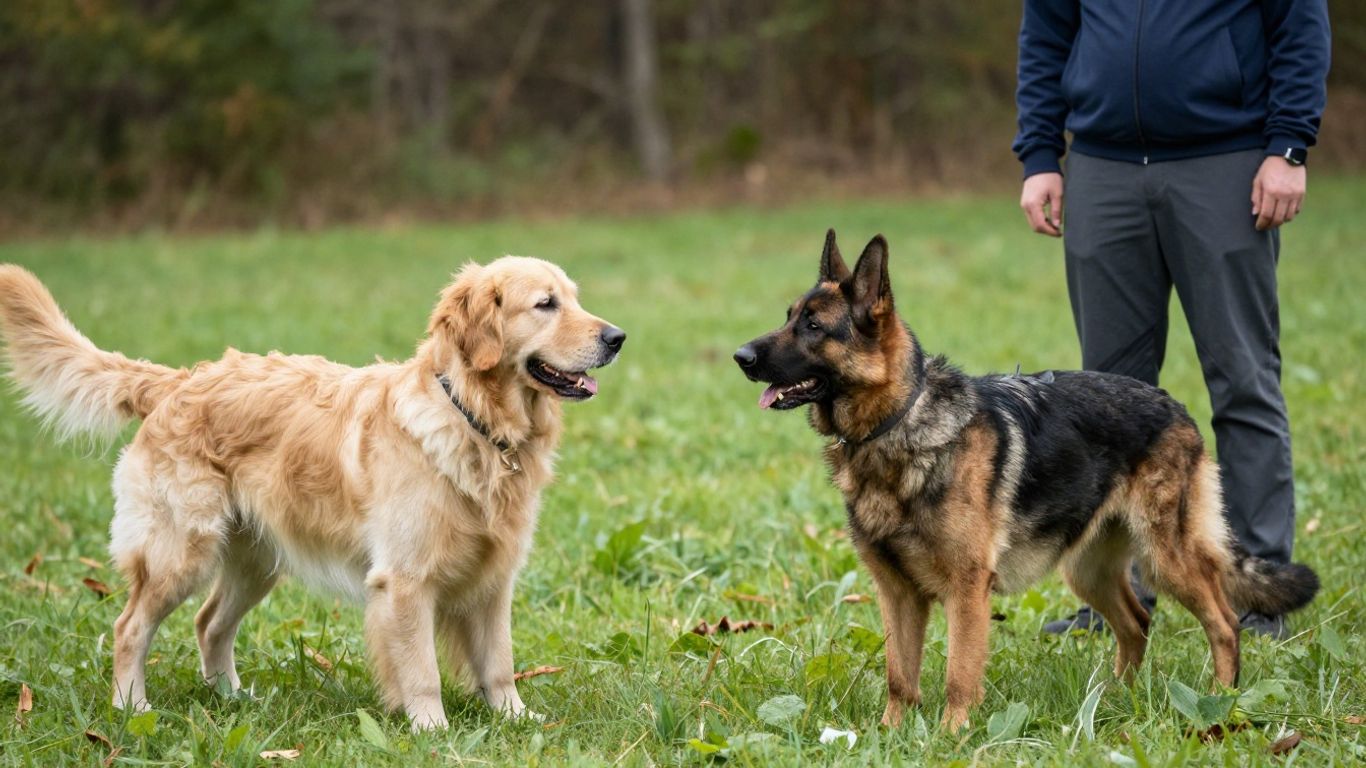
Once your dogs have had a few successful, short meetings in neutral territory and have spent some time in separate spaces within the home, it’s time to start letting them share the same environment for longer periods. This phase is all about building positive associations and ensuring they feel comfortable and secure around each other. Don’t rush this process; patience is your best tool right now.
Short, Supervised Stays
Begin by allowing your dogs to be in the same room together for short, controlled durations. Think five to ten minutes initially. Keep these sessions calm and low-key. Avoid any high-energy play or exciting activities during this time. If things are going well, gradually increase the time by a few minutes each session. If you notice any tension, separate them immediately and go back to shorter durations or separate spaces.
- Start with just a few minutes in the same room.
- Keep the atmosphere relaxed, no forced interactions.
- If they are calm, add a couple more minutes next time.
- If they show stress, end the session on a positive note and try again later with less time.
Observe Body Language Closely
This is where you become a student of dog communication. Pay very close attention to what your dogs are telling you through their body language. Subtle signs can indicate stress or discomfort long before a problem escalates. Look for things like lip licking, yawning when not tired, whale eye (showing the whites of their eyes), stiffening, or excessive panting. If you see these signals, it’s a sign to give them a break from each other.
Understanding dog body language is key to a successful introduction. It allows you to intervene before a minor issue becomes a major one, helping both dogs feel safer and more confident.
Reward Calm Behavior
Actively reward your dogs for calm, polite behavior when they are together. This means giving them praise, a small treat, or a gentle pet when they are resting near each other, ignoring each other appropriately, or engaging in calm activities. This positive reinforcement helps them associate being together with good things. If you have a dog struggling with leash reactivity, consider professional help like the 3 Week Program at Anvil K9. This program is designed for adult dogs needing reliable obedience and calm behavior in real environments.
- Treats for lying down near each other.
- Praise for ignoring a minor doggy tiff.
- Calm petting when they are both relaxed.
- Rewarding them for settling down when asked.
If you’re finding these steps challenging, remember that Anvil K9 offers specialized programs. The 6 Week Puppy Program is perfect for young dogs, while the 3 Week Program is ideal for adult dogs needing a solid foundation. Both are veteran owned and financing is available through Affirm.
Addressing Potential Challenges
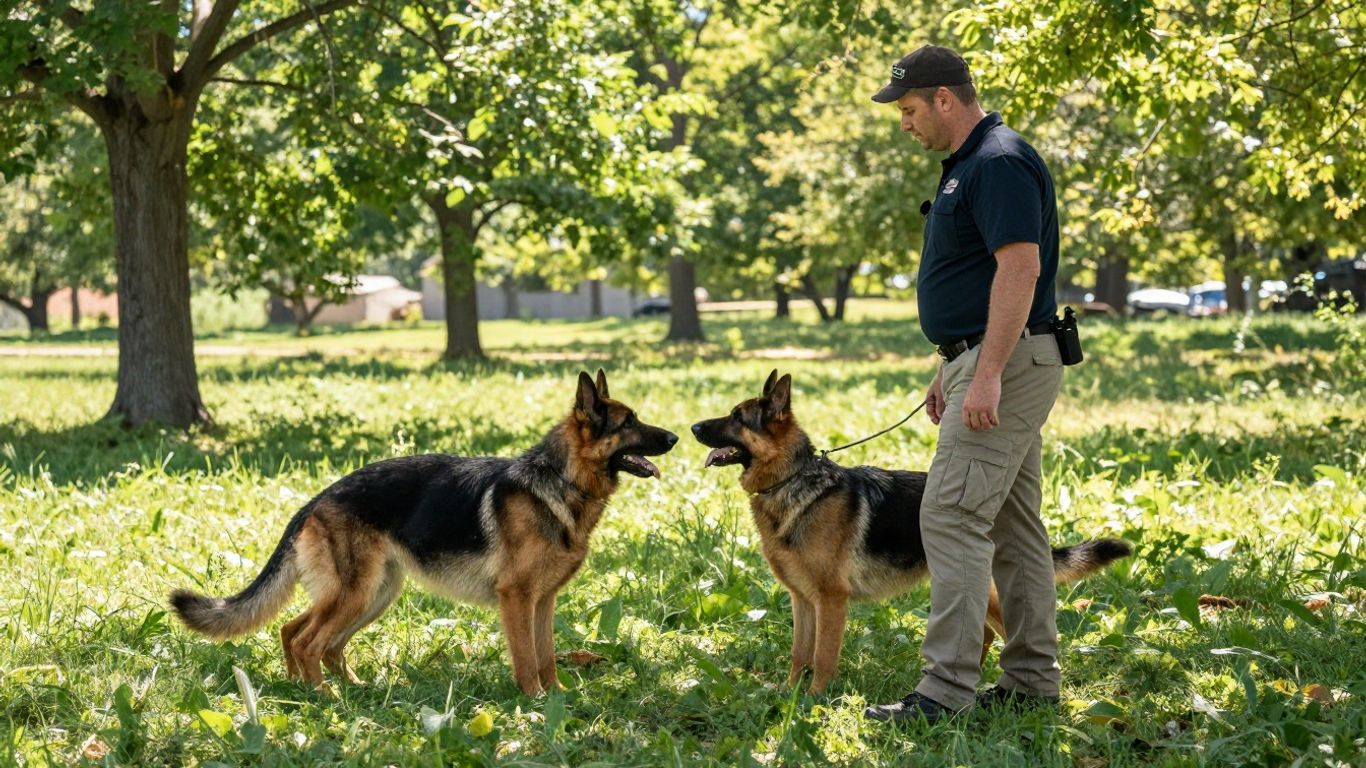
Even with the best preparation, introducing a new dog can bring up some bumps. It’s normal. Most issues stem from a few common areas. The good news is that with a clear head and consistent approach, these can be managed.
Resource Guarding
This is when a dog gets possessive over things they value, like food, toys, or even a favorite spot on the couch. You might see growling, snapping, or stiffening when another dog (or person) gets too close to their prized possession. It’s important to address this early before it escalates.
- Management is key: Keep high-value items out of reach when both dogs are together, especially in the beginning. Think puzzle toys, special chews, or even just their food bowls. Separate feeding is a must.
- Desensitization: If you see guarding behavior, create distance. Gradually reintroduce the item from a distance where the dog feels comfortable, rewarding calm behavior. The goal is to change their association from "I must protect this" to "this is safe."
- Professional Help: If guarding is severe or involves aggression, don’t try to fix it alone. Anvil K9’s 3 Week Program is designed to tackle these kinds of behavioral issues with expert guidance.
Leash Reactivity
This is that barking, lunging, or intense staring that happens when dogs are on leash and see each other. It’s often a mix of frustration, fear, or over-excitement. The close quarters of a leash can make things worse.
- Increase Distance: When you see another dog approaching on a walk, create more space. Cross the street, duck behind a car, or turn around. The goal is to prevent the reaction from happening in the first place.
- Positive Association: When you see another dog at a distance where your dog doesn’t react, reward them with a high-value treat. This helps them associate seeing other dogs with good things.
- Controlled Environments: Practice in controlled settings where you can manage the distance. This is where a structured program like the 3 Week Program can make a huge difference, working on reliable obedience and impulse control.
Fear or Anxiety
Sometimes, one or both dogs might be nervous about the new situation. This can show up as hiding, trembling, excessive panting, or avoidance. It’s not about dominance; it’s about feeling unsafe.
- Give Them Space: Don’t force interactions. Let the fearful dog retreat and observe from a distance. Their comfort is the priority.
- Build Confidence: Use positive reinforcement for any brave behavior, no matter how small. Reward them for simply being in the same room, or for looking at the other dog without reacting.
- Routine and Predictability: Stick to a consistent schedule for feeding, potty breaks, and walks. This predictability helps anxious dogs feel more secure. For deeper anxiety issues, consider professional help. The 6 Week Puppy Program can set a strong foundation for confidence, and the 3 Week Program helps adult dogs overcome existing anxieties.
Dealing with these challenges requires patience and understanding. It’s a process, not an overnight fix. Focus on management, positive reinforcement, and seeking help when you need it. Anvil K9 is the answer for serious behavioral issues, offering structured programs that get real results. We are a veteran owned business and offer Affirm financing to make training accessible. Contact us today to discuss your dog’s needs.
Building A Harmonious Pack
Bringing a new dog into your home is a big step, and getting them to coexist peacefully with your resident dog takes time and effort. It’s not just about the initial introductions; it’s about building a lasting relationship between your dogs. This means establishing clear rules and routines that both dogs understand and respect. Consistency is your best friend here. When everyone knows what to expect, there’s less confusion and fewer opportunities for conflict.
Consistent Rules and Routines
Think of your household rules like a language your dogs need to learn. If the rules change daily, or if one dog gets away with something the other doesn’t, it creates uncertainty. This uncertainty can lead to stress, which often shows up as behavioral issues. Make sure both dogs are held to the same standards for things like jumping on furniture, begging at the table, or greeting guests. A predictable schedule for feeding, potty breaks, walks, and training sessions also helps immensely. This structure provides a sense of security for both dogs.
Positive Reinforcement
When you see your dogs interacting well, even for a few seconds, reward them. This could be a quiet praise, a gentle pat, or a small, high-value treat. The goal is to associate good things with each other’s presence and with calm behavior. This is where Anvil K9 Dog Training excels, using methods that build confidence and clear communication. Their approach focuses on rewarding desired actions, making it easier for dogs to understand what you want them to do. If you’re looking for reliable obedience and off-leash control, their 3 Week Program is designed for adult dogs needing a solid foundation.
Professional Guidance When Needed
Sometimes, despite your best efforts, things don’t go smoothly. You might see persistent resource guarding, increased leash reactivity, or signs of fear and anxiety that don’t improve. This is not a sign of failure; it’s a sign that you might need a little extra help. Professional trainers have seen a lot and can offer insights and techniques tailored to your specific situation. They can help identify the root cause of the problem and provide a clear path forward. For serious behavioral issues or if you simply want the most reliable results, consider professional training. Anvil K9 offers programs for both puppies and adult dogs, focusing on real-world reliability. You can explore their training options to find the best fit for your pack.
Building a strong bond with your dog is all about understanding and clear communication. When you and your furry friend are on the same page, life becomes much more enjoyable for everyone. Want to learn how to create that amazing connection? Visit our website to discover the secrets to a happy, well-behaved dog.
Wrapping It Up
So, bringing a new dog into a home with an existing one takes time and patience. It’s not usually a quick fix, and you’ll likely have some bumps along the way. Stick to the plan, watch your dogs’ body language, and don’t push them too fast. If things aren’t improving or you’re dealing with serious issues like aggression, it’s okay to get professional help. For folks around Chattanooga, Anvil K9 Dog Training offers a 3 Week Program for adult dogs starting at 16 weeks old, and a 6 Week Puppy Program for younger pups. They’re veteran owned and offer financing through Affirm. You can check them out at anvilk9.com/board-and-train-chattanooga or reach them at anvilk9.com/contact. Remember, a successful introduction means a happier household for everyone, two-legged and four-legged alike.
Frequently Asked Questions
How long should I wait before letting my dogs interact freely?
It’s best to take it slow. Start with short, supervised meetings in a neutral area. Gradually increase the time they spend together over several days or even weeks, always keeping an eye on their behavior. Don’t rush this process; patience is key to a good relationship between your dogs.
What’s the best way to introduce my new dog to my current dog?
The first meeting should happen on neutral ground, like a park or a quiet street, not in your home. Keep the initial meeting brief and positive. Use leashes to manage them, and focus on calm walking. Avoid any direct, face-to-face confrontations right away. This helps them associate each other with a calm, neutral experience.
Should my dogs eat together?
For the first few days, it’s safer to feed them separately. This helps prevent any squabbles over food, which can be a common trigger for conflict. Once they’ve settled in and shown they can coexist peacefully, you can slowly try feeding them in the same room, but still with supervision, to see how they handle it.
What if my dogs start fighting?
If you see signs of serious conflict, like growling, snapping, or a full-on fight, you need to safely break it up. Usually, this involves making a loud noise to startle them or using a blanket to separate them. After an incident, give them space and time to cool down. It might be a sign you need more structured introductions or professional help from a trainer like Anvil K9.
How can I tell if my dogs are getting along?
Watch their body language! Look for relaxed postures, soft eyes, and wagging tails. If they are playing gently, sharing space without tension, or even grooming each other, those are great signs. Conversely, stiff bodies, hard stares, or raised hackles mean they’re uncomfortable and need a break.
When should I consider professional dog training help?
If your dogs are showing serious signs of aggression, fear, or anxiety around each other, or if you’re struggling to manage their interactions despite trying these steps, it’s time to call in the pros. Anvil K9 Dog Training in Chattanooga offers programs like their 3 Week Program for adult dogs that can help establish reliable obedience and calm behavior, even in challenging situations. They use balanced training methods to create clear communication and build confidence. You can explore their options and learn more at anvilk9.com/board-and-train-chattanooga or contact them at anvilk9.com/contact. They also offer financing through Affirm and are veteran-owned.