
So, your dog can’t help but greet every visitor with a full-body wiggle and a set of enthusiastic paws? You’re not alone. Many dog owners struggle with their furry friends jumping on guests. It’s a common issue, but thankfully, it’s one you can definitely tackle. This guide will walk you through how to stop your dog from jumping on guests, giving you practical steps to make those arrivals a lot calmer.
Key Takeaways
- Understand that dogs jump out of excitement, to get attention, or because they haven’t learned boundaries.
- Teach your dog a solid ‘sit’ command and reward them for staying calm when people arrive.
- Manage arrivals by using a leash and guiding guests on how to interact with your dog.
- Practice good manners consistently with familiar people and gradually introduce new guests.
- If jumping persists, consider professional help like Anvil K9’s board and train programs, which use balanced training methods.
Understanding Why Dogs Jump
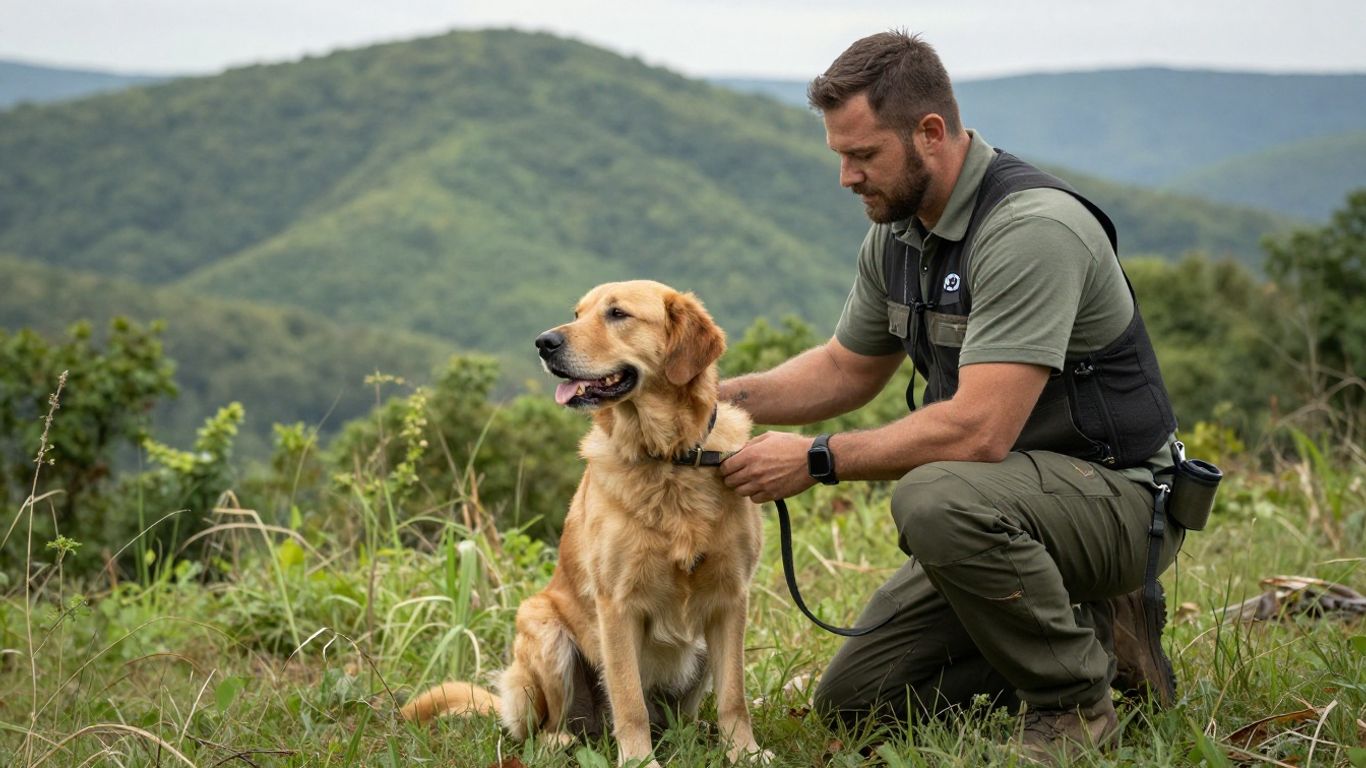
Dogs jump for a few main reasons, and understanding these can help you figure out how to manage the behavior. It’s not usually about being naughty; it’s more about communication and instinct.
Excitement and Greetings
This is probably the most common reason. When your dog sees someone, especially someone they like or haven’t seen in a while, their excitement levels can go through the roof. Jumping is their way of getting closer to that person’s face, almost like a doggy hug or a way to say hello. It’s a natural greeting behavior that many dogs don’t outgrow on their own. They might have learned that jumping gets them attention, even if it’s negative attention. This instinctual action is often reinforced by the attention it garners. This greeting behavior often persists into adulthood.
Seeking Attention
Beyond just greetings, dogs jump to get noticed. If your dog feels ignored, or if they’ve learned that jumping is the quickest way to get you or a guest to interact with them, they’ll keep doing it. It could be a simple nudge, a paw on the leg, or a full-on jump. They’re essentially saying, “Hey, look at me.”
Lack of Boundaries
Sometimes, dogs jump because they haven’t been taught that it’s not okay. They don’t inherently know that jumping on people is impolite or unwanted. Without clear rules and consistent training, they’ll continue to do what feels natural or what has worked for them in the past. Establishing clear expectations from a young age is important. For puppies, our 6 Week Puppy Program focuses on building a solid foundation of manners and understanding boundaries.
Dogs often jump because they haven’t been taught what else to do when they’re excited or seeking interaction. It’s our job as owners to show them a better way to greet people and get attention.
Establishing Clear Expectations
Dogs thrive on structure. Without it, they’ll make up their own rules, and usually, those rules involve jumping. We need to show them what we want instead. This isn’t about punishment; it’s about clear communication.
Teaching a Sit Command
This is your foundation. A solid "sit" is the opposite of jumping. When guests arrive, you want your dog to sit, not leap. Start this in a quiet environment.
- Get your dog’s attention with a treat.
- Hold the treat near their nose and move it up and back over their head.
- As their head follows the treat, their rear should naturally lower into a sit.
- The moment their rear touches the ground, say "Sit" and give them the treat.
- Practice this many times a day, gradually phasing out the lure.
The goal is for your dog to offer a sit when asked, even with distractions. This takes repetition. You can find more on basic obedience at anvilk9.com.
Rewarding Calm Behavior
We need to reward the behavior we want to see more of. If your dog is calm, they get attention. If they jump, they get ignored. This is simple, but it requires patience. When your dog is lying down, sitting quietly, or just not jumping, praise them and give them a treat. Make calm behavior the most rewarding thing they can do.
Consistency is Key
Everyone in the household needs to be on the same page. If one person lets the dog jump, but another doesn’t, the dog will be confused. This applies to guests too. You need to manage guest interactions from the start.
Setting clear rules and sticking to them is how your dog learns what is acceptable. This applies to every person who interacts with your dog, every time.
This consistent approach helps your dog understand boundaries and expectations, making them a more well-behaved companion. If you’re finding it difficult to establish these boundaries, Anvil K9 offers programs designed to help dogs learn reliable obedience. Our 3 Week Program is effective for adult dogs needing clear structure.
Managing Guest Arrivals
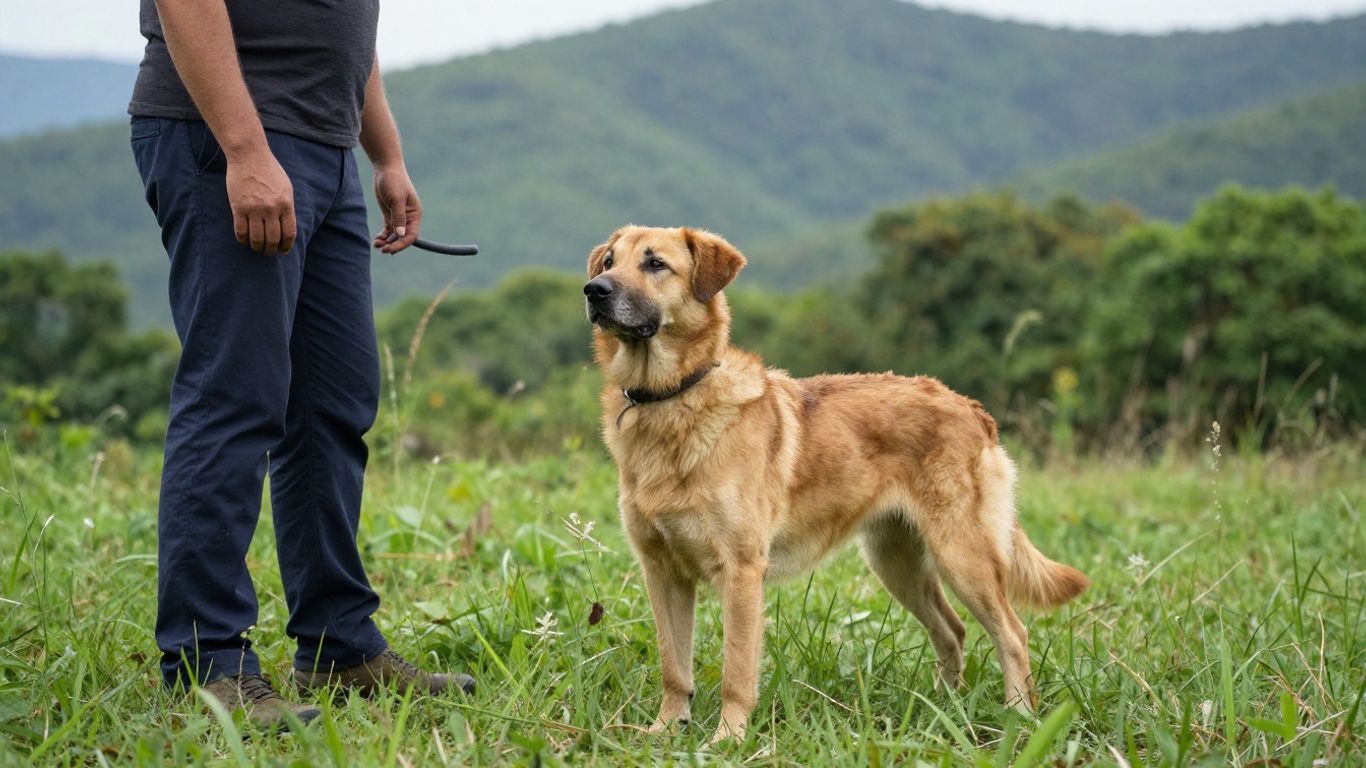
When people come over, your dog’s excitement can go through the roof. This is a common time for jumping to happen. We need a plan for these moments. The goal is to teach your dog that calm behavior gets rewarded when guests are around.
Leash Control During Greetings
Keeping your dog on a leash when guests first arrive is a simple but effective way to manage the situation. It gives you physical control and prevents your dog from practicing the jumping behavior. As soon as the doorbell rings, or your guest is at the door, put your dog on a leash. You can then ask your dog to sit. If they remain sitting and calm as the guest enters, they get praise and maybe a treat. If they jump or get too excited, you can calmly lead them away or have the guest ignore them until they settle. This helps them understand that jumping means the fun stops.
Here’s a quick way to handle it:
- Leash Up: Have your dog on a leash before the guest even enters.
- Cue a Sit: Ask for a sit as the guest approaches.
- Reward Calm: If they sit and stay calm, reward them.
- Manage Excitement: If they jump, calmly redirect or have the guest pause interaction.
Teaching Guests How to Respond
Your guests play a role too. It can be hard for people to remember, but they need to help you train your dog. Ask them to ignore your dog if they jump. This means no petting, no talking, and no eye contact. The moment your dog has four paws on the floor, they can then greet them. This teaches your dog that jumping gets them ignored, but being calm gets them attention. It might feel awkward at first, but it’s important for your dog’s training.
It’s not about being mean to your dog or your guests. It’s about clear communication. Your dog needs to understand what behavior earns positive attention from visitors.
Creating a Safe Space
Sometimes, even with management, arrivals can be overwhelming for your dog. Having a designated safe space can be a lifesaver. This could be a crate, a dog bed in another room, or a specific mat. You can send your dog to their safe space with a chew toy or a stuffed Kong before guests arrive, especially if you know your dog gets overly excited. This gives them a place to relax and decompress away from the commotion. It’s a way to prevent the jumping behavior before it even starts and gives your dog a break. This is a good strategy for dogs who struggle with high-arousal greetings, and it’s a core part of building good manners. For puppies needing a solid foundation in calm behavior and socialization, the 6 Week Puppy Program can set them up for success.
Reinforcing Good Manners
Once you’ve started teaching your dog the basics, like sitting when asked, it’s time to build on that foundation. This means practicing these new skills in different situations, especially when guests are around. It’s not enough for your dog to sit when you ask them in a quiet room. They need to understand that sitting calmly is the expected behavior, even when there’s excitement.
Practicing with Familiar People
Start small. Ask family members or close friends who your dog already knows and likes to help you practice. Have them come over, and as soon as they arrive, ask your dog to sit. When they sit, reward them immediately with praise and a small treat. If they jump, calmly guide them back to a sit position without much fuss. The goal is to make sitting the most rewarding option for your dog when someone new enters the house. This helps build a positive association with calm greetings.
Gradually Introducing New Guests
As your dog gets better with familiar faces, slowly introduce people they don’t know as well. Keep initial greetings short and controlled. You might even keep your dog on a leash for the first few minutes when a new person arrives. This gives you more control and prevents them from practicing the jumping behavior. Reward calm behavior generously. If your dog remains in a sit or stays calm, they get praise and maybe a treat. If they start to get overly excited or jump, calmly end the interaction for a moment and try again. This teaches them that good things happen when they are polite.
Positive Reinforcement Techniques
Positive reinforcement is key here. This means rewarding the behaviors you want to see more of. For jumping, that means ignoring the jumping itself (no attention, no scolding) and rewarding the moment your dog’s paws hit the floor or they offer a sit. You can use treats, praise, or even a favorite toy. The key is to make the desired behavior (calmness, sitting) more appealing than jumping. Remember, consistency is vital. Everyone in the household needs to be on the same page about how to react to jumping. If one person allows jumping and another doesn’t, your dog will become confused. For more advanced training and reliable results, consider Anvil K9’s board and train programs. Their 6 Week Puppy Program is ideal for younger dogs, while the 3 Week Program is designed for adult dogs needing to refine their manners. They use balanced training methods to help your dog understand expectations clearly. You can explore their programs at anvilk9.com/board-and-train-chattanooga.
Building good manners takes time and patience. It’s about teaching your dog what you want them to do, rather than just punishing them for what they shouldn’t. Focus on rewarding the good, and managing the situations where your dog might struggle.
When to Seek Professional Help
Sometimes, despite your best efforts, your dog’s jumping behavior persists. This can be frustrating, especially when you have guests over. If you’ve tried consistent training and management techniques without seeing the results you want, it might be time to consider professional guidance. Persistent jumping can indicate deeper issues or simply require a more structured approach.
Persistent Jumping Behavior
If your dog continues to jump on everyone, regardless of your training efforts, it’s a sign that the current methods aren’t enough. This could be due to a few reasons:
- Lack of understanding: Your dog might not fully grasp what you’re asking them to do.
- Overstimulation: Some dogs get so excited during greetings that they lose focus.
- Inconsistent application: Training needs to be applied perfectly every single time, which can be hard for busy owners.
Understanding Balanced Training
Balanced training methods, like those used at Anvil K9, combine positive reinforcement with clear communication and consequences. This approach helps dogs understand boundaries more effectively. It’s not about punishment, but about providing clear information so your dog knows exactly what behavior is expected and what is not. This can be particularly helpful for dogs who struggle with impulse control or overexcitement during greetings. Learning about how balanced training works can shed light on why it’s effective for challenging behaviors.
Anvil K9’s Board and Train Programs
For owners needing intensive support, Anvil K9 offers two board and train programs designed to address persistent behavioral issues like jumping. These programs provide a structured environment where your dog lives with a trainer, allowing for consistent, daily work on manners and obedience.
- 6 Week Puppy Program: Ideal for puppies 12 weeks (3 months) and older, this program builds a strong foundation for good behavior.
- 3 Week Program: For dogs 16 weeks (4 months) and older, this program focuses on reliable obedience and calm behavior in real-world situations.
These immersive programs are veteran owned and can provide the focused training needed to overcome difficult jumping habits. You can explore options and see if they are a good fit for your situation. Affirm financing is available to help manage the investment in your dog’s training. Contact Anvil K9 to discuss your dog’s specific needs.
If you’re finding it tough to handle your dog’s behavior on your own, it might be time to get some expert help. Don’t wait too long to reach out. Visit our website to learn more about how we can help you and your furry friend.
Putting It All Together
Look, getting your dog to stop jumping on people takes time and consistency. It’s not magic, and there’s no single trick that works for every dog. You’ve got to be patient, stick with the plan, and remember that your dog is trying to figure things out. If you’ve tried everything and you’re still struggling, or if you just want to get it right from the start, consider professional help. For folks around Chattanooga, Anvil K9 Dog Training offers a 3 Week Program that can really sort out these kinds of issues. Jake Mumford, a veteran and certified trainer, uses balanced methods to build reliable obedience. They even offer financing through Affirm, making it easier to invest in your dog’s good behavior. You can learn more and get in touch at anvilk9.com/board-and-train-chattanooga and anvilk9.com/contact. Remember, a well-behaved dog is a joy to have around, and it’s worth the effort.
Frequently Asked Questions
Why does my dog jump on people when they visit?
Dogs jump because they’re excited to see new people. It’s their way of saying hello and trying to get closer to your face, which is how they greet others in doggy language. Sometimes, they might also jump because they’ve learned it gets them attention, even if it’s negative attention. It’s like they’re saying, “Hey, look at me.”
How can I teach my dog to stop jumping?
The best way to teach your dog not to jump is to show them what you *do* want them to do instead. Teaching a solid ‘sit’ command is super helpful. When guests arrive, ask your dog to sit. Reward them with praise or a treat when they keep all four paws on the floor. It’s all about showing them that calm behavior gets them good things.
What should I do the moment a guest arrives?
When your doorbell rings, it’s smart to have your dog on a leash. This gives you control and prevents them from practicing the jumping behavior. Ask your dog to sit while you open the door. You can even have your guests ignore your dog until they are calm and sitting. This teaches your dog that jumping doesn’t get them what they want.
How can I make sure my dog’s training sticks?
Consistency matters more than any single technique. Everyone in the house needs to be on the same page about not rewarding jumping. Practice with people your dog knows first, then slowly introduce new faces. The more you practice, and the more consistent everyone is, the better your dog will understand the rules.
What if my dog’s jumping is really bad?
If your dog’s jumping is a serious problem and you’ve tried everything, it might be time to get some expert help. Sometimes, dogs need more structured guidance. At Anvil K9, we use balanced training methods, which are great for teaching dogs reliable obedience and calm behavior, even with distractions. Our veteran-owned business offers programs designed to help dogs learn quickly and effectively.
What kind of training does Anvil K9 use?
Anvil K9 uses a balanced training approach based on the NePoPo method. This means we give dogs clear communication about what’s expected, using both motivation and structured consequences. It’s not about harshness, but about building clear understanding and reliable obedience. We also offer financing through Affirm to make our programs more accessible. You can learn more about our board and train options at anvilk9.com/board-and-train-chattanooga/ or reach out through anvilk9.com/contact.