
Key Takeaways
A prong collar is a piece of equipment, not a complete training plan. The dog’s comfort, behavior, and ability to learn should guide every decision.
- Think of “power steering” as clearer guidance, not control.
- Equipment alone does not teach a dog how to walk on a loose leash.
- Fit and supervise any collar carefully, and remove it if the dog shows distress.
- Reward based practice and quieter settings can help build leash skills.
- Ask a veterinarian about possible pain or medical concerns before changing equipment or training.
What I mean by “power steering”
When I call a prong collar power steering, I mean it can make leash cues feel more noticeable in some situations. It does not steer the dog for you or replace practice. People searching for prong collar training Chattanooga should start by asking what they want their dog to learn, not which piece of gear to buy.
How equipment can make leash communication feel clearer
A leash cue can be easy for a dog to miss when the dog is focused on a squirrel, another dog, or a smell along the path. Different equipment changes how that cue is felt, but the handler still has to give it calmly and consistently. The goal is clear communication, not a harder pull.
Why the metaphor is about guidance, not control
Power steering is a metaphor for making an input easier to notice, not for forcing a dog into position. The dog still needs to learn what a cue means and what behavior earns a reward. Guidance still requires learning; a piece of equipment cannot make that lesson happen on its own.
What a prong collar can and cannot teach
A collar can affect how a leash cue feels. It cannot explain where to walk, how to pass a distraction, or what to do instead of pulling. Those skills come from teaching and repetition, with the dog able to understand and respond to the handler.
Why the dog’s comfort and behavior matter more than the tool
I watch the dog, not just the leash. A dog who is relaxed and able to take food or respond to a familiar cue is giving me different information from a dog who freezes, avoids contact, or struggles to breathe. If the equipment creates distress, the plan needs to change.
When prong collar training in Chattanooga may be considered
Pulling is common, but it can have more than one cause. A dog may be excited, worried, uncomfortable, or simply practiced at moving toward whatever catches its attention. I look at the situation and the dog’s response before deciding whether a prong collar belongs in the picture.

Leash pulling and the limits of equipment alone
A dog that pulls may get to the next smell or person faster, so pulling can become a practiced habit. Equipment might change the feel of a leash cue, but it does not teach the dog to stay near you or turn back when you call. That takes a repeatable cue and reinforcement for the behavior you want.
Dogs that lunge, react, or become overexcited
Lunging can come from excitement, frustration, or fear. The movement may look similar from across the street, but the dog’s emotional state and what happens before and after the lunge matter. If a dog is reacting intensely, adding pressure without understanding the cause can make the walk harder rather than clearer.
Situations where fear or pain may be driving the behavior
A dog that suddenly resists a collar, pulls away when touched, or changes its walking pattern may be uncomfortable. Fear can also make a dog avoid people or other dogs, even when the leash is loose. Do not treat a possible pain response as a training problem; pause and get the dog checked by a veterinarian.
When to consult a veterinarian or qualified behavior professional first
A veterinarian should be part of the plan when the behavior is new, worsening, or linked with signs of pain or illness. For severe reactions or a bite history, I want the full picture before discussing equipment or training. The priority is keeping people and dogs safe while identifying what may be driving the behavior.
Choosing and fitting equipment responsibly
Fit is not a minor detail. A collar that sits in the wrong place or is too loose may shift, while one that is too tight can be uncomfortable. I fit equipment in person and show the handler how to use it, rather than treating a collar as a stand alone fix.
How collar design and sizing affect fit
Collar styles differ in how they sit and distribute contact, so sizing should be checked on the individual dog. At Anvil K9, I sell Herm Sprenger prong collars for $40, fit them in person, and give the owner a usage lesson. That is the product and service I can speak to directly; a dog’s response still determines whether using it makes sense.
Where the collar should sit and how snug it should be
A proper fit should stay in place without restricting breathing or causing obvious discomfort. The correct position and fit depend on the dog’s build and the collar design, so I check both rather than guessing from a size label. Ask for a hands on fitting if you are unsure, and do not tighten a collar to compensate for poor handling.
A simple comparison can help owners think through the tradeoffs before choosing equipment:
| Equipment | What to consider | Check during use |
|---|---|---|
| Prong collar | Fit and handler instruction matter | Watch for distress or avoidance |
| Flat collar | Simple option for everyday wear | Check for rubbing or slipping |
| Harness | Contact is around the body | Check that straps do not chafe |
None of these options teaches leash manners by itself. The table is a starting point for a careful choice, not a ranking; the dog’s comfort and the reason for pulling matter more than the label on the gear.
Signs that a collar is causing discomfort or distress
Watch for repeated pawing at the collar, freezing, trying to back out, or a sudden reluctance to move. Also pay attention to coughing, changes in breathing, skin irritation, or a dog that seems worried when you reach for the equipment. Stop using it and reassess; if you suspect pain or injury, speak with a veterinarian.
Why unsupervised use and leaving it on can create risks
Training equipment should not be left on a dog unattended. A collar can catch on something, and a dog cannot tell you in words that the fit has become uncomfortable. Remove it after supervised practice and store it where the dog cannot get tangled in it.
Building leash skills with clear, low stress practice
Good leash practice is simple and repeatable. Start where your dog can pay attention, reward the behavior you want, then make the setting harder in small steps. In Chattanooga, that might mean building a calm walk at home before trying a busier sidewalk or trail.
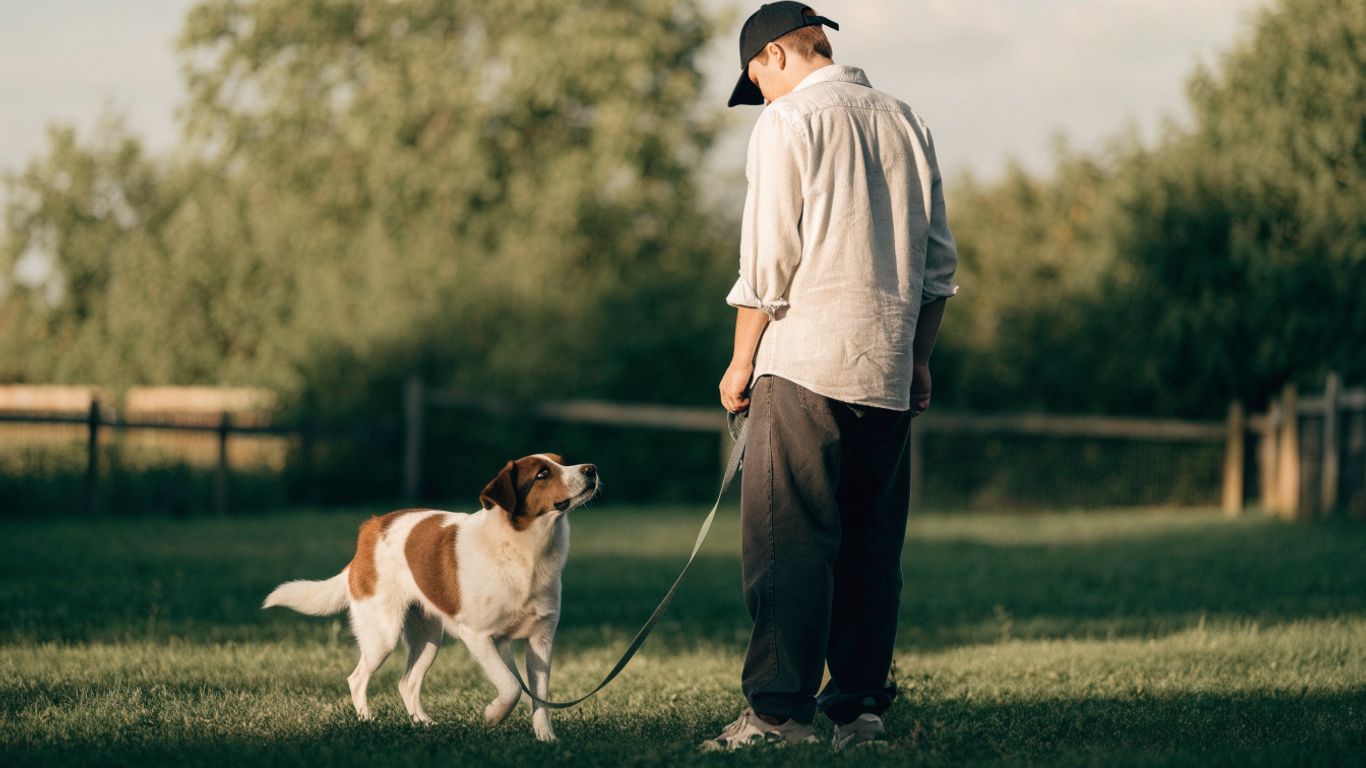
Introduce the equipment gradually and observe the dog’s response
Let the dog see and investigate the equipment before asking for a walk. Keep the first practice brief, and notice whether the dog moves normally and can respond to familiar cues. At Anvil K9, my 3 Week Board and Train costs $3,000 and covers sit, down, place, heel, recall, and off leash obedience; the program is not a substitute for choosing equipment that suits the individual dog.
Pair leash cues with rewards for loose leash walking
Choose a simple cue and reward your dog when the leash stays slack or the dog checks back in with you. A compact routine keeps the focus on what the dog can do, rather than on repeated corrections:
- Begin in a quiet area with room to move.
- Reward the dog for staying near you with a loose leash.
- Pause or change direction when the leash tightens, without jerking it.
- Repeat a few times, then finish before the dog is worn out.
The reward can be food, praise, or access to a smell the dog wants to investigate. Keep your timing consistent so the dog can connect the behavior with the outcome.
Practice in quiet settings before adding Chattanooga distractions
A dog that can walk calmly in a quiet driveway may not yet be ready for a busy park or a close pass with another dog. Add distractions one at a time, and give the dog enough distance to stay responsive. If the dog stops taking food or cannot turn back to you, make the situation easier rather than pushing closer.
Keep sessions short and adjust difficulty to the dog
Short practice gives you a chance to stop while the dog is still engaged. End on an easy success, and lower the difficulty if the dog becomes frantic, worried, or unable to respond. Progress is not a straight line; a tough day is useful information, not a reason to pull harder.
Weighing risks, alternatives, and individual needs
There is no single piece of equipment that suits every dog. A choice that works for one dog may be uncomfortable or confusing for another, especially if health, age, or fear is part of the picture. I would rather change the plan than insist that a dog tolerate a tool that is not helping.
Possible physical and emotional downsides of aversive equipment
An aversive tool can create discomfort, and a dog may associate that discomfort with something nearby, such as another dog or a person. The risk depends on the dog, the fit, and how the handler uses the equipment. Watch for changes in movement, avoidance, or increased worry, and stop if the dog is not coping well.
Harnesses, flat collars, and reward based training options
A flat collar or a harness may be a better starting point for some dogs. Reward based training can teach the dog to stay near the handler and respond to cues without relying on leash pressure. The tool is only one part of the choice; clear instruction and steady practice matter with any option.
How age, health, size, and temperament affect equipment choices
A growing puppy, an older dog with stiffness, and a powerful adult dog have different needs. A dog’s size does not tell the whole story, and neither does breed; comfort, health, confidence, and learning history all matter. Get medical questions answered by a veterinarian before changing equipment or asking a dog to work through discomfort.
When a different training plan is a better fit
If the dog becomes more fearful, avoids the handler, or reacts more strongly when equipment is introduced, pause and choose another approach. A gradual reward based plan may give that dog a clearer path to success. The useful question is not whether a tool is fashionable or familiar, but whether this dog can learn comfortably with it.
Finding qualified support in the Chattanooga area
Owners should be able to understand what a training plan asks them to do and why. I explain the equipment, demonstrate the handling, and look at the dog’s behavior rather than judging progress by a tight leash alone. For medical concerns, the right first call is to a veterinarian.
Questions to ask a trainer about methods and welfare
Ask what the dog is expected to learn, how cues will be introduced, and what the handler should do if the dog shows distress. You should understand how progress is measured and what would make the plan change. At Anvil K9, I train every dog personally in my home based board and train program serving Chattanooga and North Georgia, and each board and train client receives lifetime support.
What humane, transparent coaching should look like
Clear coaching means explaining the equipment before using it, showing the handler what to watch for, and answering direct questions. A plan should account for the dog in front of you, not just the equipment someone prefers. I expect owners to know when to pause and how to ask for help if the dog’s response changes.
How to assess progress beyond reduced pulling
Look for a dog who can respond to a cue, recover after noticing a distraction, and walk without constant tension. Also consider whether the dog seems comfortable and engaged. Less pulling is useful, but it is not the whole picture if the dog is frightened or unable to learn.
When to seek a veterinary behaviorist for complex cases
For serious fear, repeated aggression, or behavior that is difficult to keep safe, involve a veterinarian who can evaluate the dog’s health and discuss specialized behavior support. Medical issues can affect behavior, and the training plan should reflect that. I can talk through the training side with you, but a veterinarian must assess medical concerns.
Conclusion
A prong collar may make a leash cue more noticeable, but it cannot teach the skill or decide whether the dog is comfortable. I fit Herm Sprenger prongs in person, and I want owners to choose equipment with clear instruction and careful observation. If you want to talk about whether the 3 Week Board and Train is right for your dog, call or text me at 423 290 7584.
Frequently Asked Questions
Does a prong collar stop leash pulling?
It may change how a leash cue feels, but it does not teach loose leash walking on its own. Consistent practice is still needed.
Is a prong collar suitable for every dog?
No. A dog’s comfort, health, temperament, and response to equipment all matter. Another option may be a better fit.
How can I tell if my dog is uncomfortable in a collar?
Watch for signs such as pawing at the collar, freezing, backing away, coughing, or a change in movement. Stop and reassess if you see distress.
Should a prong collar be left on when a dog is alone?
No. Remove training equipment when the dog is unsupervised to reduce the risk of catching or entanglement.
Can a harness help with leash training?
A harness can be an equipment option, but it does not teach leash manners by itself. Pair it with clear cues and practice that rewards the behavior you want.
What should I do if my dog suddenly starts pulling or resisting a collar?
Consider whether the behavior is new or linked with discomfort, and contact a veterinarian if pain or illness may be involved. Do not assume a sudden change is simply disobedience.
How can I discuss equipment and training for my dog?
Describe what happens on walks and what you have already tried. For a conversation about the 3 Week Board and Train, call or text me at 423 290 7584.