
Key Takeaways
Board and train programs offer an effective, structured way to address behavioral issues and build reliable obedience for dogs in the Chattanooga area. Success depends on selecting a program that fits your dog’s age and training goals while emphasizing transparent methodology and long term support.
- Prioritize professional certifications and clear methodology when evaluating potential training programs.
- Understand that balanced training, such as the NePoPo method, provides consistency and reliable off leash control.
- Match your dog’s specific needs to an age appropriate program, whether for puppy foundations or adult behavioral modification.
- Consider long term value and financing options like Affirm to make professional training feasible.
- Prepare for the transition by scheduling consultations and understanding the intake process for your trainer.
What to look for in a board and train program
Finding the right support for your pet is a significant step that requires careful scrutiny. Many dog owners seeking board and train red bank tn services find that the sheer number of options can be overwhelming, but focusing on specific markers of quality makes the search more manageable. By prioritizing professional standards over convenience, you ensure that your dog receives the care and training they deserve.
Identifying professional trainer certifications
Look for trainers who can substantiate their experience with industry recognized certifications rather than relying on generic marketing claims. A trainer who maintains high standards will readily discuss their background, including any specialized qualifications like becoming a NePoPo Gold Certified expert. You should feel comfortable asking about their specific expertise and previous work, as a transparent professional will always be able to explain their credentials in detail.
The importance of transparent training methodologies
An effective training program should never hide its methods behind closed doors or vague terminology. You should expect an explanation of how the trainer communicates with the dog during the day and how they handle challenges. Whether they use positive reinforcement or a balanced approach, the trainer needs to be able to justify why their specific technique will work for your dog’s personality and behavioral struggles.
Evaluating the training environment and daily structure
Your dog will spend significant time training with us, so it is necessary to consider the living conditions and the daily routine. A proper program includes a mix of focused training, structured downtime, and physical exercise to facilitate learning. For instance, you can look at the breakdown of activities in a typical day to understand how much one on one time your dog will actually receive versus passive time in a kennel.
| Activity Type | Description | Objective |
|---|---|---|
| Obedience Training | Focused sessions on basic commands | Build focus and precision |
| Socialization | Controlled interaction with new environments | Improve confidence under distraction |
| Structured Rest | Downtime in a kennel or crate | Teach patience and calm behavior |
These daily routines help the dog transition from a high arousal state to a calm, manageable demeanor. The goal is to create an environment that simulates the real world, allowing your dog to practice new behaviors in a safe and controlled setting.
Why real world results matter more than obedience rings
Training is only as good as its application, which means the environment where the training occurs is critical. Obedience performed consistently at home or in the yard often falls apart the moment a dog encounters real world distractions like passing traffic or squirrels. Effective programs prioritize real world reliability, ensuring that the commands your dog learns under supervision transfer directly to your daily life in Red Bank.
Understanding the Anvil K9 training approach
Anvil K9 utilizes a specific methodology designed to create clear and consistent communication between the dog and the handler. By focusing on balanced outcomes, this approach ensures that dogs understand not only what is expected of them but also the clear consequences of their actions in various scenarios. It is an honest, direct way to build a reliable companion that understands boundaries.
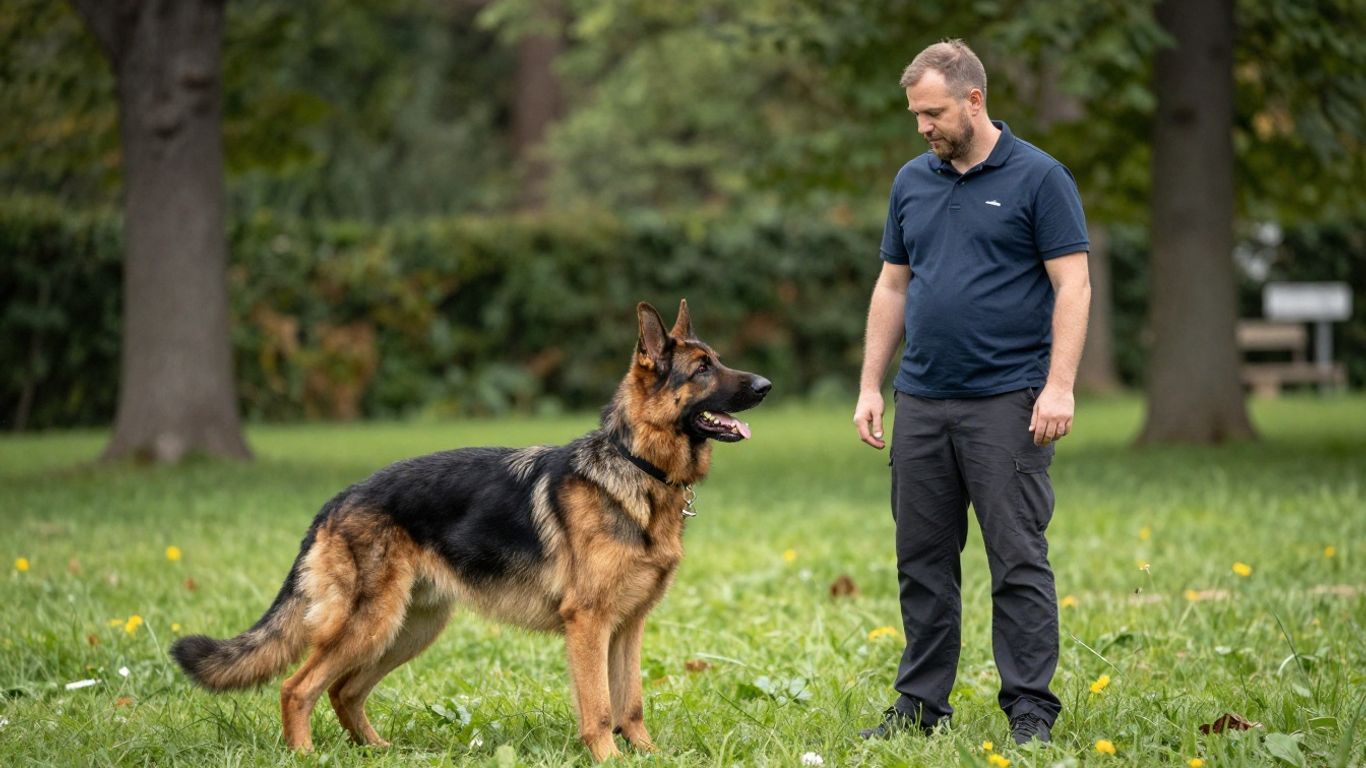
The core principles of the NePoPo method
This training philosophy revolves around the balance of providing clear instruction and fair enforcement. By using markers along with structured rewards and corrections, the dog learns to engage with the handler more attentively. This is not about harshness, but rather about providing the dog with all the information they need to succeed in complex environments.
How balanced training improves off leash reliability
Reliable off leash performance requires a dog to have immense focus on the handler even when there are enticing distractions. Because balanced training reinforces both compliance and inhibition, the dog develops a higher degree of responsiveness. This consistency is essential for owners who want their dog to remain safe and attentive during outdoor activities or near traffic.
The reality of teaching clear communication
Communication is the foundation of any training goal, whether you are trying to minimize nuisance barking or improve recall. Trainers must remain consistent in their cues so the dog can build a clear understanding of the expectations. When the guidance is unambiguous, dogs feel more secure in their behavior, leading to a significant reduction in the anxiety often caused by unclear instructions.
Achieving calm behavior in distracting environments
Achieving true calmness is a process of desensitization and proofing that happens over time. Dogs need to be exposed to different environments and stimuli while maintaining a baseline of patience. By practicing these skills in settings like active neighborhoods or quiet parks, your dog gains the tools needed to manage their own impulses, resulting in a calm and confident demeanor anywhere you go.
Selecting the right board and train program for your dog
Choosing between programs requires an honest evaluation of your dog’s age, maturity level, and specific behavioral goals. At Anvil K9, the focus remains on two specialized paths designed to address the unique needs of puppies and adults. Selecting the right direction helps ensure that your training investment provides the maximum possible benefit for your dog’s future.
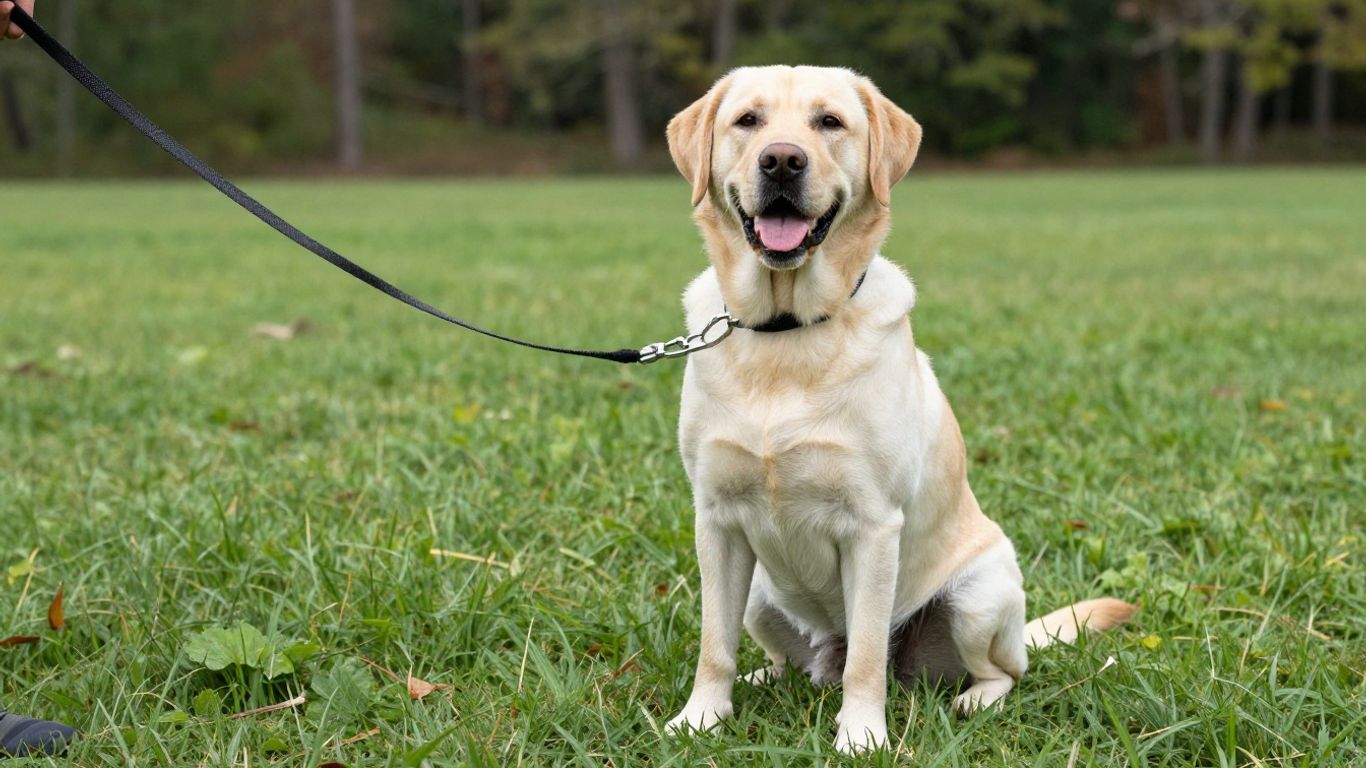
The 3 Week program for adult dogs
This intensive 3 Week program serves adult dogs aged 16 weeks and older who need reliable obedience and behavior modification. The duration is designed specifically to allow for deep integration of new habits, moving beyond surface level commands to address issues like leash pulling, poor recall, and reactivity. It is a comprehensive investment for owners wanting a more well mannered and attentive companion.
The 6 Week puppy foundation program
Puppies starting at 12 weeks of age benefit from a longer foundation program that builds upon their early developmental stages. This program focuses on critical socialization, impulse control, and basic household manners that set the stage for all future training. By starting early and maintaining a structured 6 week curriculum, you can prevent unwanted behaviors from becoming deeply ingrained habits.
Assessing individual maturity and training goals
Dogs are individuals, meaning they often progress at different rates based on their temperament and history. An owner must assess what the dog actually needs rather than simply picking the shortest duration available. If a dog has significant behavioral issues, a more substantial program allows the trainer to address those nuances rather than rushing the progress.
Making the decision between programs for teen dogs
Teen dogs often present a unique challenge, as they might have both puppy-like energy and adult-sized behavioral issues. When deciding between the puppy foundations and the adult behavioral modification programs, consult with a trainer about which track will address the specific level of maturity. Sometimes, a teen dog needs the foundational structure of the 6 week path to build a base that they never received as a younger pup.
Investing in professional training for your dog
Training is a significant commitment of both your finances and your time, and it should be viewed as a long term resolution for your household. When you choose a professional trainer, you are not just paying for a short stint of obedience, but for a fundamental shift in the quality of your interaction with your dog. It is important to weigh the value of these services against the cost of ongoing issues and the frustration of ineffective home training.
The long term value of lifetime support
Professional programs that include lifetime support demonstrate a commitment to your dog’s long term success beyond the program dates. This ongoing guidance is invaluable for reinforcing behaviors and addressing new challenges that may arise as your dog enters different life stages. It provides peace of mind knowing that you have a resource to call, ensuring your investment remains effective for the life of your pet.
How to use financing through Affirm for your training
Professional dog training often involves significant upfront costs, but many facilities offer ways to manage that burden through financing through Affirm. This option allows owners to split the cost of their chosen program into manageable payments, ensuring that you can get the help you need without feeling pressured by the total at once. Taking advantage of these financial tools ensures the dog receives high level instruction when they need it most.
Expectations for a veteran owned, home-based program
When choosing a trainer, many owners value the discipline, reliability, and work ethic that often come with a veteran owned and operated business. These facilities typically operate with a focus on integrity and transparency, ensuring that you receive exactly the service descriptions promised. You can expect a direct and honest interaction where the trainer focuses on results without any unnecessary fluff or overpromises regarding performance.
Why direct communication is essential for success
Success in training depends heavily on the communication between the trainer and the owner. If a trainer is vague or reluctant to explain their methods, it can prevent you from properly maintaining the training at home. Clear, direct communication ensures you understand the techniques used during the board and train period, enabling you to continue the work once your dog returns home.
Next steps for dog owners in Red Bank
Once you have decided that professional training is the best path forward, the next step is to clear the path for your dog’s enrollment. Because programs require careful scheduling and preparation, starting early ensures that you can get the right timing for your needs. Following a structured process for intake and return will make the transition much smoother for everyone involved.
Scheduling a consultation for your dog
Begin by reaching out to arrange a formal consultation to discuss your dog and their specific behavioral needs. This is the moment to ask questions and define expectations clearly. You can book a free consultation directly to ensure all your concerns are addressed by a professional before you finalize your decision to proceed.
Understanding the drop off and intake process
When the time comes, the intake process is designed to ensure a smooth transition for your dog into the new routine. Most programs have specific arrival windows and require certain paperwork or health records to maintain the safety of all animals in the home base. Familiarizing yourself with these requirements in advance helps reduce anxiety for both you and your dog on the day of the drop off.
Setting realistic expectations for behavior modification
It is common for owners to want instant results, but behavior modification is a process that requires patience and dedication. Be open to the reality that some issues take more time to resolve than others and that your consistency following the program is a vital part of the equation. Understanding that training is not a magic fix but a tool for success will help you keep the long term goals in perspective.
Preparing your home for your dog’s return
A critical part of the process happens back at your house, where you need to prepare for the return of a dog with new rules and routines. This may include cleaning up your storage areas, establishing clear boundaries for where the dog spends their time, and ensuring you have the right equipment for ongoing practice. Your environment should support the training they have just finished, making their transition home consistent and easy to follow.
Conclusion
Investing in a professional board and train program in Red Bank provides a structured path toward a better relationship with your dog. By selecting an approach that aligns with your dog’s needs and maintaining consistent training habits after the program concludes, you can enjoy the peace of mind and shared freedom that comes with a well behaved companion.
Frequently Asked Questions
Is board and train effective for older dogs?
Yes, age does not prevent a dog from learning new behaviors or breaking old habits. Adult dogs often respond well to the structure of a professional program because they are capable of mature focus once they are given clear guidance and consistent expectations.
How does board and train impact the dog owner bond?
A professional program should strengthen your bond rather than diminish it by removing the daily frustration caused by behavioral issues. When a dog understands their boundaries and listens to your commands, interactions often become more positive, trust-based, and enjoyable for both you and your pet.
What should I look for in a dog trainer’s contract?
A solid contract should explicitly detail the training objectives, the duration of the program, and exactly what is included in the cost. Look for clear information on what happens if training goals aren’t met and verify that any promised lifetime support is included in the service agreement.
Is it normal for my dog to be nervous during intake?
It is very common for dogs to show some level of apprehension in a new environment with a new person. A professional trainer will have a specific process to help your dog settle in and feel comfortable, allowing them to adjust to the training environment quickly.
Can professional training fix severe aggression?
While training can address many issues, serious behavioral problems like aggression require a comprehensive assessment to determine if they can be safely managed. Always be wary of anyone who promises a perfect fix for complex behavioral problems without a thorough evaluation first.
Do I need to buy special equipment for training?
Professional trainers typically provide or require the use of specific, high grade equipment to ensure the training is effective and fair. You should be directed on what gear is necessary during the consultation phase so you aren’t stuck buying the wrong items.
How soon will I see results after the program?
You should see a noticeable difference upon the return of your dog, but continued results depend on your consistency at home. Following instructions exactly as provided during the transfer session ensures that the new behaviors are reinforced in your daily environment immediately.
Ready to get started? Contact Anvil K9 Dog Training to talk through the right program for your dog.