
Balanced dog training uses a mix of rewards and corrections to teach dogs. It’s not about being mean; it’s about being clear. Here are the main things to remember about whether it’s safe and effective.
Key Takeaways
- Balanced training isn’t just about punishment; it uses rewards and clear communication to teach dogs what you want.
- Safety depends on the trainer’s skill and how they apply techniques, especially when using tools like e-collars.
- This method can be very effective for difficult behaviors and achieving reliable obedience in distracting places.
- It’s important to tell the difference between balanced training and outdated, harsh methods.
- Always choose a qualified trainer who focuses on your dog’s well-being and creates a plan just for them.
Understanding Balanced Dog Training
What is Balanced Dog Training?
Balanced dog training is a straightforward approach that uses a mix of positive reinforcement and structured consequences to shape a dog’s behavior. It’s not about being harsh; it’s about being clear. Think of it like teaching a child. You praise them when they do something right, but you also need to guide them away from doing something wrong. This method acknowledges that dogs learn from consequences, both good and bad, and uses this understanding to create reliable behavior.
At Anvil K9, we use the NePoPo method. This system is built on clear communication. We mark correct actions with a reward and incorrect actions with a low-level marker that signals "no, not that." The key is that the pressure is immediately released once the dog stops the unwanted behavior or offers the correct one. This isn’t about punishment; it’s about providing complete information so the dog understands exactly what you want. It’s about building a clear understanding, not just hoping the dog figures it out.
The NePoPo Method Explained
The NePoPo method, developed by Bart Bellon, is a specific type of balanced training. It breaks down training into three phases:
- Negative (Ne): This is the initial step where a low-level, non-painful stimulus is used to mark an unwanted behavior. It’s a clear signal to the dog that they’ve made a mistake. This is not about causing pain or fear, but about providing immediate feedback.
- Positive (Po): Here, the dog is guided toward the correct behavior. Once they perform the desired action, they are rewarded. This reinforces the correct choice.
- Positive (Po): The correct behavior is reinforced again. This repetition builds a strong association between the desired action and the positive outcome, making the behavior more reliable.
This structured approach ensures dogs get a full picture of what’s expected. They learn what to do and what not to do, which can reduce confusion and build confidence. It’s a system designed for real-world reliability, not just performance in a quiet training room. We find this method works well for addressing issues like leash reactivity or poor recall, helping dogs become more focused and responsive in distracting environments. If you’re struggling with your dog’s behavior, exploring options like our 3 Week Board and Train can provide a structured solution.
Is Balanced Training Safe?
Yes, balanced training, when applied correctly by a knowledgeable trainer, is safe. The "balanced" part refers to using a spectrum of tools and techniques, not just one approach. Safety in training hinges on the handler’s skill, understanding of canine behavior, and ethical application of techniques. It’s about using the right tool for the right job at the right time, always prioritizing the dog’s well-being.
Harsh, outdated methods that rely solely on intimidation or pain are not what balanced training is about. Modern balanced trainers, like those at Anvil K9, focus on clear communication and building a strong relationship with the dog. We use low-level markers and consequences that are fair and temporary. The goal is always to create a confident, well-behaved dog that understands boundaries and expectations. It’s important to distinguish between effective, humane balanced training and outdated, punitive approaches. If you’re concerned about your dog’s behavior, especially if they’re dealing with issues that might stem from confusion or anxiety, consider how a structured program could help. For puppies, our 6 Week Puppy Program focuses on building a solid foundation from an early age.
Core Principles of Balanced Training
Balanced dog training, and specifically the NePoPo method we use at Anvil K9, is built on a few key ideas. It’s not about being harsh; it’s about being clear and fair. Think of it like teaching a kid. You don’t just praise them when they do something right, and you don’t just yell when they mess up. You guide them, you reward them, and sometimes, you need to show them that a certain action has a consequence. That’s what balanced training does for dogs.
Clarity and Consistency in Communication
Dogs thrive on predictability. They need to know what you want and what you don’t want. In balanced training, we use clear signals. A marker, like a clicker or a specific word, tells the dog, "Yes, that’s exactly what I’m looking for!" This is usually followed by a reward. For behaviors we don’t want, we use a low-level correction. This isn’t meant to scare or hurt the dog; it’s simply a clear signal that says, "Nope, not that." The key is that this signal is consistent. Every time the dog does the unwanted behavior, they get the same clear, low-level signal. This helps them learn quickly what actions lead to good things and what actions lead to a brief moment of pressure that stops immediately when they correct themselves. It’s about giving them the information they need to succeed. This clear communication is vital for building trust and a solid relationship, whether you’re working on basic manners or tackling more complex issues. It’s about making sure your dog understands the rules of the house and the world around them.
Motivation and Reward
Positive reinforcement is a huge part of balanced training. We want our dogs to want to do the right thing. Rewards can be anything your dog finds motivating: tasty treats, a favorite toy, praise, or even a good scratch. The trick is to make the reward meaningful. If your dog is highly distracted, a simple kibble might not cut it. You need something that truly gets their attention. We use rewards to build a strong association with desired behaviors. When your dog offers a sit, a down, or comes when called, they get rewarded. This makes them more likely to repeat that behavior in the future. It’s about making good choices more rewarding than bad ones. This is why we focus so much on positive reinforcement in our 6 Week Puppy Program and our 3 Week Program.
Structured Consequences for Behavior
This is where balanced training differs from purely positive methods. While positive reinforcement teaches dogs what to do, structured consequences teach them what not to do. This isn’t about punishment; it’s about clear communication that a behavior is unacceptable. For example, if a dog is jumping on guests, a balanced trainer might use a low-level leash pop or a verbal cue to interrupt the jumping, immediately followed by rewarding the dog when all four paws are on the floor. The consequence is brief and directly linked to the unwanted action. It stops the behavior in the moment and teaches the dog that jumping doesn’t get them what they want (attention from guests). This structured approach helps dogs understand boundaries and reduces confusion. It’s about providing the full picture of expected behavior, not just the parts that earn rewards. This approach helps dogs learn to manage their impulses and make better choices, especially in challenging situations. It’s about helping them understand the world around them, which can be a complex place for a dog. Maintaining a healthy gut microbiome, for instance, is about balance within the body, and similarly, balanced training aims for balance in a dog’s behavior and understanding.
Benefits of a Balanced Approach
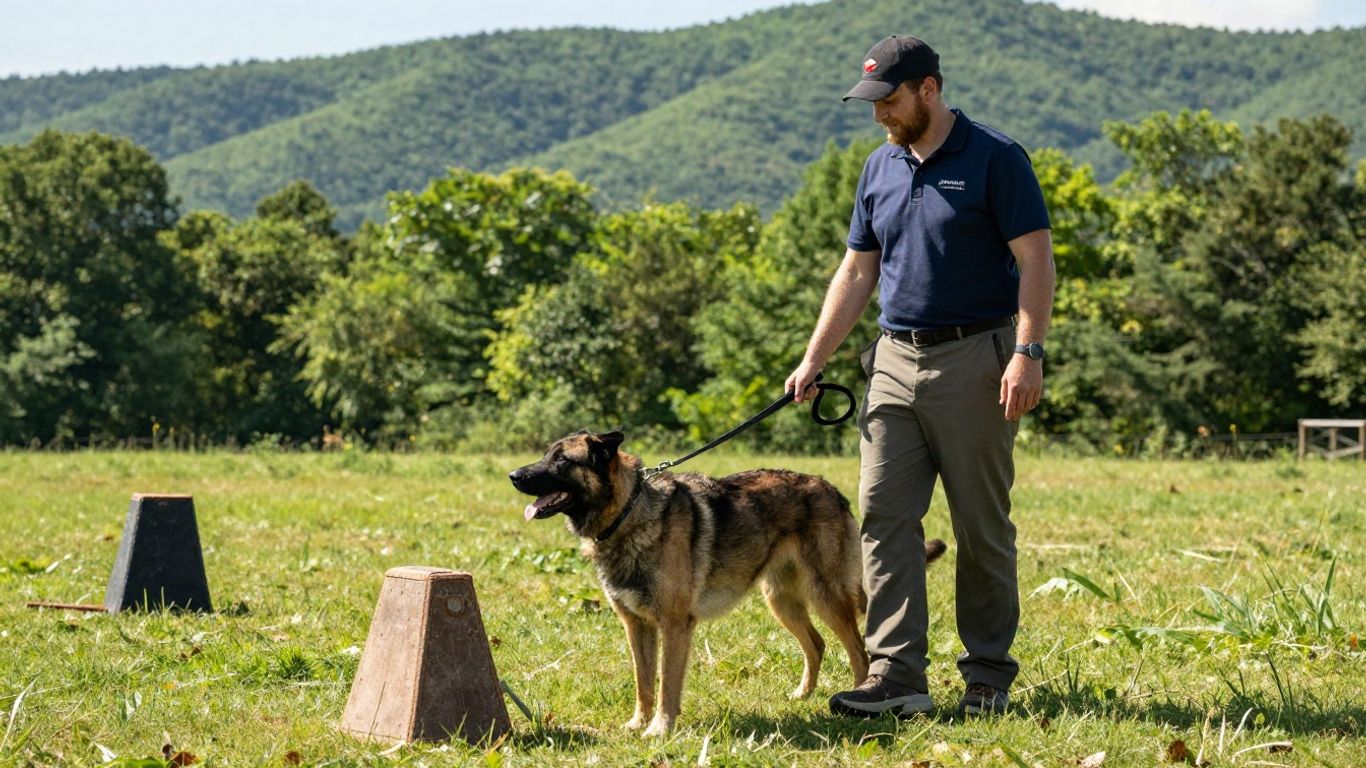
When you’re working with your dog, you want results that stick. A balanced training approach, like the NePoPo method used at Anvil K9, focuses on giving your dog clear information. This clarity means your dog understands what you want, and just as importantly, what you don’t want. This isn’t about being harsh; it’s about being effective.
Reliable Obedience in Real-World Settings
Many training methods work fine in a quiet living room. But what happens when you’re at the dog park, or walking down a busy street in Chattanooga? That’s where balanced training really shines. By using a combination of clear communication, motivation, and structured consequences, dogs learn to obey commands even when there are a lot of distractions. This means your dog is more likely to listen to you when it counts, not just when everything is calm and predictable. It builds a solid foundation for obedience that holds up when you’re out and about.
Enhanced Off-Leash Control
Want to hike the trails around Signal Mountain without your dog constantly running off? Balanced training provides the tools for reliable off-leash control. It’s about building a strong bond and clear communication so your dog chooses to stay with you, even when tempted by squirrels or other dogs. This level of control is not just about convenience; it’s about safety for your dog and peace of mind for you. We focus on making sure your dog understands the recall command and respects boundaries, which is key for any outdoor adventure.
Building Confidence Through Clear Expectations
It might seem counterintuitive, but clear boundaries and consequences can actually make a dog more confident. When a dog knows exactly what is expected and what will happen if they don’t meet those expectations, it reduces anxiety. They aren’t constantly guessing or worrying about making a mistake. This structured environment, combined with plenty of positive reinforcement for correct behavior, helps dogs feel secure and confident in their actions. It’s about setting them up for success. If you’re looking for a way to build a more confident, well-behaved companion, consider our 3 Week Board and Train program for adult dogs or our 6 Week Puppy Program for younger dogs. Both programs are designed to provide clear communication and build a strong foundation for your dog’s behavior, and we offer financing options to make it accessible.
Addressing Common Concerns
Distinguishing Balanced Training from Harsh Methods
People sometimes worry that balanced training means being rough with dogs. That’s not what we do at Anvil K9. Our approach, the NePoPo method, is about clear communication, not punishment. Think of it like this: if your dog doesn’t know a rule, how can they follow it? We use low-level markers to signal when a dog is doing something wrong, but it’s just a signal, not a harsh correction. The main focus is always on showing the dog what you do want and rewarding them for it. It’s about fairness and making sure the dog understands what’s expected. We’re not about yelling or physical force. Our goal is a confident, well-behaved dog, and that comes from clear guidance, not fear.
The Role of Aversives in Balanced Training
Aversives in balanced training are often misunderstood. At Anvil K9, we use them sparingly and at a very low level. They serve as a clear signal to the dog that they’ve made a mistake. It’s like a gentle tap on the shoulder to get their attention. This is different from punishment, which is meant to inflict pain or fear. The idea is to mark an unwanted behavior so the dog can learn to avoid it. This is then immediately followed by guiding the dog to the correct behavior and rewarding them. This combination helps dogs learn faster and more reliably. It’s about providing the dog with complete information so they can make better choices. We use these tools to help dogs understand boundaries, which ultimately builds their confidence because they know what to do.
Ensuring Dog Welfare During Training
Dog welfare is the top priority in any training program, and it’s central to how we operate at Anvil K9. We focus on clear communication and building a strong relationship with your dog. This means understanding their body language and stress signals. If a dog is showing signs of stress, we adjust our approach. Our training is designed to build confidence, not create anxiety. We use positive reinforcement heavily to reward good behavior. The structured consequences we use are always low-level and temporary, meant to guide rather than punish. It’s about teaching the dog what you want them to do and rewarding them for it. We want dogs to feel safe and understood throughout the training process. This approach helps dogs become reliable companions in real-world situations, which is what most owners are looking for. If you’re struggling with your dog’s behavior, consider our 3 Week Board and Train program for adult dogs or our 6 Week Puppy Program for younger pups. We also offer financing options to make training accessible.
When Balanced Training Excels
Some training methods work better than others depending on the situation. Balanced training, particularly the NePoPo method, really shines when you’re dealing with tougher challenges or need a high level of reliability.
Behavioral Modification Challenges
When a dog has developed some serious behavioral issues, like reactivity on leash, persistent jumping, or a complete lack of recall, a balanced approach can be incredibly effective. It’s not just about teaching a dog what to do, but also clearly communicating what not to do. This clarity helps dogs understand boundaries and consequences, which is often missing in purely positive approaches when things get tough. For instance, a dog that lunges at other dogs might need a clear, low-level marker to interrupt the unwanted behavior, followed by guidance to a calmer response. This is something Anvil K9 Dog Training addresses directly in their 3 Week Program.
High-Distraction Environments
Let’s be honest, most dogs don’t live in a quiet living room. They live in the real world, with squirrels, other dogs, people, and all sorts of noises. If you want your dog to listen to you when there’s a lot going on, balanced training offers a significant advantage. The structured use of markers and consequences helps dogs focus and make better choices, even when their instincts are screaming at them to do something else. This is where understanding how to redirect a dog’s natural drive becomes important, like with predation substitute training.
Achieving Advanced Obedience
If your goal is more than just basic sit and stay, balanced training can help you get there. Think off-leash hiking, reliable recalls from a distance, or a dog that can calmly walk through a busy park. The NePoPo method, with its emphasis on clear communication and consistent reinforcement, builds a strong foundation for advanced skills. It’s about creating a dog that understands commands not just in a controlled setting, but in any situation you throw at them. This level of reliability is what many owners seek, and it’s a hallmark of dogs trained using these methods. For serious results, consider programs like those offered by Anvil K9 Dog Training.
Balanced training provides dogs with a complete picture of what is expected. It’s not just about rewarding the good; it’s also about clearly marking and guiding away from the not-so-good. This dual approach reduces confusion and builds a more confident, reliable canine companion.
The Trainer’s Role in Safety
When we talk about dog training safety, it’s easy to focus only on the dog. But the person guiding the training is just as important, if not more so. A skilled trainer doesn’t just know how to teach commands; they know how to apply techniques safely and effectively for each individual dog. This is where Anvil K9 Dog Training really stands out. They focus on making sure the training process is secure and beneficial for your dog.
Importance of Certification and Experience
Not all trainers are created equal. Someone might have a lot of dogs, but that doesn’t automatically make them a good trainer. Certification and real-world experience matter. At Anvil K9, Jake Mumford is a NePoPo Gold Certified trainer and an AKC CGC Evaluator. This means he’s met specific standards and has proven his ability to train dogs effectively and humanely. Experience means they’ve seen a lot of different dogs and situations, and they know how to adapt. They understand the nuances of dog behavior and can read a dog’s body language to know when to push a little and when to back off. This is vital for preventing stress or fear in your dog.
Ethical Application of Techniques
Balanced training, like the NePoPo method used at Anvil K9, involves a range of tools and techniques. The key is how they are used. Ethical trainers apply these techniques with fairness and precision. They understand that a low-level marker isn’t punishment, but clear communication. They know when and how to apply pressure and, just as importantly, when to release it. This isn’t about being harsh; it’s about being clear. The goal is always to build a dog’s confidence and understanding, not to break their spirit.
Individualized Training Plans
Every dog is different. What works for one dog might not work for another. A good trainer takes the time to assess your dog’s specific personality, breed traits, and any past experiences. They then tailor the training plan accordingly. Anvil K9 offers programs like their 3 Week Board and Train for adult dogs (16 weeks and older) and their 6 Week Puppy Program for puppies 12 weeks and older. These aren’t one-size-fits-all. The trainer adjusts the pace and methods based on how your dog responds. This personalized approach is a cornerstone of safe and effective training, ensuring your dog gets the specific guidance they need to succeed. It’s about building a strong relationship based on trust and clear communication, which is essential for long-term behavioral stability. Proper socialization is also a key part of this, and controlled, positive experiences are far better than chaotic ones, especially for young dogs [5762]. This careful planning helps owners maintain progress after their dog returns home [d9b7].
Comparing Training Philosophies
Balanced Training vs. Purely Positive Methods
When you’re looking into dog training, you’ll run into different ideas about how to get your dog to behave. One big difference is between balanced training and what’s called purely positive methods. Purely positive training focuses only on rewards, like treats or praise, to get a dog to do something. It’s great for teaching basic stuff, especially in quiet places. However, it can sometimes fall short when things get a bit more complicated or distracting.
Balanced training, on the other hand, uses a mix of rewards and what we call structured consequences. This isn’t about being harsh; it’s about clear communication. Think of it like this: a dog gets a reward for doing the right thing, but if they do the wrong thing, they get a clear, low-level signal that it wasn’t what you wanted. This helps the dog understand boundaries better. At Anvil K9, we use the NePoPo method, which is a form of balanced training. It’s designed to give dogs complete information so they aren’t confused. This approach often leads to more reliable obedience, especially when you’re out and about with your dog.
Here’s a quick look at how they differ:
| Feature | Purely Positive Methods | Balanced Training (NePoPo) |
|---|---|---|
| Primary Tools | Rewards (treats, praise) | Rewards, Markers, Pressure Release |
| Handling Mistakes | Ignore or redirect | Clear, low-level signal |
| Real-World Reliability | Good for basics | High |
| Focus | What to do | What to do AND what not to do |
When Positive-Only May Fall Short
Purely positive training methods work well for many situations. If you’re teaching your puppy to sit or stay in your living room, treats and praise are usually all you need. It builds a good relationship and makes training fun. But what happens when your dog is off leash at the park and sees a squirrel? Or when another dog barks aggressively at them on a walk? In these high-distraction scenarios, a dog might ignore treats because the squirrel or the other dog is just too exciting. This is where balanced training can show its strengths. The clear communication and understanding of consequences that come with methods like NePoPo can help a dog make better choices even when they’re feeling overwhelmed or tempted. It’s about giving your dog the tools to succeed in all sorts of environments, not just the easy ones. For owners looking for that level of reliability, exploring options like the 3 Week Program might be a good next step.
Finding the Right Fit for Your Dog
Choosing a training philosophy is a big decision, and it really depends on your dog and what you want to achieve. Some dogs respond incredibly well to purely positive methods and thrive with just rewards. They might be less sensitive or have fewer behavioral challenges. However, if you’re dealing with a dog that has strong instincts, gets easily distracted, or has developed some problem behaviors, a balanced approach might be more effective. It’s not about choosing sides; it’s about picking the method that gives your dog the clearest path to success and helps you build a strong, reliable relationship. At Anvil K9, we believe in providing dogs with complete information. This means teaching them what you want them to do and also what you don’t want them to do, using clear communication and fair consequences. This approach helps build confidence because the dog understands the rules of the game. If you’re in the Chattanooga or Rossville area and want to discuss what might work best for your dog, reaching out to us is a good idea. We offer programs like the 6 Week Puppy Program for young dogs and the 3 Week Program for older dogs, both designed to create well-behaved companions. Remember, the goal is a happy, well-adjusted dog, and sometimes that requires a more nuanced approach than just treats alone. For those considering professional training, understanding the experience required is important; trainers often need hundreds of hours of experience and to pass exams.
The best training method is the one that works for your specific dog, leading to clear communication, a strong bond, and reliable behavior in everyday life. It’s about honesty and effectiveness, not just sticking to one philosophy for its own sake.
Practical Application of Balanced Techniques
Applying balanced training methods means understanding how to use different tools and timing to communicate clearly with your dog. It’s not about being harsh; it’s about being precise. At Anvil K9, we focus on giving dogs the information they need to succeed, using a system that makes sense to them. This involves a few key components.
Understanding Low-Level Markers
Markers are signals that tell your dog exactly when they’ve done something right. Think of them as a verbal "yes" or a clicker sound, but in balanced training, we also use a low-level aversive marker. This isn’t punishment. It’s a clear, brief signal that communicates "that’s not what I want" without causing fear or distress. It’s about providing immediate feedback so the dog can learn faster. For instance, if your dog is about to pull ahead on the leash, a quick, low-level "eh" sound can interrupt the unwanted action before it fully happens. This allows you to then guide them back into the correct position and reward them. This immediate feedback loop is vital for effective communication and helps dogs understand boundaries quickly. It’s a core part of how we teach reliable leash manners, a common goal for many owners seeking help with their dogs.
Reinforcing Desired Behaviors
Once a dog understands what’s expected, reinforcement is key. This is where the positive side of balanced training really shines. We use rewards – like treats, praise, or a favorite toy – to make sure the dog wants to repeat the correct behavior. The timing of the reward is critical. It needs to happen immediately after the desired action so the dog connects the reward with their good choice. This consistent positive reinforcement builds a strong association between the behavior and the good outcome. It’s not just about basic obedience; it’s about building a confident dog that actively seeks to please because they know it leads to good things. This is a major focus in our 6 Week Puppy Program and our 3 Week Program for adult dogs.
Managing Unwanted Actions Effectively
Balanced training doesn’t ignore unwanted behaviors; it addresses them directly and fairly. This involves using structured consequences when necessary. When a dog performs an unwanted action, like jumping on guests or lunging at another dog, a balanced approach uses a clear, low-level consequence to interrupt the behavior. This is followed by guiding the dog back to the desired behavior and rewarding them. The goal is not to punish the dog but to teach them that certain actions have a predictable outcome, and that the better choice leads to rewards. This structured approach helps dogs learn impulse control and understand the rules of their environment. It’s about teaching dogs how to behave appropriately in real-world situations, which is something we focus on heavily in our training programs here in the Chattanooga area. Understanding the precise movements and timing involved in dog locomotion can also inform how we apply these techniques, ensuring clarity in every interaction. Studies on animal locomotion highlight the importance of precise measurements, much like precise timing in training.
Is Balanced Dog Training Safe for Puppies?
When it comes to puppies, the word "balanced" training can sometimes raise eyebrows. People worry about introducing anything that isn’t purely positive, especially with young dogs. But let’s get real: puppies need clear guidance from day one. Balanced training, when applied correctly, is not only safe but highly beneficial for young dogs. It’s about setting them up for success by teaching them what you want them to do and what you don’t, all while building their confidence.
Puppy Foundation Training with Balanced Methods
Our approach at Anvil K9 focuses on building a solid foundation. For puppies, this means starting with our 6 Week Puppy Program. This program is designed for puppies as young as 12 weeks old. We use the NePoPo method, which is all about clear communication. Think of it like teaching a child: you reward them when they do something right, but you also need to show them when they’ve made a mistake and guide them back to the correct path. For puppies, this might involve a low-level marker for unwanted behavior, followed immediately by redirection to an appropriate action and then a reward. This isn’t about punishment; it’s about teaching them the rules of the house and the world.
Age-Appropriate Application of Techniques
The key here is "age-appropriate." We’re not asking a 12-week-old puppy to perform complex tasks or endure anything uncomfortable. The consequences we use are very mild and brief, designed to get their attention and redirect them, not to scare them. For instance, if a puppy is nipping too hard during play, a quick "oops" sound or a brief pause in the game can communicate that the behavior needs to stop. This is far more effective than letting the behavior continue or using harsh methods later on. We focus on teaching bite inhibition, basic manners, and recall in a way that makes sense for a young dog’s development. It’s about building good habits from the start, which is much easier than correcting ingrained bad ones later.
Socialization and Confidence Building
Socialization is huge for puppies, and balanced training supports this. By providing clear structure and predictable outcomes, puppies learn to trust their environment and their handlers. They gain confidence because they understand what’s expected of them. Our 6 Week Puppy Program includes structured socialization experiences, helping puppies learn to interact appropriately with other dogs and people in various settings around Chattanooga. This controlled exposure, combined with positive reinforcement for good behavior, helps prevent fear-based reactions later in life. A confident puppy is a well-adjusted adult dog.
It’s easy to get caught up in the idea that puppies need to be coddled and never experience anything remotely unpleasant. But dogs, even tiny ones, are learning constantly. If they don’t learn boundaries and what’s acceptable, they can develop anxiety and behavioral problems. Balanced training provides the structure they need to feel secure and understand their world.
We understand that choosing a training program is a big decision. That’s why we offer flexible financing options through Affirm, making it easier to invest in your puppy’s future. If you’re in the Chattanooga area and looking to give your puppy the best start, consider our 6 Week Puppy Program. You can also reach out to us with any questions at https://anvilk9.com/contact/.
Evaluating Training Outcomes

So, you’ve put in the work, maybe even sent your dog off for a bit of professional help. Now comes the part where you see what all the fuss was about. How do you actually know if the training stuck? It’s not just about whether your dog sits when you ask; it’s about their overall behavior and how they handle the world.
Assessing Reliability and Responsiveness
This is where you look at the practical application of what your dog has learned. Can they perform commands consistently, even when there are distractions? We’re talking about real life here, not just your quiet living room. A dog that reliably responds to cues like ‘come’ when a squirrel runs by, or ‘leave it’ when they spot a dropped piece of food, shows that the training has translated into dependable behavior. It’s about building a system for assessing canine gait that shows potential clinical utility, but more research is needed to validate its effectiveness across different breeds and environments. At Anvil K9, our programs are designed to build this kind of real-world reliability.
Here’s a quick way to check:
- Recall: Does your dog come back to you when called, even with other dogs or people around?
- Loose Leash Walking: Can they walk beside you without pulling, even in busy areas?
- Place Command: Do they stay on a designated spot (like a mat) until released?
- Impulse Control: Can they wait for food or a toy without grabbing it immediately?
Observing Dog’s Temperament and Well-being
Training isn’t just about obedience; it’s also about how your dog feels. A well-trained dog should generally be more confident and less anxious. You want to see a dog that is engaged with you and their environment, not one that is shut down or overly stressed. Look for signs of stress like excessive panting, lip licking, or avoidance. Conversely, a dog that is eager to engage, happy to work with you, and can relax when appropriate is a good indicator of successful, balanced training. It’s about managing the outcomes of your dog’s actions to shape their behavior, encouraging desired behaviors through positive reinforcement.
Long-Term Behavioral Stability
What happens weeks or months after the formal training period ends? That’s the real test. Training outcomes should be stable over time. This means the behaviors learned are not just temporary tricks but ingrained habits. A dog that maintains good manners and responsiveness long-term suggests the training addressed the root of the behavior, not just the surface symptoms. This stability is what owners are looking for, and it’s what we aim for with our 3 Week Board and Train and 6 Week Puppy Program. It’s about building a foundation that lasts, creating a well-adjusted companion for years to come.
Wondering how well your dog’s training is going? We check how your dog is doing throughout the program. You can see the progress your dog is making. Want to see the amazing changes yourself? Visit our website to learn more about our training programs and how we measure success!
Conclusion
So, is balanced dog training safe? When done correctly by a skilled trainer, it absolutely can be. The key is understanding that ‘balanced’ means using a variety of tools and techniques thoughtfully, not just applying harsh corrections. Methods like NePoPo focus on clear communication and rewarding good behavior, while using low-level corrections only when necessary to guide the dog. This approach can lead to highly reliable obedience and confident dogs, even in tough situations. If you’re considering balanced training, especially for challenging behaviors or if you want top-notch off-leash control, look for a certified, experienced trainer who prioritizes your dog’s welfare. For residents in the Chattanooga, TN and Rossville, GA area looking for reliable obedience and calm behavior, Anvil K9 Dog Training, owned by veteran and NePoPo Gold Certified trainer Jake Mumford, offers a 3 Week Program for adult dogs and a 6 Week Puppy Program. They use balanced training with NePoPo and e-collar techniques to achieve real-world results. Financing is available through Affirm. Learn more at anvilk9.com/board-and-train-chattanooga or contact them at anvilk9.com/contact. Remember, the best training method is the one that works safely and effectively for your individual dog and your lifestyle.
Frequently Asked Questions
What exactly is balanced dog training?
Balanced dog training is a way of teaching dogs that uses different methods. It mixes positive rewards, like treats or praise, with corrections when the dog does something wrong. The idea is to give the dog clear signals about what’s okay and what’s not, using whatever works best for that dog and situation.
Is balanced training the same as punishment-based training?
No, not at all. While balanced training does use corrections, it’s not just about punishing the dog. It’s about clear communication. Think of it like this: a gentle nudge to get a dog’s attention is different from yelling or hitting. Balanced trainers use corrections in a controlled way to guide the dog, not to scare or hurt them.
Can balanced training be safe for my puppy?
Yes, balanced training can be safe for puppies, but it needs to be done very carefully. Young puppies need gentle guidance and lots of positive experiences. A good balanced trainer will use very low-level corrections, if any, with a young puppy, focusing more on teaching them good habits and how to be confident. It’s all about using the right tools for the right age.
What are the benefits of using balanced training?
One big plus is that dogs trained this way often listen really well, even when there are lots of distractions. They can be trusted off-leash, and they tend to understand boundaries better. This can make life easier and safer for both you and your dog, especially in busy places like parks or busy streets.
How do I know if a balanced trainer is good and safe?
Look for trainers who are certified by reputable organizations and have good experience. A good trainer will explain their methods clearly, show you how they work with dogs, and focus on your dog’s well-being. They should be able to show you how they use corrections fairly and effectively, and they should have a plan that’s made just for your dog.
What is the NePoPo method?
NePoPo is a specific type of balanced training developed by Bart Bellon. It stands for Negative, Positive, Positive. First, a low-level correction (Negative) marks unwanted behavior. Then, the dog is guided to do the right thing and rewarded (Positive). Finally, the correct behavior is rewarded again (Positive) to make sure the dog understands. It’s a structured way to teach.
When might balanced training be a better choice than purely positive methods?
Purely positive methods work great for many dogs and situations. But for dogs that are very stubborn, have serious behavior problems like aggression or extreme fear, or if you need very strong off-leash control in busy areas, balanced training can sometimes provide clearer results faster. It gives the dog more information about what’s expected.
What are ‘low-level markers’ in training?
Low-level markers are gentle signals used to get a dog’s attention or to mark a behavior. This could be a soft tap, a specific sound, or a very low-level electronic collar correction. It’s not meant to hurt or scare the dog, but rather to interrupt an unwanted action or to get the dog to focus so they can be guided to the correct behavior.