
So, you’ve got an older dog, and you’re wondering if it’s too late to teach them new tricks. Maybe they never got much training, or maybe their behavior has changed as they’ve gotten older. It’s a common question, and honestly, the answer might surprise you. The idea that you can’t teach an old dog new tricks is mostly a myth. Senior dog training is it too late? Let’s break it down.
Key Takeaways
- It’s never too late to start senior dog training; age is not a barrier to learning.
- Training older dogs offers significant benefits, including mental stimulation and a stronger bond with their owner.
- Adapting training methods to suit a senior dog’s physical and mental state is important for success.
- Be prepared to address common challenges like physical limitations or past learned behaviors.
- Professional help from a qualified trainer can be very beneficial for specific issues or for a structured approach.
Understanding Senior Dog Training: Is It Ever Too Late?
You might be wondering if your older dog can still learn new tricks, or if training is just for puppies. The short answer is no, it’s absolutely not too late to start training your senior dog. Age is truly just a number when it comes to learning. Many people believe that once a dog hits a certain age, their learning capacity diminishes significantly, but that’s a myth we need to bust. Dogs, much like people, can continue to learn and adapt throughout their lives.
Debunking the Myth: Age Is Just A Number
It’s a common misconception that older dogs are set in their ways and can’t be trained. This often leads owners to skip training altogether for their senior companions. However, Anvil K9 has seen firsthand how older dogs can thrive with consistent, appropriate training. The key isn’t the dog’s age, but rather the approach taken. Just because a dog has years of habits doesn’t mean those habits can’t be modified or replaced with better ones. Think of it like learning a new skill yourself; it might take a bit longer when you’re older, but it’s far from impossible.
Assessing Your Senior Dog’s Readiness
Before diving into training, it’s important to assess your senior dog’s physical and mental state. Are they experiencing any health issues? Arthritis, hearing loss, or vision impairment can affect how they learn and interact. A quick check-up with your veterinarian is a good first step. You’ll want to understand their limitations and capabilities. Consider their energy levels too. Some senior dogs are still quite spry, while others prefer a more relaxed pace. Adapting activities to suit their current condition is vital. For instance, if your dog has joint issues, you’ll want to focus on low-impact exercises rather than strenuous activities. Adjusting their exercise routine can make a big difference in their overall well-being and trainability.
Setting Realistic Expectations For Older Dogs
When training a senior dog, it’s important to set realistic goals. You’re not aiming to turn them into a canine athlete overnight, especially if they haven’t had much formal training before. Focus on achievable milestones that improve their quality of life and your relationship. This might mean working on basic obedience, improving leash manners, or addressing specific behavioral issues like excessive barking or anxiety. The goal is progress, not perfection. Remember that consistency and patience are your best tools. It might take more repetitions for an older dog to grasp a new concept compared to a puppy, but the satisfaction of seeing them succeed is immense. Even simple new tricks can provide mental stimulation and keep their minds sharp.
Benefits Of Training An Older Dog
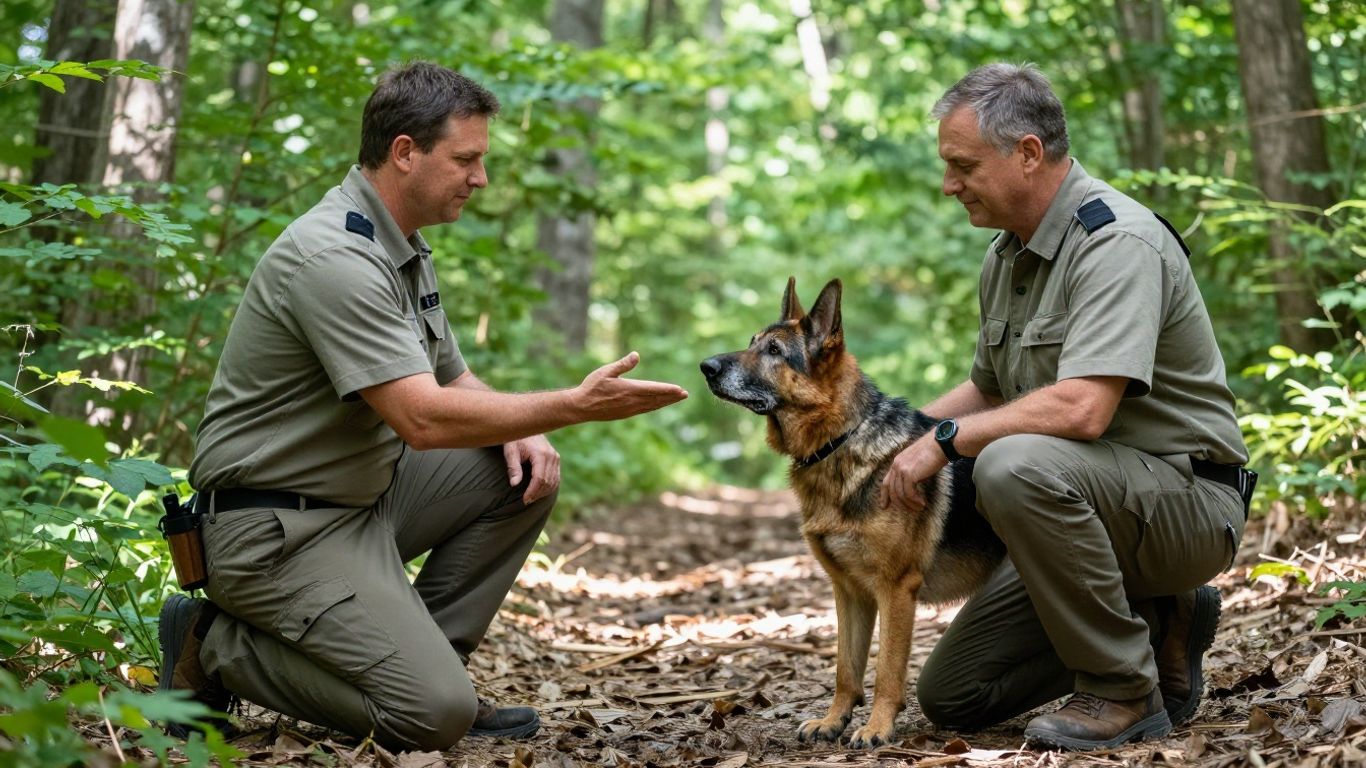
People sometimes think that once a dog gets older, training is pretty much over. That’s not really true. Just like with people, keeping an older dog’s mind active is important. Training isn’t just about teaching new tricks; it’s about keeping their brain sharp and their body moving.
Enhancing Mental Stimulation And Preventing Cognitive Decline
An older dog’s mind can start to slow down, similar to how people experience cognitive changes as they age. Training provides a structured way to challenge their brains. Think of it like doing puzzles or learning a new skill yourself. It keeps those neural pathways firing. Even simple exercises, like practicing known commands or learning a new, easy cue, can make a big difference. This mental workout can help slow down the onset of age-related cognitive decline, keeping your dog more alert and engaged with the world around them. It’s a proactive step for their long-term brain health.
Strengthening Your Bond Through Shared Activities
Training sessions, especially when done with patience and positive reinforcement, are a fantastic way to connect with your senior dog. It’s quality time spent together, focused on a shared goal. When your dog successfully responds to a cue, it builds trust and mutual understanding. This shared success reinforces your relationship. It’s not just about obedience; it’s about communication and teamwork. This can be particularly helpful if your dog has developed some behavioral issues or if you’ve adopted an older dog and are still getting to know each other. Building this connection can make your remaining years together even more enjoyable. For those looking to build a stronger connection, consider our 3 Week Program which focuses on real-world obedience and reliability.
Improving Behavior And Reducing Stress
Sometimes, older dogs develop new behavioral quirks or old ones resurface. Training can help address these issues. Whether it’s mild anxiety, increased reactivity, or just a general lack of focus, structured training provides a framework for improvement. By teaching your dog alternative behaviors, you can reduce stress for both of you. For example, if your dog barks excessively at the door, training a ‘go to your mat’ cue can redirect that energy. This not only solves the immediate problem but also gives your dog a sense of security and predictability. A well-behaved dog is a less stressed dog, and that means a more peaceful home environment for everyone. It’s about making sure your senior dog is comfortable and confident in their surroundings.
Training an older dog isn’t about fixing a broken animal; it’s about continuing to provide them with the mental and physical engagement they need to live their best life. It’s a commitment to their well-being in their golden years.
Anvil K9 Dog Training offers specialized programs designed for dogs of all ages. Our 3 Week Program is ideal for adult dogs looking to refine their manners and obedience. If you’re ready to invest in your dog’s continued happiness and well-being, consider reaching out. We are a veteran owned business and offer financing through Affirm to make our services accessible. Contact us today at https://anvilk9.com/contact/.
Getting Started With Senior Dog Training
Starting training with an older dog might feel like a big step, but it’s absolutely doable. The key is to adjust your approach to suit their age and experience. Think of it less like starting from scratch and more like refining existing skills or teaching new ones with patience.
Choosing The Right Training Approach
When you’re looking at training options for your senior dog, it’s important to pick something that fits their needs. We focus on methods that are clear, consistent, and build on what your dog already knows. At Anvil K9, we have two main programs designed for different stages of a dog’s life. For adult dogs, including seniors, our 3 Week Board and Train is a solid choice. It’s built for dogs 16 weeks and older and focuses on reliable obedience and behavior modification in real-world settings. This program is intensive and designed to make significant progress quickly.
Adapting Techniques For Senior Dogs
Older dogs might have physical limitations or a history of how they’ve been trained before. You can’t always expect them to learn at the same pace as a puppy. We use techniques that are easy on their bodies and minds. This means shorter training sessions, lots of positive reinforcement, and avoiding anything that might cause them stress or discomfort. It’s about clear communication and building trust.
Creating A Positive And Patient Learning Environment
Your senior dog needs a learning space where they feel safe and encouraged. This means keeping training sessions short, fun, and rewarding. Avoid overwhelming them with too much information at once. Patience is your best friend here. Celebrate small wins and don’t get discouraged by setbacks. Remember, the goal is to improve your dog’s quality of life and your relationship with them. If you’re looking for a structured program that provides this kind of focused attention, our 3 Week Board and Train is designed to give your dog the best chance at success. We also offer financing through Affirm to make this investment manageable. As a veteran owned business, we are committed to providing top-tier training. If you have questions, feel free to contact us.
Addressing Common Senior Dog Training Challenges
It’s a common thought: can an older dog really learn new tricks? Absolutely. But just like with people, older dogs come with their own set of considerations. We’re not talking about starting from scratch with a puppy here. Instead, we’re looking at how to work with a dog who has a history, and maybe some physical quirks.
Physical Limitations and Health Considerations
First off, let’s be honest. Your senior dog might not have the same stamina or physical capabilities as a younger dog. Arthritis, hearing loss, or vision impairment can all play a role in how they learn and what they can do. You won’t be asking a dog with hip dysplasia to do long-distance fetch, for example. It’s about adapting.
- Listen to their body: Watch for signs of fatigue or discomfort. Shorter training sessions are usually better.
- Consult your vet: Before starting any new training, especially if your dog has known health issues, a quick chat with your veterinarian is a good idea. They can advise on what activities are safe.
- Modify exercises: If a standard command requires a jump or a quick turn, think about how to adapt it. Maybe a sit-stay is more appropriate than a down-stay if lying down is painful.
The most important thing is to be aware of your dog’s physical state and adjust accordingly.
Overcoming Past Training Experiences
Some older dogs come with baggage. Maybe they had a previous owner who wasn’t consistent, or perhaps they had a bad experience with training or a specific trainer. This can manifest as fear, anxiety, or even stubbornness. It’s not that they’re being difficult; they’re often just reacting based on what they’ve learned.
- Build trust: Start with low-pressure exercises that you know your dog can succeed at. Positive reinforcement is key here to rebuild their confidence.
- Be patient: If your dog is hesitant or fearful, don’t push them. Go at their pace. Sometimes, just being in the training environment without pressure is a step forward.
- Identify triggers: Try to figure out what might have caused past negative experiences. If they react poorly to certain equipment or training styles, avoid those and focus on what works for them.
Sometimes, a dog’s past experiences can make them seem resistant to new training. It’s not defiance; it’s often a learned response to fear or confusion. Your job is to show them that this new experience is safe and rewarding.
Managing Age-Related Behavioral Changes
As dogs age, their behavior can change. This isn’t always about training; it can be medical. Cognitive decline, similar to dementia in humans, can cause confusion, changes in sleep patterns, and accidents in the house. Increased anxiety or changes in social behavior can also occur.
- Rule out medical issues: If you notice sudden behavioral changes, a vet visit is the first step. Conditions like urinary tract infections, thyroid issues, or pain can all cause behavioral shifts.
- Provide routine: Predictable schedules for feeding, potty breaks, and training can help dogs with cognitive decline feel more secure.
- Gentle redirection: If your dog is engaging in unwanted behaviors due to confusion, gently redirect them to a more appropriate activity. For example, if they are pacing, guide them to a comfortable resting spot.
For many owners, addressing these challenges means seeking professional guidance. If you’re finding it tough to manage these issues on your own, consider a professional obedience training program. Anvil K9 offers a 3 Week Program designed for adult dogs, which can help address many of these age-related behavioral concerns. We also offer Affirm financing to make it easier to invest in your dog’s well-being.
When To Seek Professional Help For Your Senior Dog
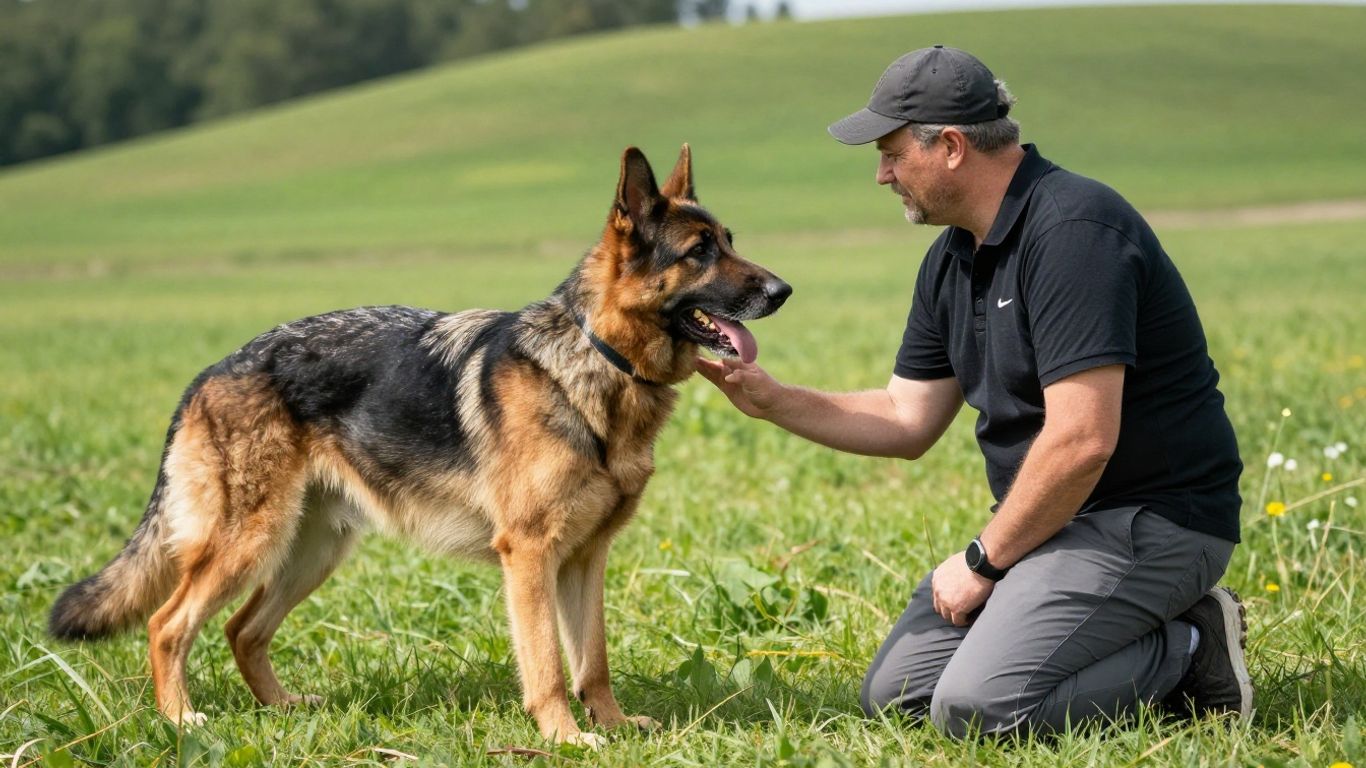
Sometimes, even with the best intentions, you hit a wall with your senior dog’s training. It’s not a sign of failure, but a signal that it might be time to bring in an expert. Anvil K9 is here to help when you need a clear path forward.
Identifying Signs You Need Expert Guidance
There are a few common situations where professional help makes a big difference. If your dog is suddenly showing aggression, or if a previously managed behavior has gotten worse, it’s a good idea to get a professional opinion. Sometimes, it’s not about a new problem but an old one that’s resurfaced or intensified. We see this a lot with dogs who have developed new anxieties or fears, or those who have become suddenly reactive on walks. Don’t wait for a minor issue to become a major crisis.
Here are some signs that indicate it’s time to call in the pros:
- Sudden or increased aggression towards people or other animals.
- Intensified fear or anxiety, leading to destructive behavior or house soiling.
- Loss of previously reliable obedience, especially recall or leash manners.
- New or worsening reactivity on leash or in the home.
- Any behavior that causes you or your dog significant stress.
Finding A Qualified Trainer For Older Dogs
When looking for help, you want someone who understands the nuances of training older dogs. At Anvil K9, we specialize in working with dogs of all ages, including seniors. We use a balanced approach that focuses on clear communication and building confidence, which is especially important for older dogs who may have ingrained habits or physical limitations. We don’t offer generic advice; we look at your specific dog and your situation.
The Value Of Board And Train Programs For Seniors
For many owners, a board and train program is the most effective way to address persistent issues or build a solid foundation of obedience. Our 3 Week Program is designed for adult dogs, including seniors, and provides an immersive training environment. Your dog lives with our trainers, receiving consistent, daily instruction. This focused approach allows for rapid progress and helps establish reliable behaviors in a structured setting. It’s a significant investment, but the results in terms of improved behavior and a stronger relationship with your dog are often well worth it. We also offer financing options through Affirm to make this investment more manageable. If you’re ready to see real change, contact us to discuss how our programs can help your senior dog.
As your dog gets older, you might notice some changes in their behavior or health. It’s important to know when these signs mean it’s time to get some expert advice. Don’t wait to figure things out alone. Visit our website today to learn more about how we can help your senior dog live their best life.
It’s Never Too Late to Train Your Senior Dog
Look, training an older dog isn’t always a walk in the park, and sometimes you hit a wall. But is it too late to start? Absolutely not. Even if your dog has years of habits, good or bad, they can still learn new things. It might take a bit more patience, and you’ll need to figure out what really motivates them – maybe it’s a special treat, a favorite toy, or just some good old-fashioned praise. Don’t expect miracles overnight, but with consistent effort and the right approach, you can definitely improve your dog’s behavior and strengthen your bond. If you’re feeling stuck or your dog needs more structured help, consider professional training. For adult dogs needing reliable obedience and calm behavior, our 3 Week Program is designed for exactly that. We also offer financing through Affirm, and as a veteran-owned business, we’re here to help you and your dog succeed. Visit us at anvilk9.com/board-and-train-chattanooga or contact us at anvilk9.com/contact to learn more.
Frequently Asked Questions
Can an old dog really learn new tricks?
Absolutely! Just like people, dogs can learn new things at any age. While puppies might pick things up a bit faster, older dogs are often very eager to please and can become excellent students. Their life experience can even make them more focused during training sessions. So, no, it’s never too late to start teaching your senior dog something new.
What are the main benefits of training a senior dog?
Training an older dog offers some great advantages. It keeps their brain active, which can help prevent or slow down problems like confusion or memory loss. It also gives you and your dog a fun way to spend time together, making your bond even stronger. Plus, learning new skills or improving old behaviors can make your dog happier and reduce stress for both of you.
How is training a senior dog different from training a puppy?
Training a senior dog means you need to be extra patient and understanding. They might have physical issues like stiff joints or hearing loss, so you’ll need to adjust your training methods. For example, instead of long sessions, try shorter, more frequent ones. Also, older dogs might have established habits, good or bad, that you’ll need to work with gently.
What if my senior dog has health problems that make training hard?
It’s important to consider your dog’s health. If your dog has arthritis or other issues, you’ll want to avoid exercises that could hurt them. Keep training sessions short and sweet, and focus on mental challenges rather than physical ones. Always talk to your vet before starting any new training to make sure it’s safe and appropriate for your dog’s specific health needs.
How can I keep my senior dog engaged during training?
Senior dogs thrive on mental exercise. Use training sessions to teach them new commands, tricks, or puzzle toys. Keep the sessions positive and fun, using rewards they love, like special treats or praise. Shorter, more frequent training periods are usually best, so they don’t get tired or frustrated. The goal is to make learning enjoyable and rewarding for them.
When should I consider professional help for my senior dog’s training?
If you’re facing challenges you can’t seem to overcome, or if your dog’s behavior changes suddenly, it’s a good idea to get expert help. A professional trainer experienced with older dogs can offer tailored advice and techniques. They can help with specific issues like anxiety, fear, or difficulty learning, ensuring your senior dog gets the best possible support. Anvil K9 Dog Training offers a 3 Week Program for adult dogs starting at 16 weeks old, using balanced training methods for reliable obedience and calm behavior. We also offer financing through Affirm and are veteran owned. You can learn more at https://anvilk9.com/board-and-train-chattanooga/ or contact us at https://anvilk9.com/contact/.