
So, your dog just got back from a board and train program. That’s great! You’ve probably seen some amazing changes, and that’s exactly what you paid for. But now the real work begins, right? It’s easy to think the job is done once they’re home, but that’s not quite how it works. Keeping up with the training is super important if you want those good behaviors to stick. This guide is all about how to maintain training after board and train, making sure your dog stays on track and you both keep enjoying that well-behaved pup.
Key Takeaways
- Stick to a daily training schedule, even if it’s short. Consistency is key to reinforcing what your dog learned during their board and train program.
- Practice commands in different places and with distractions. This helps your dog understand that the rules apply everywhere, not just in the training program.
- Give your dog time to adjust when they first come home. They might be a bit off or need a little extra reassurance as they settle back in.
- Keep training fun and rewarding. Use positive reinforcement to keep your dog motivated and engaged, making learning enjoyable.
- Don’t be afraid to ask your trainer for help. They can offer guidance and support if you run into any issues or have questions about your dog’s progress.
Reinforce Learned Behaviors Consistently
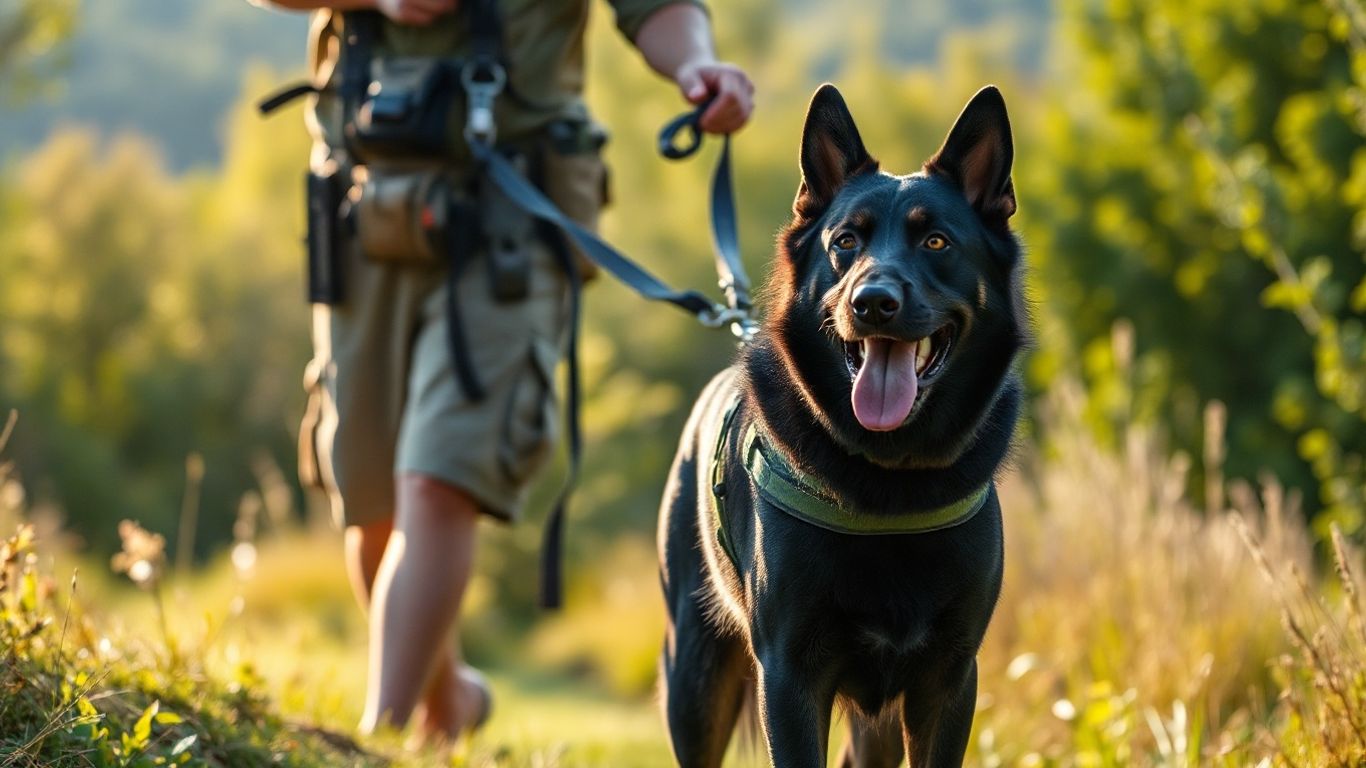
The training your dog received during their time with Anvil K9 is just the start. To make those skills stick, you need to actively reinforce them every single day. Think of it like this: the board and train program gave your dog a solid foundation, but it’s your job now to build the house on top of it. Without consistent practice, those learned behaviors can fade faster than you think.
Establish a Daily Training Routine
Consistency is the name of the game. Your dog thrives on predictability, and a daily training routine helps solidify what they learned. It doesn’t need to be hours long; even 10-15 minutes twice a day can make a huge difference. This routine should incorporate basic commands, impulse control exercises, and reinforcing good manners.
- Morning Session: Start the day by practicing a few commands before breakfast. This gets their mind engaged and sets a positive tone.
- Afternoon/Evening Session: Dedicate time for more focused practice, perhaps working on a specific skill or introducing a new variation.
- Throughout the Day: Look for opportunities to ask for known commands in everyday situations, like sitting before going outside or waiting for their food bowl.
Practice Commands in Various Environments
Your dog learned a lot in a controlled setting, but the real world is full of distractions. You need to gradually expose them to different environments to prove that commands like ‘sit’ or ‘stay’ apply everywhere, not just in the training program. Start small and build up.
- Low Distraction: Begin in your backyard or a quiet park.
- Medium Distraction: Move to a slightly busier park, a quiet street, or a pet-friendly store.
- High Distraction: Eventually, practice in areas with more activity, like a busy sidewalk or a dog-friendly patio.
The goal is to build reliability under pressure.
Maintain Clear Communication and Expectations
Everyone in the household needs to be on the same page. If one person allows the dog on the furniture while another doesn’t, it creates confusion. Make sure all family members understand the commands, the hand signals, and the rules. This consistency in communication prevents your dog from becoming unsure about what’s expected of them. It’s about clear, consistent signals so your dog knows exactly what you want, every time. If you’re struggling with how to communicate effectively, consider reaching out to your trainer for guidance on positive reinforcement methods.
The transition from a structured board and train program back home requires active participation from the owner. Your dog has learned to respond to specific cues and expectations; it’s your responsibility to maintain that structure and clarity. Without it, the progress made can quickly diminish, leading to frustration for both you and your dog.
Understand Your Dog’s Post-Boarding Needs
Bringing your dog home after a board and train program, like the ones Anvil K9 offers, is a big step. It’s not just about picking them up and expecting everything to be perfect immediately. Your dog has been in a structured environment, learning new things and adjusting to a different routine. Now, they need to transition back to their familiar surroundings with you. This period is important for both of you to readjust.
Allow for a Settling-In Period
When your dog first returns, give them space. They might be excited, a little overwhelmed, or even a bit reserved. Don’t expect them to be on their best behavior 24/7 right away. Let them explore their home, sniff around, and reconnect with you at their own pace. This initial period is about comfort and re-establishing your bond in their home environment. Think of it like returning from a long trip yourself; you need a little time to get back into your normal rhythm.
Observe for Any Regression or New Issues
It’s common to see a little backsliding. Your dog might forget a command they knew, or revert to an old habit. This doesn’t mean the training didn’t work. It just means they’re adjusting to a new context. Pay attention to what’s happening. Are they struggling with specific things? Are there new behaviors popping up that you didn’t see before? Documenting these instances can help you and your trainer figure out the best way to address them. Sometimes, the home environment presents different challenges than the training program. This content discusses training techniques that trainers use when a dog struggles, which can be a good reminder of how to approach these moments.
Recognize the Importance of Continued Socialization
Even after a board and train program, your dog still needs to interact with the world. This doesn’t mean throwing them into chaotic situations. It means continuing to expose them to different sights, sounds, people, and other dogs in a controlled and positive way. If your dog attended the 6 Week Puppy Program, continued socialization is key to developing a well-adjusted adult dog. For dogs in the 3 Week Program, maintaining their exposure helps solidify their training in real-world settings. Think about short, positive outings to a quiet park or a walk in a less busy area. This keeps their skills sharp and their confidence up.
Bridge the Gap Between Training and Home Life
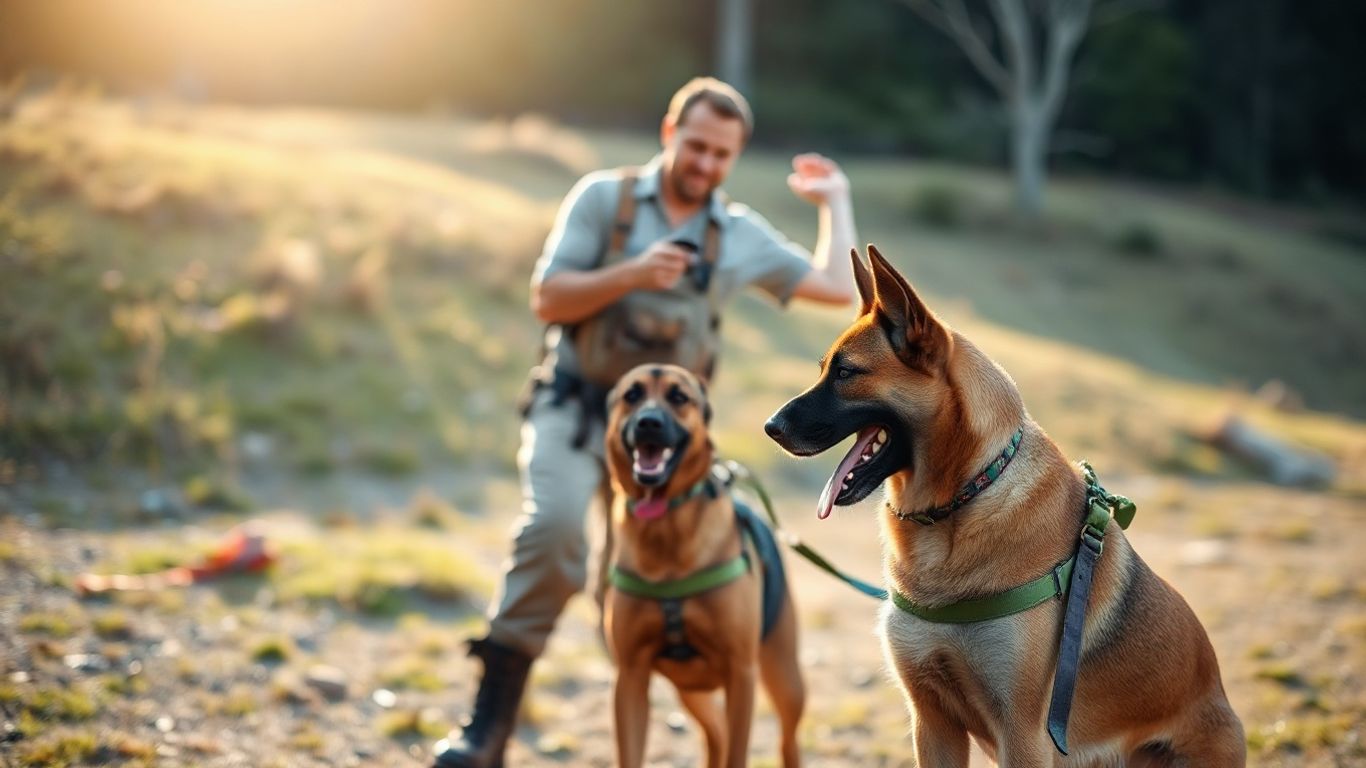
Translate Board and Train Skills to Your Household
Bringing your dog home after their time with us at Anvil K9 means shifting gears from a structured training environment to your everyday life. The skills your dog learned during their 3 Week Program or 6 Week Puppy Program are meant to be integrated, not just performed on command. Think of it like this: your dog has learned a new language, and now you need to become fluent in speaking it with them. This isn’t about repeating drills endlessly; it’s about making the commands a natural part of your interactions. For example, if your dog mastered ‘sit’ at the door, don’t just ask for it when you’re leaving. Ask for it when you’re handing them their food bowl, when you’re about to put their leash on for a walk, or even just as a way to get their attention. The goal is to make these learned behaviors a consistent part of your dog’s daily routine in your home. This consistency is what solidifies the training and prevents the dog from thinking there are two different sets of rules – one at the training program and one at home.
Manage Your Dog’s Environment Effectively
Your home environment presents different challenges and distractions than our training program. To help your dog succeed, you need to set them up for it. This means managing their surroundings to prevent them from practicing unwanted behaviors. If your dog tends to jump on guests, don’t let them greet people at the door without a command like ‘sit’ or ‘place’. If they chew inappropriate items, make sure those items are out of reach. It’s about being proactive. Think about the common issues you faced before training and how you can prevent them now that your dog has a better understanding of what’s expected. This might involve using gates, crates, or leashes temporarily until your dog’s reliability increases. We want to create an environment where your dog is more likely to make the right choices, and we can help you figure out the best setup for your specific situation. Remember, this is about building on the foundation we’ve established, not starting over.
Involve All Family Members in Training
For training to stick, everyone in the household needs to be on the same page. If one person is enforcing commands and another is letting things slide, your dog will get confused. It’s important that all family members, including children (with supervision, of course), understand the commands and how to ask for them consistently. This doesn’t mean everyone needs to become a dog trainer overnight. It means everyone should know that when they ask for a ‘sit’, they should expect a ‘sit’, and if the dog doesn’t comply, they should know how to handle it, perhaps by asking again or by redirecting. We can provide guidance on how to get everyone involved, ensuring that the communication your dog received during their board and train program is maintained. This shared effort makes a huge difference in your dog’s long-term success and strengthens the bond between your dog and each family member. It’s a team effort, and Anvil K9 wants to support your whole family in this process. If you’re looking for a program that sets your dog up for success in your home, consider our 3 Week Program for adult dogs or our 6 Week Puppy Program for younger dogs.
Utilize Your Trainer’s Expertise
The board and train program, whether it’s our 3 Week Program for adult dogs or the 6 Week Puppy Program, is just the start. Your trainer at Anvil K9 is your best resource for making sure the training sticks when you get home. They’ve spent focused time with your dog and know what works. Don’t hesitate to lean on them.
Schedule Follow-Up Sessions if Needed
Sometimes, even with the best intentions, things don’t go perfectly when you bring your dog back home. Maybe a specific behavior pops up, or you’re just not seeing the same level of responsiveness. That’s completely normal. Anvil K9 offers follow-up sessions to help you bridge that gap. These sessions are designed to address any new challenges or reinforce what your dog learned during their board and train stay. Think of it as a tune-up for your dog’s obedience.
Ask Specific Questions About Your Dog’s Progress
When you connect with your trainer, be ready with specific questions. Instead of saying ‘he’s not listening,’ try asking ‘how can I get him to stay when the mail carrier arrives?’ or ‘what’s the best way to practice recall when there are squirrels around?’ Your trainer can give you targeted advice based on your dog’s individual progress and the techniques used during their time with us. They can also explain the NePoPo method principles in a way that makes sense for your home life.
Leverage Lifetime Support Resources
Anvil K9 provides lifetime support for our board and train clients. This isn’t just a buzzword; it means we’re here for you long after your dog has completed their program. This support can come in the form of advice over the phone, email, or even recommending specific exercises. We want you to succeed, and that support is part of the package. It’s a commitment to your dog’s long-term well-being and your relationship with them. If you’re looking for a program that continues to support you, consider our 3 Week Board and Train or 6 Week Puppy Program.
Your trainer’s knowledge is a direct extension of the training your dog received. Use them actively to ensure continued success and a strong partnership with your canine companion.
Address Potential Challenges Head-On
Handle Setbacks with Patience
It’s totally normal for your dog to have off days after coming home from a board and train program. Think of it like returning to school after a long break; you might forget a few things or need a refresher. Don’t get discouraged if your dog doesn’t perform perfectly every single time. Patience is your most important tool right now. If your dog struggles with a command they knew well, take a deep breath. Go back to basics, break the command down into smaller steps, and reward even small successes. Remember, Anvil K9 uses the NePoPo method, which is about clear communication and building reliability, but consistency from you is key to maintaining that progress. Avoid getting frustrated, as your dog will pick up on that energy.
Identify Triggers for Undesired Behaviors
Sometimes, behaviors that were managed during board and train can resurface at home. This usually happens because the home environment has different triggers than the training environment. Pay close attention to when and where your dog struggles. Are they barking at the mail carrier? Do they get overly excited when guests arrive? Keep a simple log. Note the situation, what happened right before, and your dog’s reaction. This information is gold. For example:
| Situation | Trigger | Dog’s Reaction | Your Response |
|---|---|---|---|
| Walk | Squirrel | Lunging, barking | Redirected with treat |
| Home | Doorbell | Pacing, whining | Gave ‘sit’ command |
| Car Ride | Other dogs passing | Stiff body, low growl | Ignored, focused on driving |
Understanding these triggers helps you proactively manage the situation or work on specific training exercises to address the root cause. This is where the real work of integrating training into your life happens.
Seek Professional Guidance for Persistent Issues
If you’ve tried being patient, identified triggers, and are still seeing significant issues, don’t hesitate to reach out. That’s what the support after your 3 Week Board and Train or 6 Week Puppy Program is for. Persistent problems like severe reactivity, anxiety, or aggression need expert eyes. Sometimes, a quick follow-up session or a phone call with your trainer can pinpoint the issue and provide a clear path forward. It’s not a sign of failure on your part or your dog’s; it’s just part of the ongoing process of building a well-behaved companion. We offer lifetime support for a reason – because we’re here to help you through the tough spots too.
Keep Training Engaging and Rewarding
Training doesn’t stop when you bring your dog home. To make sure the skills learned during their time with us stick, you need to keep things interesting. If training becomes a chore, for you or your dog, it won’t last. Anvil K9 believes in making training a positive part of your daily life.
Incorporate Training into Daily Activities
Think about your dog’s day. There are plenty of moments where you can sneak in a quick training session without it feeling like work. Waiting for their food bowl? Ask for a sit. Walking through the door? Practice a calm entry. These small, consistent repetitions build on what they learned in our 3 Week Board and Train program and reinforce good habits.
Use Positive Reinforcement for Successes
When your dog gets it right, reward them. This doesn’t always mean treats. A good praise, a favorite toy, or a quick game of fetch can be just as effective. The key is to make sure your dog understands that doing what you ask leads to good things. This positive association is what keeps them motivated to listen.
Vary Training Exercises to Prevent Boredom
Just like people, dogs can get bored with the same old routine. Mix up the commands you practice. Instead of just ‘sit’ every time, try ‘down’, ‘stay’, or ‘come’. You can also change the rewards. Sometimes use a treat, sometimes a toy, sometimes just verbal praise. This keeps your dog guessing and engaged, making training sessions more exciting for both of you. If you’re looking for a structured way to build on these skills, consider our 6 Week Puppy Program for younger dogs.
Master Off-Leash Reliability
Getting your dog to listen to you when they are not physically connected to you by a leash is a big step. It takes consistent work and a clear understanding of how your dog thinks. This isn’t just about having a dog that comes when called; it’s about building a relationship where your dog trusts your guidance in any situation.
Practice Recall in Safe Areas
Start recall training in a controlled, safe space. Your backyard, a securely fenced area, or even a quiet room indoors is perfect. Call your dog’s name followed by the "come" command. When they turn towards you or move in your direction, offer praise. If they reach you, reward them with a high-value treat or a favorite toy. The goal is to make coming to you the most rewarding thing your dog can do. Gradually increase the distance you call them from. If your dog is enrolled in our 3 Week Program, this is a core skill we build upon.
Gradually Increase Distractions
Once your dog reliably comes to you in a quiet environment, it’s time to add distractions. Start small. Have someone walk by at a distance, or introduce a toy rolling nearby. If your dog still comes when called, great. If they get sidetracked, that’s okay. Simply reset and try again with a slightly easier distraction or a closer distance. The key is to set your dog up for success. We want them to learn that "come" means coming to you, no matter what else is going on. This is a process that takes time and patience, much like building any strong relationship.
Understand the Role of E-Collar Use
For many dogs, especially those coming from our 6 Week Puppy Program, an e-collar can be a tool to help solidify off-leash reliability. When used correctly, as taught in our NePoPo Gold methodology, it provides clear communication without harshness. It’s not about punishment; it’s about providing a precise cue that gets your dog’s attention and redirects them back to you when they might otherwise ignore a verbal command. This is especially useful in environments with high distractions where a verbal cue alone might not be enough. It helps bridge the gap between a dog that knows what to do and a dog that chooses to do it, even when tempted by squirrels or other dogs. Remember, proper introduction and use are vital, which is why professional guidance is so important. You can learn more about our training approach at anvilk9.com/contact.
Manage Your Dog’s Energy Levels
Provide Adequate Physical Exercise
After your dog returns from Anvil K9’s 3 Week Board and Train or 6 Week Puppy Program, they’ll have a solid foundation, but their energy still needs an outlet. Think of it like this: a tired dog is a good dog, but an under-exercised dog can become a destructive or anxious dog. It’s not just about running them ragged; it’s about providing appropriate physical activity that matches their breed, age, and individual needs. A daily walk is a start, but some dogs need more. Fetch in the yard, a game of tug, or even structured play sessions can make a big difference. Don’t underestimate the power of a good sniff walk either; letting your dog explore the world through their nose is mentally tiring and satisfying. For breeds known for high energy, like Border Collies or Australian Shepherds, you might need to incorporate longer runs, hikes, or more vigorous play sessions. It’s about meeting their physical requirements so they can settle down nicely when it’s time to relax.
Offer Mental Stimulation Daily
Physical exercise is only half the battle. Your dog’s brain needs a workout too. Mental stimulation is just as important, if not more so, for preventing boredom and behavioral issues. This is where puzzle toys, treat-dispensing toys, and training games come into play. You can even use their regular kibble in a puzzle feeder instead of a bowl. Training sessions, even short ones, are fantastic mental work. Practicing commands they learned during their board and train, or teaching them something new, keeps their minds sharp. Consider scent games, like hiding treats around the house for them to find. This taps into their natural instincts and provides a great mental challenge. A dog that is mentally stimulated is less likely to invent their own ‘jobs,’ which often involve chewing furniture or digging up the garden.
Recognize Signs of Overstimulation
It’s possible to overdo it, though. Overstimulation can happen when a dog is exposed to too much excitement, too many new things, or too much activity without enough downtime. Signs can include excessive panting, restlessness, inability to settle, nipping, or even a sudden increase in reactivity. If you notice these signs, it’s time to dial things back. Create a calm environment for your dog. This might mean reducing the number of visitors, limiting exposure to high-energy activities for a while, or ensuring they have a quiet space where they can retreat and rest. Providing a safe, quiet den area can help your dog decompress. It’s about finding that balance between keeping them engaged and allowing them to recharge. If your dog is struggling to settle after their board and train, it might be a sign they need more structured downtime, not necessarily more activity. This is where understanding your dog’s individual needs, as discussed in their training program, becomes key.
Build on Foundational Obedience
The skills your dog learned during their time with us at Anvil K9 are just the beginning. Think of the board and train programs, whether it’s the 3 Week Program for adult dogs or the 6 Week Puppy Program, as giving your dog a solid foundation. Now, it’s your job to build on that foundation. This means regularly practicing what they already know and gradually introducing new challenges.
Reinforce Basic Commands Regularly
Consistency is key. Your dog needs to know that the commands they learned still apply at home. Don’t let those hard-earned skills fade away. Make it a habit to ask for a ‘sit’ before meals, a ‘down’ when you’re relaxing, or a ‘come’ when they’re in the yard. Even short, frequent practice sessions are more effective than one long, infrequent one. This keeps the commands fresh in their mind and reinforces that you are the one in charge of their training.
Introduce More Complex Cues
Once the basic commands are solid, you can start adding more. This could be teaching new tricks, like ‘shake’ or ‘roll over,’ or it could be adding duration or distance to existing commands. For example, ask your dog to ‘stay’ for longer periods or from further away. You can also start combining commands, like asking for a ‘sit’ followed by a ‘down.’ This keeps training interesting for both you and your dog and shows them they can continue to learn and grow.
Focus on Calm Behavior in Public
Taking your dog out into the world is where they’ll truly shine if their training is maintained. Practice having your dog remain calm in public places, like parks or outdoor cafes. This means working on impulse control, like waiting patiently while you order coffee or ignoring distractions like other dogs or people walking by. The goal is to have a dog that is a pleasure to be around, no matter the setting. This is where the real value of professional dog training comes into play, turning your dog into a well-behaved companion in any environment. Remember, continued practice in various public settings is crucial for maintaining this level of composure.
Maintain a Balanced Training Approach
After your dog completes a board and train program, it’s important to keep training consistent. At Anvil K9, we use the NePoPo method, which is a balanced approach. This means we combine clear communication with positive reinforcement. It’s not about being harsh; it’s about being fair and direct so your dog truly understands what you want.
Understand the NePoPo Method Principles
The NePoPo method, developed by Bart Bellon, is built on three phases: Negative (Ne), Positive (Po), Positive (Po). The ‘Negative’ part isn’t punishment. It’s a low-level stimulus that clearly marks an unwanted behavior, like a quick tap on the collar to say ‘no’. Then, we immediately guide the dog to the correct behavior and reward them (‘Positive’). Finally, we reinforce that correct behavior again (‘Positive’) to build a strong association. This gives your dog complete information – they know what to do and what not to do. This clarity builds confidence and reliability, especially in distracting environments.
Apply Clear Communication Consistently
Consistency is the name of the game. If you’re not clear with your commands and expectations, your dog will get confused. This can lead to frustration for both of you. For example, if you don’t want your dog on the counter, you need to consistently prevent them from getting on it. This helps them learn that the counter is off-limits. The same applies to commands. Use the same cues every time and ensure everyone in the household is on the same page. This consistent communication is what makes training stick.
Focus on Building a Strong Bond Through Training
Training isn’t just about obedience; it’s about building a relationship. When you train using clear communication and fair corrections, followed by rewards, you create a partnership with your dog. They learn to trust your guidance and look to you for direction. This process strengthens your bond in a way that purely reward-based methods might not achieve in challenging situations. It’s about mutual respect and understanding. If you’re looking for a program that focuses on this kind of relationship, our 3 Week Board and Train is designed for adult dogs needing reliable obedience. We also offer financing through Affirm to make this investment accessible. Remember, we are a veteran owned business serving the Chattanooga area.
To get the best results, make sure your training plan includes a good mix of different activities. This keeps your dog interested and helps them learn in various ways. Want to see how we can help your dog succeed? Visit our website to learn more about our training programs!
Keeping the Momentum Going
So, you’ve finished a board and train program with Anvil K9. That’s a big step, and honestly, it’s just the beginning. The real work, the kind that sticks, happens now, back home. Remember, the training your dog got was solid, built on clear communication and real-world practice. Your job is to keep that going. Stick to the routines, practice those commands daily, and don’t be afraid to use the tools and techniques you learned. If things get a bit wobbly, that’s normal. Reach out. Anvil K9 offers lifetime support for a reason. We’re here to help you and your dog keep building on that foundation. Ready to make sure the training lasts? Consider the 3 Week Program for adult dogs or the 6 Week Puppy Program if you’ve got a younger pup. We offer financing through Affirm, and as a veteran-owned business, we understand the commitment. Visit us at anvilk9.com/board-and-train-chattanooga/ or get in touch at anvilk9.com/contact. Let’s keep those good habits strong.
Frequently Asked Questions
How long does it take for my dog to adjust after coming home from board and train?
Give your dog a few days to settle back in. They’ve been in a new place with new routines. Let them relax and get reacquainted with their home environment. It’s normal for them to need a little downtime before they’re back to their usual selves.
What if my dog starts acting up again after board and train?
Don’t worry if you see some old habits creep back in or new ones appear. This is pretty common! It just means you need to keep practicing what they learned. Consistency is key. If you’re really struggling, reach out to your trainer for advice. They can help you get back on track.
How often should I practice commands with my dog?
Try to practice commands every single day. Even short, fun training sessions sprinkled throughout the day make a big difference. Think of it like homework for your dog – regular practice keeps their skills sharp and reinforces what they learned.
Should I use the same training methods my trainer used?
Yes, absolutely! It’s super important to use the same cues and methods your dog learned during their board and train program. This avoids confusing your dog and helps them understand what you’re asking. Stick to the plan your trainer gave you.
What is the NePoPo method?
The NePoPo method is a balanced training approach. It uses clear communication to teach dogs what’s expected. It involves using motivators to reward good behavior and clear signals when they make a mistake, helping them learn quickly and reliably in all sorts of situations. It’s all about clear communication and building a strong bond.
Is it okay to train my dog in different places after board and train?
Yes, practicing commands in different spots is a great idea! It helps your dog understand that the command means the same thing everywhere, not just in the training room. Start in quiet places and slowly move to busier areas as your dog gets more confident.
How can I keep training fun for my dog?
Make training a game! Use treats, praise, and toys your dog loves. Mix up the exercises so they don’t get bored. Training should be a positive experience that strengthens your connection with your dog. Think of it as quality time together.
What should I do if my dog has trouble with distractions?
Start training in a quiet place and gradually introduce distractions. If your dog gets overwhelmed, take a step back to an easier environment. Patience is key. Celebrate small wins and remember that building focus takes time and consistent practice.