
Thinking about a 6-week board and train for your dog? It’s a big decision, and you probably have a lot of questions about what actually happens. This program is designed to help dogs learn good manners and become more well-behaved companions. We’ll walk you through what to expect, from when your dog first goes to the trainer until they come back home, and even after. It’s a structured way to get real results, and knowing the process can make it easier for both you and your dog.
Key Takeaways
- A 6-week board and train program involves your dog living with a professional trainer to learn obedience and behavior modification.
- The program starts with an assessment to understand your dog’s needs and sets clear goals for training.
- Daily life includes structured training sessions, socialization, and downtime, using a balanced training approach.
- Expect regular updates from your trainer and be prepared for a transition period when your dog returns home.
- Post-program support is usually available, and financing options like Affirm can help manage the cost.
Understanding The 6-Week Board And Train Program
What The Program Entails
The 6-Week Board and Train program is designed for puppies starting around 12 weeks of age. It’s a structured environment where your puppy lives with our trainers, receiving consistent, daily instruction. This isn’t just about teaching commands; it’s about building a solid foundation for good behavior. We focus on everything from basic manners like sit and stay to developing a calm demeanor and proper socialization. The goal is to set your puppy up for a lifetime of good behavior. It’s an immersive experience that accelerates learning because the training is integrated into their daily life, not just a short session once a week.
Who Is This Program For
This program is specifically for puppies between 12 weeks and roughly 8 months old. It’s ideal for owners who want to get a head start on training, especially if they’re busy or unsure how to properly guide a young dog. If you’re getting a new puppy and want to ensure they grow into a well-behaved adult dog, this is the path. It’s also great for owners who might have struggled with previous dogs or want to avoid common puppy issues like jumping, nipping, or excessive barking. We work with owners who are serious about investing in their dog’s future and want reliable obedience in real-world situations.
The Commitment Involved
Committing to a 6-week program means trusting us to care for and train your puppy full-time. It requires a significant investment of both time and resources. Before you sign up, think about what you want your dog to be like as an adult. We’ll work with you to set realistic goals, but the program’s success also depends on your willingness to continue the training at home once your puppy returns. It’s a partnership. We provide the intensive training, but you provide the consistent follow-through. This program is an excellent way to get professional training for your dog, and we offer Affirm financing to help make it more accessible.
The Initial Assessment And Preparation
Before your dog even steps paw into Anvil K9, we do some homework. This isn’t just about filling out forms; it’s about getting a clear picture of your dog and what you hope to achieve. Think of it as laying the groundwork for success.
What Happens Before Your Dog Arrives
First off, we need to know your dog. This usually starts with a conversation, either over the phone or in person. We want to hear about your dog’s history, their daily routine, any quirks they have, and what specific issues you’re dealing with. This initial chat helps us understand if our 6 Week Puppy Program or our 3 Week Program is the right fit. We also need to make sure your dog is up to date on vaccinations. It’s important for their health and the health of other dogs in our care. We’ll send you a detailed checklist of what to bring, like their food, any medications, and comfort items. The more information you provide upfront, the better we can tailor the training.
Gathering Essential Information
We’ll ask you to fill out a detailed questionnaire. This covers everything from your dog’s breed and age to their temperament, energy level, and any past training or experiences they’ve had. We want to know about their diet, sleeping habits, and even their favorite toys. If your dog has any known fears or triggers, like thunderstorms or specific noises, that’s critical information for us. We also need to know about any medical conditions or allergies. This detailed profile helps us create a training plan that’s specific to your dog’s needs and personality. It’s also a good time to discuss your goals for the program. Are you looking for basic obedience, help with reactivity, or off-leash reliability for hikes? Knowing this helps us set the right direction. You can find more details about our programs on our website anvilk9.com/board-and-train-chattanooga/.
Setting Realistic Expectations
It’s important to be honest about what training can and cannot do. While our programs are highly effective, they aren’t magic wands. We focus on building a strong foundation and addressing specific behavioral issues. However, training is an ongoing process. What your dog learns with us needs to be reinforced at home. We’ll discuss what kind of progress you can expect within the program’s timeframe. For example, a puppy in the 6 Week Puppy Program will build a solid foundation, while an adult dog in the 3 Week Program can achieve significant obedience and behavioral changes. We’ll also talk about the commitment required from you after the program ends. Consistent practice is key to maintaining the results. We want you to be happy with the outcome, and that means having a clear understanding of the process from the start.
Board and train programs are intensive, but they require follow-through at home. Your dog will learn a lot, but you’ll need to continue practicing those skills to keep them sharp. We’re here to support you through that transition and beyond.
We also want to make sure you understand our training philosophy. We use a balanced approach, which combines clear communication with positive reinforcement and structured consequences. This method is effective for a wide range of dogs and issues. If you have questions about how we train or what to expect, now is the time to ask. We believe in transparency, and we want you to feel confident in your decision to trust us with your dog’s training. You can always reach out to us with any questions via our contact page.
Daily Life During The Board And Train
So, what does a typical day look like for your dog when they’re with us at Anvil K9? It’s structured, but it’s also balanced. We’re not just running your dog through drills all day. There’s a rhythm to it, designed to build skills and confidence.
A Typical Day For Your Dog
Your dog’s day is broken down into several key parts. We start the morning with a potty break and some light exercise. Then, it’s time for focused training sessions. After that, there’s structured downtime, which might include mental stimulation games or just quiet time to relax. Meals are served at consistent times, and evenings usually involve a final potty break and some calm interaction before bedtime. The goal is to create a predictable routine that helps your dog feel secure and learn effectively. We aim for a schedule that mirrors what you’ll do at home, just with professional guidance.
Training Sessions And Structure
Training sessions are the core of the program. These aren’t just random commands; they’re planned and progressive. We work on foundation manners, obedience, and specific behavioral goals. Each session is designed to build on the last, using clear communication and consistent feedback. We use the NePoPo method, which means we clearly mark desired behaviors and reward them, while also using low-level corrections to communicate what’s not acceptable. This approach helps dogs understand exactly what’s expected of them in various situations. We also incorporate real-world distractions into training as your dog progresses, preparing them for life outside the training program. You can see some general puppy training milestones here: puppy training milestones.
Downtime And Socialization
Downtime is just as important as training. Dogs need time to rest and process what they’ve learned. This isn’t just about letting them sleep; it’s about providing opportunities for calm behavior and mental decompression. We also incorporate socialization, but it’s structured and appropriate for each dog’s developmental stage and temperament. For puppies, this means safe exposure to different sights, sounds, and environments. For adult dogs, it might involve controlled interactions with other well-behaved dogs or practicing calm behavior around people. We focus on quality over quantity when it comes to socialization, making sure it’s a positive experience. Consistent potty breaks are a part of this routine, following a schedule like this: potty training schedule.
Training Methodology And Philosophy
The Balanced Approach Explained
At Anvil K9, we use a balanced training approach. This means we combine different methods to communicate clearly with your dog. It’s not about being harsh; it’s about being fair and consistent. We use motivation, markers, and structured consequences. Think of it like teaching a child: you reward good behavior, but you also need to clearly show them what’s not acceptable. This method helps dogs understand expectations in all sorts of real-world situations, not just when everything is quiet and calm. It’s about giving them the full picture so they can make good choices.
Why This Method Works
Purely positive methods can work for basic manners, but they often fall short when distractions increase. Our balanced approach, based on the NePoPo method, gives dogs more information. They learn not only what to do but also what not to do. This clarity builds confidence and leads to more reliable obedience, especially off-leash. It helps address issues like reactivity, jumping, and poor recall more effectively than methods that only focus on rewards. We aim for dogs that are well-behaved and confident in any environment.
Clarity And Consistency In Training
Consistency is key. Your dog needs to know what to expect every time. Our training focuses on clear communication. We use markers to tell your dog exactly when they’ve done something right or wrong. This isn’t about punishment; it’s about clear signals. We also use consequences that are fair and directly related to the behavior. This helps your dog learn boundaries and understand the rules of the house and the world around them. It’s this clear, consistent communication that builds a strong bond and reliable behavior. If you’re curious about different training philosophies, it’s good to ask about their training methods before committing.
We believe in giving dogs the tools to succeed. This means clear communication, fair expectations, and consistent application of training principles. It’s about building a partnership based on understanding and respect, not just tricks.
Key Training Goals And Outcomes
Developing foundation manners is at the center of both Anvil K9 board and train programs. For puppies starting at 12 weeks, the 6 Week Puppy Program is all about clear communication, reliable obedience, leash manners, and real-world social skills. With the 3 Week Program, designed for adult dogs (or older puppies 16 weeks and up), the focus shifts to more advanced obedience and reinforcing calm, confident behavior no matter the environment.
Here’s what your dog will work on, day in and day out:
- Sit, down, place, and stay commands in and outside the home
- Waiting at doors and respecting basic boundaries
- Polite leash walking with minimal pulling
- Reliable recall (coming when called, under distraction)
- Dropping unwanted items on command
- Impulse control around food, toys, and people
These basics are more than just "tricks"—they become everyday habits when done with consistency and clear feedback.
Most owners notice better focus and fewer daily frustrations by the end of week two. Progress continues as the routines settle in and expectations become second nature for the dog.
Off-Leash Reliability
If there’s one thing that sets Anvil K9 apart in the Chattanooga area, it’s their no-nonsense approach to true off-leash control.
What does off-leash reliability actually look like?
- Your dog responds on the first call—even if there’s a squirrel, jogger, or other dogs nearby
- No bolting or blowing you off in the park or yard
- Confidence to take your dog on hikes, trails, or new places without fear they’ll disappear
Both programs use the balanced NePoPo approach, so off-leash skills are trained hands-on and generalized to real-world situations. It’s about practical results, not just performing in the trainer’s yard. For a closer look at what balanced NePoPo training involves, see the Anvil K9 board and train program.
Developing A Calm Demeanor
A calm, steady mindset doesn’t happen overnight. Teaching a dog to settle is just as important as teaching a fast recall.
Common goals here include:
- Being able to relax around distractions
- Settling comfortably on a mat during mealtime or when company visits
- Learning the difference between playtime and chill time
- Building confidence in new environments or during stressful events
By the end of a board and train, most dogs have learned how to turn off the constant excitement and just hang out without causing chaos.
| Goal | Puppy (6 Weeks) | Adult (3 Weeks) |
|---|---|---|
| Reliable Recall | Yes | Yes |
| Leash Manners | Yes | Yes |
| Calm in Public | Yes (age-appropriate) | Yes |
| Boundary Training | Yes | Yes |
| Socialization | Emphasized | Included |
Every dog leaves more reliable, more focused, and easier to live with—if families keep practicing what’s taught.
If you’re ready for a practical change, remember that both Anvil K9’s puppy and adult programs include lifetime support, and financing is available through Affirm if budget is a concern. For more details on program options or to ask about your own dog’s goals, you can get started at Anvil K9 Dog Training.
Communication With Your Trainer
Building a solid line of communication with your dog’s trainer is the backbone of a successful 6-Week Board and Train experience. The Anvil K9 team approaches this as a true partnership—honest feedback, regular updates, and complete transparency, every step of the way.
Regular Updates And Progress Reports
From the day your dog arrives at Anvil K9, you can expect consistent progress updates. Most clients receive structured updates at least once a week, with photos, video clips, and clear notes about what your dog has been learning and how they’re adjusting. These reports aren’t just fluff—they include real details about skills, habits, strengths, and what’s being worked on next.
Typical progress update includes:
- Video of your dog practicing core skills
- Notes on behavioral improvement or any obstacles
- Explanation of how training concepts (like NePoPo and e-collar communication) are working for your dog
- Tips for what to expect once your dog is home
This routine, honest communication gives peace of mind, and also helps set realistic expectations about your dog’s development.
Asking The Right Questions
Don’t hesitate to reach out with your concerns or questions. Here’s how to get the most from your trainer conversations:
- Write down specific behaviors or issues you want prioritized, even mid-program
- Ask for video examples of any skill you want better clarity on
- Request clear, simple explanations—no question is too basic
- Discuss how home routines might support or hinder progress
You want to walk away from each conversation feeling you actually understand where your dog stands and what your role will be after graduation. It’s practical to ask how behaviors you see at home, like separation anxiety or leash struggles, line up with progress at Anvil K9. If your puppy is entering a new fear period, asking targeted questions based on puppy training stages is smart.
Understanding Your Dog’s Development
During a 6-week program, each dog grows at their own pace. Anvil K9 believes in realistic talks about what’s working well, what’s slow going, and what factors might cause speed bumps. Real development isn’t always linear—some skills stick fast, while others need extra work.
You’ll hear honest feedback about:
- What training CAN address, and what it can’t
- Which milestones your dog has hit (sit, recall, leash manners, impulse control)
- Where your dog still struggles and what’s being done to help
- The difference between “in-home base” obedience and real-world reliability
The best results come when owners and trainers keep it real—regular updates, honest questions, and no sugarcoating about what training changes are truly possible.
To learn how structured board and train programs work and why Anvil K9’s approach sets expectations early, check out https://anvilk9.com/board-and-train-chattanooga/. If you’re ready to talk to Jake directly, you can reach out at https://anvilk9.com/contact/ to make sure you’re always in the loop.
Addressing Behavioral Challenges
Common Issues Addressed
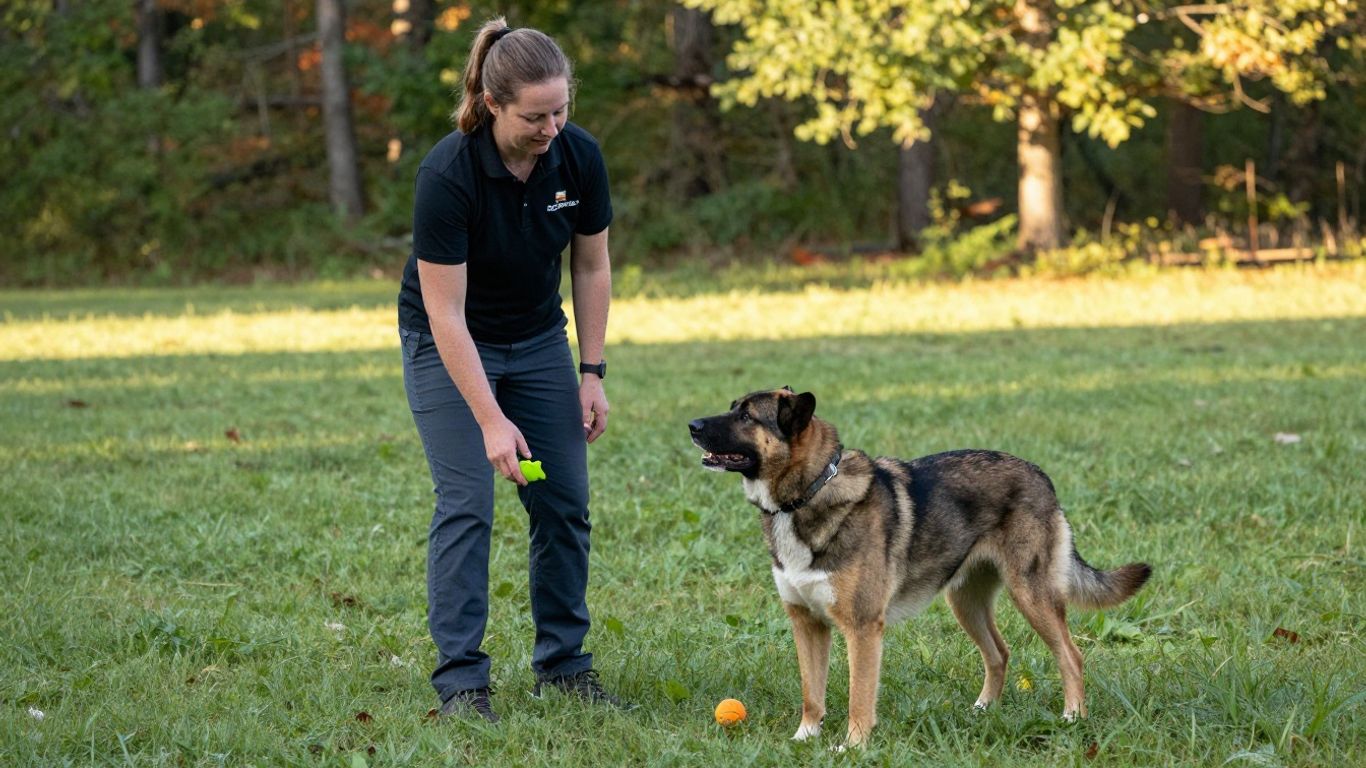
During the 6-week board and train, we tackle a range of common behavioral issues that dog owners often struggle with. This isn’t about fixing ‘bad’ dogs, but rather understanding why they act out and teaching them better ways to cope. We frequently work with dogs exhibiting:
- Leash Reactivity: Barking, lunging, or pulling excessively when they see other dogs or people while on leash.
- Jumping and Nipping: Overly excited greetings or attention-seeking behaviors that can be overwhelming.
- Recall Problems: Dogs that ignore commands to come when called, especially in distracting environments.
- General Anxiety or Fear: Dogs that seem nervous, hesitant, or easily startled in new situations.
- Destructive Chewing: Chewing household items, often due to boredom, anxiety, or lack of appropriate outlets.
How Challenges Are Managed
Our approach at Anvil K9 is direct and practical. We use a balanced training methodology, which means we communicate clearly with the dog about what is expected and what is not. For issues like reactivity, we don’t just punish the barking; we work on changing the dog’s emotional response to the trigger. This involves creating positive associations and teaching the dog how to remain calm. For example, if a dog jumps on guests, we’ll practice having them sit politely for greetings, rewarding the desired behavior. We focus on building a dog’s confidence and providing them with the tools to succeed. This often involves structured exercises that gradually increase in difficulty, helping the dog learn to manage their impulses and react appropriately. We also look at the dog’s environment at home and provide owners with strategies to maintain consistency. If your dog struggles with fear, we focus on positive reinforcement methods to build trust and confidence, rather than forcing them into scary situations [6ad4].
What Training Can And Cannot Fix
It’s important to be realistic about what a board and train program can achieve. We can make significant progress with most behavioral issues, teaching your dog new habits and improving their overall demeanor. We aim for reliable obedience and a calmer, more confident dog. However, training cannot magically erase deeply ingrained fears or anxieties overnight, especially if they stem from severe past trauma. We can manage and improve these situations, but sometimes ongoing support and management at home are necessary. Similarly, while we can teach a dog not to chew furniture, if the root cause is extreme separation anxiety, it might require a more intensive, long-term plan. Our goal is to give you and your dog the best possible foundation and tools to move forward successfully. We are upfront about what training can and cannot fix, so you have clear expectations.
The Transition Back Home
Preparing For Your Dog’s Return
Bringing your dog home after a 6-week board and train program is a big moment. It’s the start of a new chapter where you and your dog get to put all the learned skills into practice together. Before your dog even walks through the door, it’s a good idea to get your household ready. This means making sure everyone in the family knows the commands and the rules. Consistency is key here; if one person is enforcing a new behavior and another isn’t, it can confuse your dog. Think about where your dog will sleep, eat, and spend their downtime. Having a plan in place makes the transition smoother for everyone.
Go-Home Sessions And Demonstrations
When you pick up your dog, we’ll schedule a dedicated session to show you exactly what your dog has learned. This isn’t just a quick handover; it’s a practical demonstration. We’ll walk through the commands, explain the communication methods we’ve used, and show you how to maintain the progress. You’ll see firsthand how your dog responds to cues and how to handle different situations. This session is your chance to ask questions and get comfortable with the training. The goal is to equip you with the knowledge and confidence to continue the work at home. We want you to feel prepared, not overwhelmed.
Reinforcing Learned Behaviors
Once your dog is back home, the real work of integrating the training into your daily life begins. It’s important to remember that your dog has been living in a structured environment with a trainer. Now, they’re back in their familiar surroundings, which can sometimes bring back old habits. You’ll need to be diligent about reinforcing the commands and behaviors they learned. This means using the same cues and reward systems that we used during the program. Consistency is your best friend here. If your dog is doing well, great! Keep up the good work. If they slip up, don’t get discouraged. Just calmly re-apply the training principles. Remember, building a strong relationship with your dog is an ongoing process, and continued practice is how you maintain those reliable behaviors. We offer lifetime support to help you through this phase and beyond. If you’re considering a board and train program, you can learn more about our 6 Week Puppy Program and 3 Week Program to see which is the best fit for your dog. For any questions or to discuss your dog’s needs, feel free to contact us. We also offer Affirm financing to make investing in your dog’s training more manageable.
Post-Program Support And Maintenance
When you invest in Anvil K9’s board and train programs, you get more than a finished program—you get ongoing support for the life of your dog. Lifetime support means you’re not left on your own once your dog goes home. If questions or concerns come up weeks or months after training, owners can always reach out for guidance. This takes a lot of the pressure off, especially if your dog’s environment or family situation changes.
What does lifetime support include?
- Direct access to your trainer for follow-up questions—phone, text, or email.
- Troubleshooting if new issues show up, or if a skill seems to be slipping.
- An open invitation to review key exercises or see a quick in-person refresher session when needed.
Lifetime support doesn’t mean unlimited private training, but you can always get practical advice and a plan for getting back on track.
Continuing Training At Home
Training doesn’t end the day your dog comes home. If you want the results to last, you’ll need to set aside regular time for practice. Consistency at home is what keeps skills sharp. Anvil K9 makes sure you leave with a clear plan and the confidence to keep things moving. Here’s how you can stay on top of things:
- Stick with your recommended routines from your dog’s go-home session.
- Use the same command structure and rewards your dog learned during training.
- Schedule short, focused practice sessions—5 to 10 minutes daily works well.
- Work new commands or behaviors into daily activities, like meal times, walks, and play.
| Home Practice Tip | Why It Works |
|---|---|
| Use same commands | Reinforces what was learned at Anvil K9 |
| Stay consistent | Avoids confusion and mixed signals |
| Lots of short sessions | Keeps dogs engaged and prevents boredom |
Maintaining Your Dog’s Progress
Even the best-trained dogs can slide a bit if nobody is keeping an eye on things. Real-life offers tons of distractions that can test your dog’s skills. Maintenance is part training, part lifestyle. Here’s what works:
- Check in with your trainer if you hit a roadblock or unexpected behavior pops up.
- Revisit your go-home materials and videos if you need a refresher.
- Address small mistakes or rule-breaking right away—it’s easier than fixing big issues down the road.
- Keep your dog challenged with new settings, tasks, or environments to avoid boredom.
Getting results is one thing, but keeping them is about showing up every day—even if it’s just for a few minutes at a time.
If you’re considering serious training, both the 3 Week Program for adult dogs and the 6 Week Puppy Program come standard with lifetime support. Financing is available through Affirm for both programs. Visit https://anvilk9.com/board-and-train-chattanooga/ for more details or start your conversation at https://anvilk9.com/contact/.
Investment And Financing Options
Understanding The Program Cost
When you’re looking at a 6-week board and train program, it’s a significant investment in your dog’s future. This isn’t just about a few weeks of training; it’s about building a foundation for a lifetime of good behavior. The cost reflects the intensive, one-on-one attention your dog receives, the expertise of the trainers, and the structured environment designed for maximum learning. Think of it like investing in your own education or a major home repair – it’s a substantial upfront cost that pays off over time with a more reliable, well-behaved companion. We offer two specific programs: the 6 Week Puppy Program for puppies 12 weeks and older, and the 3 Week Program for dogs 16 weeks and older. Both are designed to give your dog the best possible start or a solid reset.
Affording Your Dog’s Training
We know that investing in professional training is a big decision, and sometimes the full cost upfront can be a hurdle. That’s why Anvil K9 partners with Affirm to provide flexible financing options. This means you can split the cost of your chosen program into manageable monthly payments. It makes getting the training your dog needs more accessible without having to pay everything all at once. You can check your eligibility with Affirm directly on our website, and they provide clear terms with no hidden fees. It’s a straightforward way to make sure your dog gets the training they deserve.
The Long-Term Value of Training
It’s easy to focus on the price tag, but let’s talk about the return on investment. A well-trained dog is a joy to live with. They’re more reliable in various situations, easier to manage, and often have fewer behavioral problems that can lead to stress or even difficult decisions down the line. The skills learned during our board and train programs, whether it’s the 6 Week Puppy Program or the 3 Week Program, are designed to last. You’re not just paying for training sessions; you’re investing in a better relationship with your dog, more freedom to take them places, and peace of mind knowing they’ll respond when you need them to. Plus, our programs come with lifetime support, so you’re never truly alone in maintaining your dog’s progress. Remember, responsible pet ownership also includes planning for their health needs, which can involve veterinary visits and associated costs, similar to how training is an investment in their overall well-being. veterinary care responsibilities
Investing in a board and train program is about more than just obedience; it’s about building a strong, positive relationship with your dog based on clear communication and mutual respect. The skills and confidence your dog gains, along with the guidance you receive, contribute to a harmonious life together for years to come.
Looking for ways to pay for your dog’s training? We offer flexible payment plans to make our services accessible. Learn more about your options and get started today!
Wrapping Up Your Dog’s Board and Train Journey
So, you’ve gone through the six weeks, and your dog is back home. It’s a big change, right? Remember, this isn’t the end of the road for training. Think of it as the start of a new chapter where you and your dog work together using the skills they learned. Keep up with the routine, practice what they know, and don’t be afraid to reach out if you hit a snag. We’re here to help you and your dog keep moving forward. If you’re considering this path for your puppy or adult dog, know that Anvil K9 Dog Training in Chattanooga offers both a 6 Week Puppy Program and a 3 Week Program. We’re a veteran-owned business and offer financing through Affirm to make it easier. You can learn more at anvilk9.com/board-and-train-chattanooga/ or get in touch at anvilk9.com/contact. We’re ready to answer your questions.
Frequently Asked Questions
What exactly is a 6-week board and train program?
A 6-week board and train program means your dog lives with a professional trainer for six weeks. During this time, the trainer works on teaching your dog good manners, obedience, and how to behave well in different situations. It’s like sending your dog to a special school where they learn and live with the teacher.
Who should consider a 6-week board and train?
This program is great for puppies starting around 12 weeks old who need a strong start in learning. It’s also a good choice for older dogs or adult dogs that have developed some problem behaviors, like jumping, pulling on the leash, or not listening. If you want your dog to be well-behaved and reliable, this program can help.
What kind of training methods does Anvil K9 use?
Anvil K9 uses a balanced training approach called NePoPo. This method uses clear communication and rewards to teach dogs what you want them to do. It’s not harsh, but it is very effective in teaching dogs to listen reliably, even with distractions. They also use e-collars in a way that’s clear and fair for the dog.
What will my dog learn during the 6 weeks?
Your dog will learn important things like sitting, staying, coming when called, and walking nicely on a leash. The goal is for them to be calm, confident, and obedient, even when you’re not right there. They’ll learn to listen off-leash too, which is great for safety and fun activities.
How will I know what my dog is learning?
Your trainer will keep you updated on your dog’s progress. You’ll likely get regular reports or videos showing what your dog can do. When the six weeks are up, the trainer will show you how to keep up the training at home so your dog’s good behavior continues.
What happens when my dog comes home?
When your dog returns, the trainer will spend time with you to show you everything your dog has learned and how to practice it. This helps make sure you and your dog are on the same page and that the good habits stick. It’s all about making the transition smooth for everyone.
Does Anvil K9 offer support after the program ends?
Yes, Anvil K9 offers lifetime support. This means you can reach out for help or advice even after the six weeks are over. They want to make sure you and your dog continue to do well long-term.
Can I pay for the program over time?
Yes, Anvil K9 works with Affirm financing. This lets you spread the cost of the training program into smaller, monthly payments, making it easier to afford. You can find out more about financing options on their website.