
Thinking about a board and train program for your dog? It’s a big decision, and you want to make sure you pick the right one. There are a lot of options out there, and knowing what to look for in a board and train program can feel overwhelming. This guide breaks down the important stuff so you can feel confident about where you’re sending your furry pal. We’ll cover everything from the trainer’s background to what your dog’s day will actually look like.
Key Takeaways
- When you’re looking at what to look for in a board and train program, always check the trainer’s credentials and how much real-world experience they have. Certifications are good, but seeing how they handle different dogs is even better.
- Understand the training methods used. Balanced training, like the NePoPo principles Anvil K9 uses, focuses on clear communication and consistency, which helps dogs learn reliably in various situations.
- Pay attention to the program’s structure and how long it lasts. A good program will have a clear plan and a duration that fits your dog’s needs, whether it’s the 3 Week Program for adult dogs or the 6 Week Puppy Program.
- Ask about the daily routine and the environment your dog will be in. Knowing your dog will be well-cared for, socialized appropriately, and in a safe place is super important.
- Don’t forget about communication and support. Regular updates from the trainer and good follow-up after the program ends are signs of a professional setup. Considering financing through Affirm can also make it more manageable.
Understanding Board And Train Programs
What a Board and Train Program Entails
A board and train program means your dog lives with a professional trainer for a set period to learn new skills or address behavioral issues. It’s not just a boarding kennel; it’s an immersive training environment. Think of it as sending your dog to a specialized school where they live on campus. This setup allows for consistent, hands-on training throughout the day, every day. At Anvil K9, we offer two specific programs designed for different needs: the 3 Week Board and Train for adult dogs (16 weeks and older) and the 6 Week Puppy Program for younger pups (12 weeks and older). This focused approach ensures your dog receives dedicated attention to build a solid foundation or refine existing behaviors.
Why Choose Board and Train Over Other Methods
When you’re looking for reliable results, especially with challenging behaviors, a board and train program can be incredibly effective. Unlike weekly lessons where progress can be slow and dependent on your practice between sessions, your dog is constantly immersed in a training environment. This means they learn commands and good habits in real-world settings, with immediate feedback from a professional. It’s particularly useful for issues like leash reactivity, poor recall, or general disobedience that are hard to manage with just a few hours of training a week. The intensive nature of board and train programs helps dogs build confidence and obedience more quickly.
Identifying Your Dog’s Specific Needs
Before you even look at programs, take a honest look at your dog. What are their biggest challenges? Are they a young puppy needing to learn basic manners and socialization, or an adult dog struggling with reactivity on walks? Understanding these specific needs will help you choose the right program. For instance, a rambunctious puppy benefits from the structured socialization and foundation building of the 6 Week Puppy Program. An adult dog with established behavioral issues, like pulling on the leash or fearfulness, might need the focused correction and real-world proofing of the 3 Week Program. It’s about matching the program to your dog’s current stage and temperament, not just picking a random duration.
Evaluating Trainer Credentials And Experience
When you’re looking into a board and train program, the trainer’s background is a big deal. It’s not just about liking dogs; it’s about having the knowledge and skill to handle different breeds, temperaments, and behavioral issues effectively. You want someone who knows what they’re doing, plain and simple.
Certifications That Matter
While not every great trainer has a wall full of certificates, some certifications show a commitment to professional standards. Look for trainers who have pursued education from reputable organizations. It’s a good sign they’ve invested time in learning proven techniques. For instance, certifications often require a certain amount of training experience and passing a test, like the one described for becoming a dog trainer here.
Assessing Real-World Experience
Certifications are one thing, but what has the trainer actually done? Ask about their experience with dogs similar to yours. Have they worked with puppies, adult dogs, or dogs with specific behavioral problems? Anvil K9, for example, focuses on practical, real-world results. They have specific programs like the 3 Week Board and Train for adult dogs (16+ weeks) and the 6 Week Puppy Program for younger pups (12+ weeks), showing a clear understanding of different needs.
Understanding the Trainer’s Background
It’s also helpful to know a bit about the trainer’s journey. How long have they been training? What got them into it? Sometimes, a trainer’s personal story can give you insight into their passion and approach. For example, Jake Mumford at Anvil K9 is a veteran who specializes in dog training services in the Chattanooga area. Knowing this background can help you connect with their philosophy.
Here’s a quick look at what to consider:
- Years of Experience: How long have they been professionally training dogs?
- Specializations: Do they have experience with your dog’s breed, age, or specific issues?
- Training Philosophy: Does their approach align with what you’re looking for?
- Client Testimonials: What do past clients say about their experience?
Choosing a trainer is like picking any professional. You want someone qualified, experienced, and someone you feel comfortable trusting with your dog’s well-being and development. It’s worth taking the time to find the right fit.
Examining Training Methodologies
When you’re looking into a board and train program, understanding the actual training methods used is super important. It’s not just about what commands the dog learns, but how they learn them. This impacts everything from how reliable the training is to your dog’s overall well-being.
The Role of Balanced Training
Balanced training is a common approach, and it’s what we use at Anvil K9. It means using a mix of positive reinforcement (rewards for good behavior) and clear, consistent consequences for unwanted actions. Think of it like a conversation with your dog. You reward them when they do something right, and you use a gentle, clear signal to let them know when they’ve made a mistake. This isn’t about harsh punishment; it’s about clear communication. The goal is to build a dog that understands expectations in all sorts of situations. This method helps dogs learn boundaries and develop a strong sense of what’s right and wrong, leading to more reliable obedience, especially when distractions are high. It’s about giving your dog all the information they need to succeed.
Understanding NePoPo Principles
NePoPo is a specific type of balanced training developed by Bart Bellon. It breaks down training into three phases: Negative (Ne), Positive (Po), and Positive (Po). The ‘Negative’ part isn’t scary; it’s a low-level stimulus that marks an unwanted behavior, like a tap on the shoulder to get your attention. It’s a clear signal, not a punishment. Then comes the ‘Positive’ phases where the dog is guided to the correct behavior and rewarded, reinforcing that good choice. This method is all about clarity, fairness, and consistency. It helps dogs become confident because they aren’t confused about what you want. It’s a structured way to communicate that builds a strong partnership.
Why Clarity and Consistency Are Key
No matter the specific method, clarity and consistency are non-negotiable. Your dog needs to understand what you’re asking, every single time. If rules change or signals are mixed, the dog gets confused. This confusion can lead to frustration for both of you. A trainer who can clearly explain their methods and show you how they maintain consistency is a good sign. This means they have a structured curriculum and stick to it. It’s like learning a new language; you need consistent grammar and vocabulary to get fluent. A well-structured approach helps your dog learn faster and more reliably. You can see how understanding canine movement is part of this process markerless gait analysis.
A dog that understands what’s expected is a confident dog. When training is clear and consistent, dogs learn to trust their handler’s cues and make better decisions on their own. This reduces anxiety and builds a stronger bond between dog and owner.
At Anvil K9, we focus on these principles in our 3 Week Board and Train and 6 Week Puppy Program. We believe in honest, direct training that gets real-world results. If you’re ready to invest in clear, consistent training for your dog, reach out to us at https://anvilk9.com/contact/. We also offer financing through Affirm to make professional training accessible.
Assessing Program Structure And Duration
When you’re looking into a board and train program, the length and how it’s set up are pretty important. It’s not a one-size-fits-all deal, and what works for one dog might not be right for another. At Anvil K9, we keep things straightforward with exactly two programs designed for specific needs.
Choosing the Right Program Length
Figuring out how long your dog needs to be with the trainer is key. It depends a lot on your dog’s age and what you want to achieve. For younger pups, we have our 6 Week Puppy Program, which is built for dogs starting around 12 weeks old. This program focuses on getting those early manners and socialization down right. For older puppies and adult dogs, the 3 Week Board and Train is usually the way to go. This is for dogs 16 weeks and older, and it’s designed to tackle more established behaviors and build solid obedience.
What to Expect During the Program
Both programs involve your dog living with the trainer. This means they’re getting consistent training and structure all day, every day. It’s not just a few hours a week; it’s full immersion. You can expect regular updates from us so you know how your dog is progressing. We believe in clear communication throughout the process.
The Importance of a Structured Curriculum
A good program has a plan. It’s not just about teaching commands; it’s about building a well-behaved dog that can handle different situations. Our curriculum is built around the NePoPo principles, which means we focus on clear communication and consistent feedback for your dog. This structured approach helps dogs learn faster and retain what they learn better.
A structured curriculum ensures that every aspect of your dog’s behavior is addressed systematically, leading to more reliable results in the long run. It’s about building a foundation that lasts.
We use a balanced training approach that combines motivation with clear consequences, ensuring your dog understands expectations in various environments. This method is particularly effective for developing off-leash reliability and confidence in real-world settings, like those you might find on hiking trails.
Ready to invest in your dog’s future? You can explore our programs and financing options through Affirm. Contact us today to discuss which program is the best fit for your dog. Learn more about our services.
Investigating Daily Routines And Environment
When you’re looking into a board and train program, it’s easy to get caught up in the training methods and the trainer’s credentials. But what happens day-to-day? How your dog spends their time and the environment they’re in are just as important. This is where Anvil K9 really shines, focusing on real-world integration.
A Day in the Life of Your Dog
Think about what a typical day looks like for your dog during their training. It shouldn’t just be endless hours in a training yard. A good program balances structured learning with downtime, exercise, and mental stimulation. At Anvil K9, our programs are designed to mimic real life as much as possible. This means your dog experiences a variety of situations, not just a repetitive training drill.
Here’s a general idea of what a day might involve:
- Morning: Wake up, potty break, and a short training session focusing on foundational cues like sit, stay, or recall.
- Mid-morning: Structured exercise or a walk, practicing leash manners and environmental exposure.
- Afternoon: More focused training, perhaps working on specific behavioral issues or advanced obedience. This is also when mental enrichment activities like puzzle toys might be used.
- Late Afternoon: Supervised downtime or a play session with other well-behaved dogs, if appropriate for socialization.
- Evening: Final potty break, a calm period before settling down for the night.
The goal is to create a predictable yet stimulating routine that builds good habits.
The Trainer’s Living Environment
Since your dog will be living with the trainer, the trainer’s home environment is a big deal. Is it clean? Is it safe? Are there other pets or children, and how are they managed? Anvil K9 operates out of a home environment, which allows dogs to learn to be calm and well-behaved in a domestic setting. This is different from a kennel or a commercial facility. We focus on integrating your dog into a stable, structured household.
Ensuring Proper Socialization Opportunities
Socialization isn’t just about meeting other dogs. It’s about learning to be comfortable and confident around different people, places, sounds, and experiences. For puppies in our 6 Week Puppy Program, this is a major focus. For adult dogs in our 3 Week Program, we work on improving their reactions to various stimuli. This includes controlled introductions to other dogs, exposure to different environments like parks or busy streets, and positive interactions with various people. We want your dog to be a well-adjusted member of your family and community. The American Kennel Club (AKC) also emphasizes the importance of early socialization for well-rounded dogs [0389].
A board and train program should provide a structured environment that mirrors real life, allowing your dog to learn and practice behaviors consistently. The trainer’s home and daily activities play a significant role in this process, offering opportunities for both learning and appropriate socialization.
Understanding Communication And Support
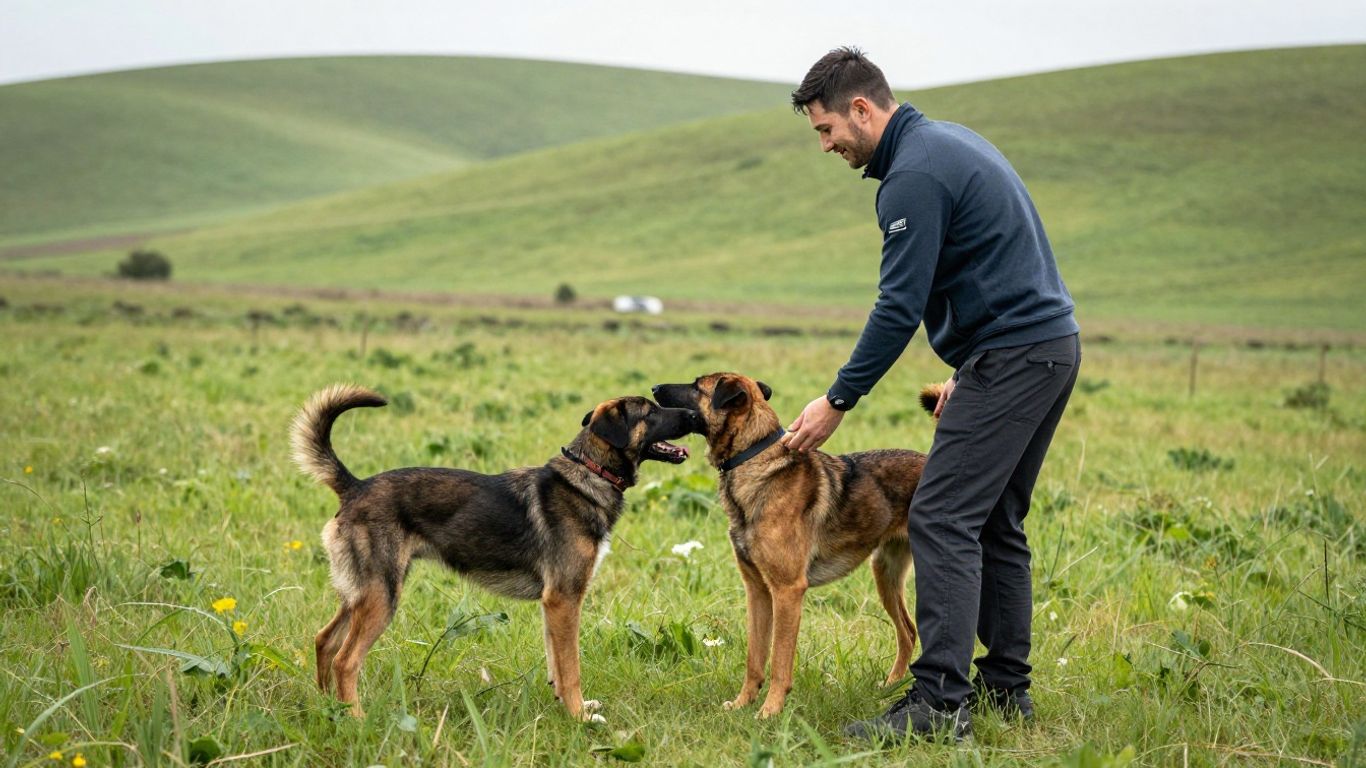
When you send your dog off for a board and train program, you want to know what’s happening. Good communication from the trainer is key. It helps you feel connected to your dog’s progress and prepares you for when they come home.
Regular Progress Updates
You should expect to hear from your trainer regularly. This isn’t just about getting a quick text; it’s about understanding how your dog is learning and adapting. Anvil K9 provides updates that detail specific training goals, how your dog is responding, and any challenges they might be encountering. This might come in the form of videos, photos, or written reports. It helps you see the training in action and understand the methods being used. For example, you might get a video showing your dog practicing recall in a distracting environment, or a report explaining how they are working through leash reactivity. This consistent feedback loop is vital for building trust and managing expectations.
Post-Program Support and Follow-Up
Training doesn’t end when your dog comes home. A quality board and train program includes support for you and your dog after the program is complete. This might include follow-up sessions, phone calls, or access to online resources. Anvil K9 includes lifetime support with both their 3 Week Program and 6 Week Puppy Program. This means you can reach out with questions or concerns long after your dog has returned. They also offer resources to help you maintain the training and continue your dog’s education. This ongoing relationship is what helps make the training stick and ensures you can handle real-world situations.
Building a Partnership with Your Trainer
Think of the training process as a team effort. The trainer works with your dog, and then you work with your dog, using the skills and knowledge the trainer imparts. Open communication is the foundation of this partnership. It’s important to be honest with your trainer about your dog’s behavior at home and your own training goals. They can then tailor the program and your follow-up support to best meet your needs. This collaborative approach ensures that the training is effective and sustainable for both you and your dog. It’s about creating a clear understanding and working together towards a well-behaved companion. You can learn more about the training philosophy at Anvil K9’s approach.
Considering Program Specifics For Puppies
Bringing a new puppy home is exciting, but it also means starting their training journey right from the beginning. For owners looking for intensive, structured development for their young dogs, a specialized puppy program is the way to go. This isn’t just about teaching a few tricks; it’s about building a solid foundation for a well-behaved adult dog. The 6 Week Puppy Program at Anvil K9 is designed specifically for this critical developmental stage.
Age-Appropriate Puppy Training
Puppies have different needs than adult dogs. Their attention spans are shorter, and their learning styles are geared towards exploration and play. A program tailored for puppies, like our 6 Week Puppy Program, understands this. It focuses on positive exposure and building good habits before problem behaviors can even start. We start accepting puppies at 12 weeks old, which is about three months. This age is perfect because they’ve had their initial vaccinations and are ready to start learning about the world in a structured way.
Foundation Manners and Socialization
This is where the real work happens for young dogs. We focus on:
- Basic Obedience: Sit, stay, come, down, and loose-leash walking are all introduced. The goal is to make these commands reliable, even with distractions.
- Socialization: This is more than just meeting other dogs. It involves positive exposure to different sights, sounds, people, and environments. This helps prevent fear and anxiety later in life. We aim for quality interactions, not just quantity.
- House Training and Crate Training: These are often big challenges for new owners. Our program helps establish good routines from the start.
Addressing Early Behavioral Challenges
Even young puppies can develop concerning habits. Things like nipping, jumping, or resource guarding can start early. The 6 Week Puppy Program is structured to address these issues head-on. We use clear communication and consistent correction to guide puppies toward appropriate behavior. It’s about teaching them what you want them to do, rather than just punishing what you don’t want.
Starting training early is key. A puppy’s brain is like a sponge, soaking up information about the world. What they learn in these first few months shapes their future behavior. A well-structured program provides the guidance needed to ensure they learn the right things.
If you’re looking to give your puppy the best possible start, consider a dedicated puppy training program. It sets them up for success and makes your life as a dog owner much easier down the road. You can explore our 6 Week Puppy Program to see if it’s the right fit for your new family member. We also offer financing options through Affirm to make investing in your puppy’s future more manageable. As a veteran-owned business, we’re committed to providing top-tier training. Reach out to us at https://anvilk9.com/contact/ with any questions.
Addressing Behavioral Issues With Board And Train
Handling Reactivity and Leash Pulling
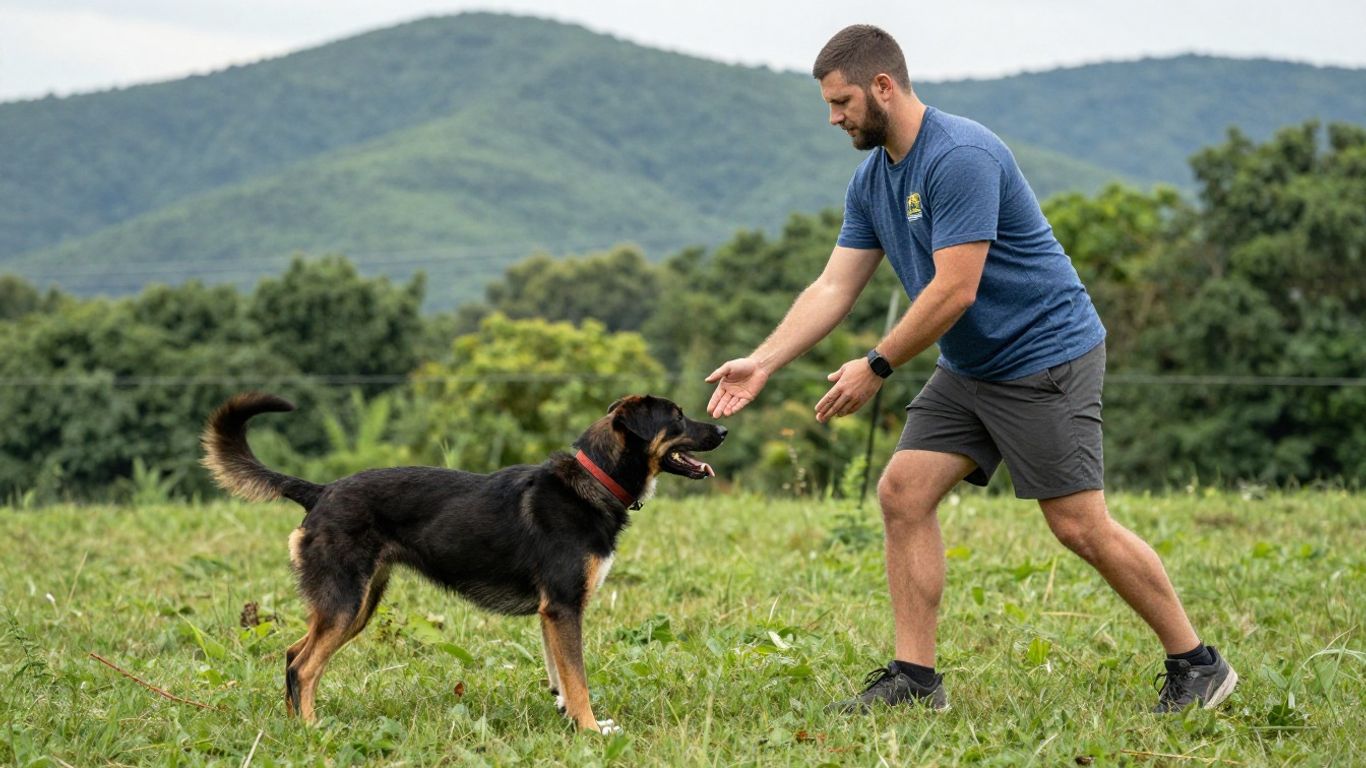
Reactivity and leash pulling are common issues that can make walks stressful. Reactivity often stems from fear, frustration, or overstimulation. When a dog pulls, it’s usually because they’ve learned that pulling gets them where they want to go faster. Anvil K9’s board and train programs are designed to tackle these specific problems head-on. We use a balanced approach that teaches dogs impulse control and provides clear communication about desired behavior. For reactivity, this means helping your dog feel more secure and less threatened by triggers, while for leash pulling, it’s about teaching them that walking politely by your side is more rewarding. We focus on building a foundation of calm behavior and reliable obedience in real-world settings.
Improving Recall and Off-Leash Reliability
Getting your dog to come back when called, especially with distractions, is a critical safety skill. Similarly, off-leash reliability allows for more freedom and enjoyment during outdoor activities. Many dogs struggle with recall because they haven’t been taught its importance or because they’re too distracted by their environment. Our training methods, rooted in the NePoPo principles, create a strong understanding of commands and build a reliable connection between you and your dog. We work on making recall the most rewarding option for your dog, even when there are squirrels or other dogs around. This isn’t just about a quick fix; it’s about building a habit of listening and responding.
Building Confidence and Calmness
Many behavioral issues, including anxiety and fear-based aggression, are linked to a lack of confidence or an inability to self-regulate. Dogs that are constantly on edge or unsure of themselves can react impulsively. Our board and train programs aim to build your dog’s confidence through structured training and positive experiences. We introduce challenges in a controlled manner, allowing your dog to succeed and learn that they can handle different situations. This process helps them develop a calmer demeanor and become more resilient to everyday stressors. It’s about teaching them how to be a well-adjusted companion, not just a well-behaved one. We help dogs learn to manage their impulses and respond thoughtfully rather than reactively. You can learn more about managing behavior issues at K9 Department LLC.
Board and train programs are not a magic wand, but they provide a structured environment where consistent training can address deep-seated behavioral patterns. The key is the transfer of learned behaviors back to the home environment, which is why our follow-up support is so important.
Financial Considerations And Value
When you’re looking at board and train programs, the cost is definitely something to think about. It’s not just about the price tag, though. You’re investing in your dog’s future behavior and your relationship with them. Anvil K9 offers two main programs: the 3 Week Board and Train for adult dogs (16 weeks and older) and the 6 Week Puppy Program for younger pups (12 weeks and older). These programs are designed to give your dog a solid foundation or address specific issues, and that takes time and focused effort.
Understanding Program Investment
Think of the investment in a board and train program like any other significant purchase for your pet. It’s about the long-term benefits. A well-trained dog is a happier dog, and a happier dog makes for a less stressful home. You’re paying for the trainer’s time, skill, and the structured environment that leads to real behavioral change. It’s about getting reliable obedience and a calm companion, which is pretty priceless when you consider the alternative of ongoing struggles.
Exploring Financing Options
We know that professional training can be a big expense. That’s why Anvil K9 partners with Affirm to provide financing options. This means you can spread the cost of your chosen program over time with manageable monthly payments. It makes investing in your dog’s training more accessible without having to pay the full amount upfront. You can check out the details and apply directly to see what works for your budget.
The Long-Term Value of Professional Training
What do you get for your money with a program like our 3 Week Board and Train or 6 Week Puppy Program? You get a dog that listens, is more confident, and is a pleasure to be around. This means fewer headaches for you and a better quality of life for your dog. It’s about building a strong partnership based on clear communication and mutual respect. The skills learned during board and train, especially with a method like NePoPo, are designed to stick. Plus, with lifetime support included, you’re not just paying for a few weeks of training; you’re investing in a lifetime of better behavior. This kind of training can prevent future problems, saving you time, money, and stress down the road. It’s about setting your dog up for success in all aspects of life, whether it’s enjoying hiking on local trails or simply being a well-behaved member of the family. The goal is always reliable obedience and a happy, confident dog.
Logistics And Location
When you’re looking into a board and train program, it’s not just about the training itself. You also need to think about the practical stuff: where the trainer is located, what you need to bring, and how drop off and pick up works. These details matter for making the whole process smooth for both you and your dog.
Defining the Service Area
Anvil K9 is based in Chattanooga, Tennessee, and serves the surrounding areas. This includes places like Hixson, Red Bank, Signal Mountain, Ooltewah, and Ringgold. We don’t serve areas outside of this specific region, so it’s important to check if you fall within our service boundaries before you get too far into the process. Knowing this upfront saves everyone time and avoids confusion later on.
What to Bring for Your Dog
When you bring your dog to Anvil K9 for either the 3 Week Board and Train or the 6 Week Puppy Program, there are a few things you’ll need to pack. We want your dog to be comfortable and have everything they need to settle in quickly. Here’s a basic list:
- Food: Please bring enough of your dog’s regular food for the entire program. Sudden food changes can upset a dog’s stomach, and we want to avoid that.
- Leash and Collar/Harness: Bring the equipment your dog currently uses. We’ll use this during the initial adjustment period and for training sessions.
- Vaccination Records: Up to date vaccination records are required for all dogs entering our program. This helps us maintain a safe and healthy environment for all the dogs in our care.
- Medications (if any): If your dog is on any medication, please bring it with clear dosage instructions.
We provide all bedding, bowls, and training equipment during the program. You don’t need to worry about those items.
Understanding Drop-Off and Pick-Up Procedures
We schedule specific times for drop-off and pick-up to ensure we can give you our full attention. When you drop your dog off, we’ll take some time to discuss your dog’s habits, any specific concerns you have, and answer any last minute questions. This initial conversation is really important for setting the stage for successful training. Similarly, during pick-up, we’ll go over everything your dog has learned, demonstrate commands, and discuss how to maintain the training at home. We want you to feel confident and prepared to continue the work we’ve done. It’s a partnership, and clear communication at these key points is vital. You can find more details about scheduling these appointments on our contact page.
The goal of board and train is to create a solid foundation of obedience and good behavior. This requires clear communication from the trainer and a structured environment. When you pick up your dog, the real work begins for you as the owner, and we provide the support to make that transition successful.
Our training programs are designed to help your dog become a well-behaved companion. We offer flexible options to fit your needs. Ready to see the difference professional training can make? Visit our website today to learn more and schedule your dog’s spot!
Wrapping Up Your Board and Train Decision
Picking the right board and train program takes some legwork, but it’s worth it for your dog’s well-being and your peace of mind. Don’t just go with the first place you find. Look for trainers who are open about their methods, show you real results, and offer ongoing support. Remember, this is an investment in a better life with your dog. If you’re in the Chattanooga area and looking for a solid program, consider Anvil K9 Dog Training. They offer a 3 Week Program for adult dogs and a 6 Week Puppy Program, using balanced training methods. They’re a veteran-owned business and provide lifetime support. You can check out their board and train options at https://anvilk9.com/board-and-train-chattanooga/. They also offer financing through Affirm to make payments easier. If you want to talk to them directly, you can reach them at https://anvilk9.com/contact/. It’s about finding the right fit for you and your dog, plain and simple.
Frequently Asked Questions
What exactly is a board and train program?
A board and train program means your dog lives with a professional trainer for a set period. During this time, the trainer works on teaching your dog good manners, obedience, and how to behave well in different situations. It’s like sending your dog to a special school where they learn and live with the teacher.
Why would I choose board and train over other training methods?
Board and train is great for dogs that need a lot of focused work or have behavior problems. Since your dog is with the trainer all day, every day, they learn much faster and more reliably. It’s especially helpful for busy owners or for tackling tough issues like serious leash pulling or not listening when called.
What kind of training methods does Anvil K9 use?
Anvil K9 uses a balanced training approach called NePoPo. This method is clear and fair, using both rewards for good behavior and gentle guidance to correct unwanted actions. It helps dogs understand exactly what you want them to do, making them more confident and reliable, especially when off-leash.
How long does a board and train program usually last?
Anvil K9 offers two specific programs: a 3 Week Program for adult dogs (16 weeks or older) and a 6 Week Puppy Program for younger pups (starting at 12 weeks old). These set lengths are designed to give your dog enough time to truly learn and master the skills.
What happens during the training program? What’s my dog’s daily life like?
Your dog will live with the trainer and follow a structured daily routine. This includes training sessions, playtime, socialization, and rest. The goal is to teach your dog how to be calm and well-behaved in everyday life, not just during training lessons.
What if my dog has specific behavior problems like reactivity or not coming when called?
Board and train programs are excellent for fixing common issues. Trainers can work specifically on problems like reacting to other dogs, pulling hard on the leash, or having a weak recall. The focused, consistent training helps build better habits and confidence.
What kind of support do I get after the program ends?
Anvil K9 provides lifetime support after your dog completes the program. This means you can always reach out with questions or for advice as you continue practicing what your dog learned. They want to help you and your dog succeed long-term.
Are there payment options available for the training programs?
Yes, Anvil K9 Dog Training offers financing through Affirm. This allows you to spread the cost of the training program into manageable monthly payments, making it easier to invest in your dog’s future without paying everything upfront. It’s a veteran-owned business that wants to make training accessible.