
Dealing with a dog who guards their stuff can be tough. It’s like they’re saying, ‘This is mine, and you can’t have it!’ This behavior, known as resource guarding, pops up for all sorts of reasons and can be pretty stressful for owners. But don’t worry, understanding why it happens and knowing how to handle it makes a huge difference. We’re going to break down how to stop resource guarding in dogs, step-by-step, so you and your furry friend can live together more peacefully.
Key Takeaways
- Resource guarding is a dog’s way of protecting things they value, often triggered by perceived threats.
- Learning to spot the early signs of guarding is important for quick intervention.
- Building trust and managing your dog’s environment can help prevent guarding incidents.
- Positive training methods like teaching “all done” and the trade-off game are effective for teaching dogs to share.
- For persistent or severe guarding issues, seeking professional help from experienced trainers like those at Anvil K9 is the best path forward.
Understanding Resource Guarding In Dogs
What Is Resource Guarding?
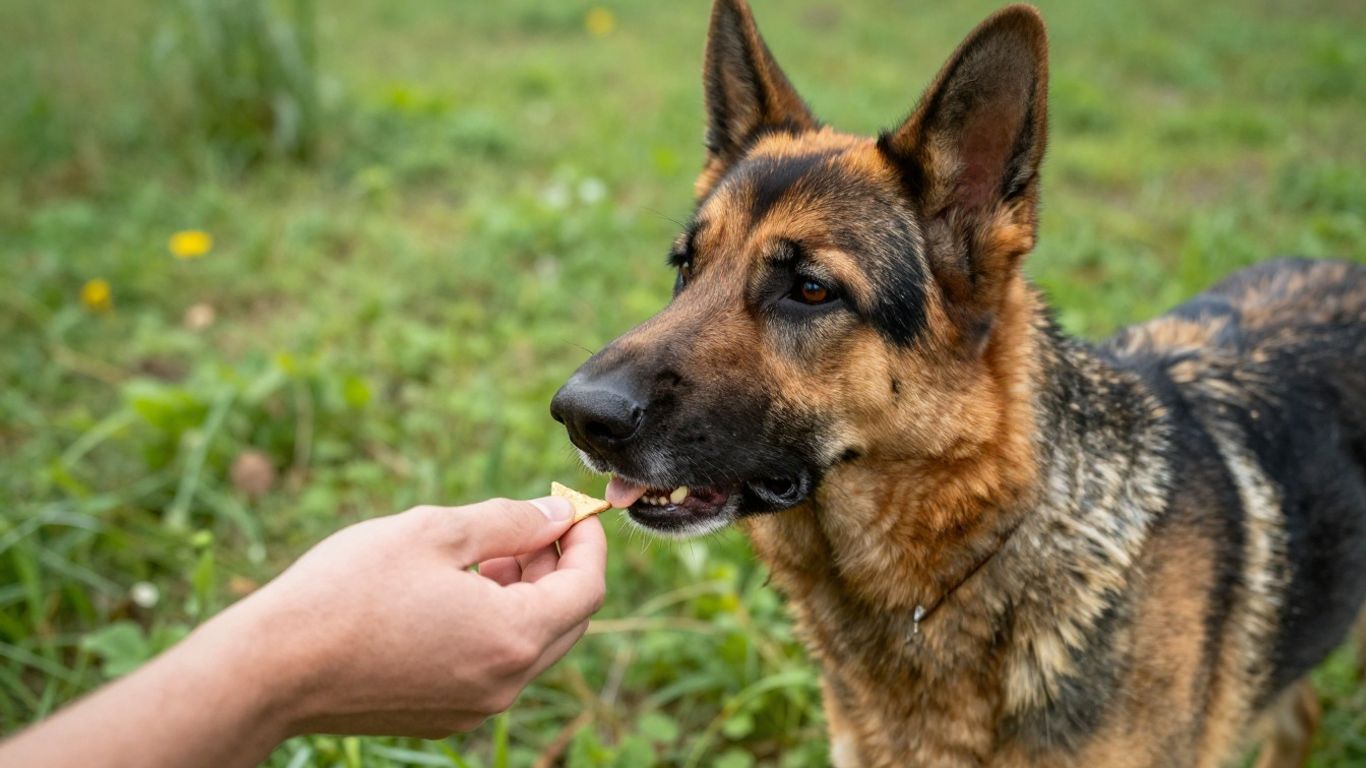
Resource guarding is when a dog shows possessive behavior over something they value. This could be food, toys, a favorite spot on the couch, or even a person. It’s a natural instinct for many animals, but it can become a problem if it leads to aggression or makes living with your dog difficult. Dogs guard because they feel a need to protect what they consider theirs. This isn’t about being mean; it’s about survival instincts kicking in. The intensity of guarding can range from a stiff body posture to outright snapping or biting.
Common Triggers For Guarding Behavior
Several things can set off a dog’s guarding instincts. Often, it’s when someone or something approaches while the dog is enjoying a high-value item. This could be:
- Food: A dog eating their dinner, a dropped piece of food, or even an empty bowl.
- Toys: A favorite chew toy, a squeaky toy, or a ball.
- People: A dog lying with their owner, or a dog that feels protective of a specific family member.
- Space: A dog resting in their bed, on a couch, or in a specific spot.
- Objects: Anything the dog has picked up, like a sock or a stick.
It’s important to watch for subtle signs. A dog might freeze, stare intently, growl low in their chest, or even lift their lips. These are all warnings that they feel threatened and want the perceived threat to back off. If you see these signs, it’s best to give your dog space and re-evaluate the situation. For serious behavioral issues, professional help is often needed. Anvil K9 offers programs designed to address these kinds of problems, helping dogs build confidence and learn better ways to interact.
Why Early Intervention Is Key
Dealing with resource guarding early on is much easier than trying to fix it once it’s deeply ingrained. Puppies can start showing guarding behaviors surprisingly young. If you notice even mild possessiveness, it’s smart to address it. Ignoring it can lead to the behavior becoming more severe over time. Addressing guarding behavior when it’s just a minor issue prevents it from escalating into a more serious problem.
Addressing resource guarding requires patience and understanding. It’s about teaching your dog that they don’t need to be anxious about their resources disappearing. The goal is to build trust so they understand that people approaching them, especially during mealtimes or playtime, doesn’t mean they will lose what they have.
For puppies, starting with foundational training is ideal. The 6 Week Puppy Program at Anvil K9 is designed to build good habits from the start, helping to prevent many common behavioral issues, including resource guarding. For older dogs or those with more established guarding tendencies, the 3 Week Program can provide a structured environment to learn new behaviors and build confidence.
Assessing Your Dog’s Guarding Behavior
Before you can fix resource guarding, you need to really understand what it looks like in your dog. It’s not always obvious, and sometimes owners miss the early signs. Paying close attention to your dog’s body language is the first step.
Recognizing Subtle Signs
Resource guarding isn’t just about growling or snapping. Many dogs show much subtler cues before they escalate. You might see your dog:
- Stiffening their body when you approach their food bowl or a favorite toy.
- Giving you "whale eye," where they turn their head but keep their eyes on you, showing the whites of their eyes.
- Freezing in place, becoming very still.
- Licking their lips when there’s no food present.
- Yawning when they aren’t tired.
- Moving their head away or turning their body to block you from what they have.
These are all ways your dog is trying to tell you, "Hey, back off, this is mine, and I’m not comfortable with you getting close right now." Ignoring these signals can lead to more serious behaviors down the line. It’s important to recognize these early warnings. If you’re seeing these subtle signs, it’s a good time to start thinking about management and training. For more on understanding dog behavior, check out this information on guarding behavior.
Identifying High-Value Items
Not all items are created equal in a dog’s eyes. What your dog guards depends on what they consider most important. Generally, these fall into a few categories:
- Food: This includes their regular kibble, special treats, bones, or anything they find on the floor.
- Toys: Favorite chew toys, balls, or stuffed animals.
- People/Other Animals: Sometimes dogs guard their owners or other pets in the household.
- Resting Spots: A comfy bed, a specific spot on the couch, or even a patch of sun.
Think about what your dog gets most possessive over. Does your dog go nuts for a specific squeaky toy but ignore others? Do they guard their food bowl more intensely than their bed? Knowing these high-value items helps you understand what situations are most likely to trigger guarding behavior. This awareness is key to preventing problems before they start.
Evaluating The Severity Of Guarding
Once you know what your dog guards and the subtle signs they give, you need to figure out how serious the guarding is. This helps you decide what kind of intervention is needed. Here’s a simple way to think about it:
| Severity Level | Description |
|---|---|
| Mild | Dog shows subtle body language (stiffening, lip licking) when approached near a resource. No direct threat. |
| Moderate | Dog may move away, block access, or give a low growl when approached. Still avoids direct confrontation. |
| Severe | Dog may snap, lunge, or bite when someone approaches their resource. Direct threat or attack. |
It’s important to be honest with yourself about your dog’s behavior. Overestimating or underestimating the severity can lead to problems. If your dog is showing any signs of aggression, it’s not something to take lightly. For serious issues, professional help is often the best route. Anvil K9 Dog Training has programs designed to address these kinds of behavioral challenges.
If your dog’s guarding behavior is moderate to severe, or if you’re unsure how to assess it, it’s time to consider professional guidance. Anvil K9 offers solutions for dogs of all ages, including their 3 Week Program for adult dogs and their 6 Week Puppy Program for younger pups. They focus on building reliable behavior through balanced training methods.
Building Trust And Management Strategies
Building trust and using smart management are your first lines of defense when dealing with resource guarding. It’s about setting your dog up for success and preventing those tense moments before they even happen. Think of it as creating a safe zone for everyone involved.
Creating A Safe Environment
This means making sure your dog doesn’t feel the need to guard in the first place. It’s not about letting your dog have free rein over everything, but rather about managing their environment so they feel secure. This might involve:
- Designated Safe Spaces: Give your dog a comfy bed or crate where they can relax without being bothered. This is their personal space, and everyone in the household needs to respect it. No one should approach them when they are in their safe spot, especially if they have something they value.
- Controlled Meal Times: Feed your dog in a quiet area where they won’t be disturbed. If you have multiple pets, feed them separately to avoid any competition. You can also practice feeding them from your hand or placing their bowl down gently, so they associate your presence during meals with good things.
- Supervised Interactions: Keep a close eye on your dog when they have toys or chews, especially around other pets or children. If you see signs of guarding, calmly redirect your dog or remove the item before a problem arises. It’s better to be proactive than reactive.
Implementing Management Techniques
Management is about preventing the behavior from occurring while you work on training. It’s not a fix, but it’s a vital part of the process. The goal is to prevent your dog from practicing the guarding behavior.
- Remove Temptations: If your dog guards specific items, like high-value treats or toys, simply put them away when you can’t supervise. This might mean keeping certain toys out of reach or only giving them out during training sessions when you can manage the situation.
- Staggered Feeding: If you have multiple dogs, feed them in separate rooms or crates. This eliminates any potential for conflict over food. You can also practice feeding one dog while the other is in a different area, gradually increasing the proximity as they become more comfortable.
- Leash Control: When you know your dog might encounter a trigger, like another dog or a person approaching their food, keep them on a leash. This gives you better control and allows you to create distance if needed. This is especially important if you are in a public space or have guests over.
The Role Of Routine And Predictability
Dogs thrive on routine. Knowing what to expect helps them feel more secure and less anxious, which can reduce guarding behaviors. A predictable schedule for feeding, walks, playtime, and rest can make a big difference.
- Consistent Schedule: Try to feed your dog, take them out for potty breaks, and engage in playtime around the same times each day. This predictability helps them relax.
- Clear Expectations: Make sure everyone in the household understands the rules and routines. When everyone is on the same page, it reduces confusion for the dog.
- Calm Transitions: When moving from one activity to another, try to make the transitions smooth and calm. Avoid sudden changes or loud noises that might startle your dog.
Building a strong foundation of trust is paramount. When your dog knows you will not take things away from them unfairly, and that you are a source of good things, they are less likely to feel the need to guard. This trust is built through consistent, positive interactions and by managing their environment to prevent stressful situations. For serious behavioral issues, seeking professional help is often the best path forward. Anvil K9 Dog Training offers programs designed to address these challenges effectively, helping you build a better relationship with your dog. Learn more about their approach.
Remember, management is not a substitute for training, but it is a critical component. It buys you time and prevents the problem from getting worse while you implement training strategies. If you’re struggling to manage your dog’s guarding behavior, consider professional guidance. Anvil K9 Dog Training provides specialized programs, like their 3 Week Program for adult dogs, to help address these issues.
Positive Training To Counter Guarding
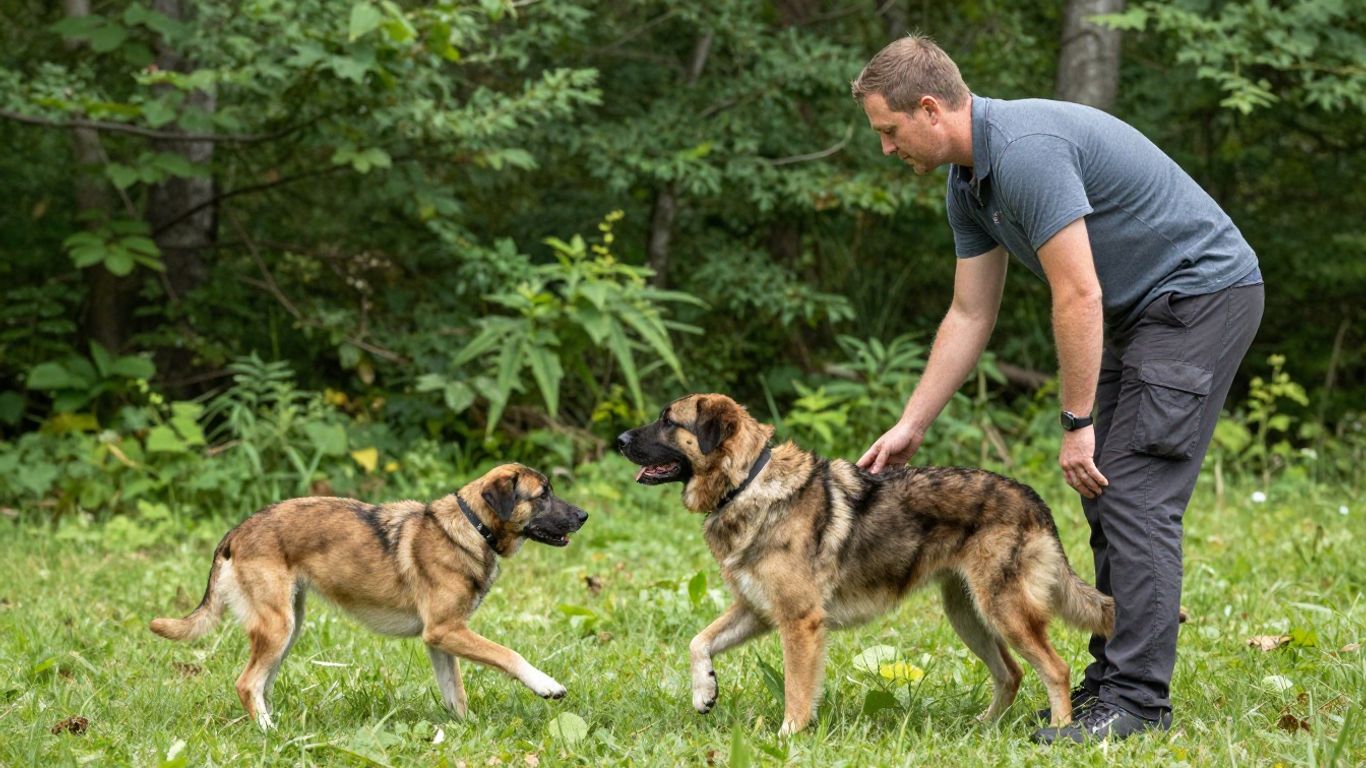
Okay, so your dog is showing signs of resource guarding. It’s not fun, and it can be downright stressful. But here’s the good news: you can absolutely work on this with the right training. We’re talking about building trust and teaching your dog that you’re not a threat, but a source of good things. This isn’t about scaring your dog into submission; it’s about clear communication and creating positive associations.
Teaching an "All Done" Cue
This is a simple but powerful tool. You want your dog to understand that when you say "all done," whatever they have is going away, and it’s okay. Start with something your dog doesn’t guard intensely, like a regular chew toy. Let them chew for a bit, then say "all done" in a cheerful voice and immediately toss a high-value treat (something really tasty, like a piece of chicken or cheese) away from the toy. Repeat this many times. The goal is for your dog to associate "all done" with getting something even better and for the item to disappear.
- Start with low-value items.
- Use a happy, upbeat tone of voice.
- Always trade for something better.
- Practice frequently in short sessions.
The Trade-Off Game
This is where you actively teach your dog that giving up something is actually a good deal. You’ll need a few items your dog likes, and some super-tasty treats. Start by having your dog hold an item. Then, approach them calmly and offer a treat. When they open their mouth to take the treat, the item will drop. As soon as they take the treat, praise them and then immediately give the item back. The key is that they get the item back, so they don’t feel like they’re losing it forever. Over time, you can increase the difficulty by waiting a second or two before giving the item back, or by having them drop the item voluntarily before you offer the treat.
The core idea here is to make interactions around possessions a positive experience. You want your dog to learn that when you approach, good things happen, and they don’t lose their prized possessions.
This game helps build a positive association with you approaching their things. It’s a foundational step for building trust and reducing anxiety around their resources. If you’re finding it tough to get reliable results, consider professional guidance. Anvil K9 Dog Training offers programs designed to address these kinds of behavioral issues, helping you build a stronger bond with your dog through clear communication. You can explore their 3 Week Board and Train program for adult dogs or their 6 Week Puppy Program if you have a younger dog.
Desensitization And Counter-Conditioning
These two go hand-in-hand. Desensitization means exposing your dog to a trigger (like you approaching their food bowl) at a level so low that they don’t react. Counter-conditioning means changing their emotional response from negative (fear, anxiety, possessiveness) to positive. For example, if your dog guards their food bowl, you might start by just walking past the bowl when it’s full, tossing a treat far away from it. You don’t touch the bowl or try to take anything. You just create a positive association with you being near it. Gradually, over many sessions, you can get closer, but always stay below the threshold where your dog shows any signs of guarding. This process takes patience and consistency. It’s about changing how your dog feels about certain situations, not just stopping the behavior in the moment. This kind of focused training is what Anvil K9 specializes in, helping dogs build confidence and reliability in distracting environments.
Advanced Techniques For Reliable Behavior
Introducing Distance and Distraction
Once your dog is reliably trading items and understands the "All Done" cue in a quiet environment, it’s time to make things a bit more challenging. This means adding distance and distractions. Start small. Have someone walk by the door while your dog has a toy. If they look, but don’t react, reward them. Gradually increase the level of distraction. This could be another person walking closer, or someone dropping something. The goal is to show your dog that good things happen when they remain calm, even when things get a little noisy or busy. This is where understanding dog body language becomes really important, so you can catch subtle signs of stress before they escalate.
Proofing Commands In Real-World Scenarios
Training in your living room is one thing; real life is another. You need to practice these skills where it counts. Take your dog to a park, a quiet trail, or even just the backyard. Work on the "trade" and "all done" cues with their toys or chews. If your dog starts to show guarding behaviors, you’ve likely increased the difficulty too quickly. Go back a step. It’s better to succeed at an easier level than to fail at a harder one. Remember, the aim is to build confidence and reliability, not to push your dog into a situation they can’t handle. This is also where boundary training can be a helpful complementary skill.
The Importance Of Consistent Practice
Consistency is the name of the game. You can’t just practice these techniques once a week and expect lasting results. Daily practice, even for just a few minutes, makes a huge difference. Make it a habit. Integrate it into your daily routine. This consistent effort builds a strong foundation of trust and clear communication between you and your dog. It helps your dog understand that you are a reliable source of good things and that they don’t need to guard their resources. If you’re finding it tough to get consistent results or are dealing with more serious guarding issues, consider professional help. Anvil K9 offers programs like the 3 Week Board and Train for adult dogs (16+ weeks) and the 6 Week Puppy Program for younger pups (12+ weeks) that focus on building reliable behavior in real-world situations. They use the NePoPo method to create confident, well-behaved dogs. You can learn more about their approach and book a consultation at anvilk9.com/contact.
Building reliable behavior takes time and patience. It’s about creating clear communication and trust, not about forcing your dog into submission. Celebrate small victories and don’t get discouraged by setbacks. Every dog learns at their own pace.
When To Seek Professional Guidance
Look, sometimes you do all the right things, and your dog still struggles with resource guarding. It happens. Maybe you’ve tried the trade-off game, and your dog just isn’t getting it, or perhaps the guarding behavior is getting worse instead of better. It’s okay to admit you need help. Trying to fix serious behavioral issues on your own can sometimes make things more complicated, and nobody wants that for their dog.
Recognizing When You Need Help
It’s not a sign of failure if you need to call in a professional. It’s a sign you’re committed to your dog’s well-being. Here are some situations where professional help is a good idea:
- Escalating Aggression: If your dog’s guarding is moving beyond stiffening and growling to snapping or biting, it’s time to get expert eyes on the situation. This is especially true if the bites are breaking skin or if the dog is becoming more intense.
- Lack of Progress: You’ve been working on training for a while, using the techniques discussed, but you’re not seeing any improvement, or things are even getting worse. This could mean the approach isn’t right for your dog, or you might be missing subtle cues.
- High-Value Items: Your dog guards things that are extremely important to them, like food, toys, or even people. This can make management difficult and increase the risk of a bite.
- Safety Concerns: You’re constantly worried about your dog guarding around children, other pets, or visitors. This level of anxiety for you is a clear indicator that professional intervention is needed.
Choosing The Right Trainer For Your Needs
Finding the right trainer is like finding the right doctor. You want someone knowledgeable, experienced, and who uses methods that align with your goals. For serious behavioral issues like resource guarding, you need a trainer who understands how to create real, lasting change. Look for someone who:
- Has experience specifically with resource guarding and aggression.
- Uses clear, consistent methods that build trust.
- Is willing to explain their process and why it works.
- Focuses on real-world reliability, not just obedience in a controlled setting.
Anvil K9’s Approach To Behavioral Modification
At Anvil K9, we understand that resource guarding can be a complex issue. We don’t believe in one-size-fits-all solutions. Our approach is direct and practical, focusing on clear communication and building a strong foundation of trust and respect between you and your dog. We use proven methods to help your dog understand boundaries and feel secure, reducing the need to guard.
We offer two specific programs designed to address behavioral challenges like resource guarding:
- The 3 Week Program: This is for adult dogs, starting at 16 weeks (4 months) old. It’s designed to tackle issues like guarding, reactivity, and recall failures, building reliable obedience in real-world situations. We also offer Affirm financing to make this investment manageable.
- The 6 Week Puppy Program: For puppies 12 weeks (3 months) old and up, this program focuses on building a confident, well-adjusted dog from the start, laying the groundwork for good behavior and preventing future issues.
If you’re struggling with resource guarding or any other behavioral concern, don’t hesitate to reach out. We’re here to help you and your dog build a better relationship. You can learn more about our training programs at anvilk9.com/board-and-train-chattanooga/ or contact us directly to discuss your dog’s specific needs.
If you’re finding it tough to handle your dog’s behavior on your own, it might be time to get some expert help. Sometimes, a little guidance from a professional can make all the difference. Ready to see how we can help your furry friend? Visit our website to learn more and book a free chat!
Putting It All Together
Look, stopping resource guarding isn’t a quick fix, and it takes patience. You’ve got the tools now to start making real changes. Remember, consistency is key. If you’re feeling overwhelmed or your dog’s guarding is severe, don’t hesitate to get professional help. We see a lot of dogs here in the Chattanooga area with these kinds of issues, and often, a structured program makes all the difference. For serious cases, consider a board and train program like our 3 Week Program for adult dogs, or the 6 Week Puppy Program if you’re starting young. We’re veteran-owned, offer financing through Affirm, and are always here to support you. You can learn more at anvilk9.com or reach out directly via anvilk9.com/contact. It’s a journey, but a well-behaved dog is worth the effort.
Frequently Asked Questions
What exactly is resource guarding in dogs?
Resource guarding is when a dog tries to keep other dogs or people away from things they think are valuable. This could be their food bowl, a favorite toy, a comfy spot on the couch, or even a person. They might growl, snap, or even bite to make others back off. It’s their way of saying, “This is mine, and you can’t have it!”
Why does my dog guard their stuff?
Dogs guard resources because they feel insecure or worried that something important will be taken away. Sometimes, it’s a learned behavior if they’ve had things taken from them before. Other times, it can be due to genetics or a lack of trust. Understanding what makes your dog feel this way is the first step to helping them.
How can I tell if my dog is guarding something?
Guarding can start small. Your dog might stiffen up, stare intensely at you or another pet when they approach your stuff, or move their body to block access. They might also eat faster, move their food bowl, or pick up their toy and walk away. Growling is a clear sign, but look for these earlier, more subtle clues too.
What’s the best way to stop resource guarding?
The key is to build your dog’s trust and teach them that good things come from you, not that you’re a threat. Games like “trade-up” where you offer something even better than what they have, and teaching an “all done” cue can help. It’s all about showing your dog that sharing or giving things up leads to positive outcomes.
When should I get professional help for my dog’s guarding?
If your dog’s guarding involves biting, or if you’re seeing a lot of intense growling and snapping, it’s time to call a professional. Also, if you’ve tried some basic training and aren’t seeing improvement, a trainer can help you understand the root cause and create a solid plan. For reliable obedience and behavior modification in the Chattanooga area, Anvil K9 Dog Training offers expert guidance.
Can Anvil K9 help with resource guarding?
Absolutely. Anvil K9 Dog Training, located in the Chattanooga and Rossville area, specializes in behavioral modification using the NePoPo method. They offer programs like the 3 Week Board and Train for adult dogs, which can address issues like resource guarding and build reliable, calm behavior. Financing through Affirm is available, and they provide lifetime support. You can learn more at anvilk9.com/board-and-train-chattanooga or contact them at anvilk9.com/contact.