
Thinking about a board and train program for your dog? It’s a great way to tackle training, especially if you’re busy or dealing with some tricky behaviors. But one of the biggest questions people have is, ‘how long does board and train take for dogs?’ It’s not a simple answer, because every dog is different, and what you want to achieve matters a lot. Let’s break down what goes into the timeline and what you can realistically expect.
Key Takeaways
- The time a board and train program takes varies widely, depending on your dog’s age, breed, personality, and the specific issues being addressed.
- Basic obedience training usually takes less time, often showing progress within 4-6 weeks, while complex behavioral problems like aggression or anxiety can require several months.
- Factors such as the trainer’s experience, the training methods used, and the consistency of the program all play a role in the overall timeline.
- Short-term stays (e.g., 2 weeks) can introduce basic commands and mild behavior adjustments, while longer programs (4-6 weeks or more) are better suited for more ingrained issues.
- Remember that training doesn’t end when the program does; continued practice and consistency at home are vital for long-term success.
Understanding The Board And Train Timeline
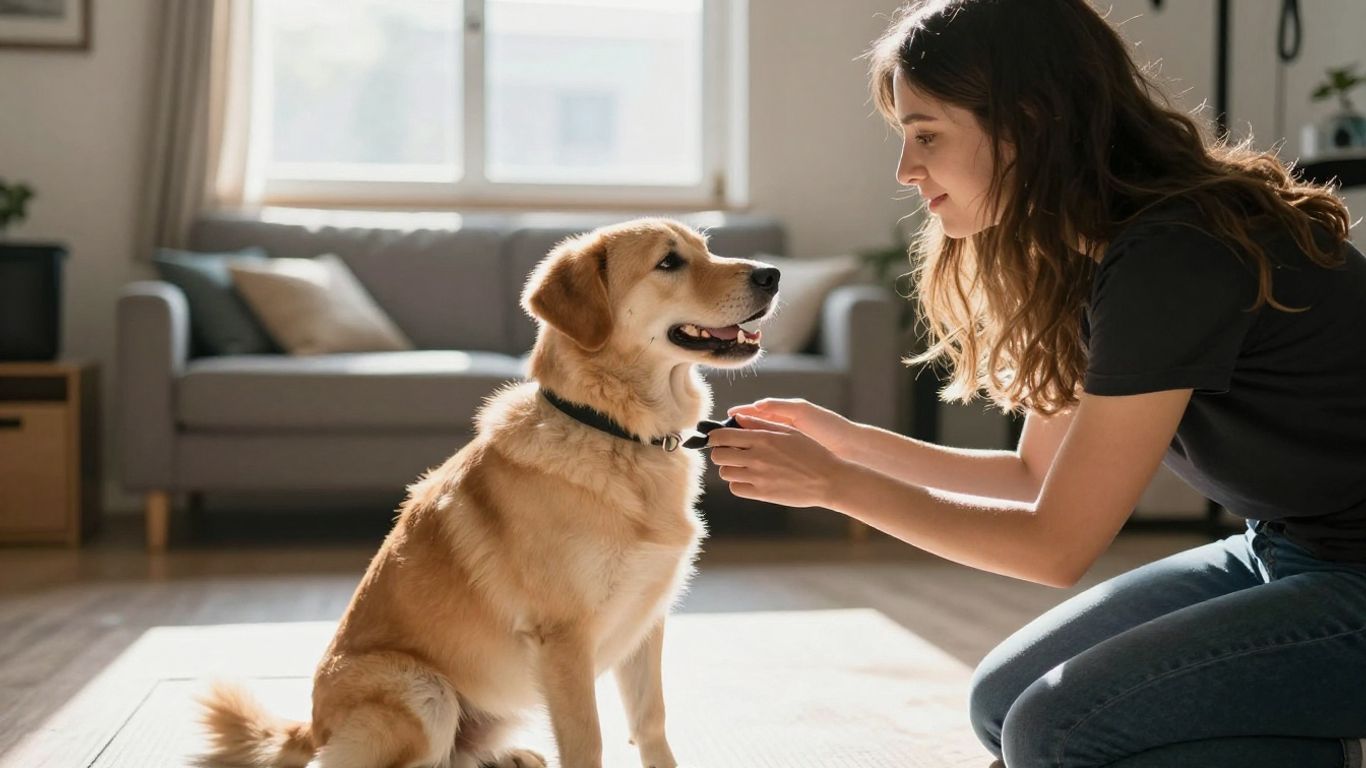
When you’re considering a board and train program for your dog, one of the first questions that pops into your head is likely, "How long will this take?" It’s a fair question, and the honest answer is: it depends. There isn’t a one-size-fits-all answer because every dog is an individual, and their learning journey is unique. Think of it like sending a kid to summer camp; some thrive and learn new skills in two weeks, while others might need a bit longer to adjust and absorb everything. Here in Chattanooga, we see a wide range of dogs, from energetic retrievers to more laid-back hounds, and their timelines for learning can vary quite a bit.
What Factors Influence How Long Does Board And Train Take For Dogs?
Several things play a role in how quickly your dog progresses during a board and train program. It’s not just about the number of days they spend with the trainer; it’s about the whole picture. We look at your dog’s history, their personality, and what you want them to learn. A dog that’s never had any training will likely need more time than one who already knows some basic commands. Also, the specific issues you’re trying to address make a big difference. For example, teaching a dog to walk nicely on a leash is different from working through serious fear-based aggression.
The Role Of Your Dog’s Age And Breed
Your dog’s age and breed are significant factors. Puppies, for instance, often learn quickly but might need more frequent reinforcement and socialization. Older dogs might have ingrained habits that take a bit longer to reshape. Breed also matters. Some breeds are naturally more eager to please and pick up on commands faster, while others might be more independent and require a different approach. A high-energy breed like a Border Collie might pick up on structured tasks quickly, but a more stubborn breed might need more patience. We tailor our approach here at Anvil K9 to fit your dog’s specific age and breed characteristics.
Obedience Versus Behavioral Training Timelines
There’s a difference between teaching obedience and modifying behavior. Basic obedience, like sit, stay, and come, can often be taught relatively quickly, especially if your dog is already responsive. However, tackling deeper behavioral issues, such as separation anxiety, reactivity, or aggression, requires more time. These problems often stem from underlying fears or learned responses, and changing them involves building trust, changing emotional responses, and creating new, positive associations. Programs focused on complex behavioral modification will naturally take longer than those solely focused on basic manners.
Understanding that board and train is an investment in your dog’s future is key. Realistic timelines help manage expectations and lead to better outcomes.
If you’re looking for a program that can address your dog’s specific needs, consider Anvil K9’s board and train program. Visit anvilk9.com to learn more.
Typical Durations For Board And Train Programs
When you’re considering a board and train program, one of the first questions that comes to mind is, "How long will my dog actually be there?" The truth is, there’s no single answer that fits every dog. The timeline really depends on what you want your dog to learn and how quickly they pick things up. Think of it like sending your kid to summer camp , some kids come back with a few new skills, while others might have mastered a whole new language. It’s all about the program’s focus and your dog’s individual learning curve.
Short-Term Stays: What To Expect
For many owners in the Chattanooga area looking to address common issues like leash pulling, basic manners, or house-training hiccups, a shorter program often does the trick. These typically range from one to three weeks. In this timeframe, a professional trainer can work on reinforcing good habits and introducing new ones. You can expect your dog to come back with a solid foundation in obedience commands like ‘sit,’ ‘stay,’ and ‘come,’ along with improved leash walking skills. It’s a great way to give your dog a jump-start on good behavior without a lengthy separation.
Extended Programs For Complex Issues
If your dog is dealing with more significant behavioral challenges, such as aggression, severe anxiety, or deep-seated fear, a longer stay is usually necessary. These programs can extend from four weeks up to eight weeks, or sometimes even longer. The extra time allows trainers to work through complex issues, build trust, and help your dog develop coping mechanisms in a controlled environment. This intensive approach is designed to create lasting change for dogs who need it most. It’s about reshaping ingrained behaviors, which, as anyone who has tried to change a stubborn habit knows, takes time and consistent effort.
How Program Length Impacts Results
The length of the program directly influences the depth of the training and the reliability of the results. Shorter programs are excellent for establishing basic obedience and addressing minor behavioral quirks. However, for more ingrained issues or for teaching advanced skills, longer programs tend to yield more profound and lasting changes. It’s not just about the number of days; it’s about the consistency and the amount of exposure your dog gets to new learning scenarios. A longer stay allows for more repetition and practice under various conditions, which is key to making the learned behaviors stick. For example, a dog that struggles with reactivity around other dogs in Chattanooga’s busy parks might need several weeks to learn to remain calm and focused.
Ready to see what a difference professional training can make for your dog? Explore Anvil K9’s board and train programs at anvilk9.com and take the first step towards a better-behaved companion.
What Happens During A Board And Train Program?
When you decide on a board and train program for your dog, you’re essentially enrolling them in an intensive, immersive learning experience. It’s not just a boarding kennel; it’s a structured environment designed for focused skill-building and behavior modification. Think of it as sending your dog to a specialized school where every day is packed with learning opportunities, tailored to their specific needs. Here in Chattanooga, reputable programs like Anvil K9 create a daily rhythm that maximizes your dog’s potential.
Daily Schedules and Training Sessions
Dogs in a board and train program typically follow a structured daily schedule. This isn’t just about a few training sessions thrown in; it’s a consistent routine designed to reinforce learning and build good habits. Most programs incorporate multiple short, focused training sessions throughout the day. These sessions are often broken up by playtime, rest periods, and structured downtime, preventing burnout and keeping your dog engaged. For example, a typical day might include:
- Morning Session: Focus on basic obedience commands like sit, stay, and recall, often in a quiet environment.
- Mid-day: Structured walks focusing on leash manners, impulse control, and exposure to mild distractions.
- Afternoon Session: Behavior modification work for specific issues, or practicing commands in a more stimulating setting.
- Evening: Wind-down time, reinforcing calm behavior and preparing for rest.
This consistent repetition, spread throughout the day, helps dogs learn more effectively than a single long session. It mimics real-life scenarios where they need to respond reliably, not just when they’re in a training mindset. The goal is to integrate these learned behaviors into their everyday life, making them second nature.
Building Trust and Communication
At its core, effective dog training is about building a strong, trusting relationship between you and your dog. A good board and train program prioritizes this. Trainers work on clear communication, using methods that your dog understands and responds to positively. This involves:
- Understanding Canine Body Language: Trainers are skilled at reading your dog’s signals, understanding when they’re stressed, confused, or eager to please.
- Positive Reinforcement: Using rewards like treats, praise, and play to encourage desired behaviors. This builds a positive association with training and with the trainer.
- Establishing Clear Rules: Setting consistent boundaries and expectations helps your dog feel secure and understand what’s expected of them.
The foundation of any successful training program is a strong bond built on mutual respect and clear communication. This trust is what allows your dog to feel confident trying new things and responding to commands, even when faced with distractions. It’s about teaching your dog that listening to you is rewarding and safe.
Socialization and Real-World Readiness
Beyond basic obedience, board and train programs focus on preparing your dog for the real world. This means controlled exposure to various sights, sounds, people, and other animals. Socialization isn’t just about letting dogs play together; it’s about teaching them how to react appropriately in different situations. This might include:
- Controlled Introductions: Meeting new people and other well-behaved dogs in a structured way.
- Environmental Exposure: Visiting different locations, like parks or pet-friendly businesses in the Chattanooga area, to practice skills under mild distraction.
- Handling Different Stimuli: Getting used to common household noises, traffic sounds, or children playing.
This gradual exposure helps dogs become more confident and less reactive. They learn that new experiences aren’t something to fear but opportunities to practice their skills. The aim is for your dog to return home not just obedient, but also well-adjusted and ready to be a calm, confident companion in any situation. If you’re looking for a program that focuses on these real-world skills, Anvil K9’s board and train program can help transform your dog’s behavior. Visit anvilk9.com to learn more.
Signs Your Dog Is Making Progress
It’s natural to wonder if all the time and effort put into a board and train program is actually paying off. Watching your dog learn and grow is incredibly rewarding, but how do you know when real progress is happening? It’s not always about dramatic overnight changes. Often, the signs are more subtle, building over time. Paying attention to these indicators can give you a clear picture of your dog’s development, whether they’re working on basic obedience or tackling more complex behavioral issues right here in Chattanooga.
Early Indicators Of Learning
Before you see a perfectly executed sit-stay, there are earlier clues that your dog is engaged and absorbing information. One of the first things trainers notice is a shift in your dog’s attention span. They start to focus more during sessions, showing interest in what the trainer is asking rather than being easily distracted by their surroundings. This improved focus is a key early sign of progress. You might also see your dog looking to the trainer for guidance or cues, indicating they’re starting to understand the communication dynamic. Even small things, like a wagging tail when a familiar training command is given or a relaxed posture during sessions, can signal that your dog feels comfortable and is ready to learn.
Observable Behavioral Changes
As the training progresses, you’ll begin to see more concrete changes in your dog’s behavior. This could be anything from responding more readily to their name or basic commands with less hesitation, to showing a calmer demeanor in situations that previously caused stress. For instance, a dog that used to bark excessively at the doorbell might now offer a sit instead. You might also notice a decrease in unwanted habits, like chewing or excessive jumping, as they learn alternative, more acceptable behaviors. The ability to maintain calm in their crate or kennel, even when alone, is a significant behavioral shift. This shows they’ve learned to self-soothe and feel secure in their space, a vital skill for any dog.
Assessing Reliability Under Distraction
True progress isn’t just about your dog performing a command when everything is quiet and controlled. It’s about their ability to recall and execute learned behaviors when life gets a little more chaotic, like during a walk through Coolidge Park or when visitors arrive at your home. Trainers look for how well your dog can maintain focus and respond to cues despite distractions like other dogs, people, or interesting smells. A dog that can reliably sit when asked, even with a squirrel nearby, is demonstrating a much deeper level of understanding and control. This real-world readiness is the ultimate goal of most board and train programs. If your dog is showing these signs, it’s a strong indication that the training is sticking and they are becoming a more well-behaved companion.
Ready to see these kinds of positive changes in your own dog? Anvil K9 offers specialized board and train programs designed to help your dog build confidence and reliable obedience. Visit anvilk9.com to learn more about how we can help your furry friend thrive.
Maximizing Your Dog’s Learning Experience
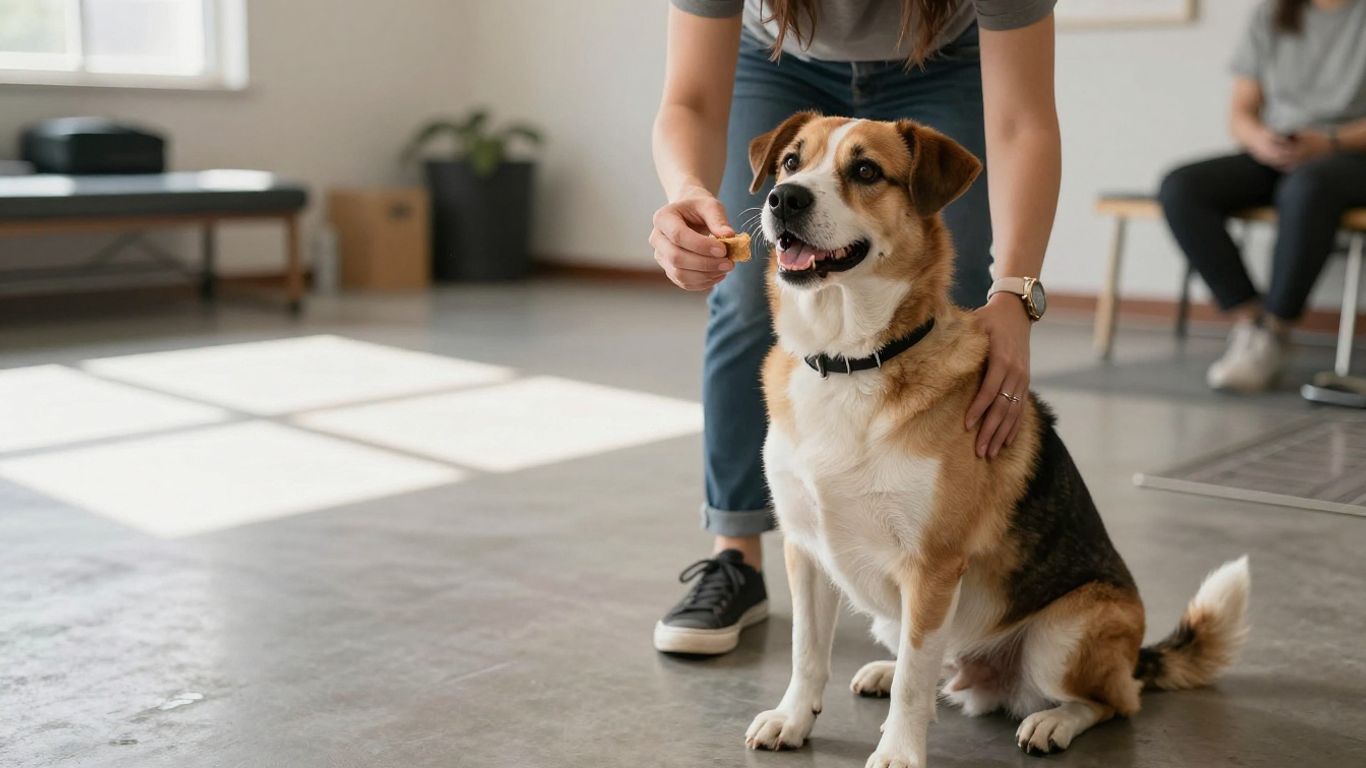
Getting the most out of a board and train program isn’t just about dropping your dog off and picking them up later. It’s about making sure the time spent is as effective as possible, setting both you and your dog up for long-term success. This means looking closely at who’s doing the training and how you’ll keep the momentum going once your furry friend is back home.
The Importance Of Trainer Expertise
The person guiding your dog’s training makes a huge difference. A good trainer understands how dogs learn, what makes them tick, and how to communicate effectively without causing stress. They can spot subtle issues and tailor the program to your dog’s specific needs, whether you’re in Chattanooga or anywhere else. Look for trainers who have a solid grasp of canine behavior and use methods that build trust. They should be able to explain their approach clearly and show you how it works.
- Knowledge of Canine Behavior: Understanding breed traits, learning styles, and common behavioral issues.
- Effective Communication: Using clear cues and positive reinforcement.
- Adaptability: Adjusting methods based on your dog’s progress and personality.
- Experience: Proven success with similar training goals.
Choosing a trainer is like picking a partner for a big project. You want someone reliable, skilled, and who understands your goals. A trainer’s background and approach directly impact how well your dog learns and retains information.
Consistency Is Key After Training
Once your dog returns from their immersive training, the real work for you begins. The skills learned need to be practiced and reinforced in your daily life. Think of it like this: if you learned a new language, you’d need to keep speaking it to stay fluent, right? Your dog is no different. Maintaining a consistent routine, using the same commands, and practicing regularly will help solidify what they’ve learned. This is where you can really see the benefits of a program like the one offered at Anvil K9.
Here’s a quick look at what to focus on:
- Regular Schedule: Keep mealtimes and walks consistent.
- Practice Sessions: Short, daily sessions (5-10 minutes) reinforce commands.
- Unified Commands: Ensure everyone in the household uses the same cues.
- Controlled Introductions: Gradually expose your dog to new people and environments.
- Anvil K9 FAQ: All Board and Train Questions Answered
Choosing The Right Program For Your Dog
Not all board and train programs are created equal, and what works for one dog might not be the best fit for another. Consider your dog’s age, breed, temperament, and the specific issues you want to address. A program focused on basic obedience might be shorter than one designed to tackle complex behavioral problems like severe anxiety. It’s important to have a clear conversation with the training program about your goals and what they can realistically achieve within a given timeframe. This helps set appropriate expectations and ensures you’re investing in a program that truly suits your dog’s needs. For example, a young puppy might benefit from a puppy board and train program focused on early socialization and basic manners, while a dog with reactivity might need a longer, more intensive stay. The goal is to find a professional setting that aligns with your dog’s individual learning journey.
Ready to give your dog the best chance at success? Contact Anvil K9 today to learn more about their board and train programs at anvilk9.com.
Realistic Expectations For Board And Train
It’s easy to get caught up in the idea of a quick fix when considering a board and train program. While these immersive experiences can accelerate progress significantly, it’s important to set grounded expectations. Think of it less like flipping a switch and more like planting a seed that needs consistent care to grow.
Beyond Overnight Success
No dog transforms into a perfect companion overnight, and a board and train program is no exception. The first week is often about adjustment for your dog to the new environment and the trainer’s routine, alongside learning foundational commands. Real breakthroughs and deeper behavior modification take time and repetition. True, lasting change is a marathon, not a sprint. While you might see noticeable improvements quickly, especially with basic obedience, complex issues like severe anxiety or aggression require sustained effort.
Individual Dog Learning Styles
Just like people, dogs learn at different paces and in different ways. A high-energy breed like a Border Collie might pick up on structured tasks rapidly, while a more sensitive dog might need a gentler, slower approach. Factors such as your dog’s age, past experiences, and even their inherent temperament play a huge role. A program tailored to your dog’s specific needs, like those offered by Anvil K9 in Chattanooga, will account for these individual differences.
The Lifelong Journey Of Training
Board and train is a powerful jump-start, not the finish line. When your dog returns home, the real work of maintaining and building upon their new skills begins. Consistency from you and your family is absolutely key. Think of the program as giving your dog a strong foundation in a new language; you still need to practice speaking it daily to become fluent. Without continued reinforcement at home, those hard-won behaviors can fade.
A board and train program is an investment in your dog’s future behavior and your relationship. It provides intensive, professional guidance, but the long-term success hinges on your commitment to continuing the training process once your dog is back home. It’s about building a partnership that lasts a lifetime.
To get your dog started on a path to better behavior and a stronger bond, explore the specialized programs at Anvil K9. Their approach is designed to create lasting results for you and your canine companion.
When you choose a board and train program, it’s important to know what to expect. These programs are designed to help your dog learn new skills and good habits while living with a trainer. However, they aren’t magic wands. Your dog will still need practice and your guidance once they return home.
Ready to learn more about how our training can help your furry friend? Reach out to talk through what’s possible for your dog.
So, How Long Does Board and Train Really Take?
Look, figuring out the exact time for a board and train program isn’t an exact science. It really depends on your dog , their age, their personality, and what issues you’re trying to fix. Basic stuff might take a few weeks, but bigger behavior problems? That could be a couple of months or even longer. The important thing is to talk to your trainer, get a realistic idea of the timeline they expect for your dog, and then stick with the plan. Remember, this isn’t just about the time they spend away; it’s about the work you’ll do together afterward to keep those good habits going. It’s an investment, for sure, but seeing your dog become a better companion is totally worth it.
Frequently Asked Questions
How long does a typical board and train program last?
Most board and train programs last anywhere from 2 to 4 weeks. For simpler training goals, like teaching basic manners, a shorter stay might be enough. But if your dog has bigger behavior problems, like being really scared or aggressive, they might need to stay for 6 weeks or even longer to get the best results.
What makes some dogs take longer to train than others?
A dog’s age, breed, and past experiences all play a big part. Puppies often learn fast because they don’t have bad habits yet. Some breeds are naturally quicker learners. Dogs that have had a tough past might need more time to feel safe and learn to trust. Plus, if a dog has serious behavior problems, it naturally takes more time to fix them.
What’s the difference between obedience training and behavior training timelines?
Learning basic commands like ‘sit’ or ‘stay’ usually takes about 3 to 6 weeks of practice. Fixing behavior problems, like fear or aggression, is more complicated and can take several months. It’s not just about commands; it’s about changing how the dog feels and reacts.
When will I see my dog start to change during training?
You might see small changes, like your dog paying more attention, within the first week. By the second week, they’ll likely start responding to commands better. Real, lasting changes in behavior usually take about 4 to 8 weeks of consistent training to become reliable, especially when there are distractions.
Is a 2-week board and train enough time?
A 2-week program can be a great start for teaching basic manners or getting a puppy used to routines. However, it’s usually not enough time to completely fix bigger behavior issues or teach very advanced skills. For those, longer programs are generally needed to see lasting results.
What should I do to make sure my dog keeps learning after board and train?
Consistency matters. Keep using the same commands and routines that the trainer used. Practice with your dog for short periods every day. Keep mealtimes and walks on a regular schedule. This helps your dog remember what they learned and keeps their good behavior going strong.
About Anvil K9
Anvil K9 Dog Training is a veteran owned, NePoPo Gold Certified board and train company in Chattanooga, Tennessee. We serve Chattanooga, Hixson, Red Bank, Signal Mountain, Ooltewah, and Ringgold. Two programs only: a 6 Week Puppy Program for puppies starting at 12 weeks old, and a 3 Week Program for dogs starting at 16 weeks old. Lifetime support included. Financing available through Affirm.
See the programs or book a free consult.
Adult dogs 16 weeks and older fit the 3 Week Board and Train at Anvil K9.