
Getting a new puppy is exciting, and you want to make sure they grow up to be a well-behaved dog. A big part of that is socialization, which means helping them get used to different people, places, and other animals. But if you’re wondering about socializing a puppy without dog parks, you’re not alone. Dog parks can be a bit unpredictable, and there are plenty of other ways to give your pup a great start in life. Let’s look at how to do it right.
Key Takeaways
- Focus on positive experiences with a variety of people and calm, known dogs during your puppy’s critical socialization window.
- Introduce your puppy to new environments and sounds gradually and positively, avoiding overwhelming situations.
- Controlled introductions to strangers and other dogs in neutral, safe spaces build confidence.
- Professional training programs, like those at Anvil K9 Dog Training, can provide structured socialization and expert guidance.
- Consistent positive reinforcement and management of your puppy’s stress levels are vital for successful socialization.
Establishing Early Socialization Without Dog Parks
Understanding Puppy Socialization Windows
Puppies go through critical periods where their brains are like sponges, soaking up information about the world. The most important window for socialization is typically between 3 and 16 weeks of age. During this time, positive exposure to new sights, sounds, people, and well-behaved dogs helps shape your puppy into a confident adult. Missing this window can lead to a dog that is fearful or reactive later in life. It’s not about overwhelming your puppy, but about providing a variety of calm, positive experiences. Think of it as building a foundation of knowledge for your dog. The goal is to show them that new things are generally safe and not something to be scared of. This early work pays off big time down the road.
The Risks of Uncontrolled Dog Park Environments
Dog parks can seem like an easy solution for socialization, but they often come with risks. You don’t know the history or temperament of every dog there. A single bad experience with an overly boisterous or aggressive dog can set your puppy back significantly, creating fear or anxiety. It’s like sending a kindergartener to a high school cafeteria unsupervised. Plus, diseases can spread easily in these environments, especially if dogs aren’t up to date on vaccinations. While some dogs do fine at dog parks, it’s not the right fit for every puppy, especially during their sensitive socialization period. We focus on controlled introductions because they are safer and more effective for building a well-adjusted dog.
Creating a Safe Foundation for New Experiences
Building a solid foundation means starting with controlled, positive interactions. Before you even think about busy places, focus on your home and immediate surroundings. Introduce your puppy to different surfaces, household noises, and gentle handling from family members. Once they are comfortable, you can start expanding their world slowly. This might involve short, calm walks in quiet areas using a long-line leash to give them a sense of freedom while you maintain control. The key is to keep experiences short, positive, and always end on a good note. If your puppy seems overwhelmed, back off and try again later with less intensity. This careful approach helps prevent negative associations and builds confidence.
Controlled Encounters for Confident Puppies
Dog parks can be a gamble. You never really know who you’re going to meet, and that can be stressful for a young dog still figuring things out. Instead of throwing your puppy into a chaotic environment, let’s talk about setting up some controlled meetings. This is where you get to be the director of your puppy’s social life, making sure every interaction is a positive one. It’s all about building confidence through good experiences, not just any experiences.
Meeting Well-Behaved Adult Dogs
An older, calm, and well-trained adult dog can be an amazing mentor for a puppy. Think of a friend’s dog who is known for being gentle and patient. These dogs can teach puppies how to interact appropriately without being overly rough or overwhelming. It’s like having a good role model. When introducing your puppy to an adult dog, make sure the adult dog is comfortable with puppies and the environment is neutral and quiet. Keep the first few meetings short and sweet, ending on a positive note before either dog gets tired or stressed.
Introducing Puppies to Calm, Known Dogs
If you have friends with puppies who are also going through socialization, setting up playdates can be beneficial. The key here is ‘calm’ and ‘known.’ You want puppies that are roughly the same age and energy level, and whose owners are committed to good training. Avoid letting puppies just tumble around unsupervised. Keep an eye on their body language. If one puppy is getting overwhelmed or the play is getting too rough, it’s time to take a break. These controlled play sessions help puppies learn social cues in a safe setting. For puppies needing a solid foundation, Anvil K9’s 6 Week Puppy Program is designed to build these skills from the ground up.
Supervised Playdates in Neutral Territory
When you arrange playdates, try to do them in a place that neither dog considers their own territory. This could be a quiet corner of a park (away from other dogs), a friend’s yard, or even just a quiet street. Neutral ground helps prevent dogs from feeling territorial and makes them more open to interacting with a new friend. Always supervise closely. Watch for signs of stress, like lip licking, yawning, or a stiff body. If you see these, it’s time to separate the dogs for a bit. The goal is to create positive associations with meeting other dogs, not to force interactions.
Setting up these controlled encounters is more about quality than quantity. A few good experiences with well-chosen dogs will do far more for your puppy’s confidence than a dozen chaotic encounters. It takes a bit more planning, but the payoff in a well-adjusted dog is absolutely worth it.
Exposing Your Puppy to the Wider World
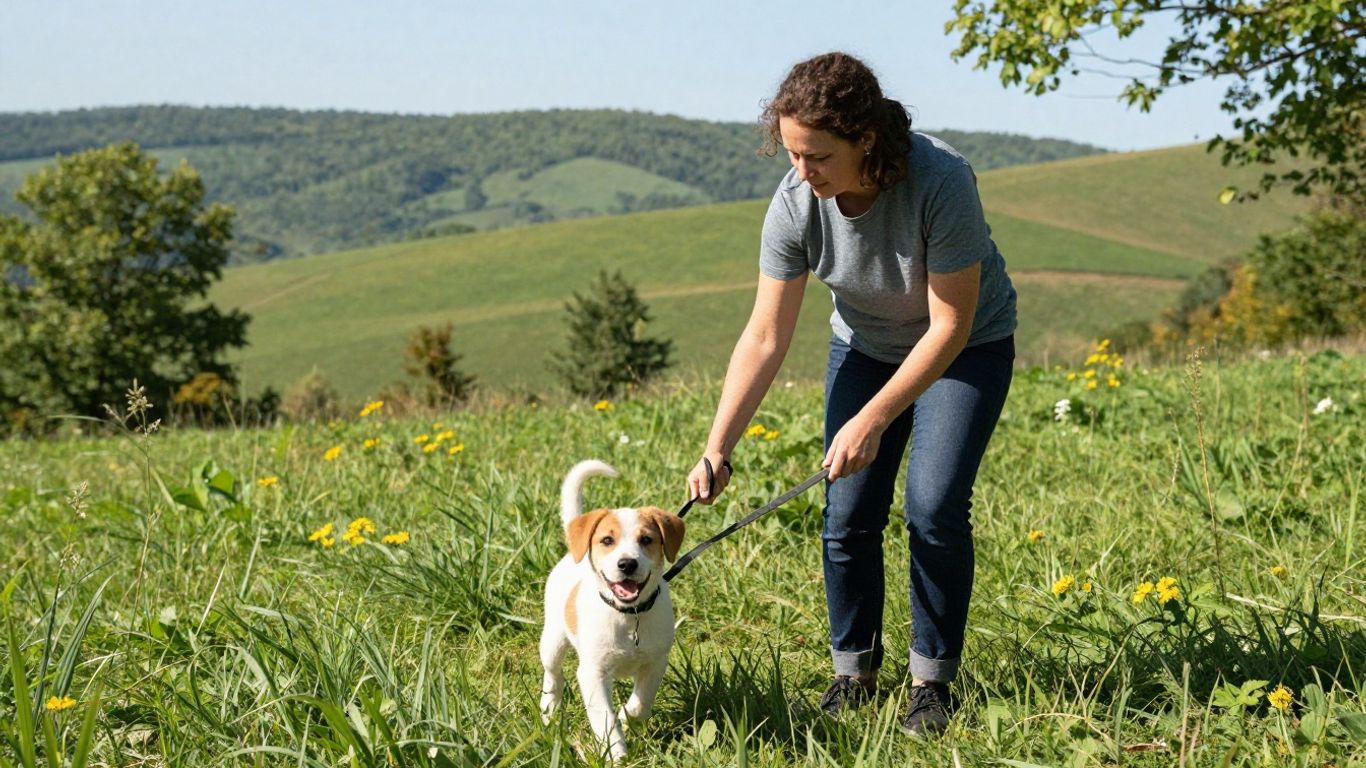
Taking your puppy out and about is a big step, and it needs to be done thoughtfully. It’s not just about showing them new things; it’s about making sure those new things are good experiences. Think of it like introducing a child to a new school. You want them to feel safe and curious, not overwhelmed and scared. The goal here is to build confidence, not to create anxiety.
Navigating Public Spaces Safely
When you take your puppy to public places, like a quiet park or a pet-friendly store, keep things controlled. Always have your puppy on a leash and keep them close to you. This isn’t the time for them to run wild. You want them to observe, not to interact with every person or dog they see. Watch their body language. Are they curious and relaxed, or are they showing signs of stress like lip licking, yawning, or tucking their tail? If they seem uncomfortable, it’s time to move away from the situation. It’s better to have a short, positive outing than a long, stressful one. For puppies 12 weeks and older, our 6 Week Puppy Program can help build a solid foundation for these experiences.
Positive Experiences in Busy Areas
Busy areas can be a lot for a young dog. Instead of plunging them into the middle of a crowded street fair, start small. Find a spot where you can sit with your puppy at a distance from the main activity. Let them watch the world go by. Reward them with treats and praise for calm behavior. If they seem okay, you can gradually move a little closer on future outings. The key is to go at your puppy’s pace. If they are 16 weeks or older and you’re finding this challenging, consider our 3 Week Program for expert help.
Desensitization to Everyday Sounds and Sights
Your puppy needs to get used to the normal sounds and sights of life. This includes things like traffic, vacuum cleaners, doorbells, and even the clatter of dishes. You can help with this by gradually introducing these things at a low level. For example, play recordings of traffic sounds softly while your puppy eats or plays. If they don’t react negatively, you can slowly increase the volume over time. The same goes for sights. Let them see things like bicycles or strollers from a safe distance. The aim is to make these common things seem boring and uninteresting to your dog. This process takes time and patience, but it’s vital for a well-adjusted dog.
Building a confident dog means managing their environment and experiences carefully. It’s about setting them up for success, not overwhelming them. Every outing is a training opportunity, so make it a good one.
Remember, Anvil K9 is here to help. We offer specialized programs designed to build confidence and good behavior in puppies and adult dogs alike. You can learn more about our board and train options or contact us to discuss your dog’s needs.
Building Positive Associations with People
Puppies need to learn that people are generally good and safe. This isn’t just about avoiding fear; it’s about building confidence. When your puppy has positive interactions with different kinds of people, they’re less likely to be wary or reactive later on. This is a big part of raising a confident puppy, setting them up for a well-adjusted life.
Controlled Greetings with Strangers
When introducing your puppy to new people, keep it low-key. Ask friends or family to help, but make sure they follow your lead. The person should approach your puppy calmly, without direct eye contact at first. Let the puppy come to them. If the puppy is comfortable, the person can offer a treat or a gentle pet, but only if the puppy initiates the interaction. The goal is for your puppy to associate new people with good things, like treats and calm attention. Avoid overwhelming your puppy with too many people at once. Start with one person, then gradually increase the number as your puppy shows comfort.
Teaching Polite Interactions
Polite interactions mean your puppy doesn’t jump, bark excessively, or get overly excited when meeting people. You can teach this by rewarding calm behavior. When someone approaches, if your puppy sits or stays relatively still, they get a reward. If they jump, the person can turn away briefly, removing the attention until the puppy settles. This teaches the puppy that calm behavior gets them what they want – attention and interaction. It’s about clear communication, not punishment. This kind of training is something Anvil K9 excels at, helping dogs understand expectations in real-world settings.
Encouraging Gentle Handling
Gentle handling is important for vet visits, grooming, and general care. Have people gently touch your puppy while you are present. They can pet your puppy on the back or chest, avoiding the head initially if your puppy seems hesitant. Pair these touches with high-value treats. You can also practice picking up your puppy’s paws or looking in their ears for a second, followed by a treat. This helps your puppy accept being touched and examined without stress. It’s a gradual process, and patience is key. If your puppy is struggling with these interactions, consider professional help. Anvil K9 offers a 6 Week Puppy Program designed to build a solid foundation for young dogs, including positive exposure to various experiences. They also have a 3 Week Program for older puppies and adult dogs that can address specific handling sensitivities.
Utilizing Professional Training for Socialization
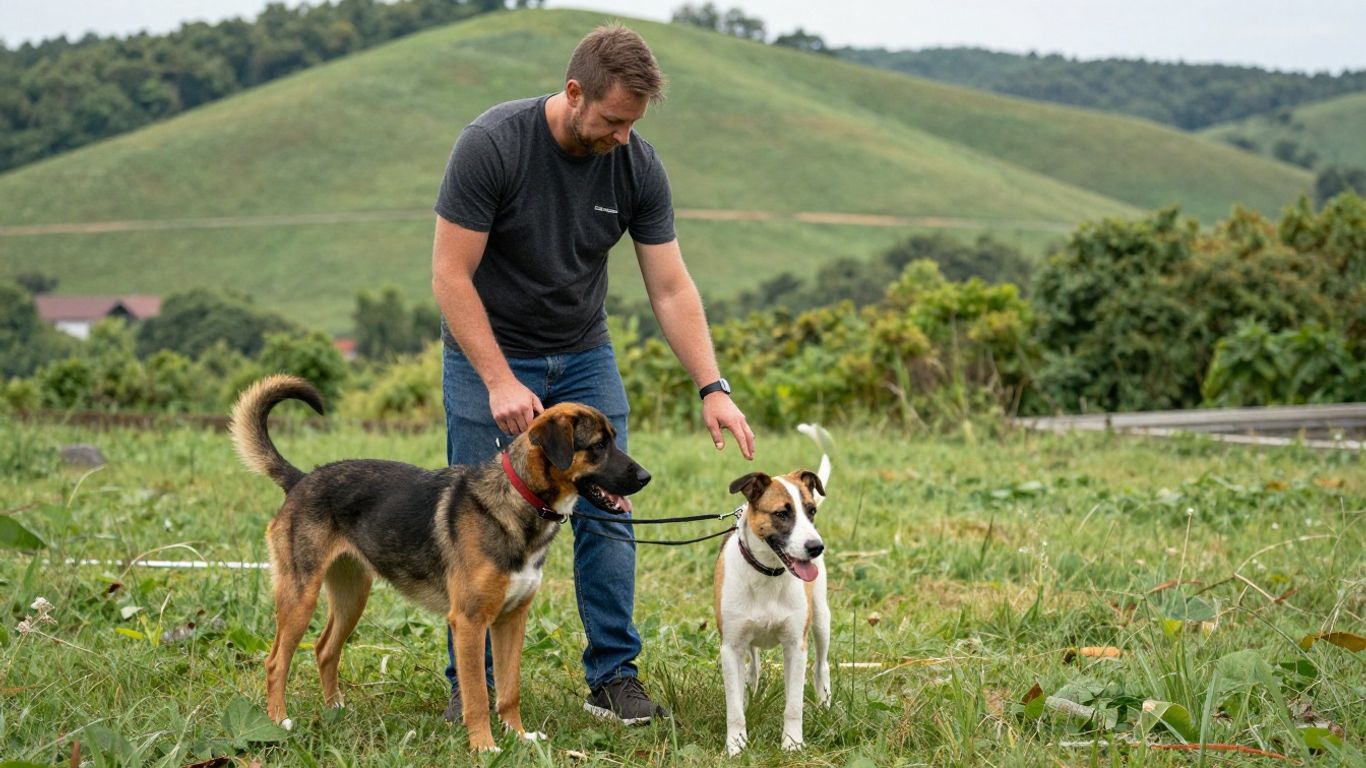
Sometimes, you need a little help to get your puppy on the right track. Professional training isn’t just about teaching commands; it’s about building a confident, well-adjusted dog. Anvil K9 Dog Training offers structured programs designed to give your puppy the best start.
The Benefits of Board and Train Programs
Board and train programs mean your puppy lives with a professional trainer for a set period. This immersion allows for consistent, focused training in a controlled environment. It’s a highly effective way to accelerate learning and address specific behavioral goals. This approach is particularly useful for socialization because the trainer can carefully manage interactions and expose your puppy to various stimuli under supervision. It takes the guesswork out of the process for you, especially if you’re feeling overwhelmed or unsure.
Structured Learning Environments
Anvil K9 offers two main programs: the 6 Week Puppy Program, ideal for puppies starting at 12 weeks old, and the 3 Week Program, for dogs 16 weeks and older. These programs are not just about obedience; they focus on building a solid foundation for good behavior and a calm temperament. The training uses the NePoPo method, which combines clear communication with positive reinforcement. This structured approach helps puppies learn what’s expected of them in a way that builds confidence rather than fear. You can learn more about their approach to puppy socialization.
Expert Guidance for Social Development
Working with professionals like those at Anvil K9 means you get guidance from experienced trainers who understand canine behavior. They can help you interpret your puppy’s signals and manage situations that might otherwise be challenging. This expert support is invaluable for developing a puppy that is comfortable and confident in various social settings. They can help you find and select the right professional for your dog’s needs.
Professional training provides a structured path to socialization, ensuring your puppy learns appropriate behaviors in a safe and controlled manner. It’s an investment in your dog’s future well-being and your peace of mind.
Reinforcing Good Behavior During Socialization
Socializing your puppy is about more than just exposure; it’s about building positive associations and teaching them how to act appropriately. This is where reinforcing good behavior comes into play. When your puppy does something right during a social encounter, you need to acknowledge it. This helps them understand what you want and makes them more likely to repeat it. Think of it as giving them a clear signal that they’re on the right track.
Using Positive Reinforcement Effectively
Positive reinforcement is your best tool here. It means rewarding your puppy when they exhibit desired behaviors. This could be anything from a calm greeting to a polite interaction. The key is to make the reward meaningful to your puppy. For some, it might be a high-value treat, while for others, it could be a favorite toy or a quick game of tug. The goal is to make good behavior more rewarding than any alternative. The more consistently you reward good choices, the more likely your puppy is to make them again. This approach builds confidence and a positive outlook on new experiences. You can learn more about how positive reinforcement works at Positive reinforcement training focuses on rewarding your dog for desired behaviors.
Managing Overstimulation and Fear
Puppies can get overwhelmed. Too much too soon, or an encounter that goes sideways, can lead to fear or overstimulation. If your puppy starts showing signs of stress, like excessive panting, lip licking, or trying to escape, it’s time to back off. Don’t force them to stay in a situation that’s making them uncomfortable. Instead, create distance and help them calm down. Once they’re relaxed, you can try again later, perhaps in a less intense way. It’s better to have short, positive experiences than long, scary ones. This builds trust and shows your puppy that you’ll protect them.
- Watch for early stress signals.
- Create space when needed.
- End on a positive note, even if it’s just a calm moment.
Consistency is Key for Social Skills
Just like with any learning, consistency is vital for your puppy’s social development. Everyone in the household needs to be on the same page about how to handle social situations and what behaviors are acceptable. This means consistent rules and consistent rewards. If one person allows jumping and another corrects it, your puppy will be confused. This applies to training methods too. At Anvil K9, we use the NePoPo method, which provides clear communication and consistent structure. This approach helps puppies understand expectations reliably. For puppies, our 6 Week Puppy Program is designed to build this foundation. For older dogs or puppies past the initial puppy stage, the 3 Week Program also focuses on consistent, real-world obedience. This consistency helps prevent confusion and builds a solid understanding of social cues and expected behavior.
Building good social habits takes time and patience. It’s about setting your puppy up for success by managing their environment and rewarding the right choices. Don’t get discouraged by setbacks; just keep practicing and stay consistent.
When your dog does something good during socialization, like staying calm around other dogs or people, make sure to praise them! Positive attention helps them understand what you want them to do. Want to learn more about making socialization a breeze? Visit our website for tips and resources!
Bringing It All Together
So, we’ve talked about a bunch of ways to get your puppy used to other dogs and people without hitting up the dog park. It might seem like a lot, but honestly, it’s about being smart and consistent. Think about controlled introductions, maybe some playdates with known, vaccinated dogs, or even just walks where you can see other dogs from a distance. The goal here isn’t to make your puppy a social butterfly overnight, but to build their confidence and teach them how to act appropriately around others. If you’re finding it tough or your puppy is showing signs of fear or aggression, don’t hesitate to get some professional help. For folks around Chattanooga, Anvil K9 Dog Training offers a 6 Week Puppy Program that can really set your pup up for success. You can check out their board and train options at anvilk9.com/board-and-train-chattanooga/ or get in touch at anvilk9.com/contact. Remember, a well-socialized dog is a happy dog, and it starts with you making the right choices now.
Frequently Asked Questions
When is the best time to start socializing my puppy?
The most important time to socialize your puppy is between 3 and 16 weeks old. This is a critical window where they are most open to new experiences. Getting them used to different sights, sounds, people, and well-behaved dogs during this period helps them grow into a confident adult dog. It’s all about creating positive first impressions!
Are dog parks really that risky for puppies?
Dog parks can be risky because you don’t always know the other dogs there. Some dogs might be sick, scared, or not play nicely, which could lead to a bad experience for your puppy. Uncontrolled environments mean you can’t guarantee your puppy’s safety or that they’ll have a positive interaction. It’s better to choose safer, more controlled ways to socialize.
How can I introduce my puppy to other dogs safely?
Start by introducing your puppy to calm, vaccinated adult dogs that you know well and trust. You can also arrange playdates with other puppies of similar age and vaccination status in a neutral, safe space like a friend’s yard. Always keep an eye on the interactions to make sure everyone is having a good time and no one is getting overwhelmed.
What are some good ways to get my puppy used to public places?
Take your puppy to quiet public areas first, like an empty parking lot or a park during off-peak hours. Let them observe from a distance. Gradually move closer to busier areas as they get more comfortable. Reward them with treats and praise for staying calm. This helps them learn that new places and sounds are not scary.
How do I help my puppy get comfortable with strangers?
Ask friends or family members to help. Have them approach your puppy calmly, offer a treat, and then move away. Avoid letting strangers overwhelm your puppy by petting them all at once. Keep greetings short and sweet, and always let your puppy decide if they want to interact. This builds trust and prevents fear.
What if my puppy gets overwhelmed or scared during socialization?
If your puppy shows signs of fear or stress, like trying to run away, tucking their tail, or excessive panting, it’s time to take a break. Move them to a quieter spot or end the interaction. Don’t force them into situations that scare them. Instead, try again later with less intensity or from a greater distance. Building confidence takes patience.