
So, you’re looking to bring a Labrador puppy into your life here in Chattanooga? That’s fantastic! Labradors are great dogs, full of energy and love. But raising one, especially in a city like ours, comes with its own set of adventures. From puppy-proofing your home to figuring out the best spots for walks, this guide is all about helping you through the process of raising a Labrador puppy in Chattanooga. We’ll cover everything you need to know to get started and make sure your new furry family member settles in well.
Key Takeaways
- Getting your home ready for a Labrador puppy involves choosing the right breed traits and stocking up on necessary supplies. Puppy-proofing is a must for safety.
- Early training and socialization are key for a well-behaved dog. House training and basic commands should be a priority, along with exposing your puppy to different sights and sounds around Chattanooga.
- Expect common puppy behaviors like nipping and chewing, and learn how to manage them. Leash training is important for navigating city walks safely.
- Proper nutrition and regular vet care are vital for your Labrador’s health. Knowing common health issues can help you prevent them.
- As your puppy grows, focus on advanced training for reliability. Enjoying Chattanooga’s dog-friendly places together will strengthen your bond.
Getting Started With Your Labrador Puppy
Bringing a Labrador puppy into your home in Chattanooga is an exciting time. Labs are known for their friendly nature and energy, but they also need a solid foundation from day one. This means choosing the right puppy, getting the necessary gear, and making sure your house is safe for a curious little canine.
Choosing the Right Labrador Retriever
When you’re looking for a Labrador, think about where the puppy is coming from. A responsible breeder will focus on health and temperament, not just looks. You want a puppy that’s been well-socialized from a young age. This early exposure is key to developing a confident, well-adjusted dog. If you’re considering a puppy, remember that Anvil K9 offers a specialized 6 Week Puppy Program designed for young dogs starting at 12 weeks old. This program focuses on building a strong foundation in manners, socialization, and basic obedience, setting your puppy up for success.
Essential Supplies for Your New Puppy
Before your new Labrador arrives, you’ll need a few things. Having these ready will make the transition smoother for everyone.
- Food and Water Bowls: Stainless steel or ceramic are good choices. They are easy to clean and durable.
- High-Quality Puppy Food: Talk to your vet or breeder about the best food for your Lab’s age and breed. Labs can be prone to certain issues, so good nutrition is important.
- Crate: A crate can be a lifesaver for house training and providing a safe den for your puppy. Make sure it’s the right size – big enough for them to stand up, turn around, and lie down, but not so big they can use one end as a bathroom.
- Leash and Collar/Harness: A lightweight leash and a comfortable, adjustable collar or harness are needed for walks and training.
- Chew Toys: Labs love to chew. Provide a variety of safe chew toys to redirect this natural behavior away from your furniture.
- Cleaning Supplies: Accidents will happen. Have an enzymatic cleaner on hand to properly clean up messes and eliminate odors.
Puppy-Proofing Your Chattanooga Home
Your new puppy sees your home as a giant playground. It’s your job to make it safe. Think like a puppy: what looks interesting and is within reach?
- Electrical Cords: Secure or cover all electrical cords. Puppies love to chew on them, which can be dangerous.
- Chemicals and Medications: Store all cleaning supplies, medications, and toxic substances in high, locked cabinets.
- Small Objects: Keep small items like coins, buttons, jewelry, and children’s toys picked up. These can be choking hazards.
- Trash Cans: Use trash cans with secure lids, especially in the kitchen and bathroom.
- Plants: Many common houseplants are toxic to dogs. Research your plants and move any that are harmful out of reach or remove them entirely.
Setting up your home and having the right supplies ready before your puppy arrives makes a big difference. It helps them settle in faster and reduces stress for you. It’s about being prepared for the energy and curiosity a young Labrador brings.
Getting your Labrador puppy started right involves careful planning. From selecting the right dog to preparing your home, these early steps are vital. For those looking for a structured approach to puppy training, Anvil K9 offers a 6 Week Puppy Program that covers foundational skills. If you have questions about programs or want to discuss your puppy’s needs, you can contact them.
Early Training and Socialization
House Training Your Labrador
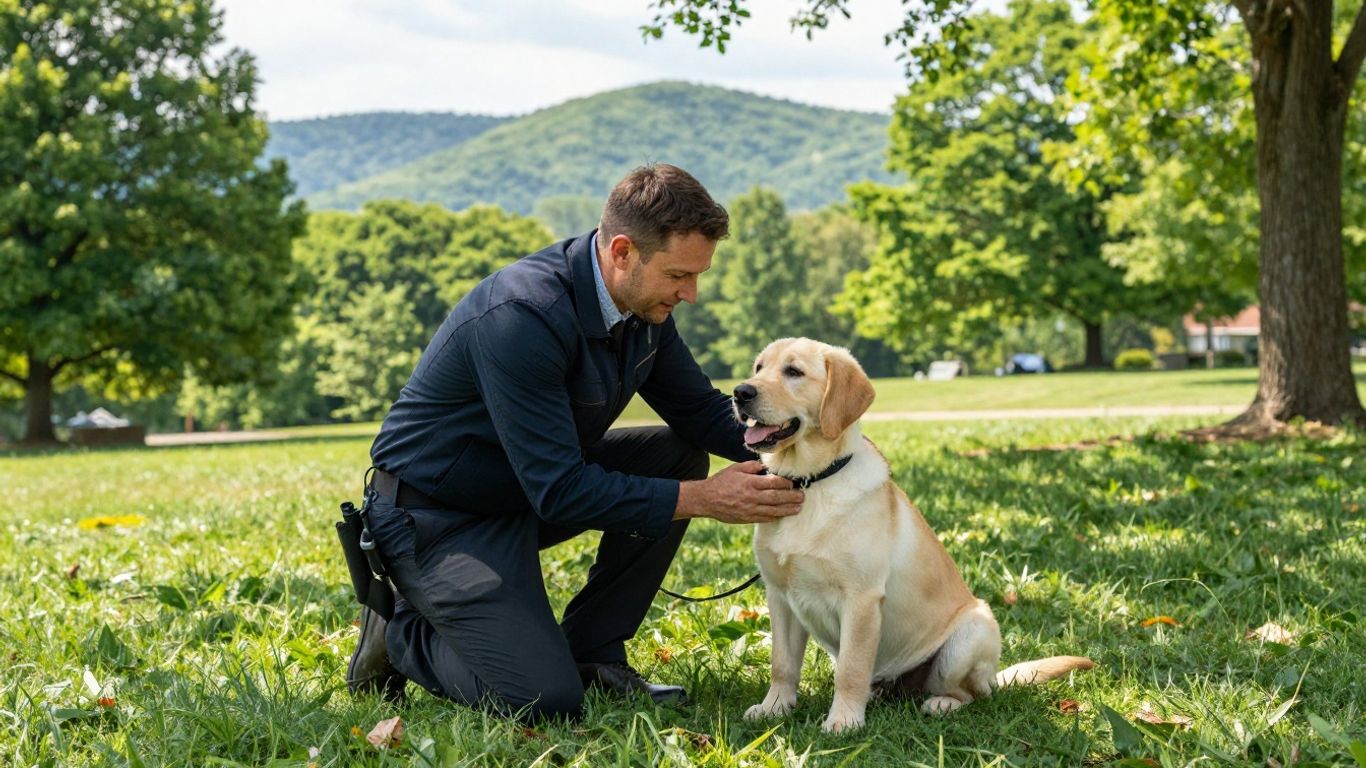
House training a Labrador puppy takes patience and consistency. Labs are smart, but they also have a lot of energy and can get distracted easily. The key is to establish a routine and supervise your puppy closely. Take your puppy out first thing in the morning, after naps, after playing, and after eating. When they go to the bathroom outside, praise them enthusiastically and give them a small treat. Accidents will happen, especially in the beginning. If you catch your puppy in the act, interrupt them with a clap and immediately take them outside. Clean up accidents thoroughly with an enzymatic cleaner to remove any scent that might attract them back to the same spot.
Consistency is the most important factor in successful house training. Stick to a schedule, even on weekends, and manage your puppy’s environment to prevent accidents when you can’t supervise directly. Crate training can be a helpful tool, as dogs generally avoid soiling their sleeping area.
Basic Obedience Commands
Starting basic obedience early sets a good foundation for your Labrador. Commands like ‘sit,’ ‘stay,’ ‘come,’ and ‘down’ are not just for show; they help manage your puppy’s behavior and build a stronger bond between you. Use positive reinforcement, like treats and praise, to reward correct responses. Keep training sessions short and fun, especially for young puppies who have short attention spans.
Anvil K9 offers a specialized 6 Week Puppy Program designed to instill these foundational manners. This program is for puppies starting at 12 weeks old and covers everything from basic commands to socialization. It’s about teaching your puppy how to learn and setting them up for success.
Socializing Your Puppy in Chattanooga
Socialization is critical for developing a well-adjusted dog. Between 3 and 16 weeks of age, your puppy’s brain is like a sponge, absorbing information about the world. Expose your puppy to a variety of sights, sounds, people, and other well-behaved dogs in a positive way. This doesn’t mean overwhelming them; it means controlled, positive introductions.
Here are some ideas for socializing your puppy around Chattanooga:
- Visit local parks: Take your puppy to parks like Coolidge Park or Renaissance Park during quieter times. Let them observe from a distance if they seem nervous.
- Introduce them to different people: Have friends and family members of various ages and appearances meet your puppy. Ensure these interactions are calm and positive.
- Controlled dog introductions: Arrange playdates with known, vaccinated, and friendly adult dogs. Avoid dog parks until your puppy is fully vaccinated and has a solid understanding of dog body language.
Proper socialization helps prevent fear-based aggression and anxiety later in life. If you’re finding it challenging to manage your puppy’s socialization or behavior, Anvil K9’s 6 Week Puppy Program can provide structured socialization and training. We are a veteran owned business that can help your puppy become a confident, well-behaved member of your family. We also offer Affirm financing to make training accessible. You can contact us to learn more.
Navigating Common Puppy Challenges
Bringing a Labrador puppy home is exciting, but let’s be honest, it comes with its own set of hurdles. You’re going to run into some common puppy behaviors that can be frustrating if you don’t know how to handle them. The good news is, most of these are normal and manageable with the right approach.
Addressing Nipping and Biting
Labrador puppies, like all puppies, explore the world with their mouths. Nipping and mouthing are natural behaviors as they learn about their environment and how to interact. However, you need to teach them bite inhibition – how hard is too hard. When your puppy nips too hard during play, let out a sharp yelp, like another puppy would, and briefly withdraw attention. If they continue, a short time-out (10-20 seconds) in a safe space like their crate can help them understand that hard bites end the fun.
- Redirect: Always have appropriate chew toys available. When your puppy starts to mouth your hand, immediately redirect them to a toy.
- Consistency: Everyone in the household needs to be on the same page with how to respond to nipping.
- Avoid rough play: Don’t encourage games that involve biting hands or clothes, as this can reinforce the behavior.
Managing Destructive Chewing
Chewing is another normal puppy behavior, especially during teething. They chew to relieve discomfort and to explore. The key is to manage their environment and provide appropriate outlets. If your puppy is chewing something they shouldn’t, interrupt them with a sound and immediately offer them an acceptable chew toy. Puppies need constant supervision or to be in a safe, confined area when you can’t watch them. This prevents them from practicing bad habits.
- Puppy-proof your home: Remove tempting items like shoes, electrical cords, and valuable objects from your puppy’s reach.
- Provide variety: Offer different types of chew toys – some soft, some hard, some that dispense treats – to keep them engaged.
- Exercise: A tired puppy is less likely to be a destructive puppy. Ensure your Lab gets enough physical and mental stimulation daily.
Leash Training for City Walks
Chattanooga has some great spots for walks, but a puppy that pulls on the leash can make exploring less enjoyable. Start leash training early in a low-distraction environment, like your backyard. Let your puppy get used to wearing the collar or harness first. Then, attach the leash and let them drag it around under supervision. When you start walking, reward your puppy for walking beside you with a loose leash. If they pull ahead, stop moving. Only resume walking when the leash slackens. This teaches them that pulling stops forward progress.
Leash training requires patience. It’s about teaching your dog clear communication and boundaries, not just forcing them to heel. Consistency is your best tool here.
If you’re finding these common challenges difficult to manage, consider professional guidance. Anvil K9 offers a 6 Week Puppy Program designed to build a strong foundation for your young Labrador, addressing these issues and more. For older puppies or adult dogs, the 3 Week Program can help correct ingrained behaviors. We are a veteran owned business and offer financing through Affirm to make training accessible. You can contact us to discuss your puppy’s needs.
Health and Nutrition for Labradors
Keeping your Labrador healthy and well-fed is a big part of raising a good dog. It’s not just about avoiding problems; it’s about setting them up for a long, active life here in Chattanooga. This means paying attention to what they eat and getting them to the vet when they need it.
Choosing the Best Food for Your Puppy
When you bring your Labrador puppy home, the food you choose makes a difference. Puppies have different nutritional needs than adult dogs. Look for a high-quality puppy food specifically formulated for large breeds. These foods usually have the right balance of protein, fat, and calcium to support their growth without making them grow too fast, which can cause joint issues later on. You’ll want to check the ingredients list. The first few ingredients should be real meat sources, not fillers like corn or soy. Brands that focus on whole ingredients are generally a good bet.
- Protein: Essential for muscle development. Aim for around 25-30% protein for puppies.
- Fat: Provides energy and supports skin and coat health. Around 15-20% fat is typical.
- Calcium and Phosphorus: Crucial for bone growth, but the ratio needs to be right to avoid problems.
- DHA: Often added for brain and eye development.
Feeding schedules are important too. Young puppies need to eat more frequently, usually three to four times a day. As they get older, you can gradually reduce this to two meals a day. Always follow the feeding guidelines on the food bag, but adjust based on your puppy’s body condition and activity level. If your puppy seems too thin or too heavy, you might need to adjust the amount. It’s always best to discuss your puppy’s diet with your veterinarian.
Veterinary Care in Chattanooga
Regular vet visits are non-negotiable for your Labrador puppy. Your first stop should be a local veterinarian in the Chattanooga area shortly after you get your puppy. They will give your puppy a thorough check-up, discuss vaccination schedules, and talk about parasite prevention. Puppies need a series of vaccinations to protect them from common diseases like distemper, parvovirus, and rabies. Your vet will guide you through this schedule.
Beyond the initial puppy visits, annual check-ups are important for adult dogs. These visits allow your vet to catch potential health issues early. They’ll also administer booster shots and discuss flea, tick, and heartworm prevention. Heartworm disease is a serious concern in our region, so consistent prevention is key. If you’re struggling with getting your puppy settled or dealing with behavioral issues, consider a board and train program like the 6 Week Puppy Program from Anvil K9. They focus on foundational manners and socialization, which can help prevent future health and behavior problems.
Preventing Common Health Issues
Labradors are prone to certain health problems, and being aware of them can help you prevent or manage them. Hip and elbow dysplasia are common in larger breeds. While genetics play a role, maintaining a healthy weight and avoiding excessive jumping or strenuous activity during their rapid growth phase can help. Good nutrition, as discussed, is also vital for joint health.
Skin allergies are another frequent issue for Labradors. You might notice itching, redness, or ear infections. Identifying triggers, whether environmental or food-related, is important. Your vet can help diagnose and manage allergies. Ear infections often happen because Labradors’ floppy ears don’t allow for much air circulation, so keeping their ears clean and dry is a good practice. Regular grooming, including brushing their coat and checking their skin, can also help you spot problems early. If you’re finding it challenging to manage your dog’s behavior or need help establishing good habits, Anvil K9 offers a 3 Week Program designed for adult dogs that can address many behavioral concerns and set you both up for success.
Proper health and nutrition are the bedrock of a happy, active Labrador. Don’t cut corners here; your dog’s well-being depends on it. Consistent vet care and a thoughtful approach to diet will pay dividends throughout your dog’s life.
Advanced Training and Behavior
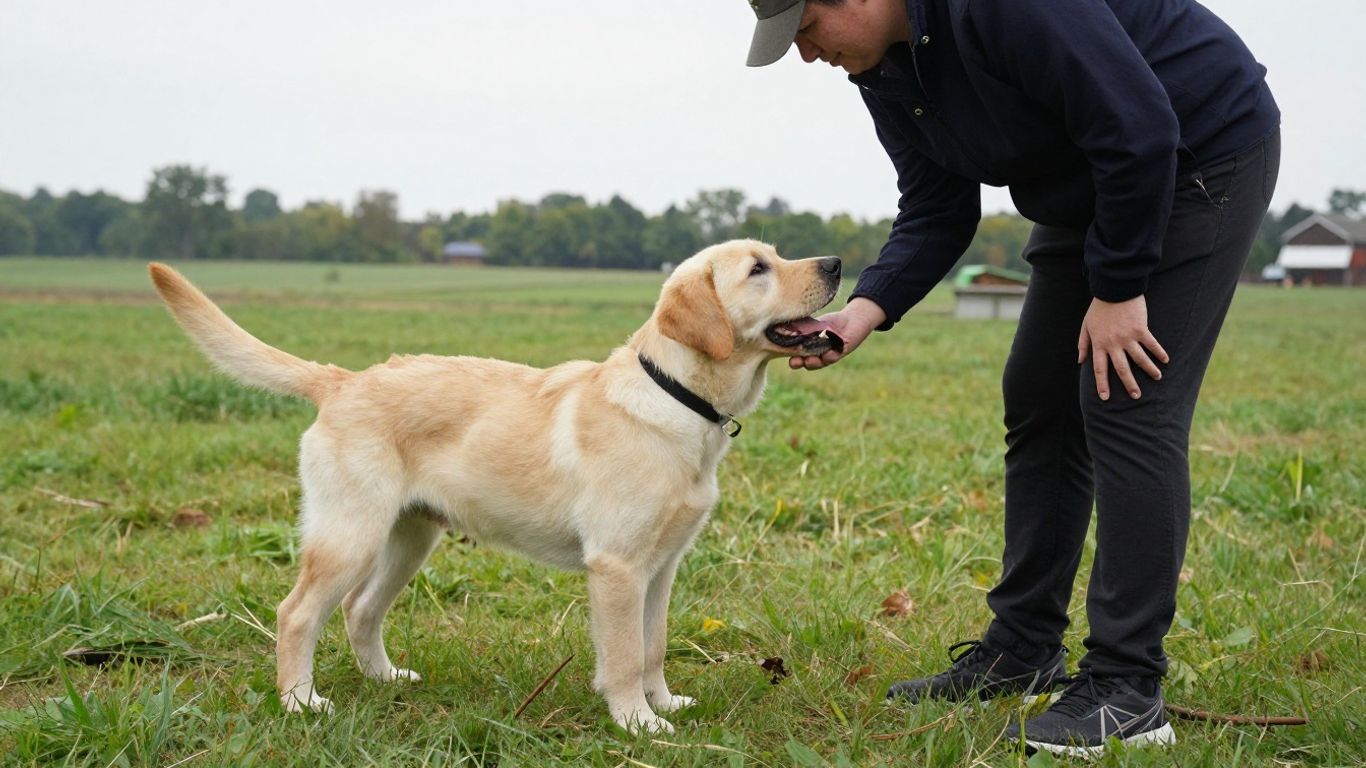
Once your Labrador puppy has a solid foundation, it’s time to build on that. This stage is about refining their manners and making sure they can handle the real world, distractions and all. We’re talking about making sure they listen when it counts, not just when you’ve got a treat in your hand.
Off-Leash Reliability
Getting your Lab to listen when they’re not physically tethered to you is a big step. It requires consistent practice and building a strong bond. This isn’t about forcing your dog to obey; it’s about earning their trust and making sure they understand that listening to you is always the best option. We use a balanced approach that clearly communicates expectations and rewards good choices. This method helps your dog understand boundaries and build confidence in their decisions, even when you’re not right there.
Building a Strong Recall
A reliable recall is non-negotiable, especially in a place like Chattanooga with its parks and trails. It means your dog will come back to you when called, no matter what’s going on around them. This involves starting in a quiet area and gradually increasing distractions. We focus on making coming to you the most rewarding thing your dog can do. It’s a process that takes time and patience, but the payoff in safety and freedom for your dog is huge. If you’re finding this challenging, consider a program like the 6 Week Puppy Program designed to build these skills from an early age.
Calm Behavior in Public Spaces
Labradors are naturally enthusiastic, which is great, but it can be a lot in busy public areas. Teaching your dog to remain calm when faced with new people, other dogs, or exciting environments is key to being a good canine citizen. This involves controlled exposure and teaching your dog how to settle. It’s about managing their excitement, not suppressing their personality. For dogs that need a more intensive approach to learning calm behavior, the 3 Week Program is designed for adult dogs and older puppies needing to address behavioral issues and achieve reliable obedience in real-world settings. This program is available with Affirm financing.
Remember, advanced training isn’t just about obedience; it’s about building a well-behaved companion who can confidently and calmly navigate the world alongside you. It requires clear communication, consistency, and a deep understanding of your dog’s needs and motivations.
Enjoying Chattanooga With Your Labrador
Dog-Friendly Parks and Trails
Chattanooga offers some great spots to explore with your Labrador. When you’ve got your dog’s training dialed in, places like Enterprise South Nature Park are fantastic. It has miles of trails where your Lab can stretch its legs. Just remember to keep them on a leash, especially if they aren’t fully reliable off-leash yet. Another good option is the Tennessee Riverpark; it’s paved and offers nice views, though it can get busy. Always be mindful of other park users and their dogs. Having a well-behaved dog makes these outings much more enjoyable for everyone.
Local Resources for Dog Owners
When you need support or specialized training, Anvil K9 is the place to go. They offer two main programs: the 6 Week Puppy Program for dogs 12 weeks and older, and the 3 Week Program for dogs 16 weeks and older. These programs are designed to build solid obedience and reliable behavior in real-world settings. They focus on practical skills that make living with your dog easier and more fun. If you’re looking for a trainer that gets results, Anvil K9 is your answer. They are veteran owned and can help you with everything from basic manners to advanced off-leash control. You can learn more about their programs at https://anvilk9.com/board-and-train-chattanooga/.
Traveling With Your Labrador
Taking your Labrador on trips around the Chattanooga area or beyond requires some planning. Always check pet policies before booking accommodations or visiting attractions. Many hotels now welcome dogs, but there might be size or breed restrictions. When driving, ensure your dog is safely secured in a crate or with a harness. For shorter trips, consider packing a portable water bowl and some favorite toys. If you’re planning a longer stay or need reliable care, Anvil K9’s board and train programs can give you peace of mind. They offer both a 6 Week Puppy Program and a 3 Week Program, both designed to build confidence and good behavior. You can find out more by contacting them at https://anvilk9.com/contact/. Remember, a well-trained dog is a welcome companion wherever you go.
Planning a trip to Chattanooga with your furry friend? Your Labrador will love exploring all the dog-friendly spots this city has to offer! From parks to patios, there’s plenty of fun to be had. Ready to make your dog’s visit even better? Visit our website to learn more about how we can help your canine companion have the best time.
Wrapping It Up
So, you’ve got your Labrador puppy, you’re in Chattanooga, and you’re ready for the adventure. It’s a lot, right? From potty training to getting them used to the sights and sounds around here, it takes time and patience. Remember, consistency is key, and don’t be afraid to ask for help if you hit a wall. If you’re looking for a structured way to get reliable obedience and calm behavior, especially for your puppy starting around 12 weeks old, consider Anvil K9’s 6 Week Puppy Program. They’re veteran owned and offer financing through Affirm. You can learn more at anvilk9.com/board-and-train-chattanooga/ or reach out through anvilk9.com/contact. It’s a big commitment, but a well-behaved Lab is a joy to have around.
Frequently Asked Questions
What are the first things I need for my new Labrador puppy in Chattanooga?
Before your furry friend even arrives, make sure you have the essentials! You’ll need a comfy bed, food and water bowls, a good quality puppy food, a collar or harness with an ID tag, a leash, and some safe chew toys. It’s also smart to get some cleaning supplies ready for accidents. Having these items on hand makes the first few days much smoother for both you and your new pup.
How do I start house training my Labrador puppy?
House training is all about consistency! Take your puppy outside frequently, especially after waking up, after eating, and after playing. Praise and reward them with a treat immediately when they go potty outside. If accidents happen inside, don’t scold them. Just clean it up and try to be more attentive next time. Crate training can also be a big help, as dogs naturally don’t like to soil their sleeping area.
When should I socialize my Labrador puppy in Chattanooga?
Socialization is super important and should start as soon as your vet gives the okay, usually after their first set of shots. This means exposing your puppy to new sights, sounds, people, and other well-behaved, vaccinated dogs in a positive way. Visit dog-friendly spots around Chattanooga, like parks (when safe) or even just have friends over. Early, positive experiences help your puppy grow into a confident, well-adjusted adult dog.
My Labrador puppy bites and nips a lot. What should I do?
Puppy biting, or nipping, is normal as they explore the world with their mouths and learn bite inhibition. When your puppy nips too hard during play, yelp loudly like a hurt puppy and briefly stop playing. This teaches them that hard bites end the fun. Redirect their chewing to appropriate chew toys. If the biting persists or becomes aggressive, it’s a good idea to seek professional guidance from a trainer like Anvil K9, who specializes in puppy behavior.
What kind of food is best for a Labrador puppy?
Labrador puppies grow fast and need a balanced diet to support their development. Look for a high-quality puppy food specifically formulated for large breeds. These foods have the right balance of protein, fats, and calcium to promote healthy bone and joint growth, which is crucial for Labs. Always check the feeding guidelines on the food bag and consult your veterinarian if you have any specific concerns about your puppy’s nutrition.
Are there good places in Chattanooga to walk my dog?
Absolutely! Chattanooga has some great spots. Coolidge Park and Renaissance Park are nice for strolls, and if you’re up for a bit of a hike, Lookout Mountain offers beautiful trails (just be sure to check specific park rules about dogs on trails). For off-leash fun, consider dedicated dog parks. Always keep your dog on a leash unless you’re in a designated off-leash area, and remember to clean up after them to keep our city beautiful.