
Stopping puppy biting and mouthing requires understanding, patience, and consistent methods. Here are the main points to remember:
Key Takeaways
- Puppies mouth and bite to explore the world and communicate; it’s a normal part of development.
- Teach bite inhibition using the ‘yelp’ method to let your puppy know when they bite too hard.
- Redirect your puppy’s mouthing onto appropriate chew toys instead of your hands or clothes.
- Consistency across all household members is vital for effective training.
- Seek professional guidance from trainers like Anvil K9 if you’re struggling or need advanced help.
Understanding Puppy Biting and Mouthing
Why Puppies Bite and Mouth
Puppies explore the world with their mouths, much like human babies use their hands. Mouthing and nipping are completely normal behaviors for young dogs. They use their mouths to learn about their environment, play with littermates, and interact with their mother. This is how they figure out how hard they can bite before it causes pain. It’s a natural part of their development, not a sign of bad behavior or aggression. This early exploration is how they learn social cues and boundaries.
The Difference Between Play Biting and Aggression
It’s important to distinguish between playful mouthing and actual aggression. Play biting is usually soft, often accompanied by a wagging tail and playful body language. The puppy might mouth your hands or feet during play, but they generally stop if you yelp or withdraw attention. Aggression, on the other hand, is much rarer in puppies and typically involves hard biting, growling, stiff body language, and a clear intent to harm. If your puppy’s behavior feels genuinely threatening, or if they show signs of fear or defensiveness when corrected, it’s a different situation. Most of the time, what looks like aggressive biting is just a puppy being a puppy. If you’re unsure about your puppy’s behavior, seeking guidance from a professional trainer is always a good idea. Anvil K9 offers programs designed to help with these early stages, like their 6 Week Puppy Program.
When to Seek Professional Help
While puppy mouthing is normal, there are times when you should consider professional help. If the biting is consistently hard, causing injury, or if your puppy seems overly fearful or defensive, it’s time to get expert advice. Sometimes, even with consistent effort, owners struggle to manage the biting. This is where a professional trainer can make a significant difference. Anvil K9 has two main programs: the 6 Week Puppy Program for younger pups and the 3 Week Program for older puppies and adult dogs. These programs are designed to address behavioral issues effectively. Remember, professional training is an investment in a well-behaved companion. You can explore financing options through Affirm to make training more accessible. If you’re ready to get started, you can contact us to discuss your needs.
Immediate Strategies to Redirect Mouthing
Puppies explore the world with their mouths, and while this is normal, it can be painful for us. It’s important to teach them what’s acceptable and what’s not, right from the start. This isn’t about stopping all mouthing, but about teaching them to be gentle.
The Yelp Method: Teaching Bite Inhibition
This is a classic technique, and for good reason. When your puppy bites down too hard during play, let out a sharp, high-pitched yelp. Make it sound like you’re hurt. Immediately pull your hand or the body part they’re biting away. The goal is to startle them and mimic the reaction another puppy might have. If they stop or back off, praise them calmly. If they continue to mouth or bite harder, get up and walk away for a minute or two. This teaches them that hard bites end the fun.
- Yelp loudly when teeth touch skin too hard.
- Withdraw attention immediately after the yelp.
- If mouthing continues, leave the room for a short break.
- Reward gentle mouthing or when they stop.
Redirecting to Appropriate Chew Toys
Puppies need to chew. It helps with teething, exploration, and just plain boredom. When your puppy starts to mouth you or something they shouldn’t, have a suitable chew toy ready. As soon as they latch onto your hand, redirect their attention to the toy. Praise them enthusiastically when they start chewing on the toy instead. This teaches them what is acceptable to chew on. It’s a simple swap that makes a big difference.
Make sure you have a variety of textures and types of toys available. Some puppies prefer hard rubber toys, while others like softer plush ones. Rotating toys can also keep things interesting for your puppy. If you’re looking for good foundational training for your young dog, consider the 6 Week Puppy Program.
Providing Sufficient Mental and Physical Stimulation
Sometimes, excessive mouthing is a sign that your puppy has too much energy or is bored. A tired puppy is a good puppy, as they say. Ensure your puppy is getting enough exercise appropriate for their age and breed, as well as enough mental challenges.
- Daily Walks: Short, frequent walks are great for puppies. Focus on letting them sniff and explore their surroundings. This is part of their socialization and learning about the world.
- Training Sessions: Short, positive training sessions (5-10 minutes) can be mentally tiring. Work on basic commands or fun tricks.
- Puzzle Toys: Food-dispensing toys or puzzle feeders make your puppy work for their meals, providing mental stimulation.
A puppy that is physically tired and mentally engaged is less likely to resort to nuisance behaviors like excessive mouthing. It’s about meeting their needs before problems arise.
If you’re finding these immediate strategies challenging to implement consistently, or if your puppy’s behavior is escalating, professional guidance can be incredibly helpful. Anvil K9 offers programs designed to build a strong foundation for your puppy, like their 6 Week Puppy Program. For older puppies or adult dogs needing more intensive work, the 3 Week Program is also available. You can reach out to them through their contact page to discuss your specific needs.
Consistency is Key for Puppy Biting and Mouthing
Involving the Whole Household
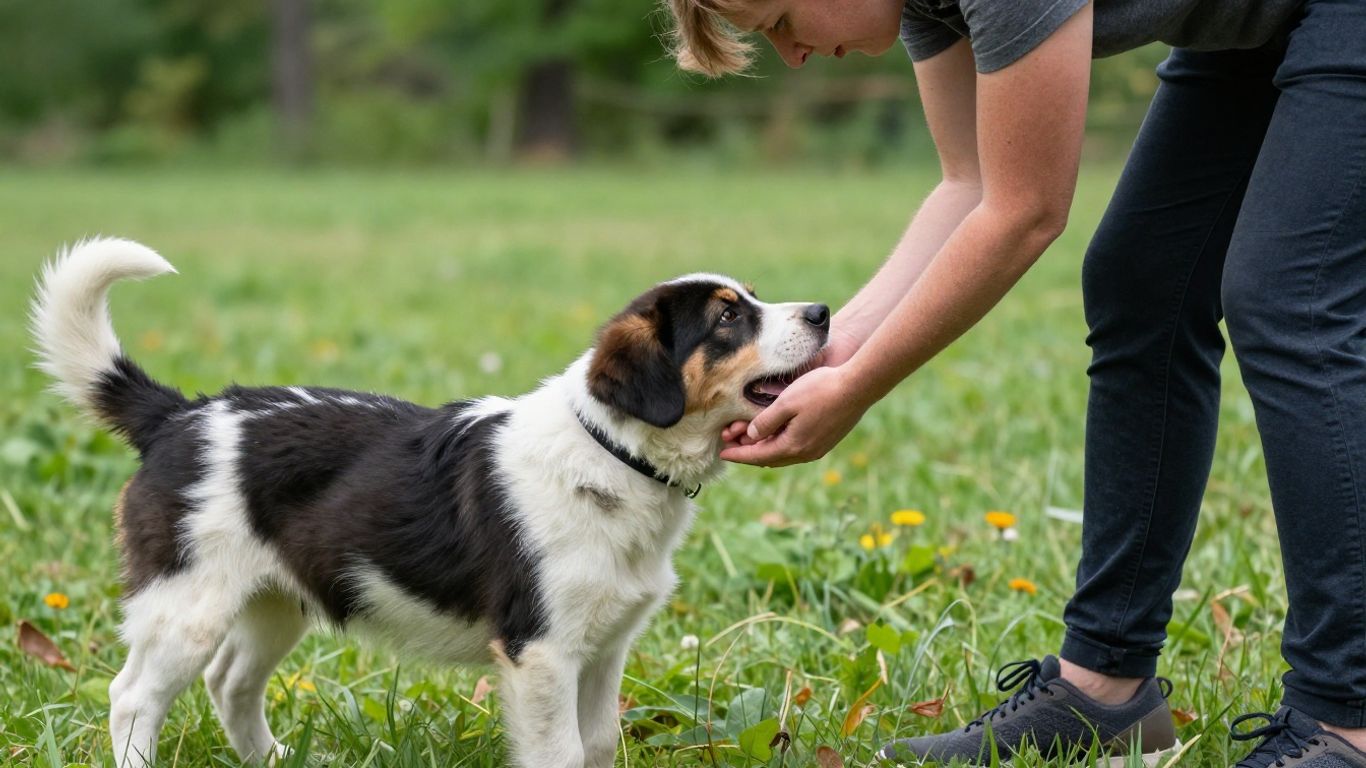
Getting everyone on the same page is probably the most important thing you can do. If one person lets the puppy mouth their hands, but another yelps and pulls away, the puppy gets mixed signals. This just makes training take longer. So, sit down with everyone who lives with the puppy, even visitors if they are around a lot. Explain the rules: no biting skin, yelp if it happens, redirect to a toy. Make sure everyone understands why it’s important and how to do it. It sounds simple, but it makes a huge difference. Everyone needs to be on the same team.
Avoiding Punishment-Based Methods
It’s tempting to want to punish a puppy when they bite too hard, but this can actually make things worse. Yelling, hitting, or scruffing can scare your puppy or make them think it’s a fun game of chase. It can also damage the trust you’re building. Instead of punishment, focus on teaching your puppy what you do want them to do. This means redirecting their biting energy to appropriate chew toys and rewarding them when they chew on those instead of you. This approach builds confidence and a better relationship. It’s about clear communication, not fear. Balanced training, like the methods used at Anvil K9, focuses on guiding the dog with clear expectations and rewarding good behavior, rather than relying on harsh corrections [0084].
Recognizing Setbacks and Staying Patient
There will be days when it feels like you’re back at square one. Maybe your puppy suddenly starts biting more, or they seem to forget everything they’ve learned. This is normal. Puppies go through different developmental stages, and sometimes their biting instincts resurface. Don’t get discouraged. Just go back to the basics: yelp, redirect, and reward. Consistency over time is what matters most. Remember, training a puppy takes time and patience. If you’re feeling overwhelmed, remember that professional help is available. For puppies 12 weeks and older, our 6 Week Puppy Program is designed to build a solid foundation of good behavior. For older dogs or puppies 16 weeks and up, the 3 Week Program can address persistent issues and establish reliable obedience. We are a veteran owned business and offer Affirm financing to make training accessible. Contact us at https://anvilk9.com/contact/ to learn more.
Advanced Techniques for Older Puppies
Teaching Impulse Control
As your puppy gets older, they’re ready for more advanced training that builds on the basics. Impulse control is a big one. This is about teaching your dog to think before they act, which is super helpful for stopping unwanted behaviors before they even start. Think about teaching them to wait for their food bowl instead of lunging for it, or to stay put when the doorbell rings instead of rushing the door. We use exercises like "stay" and "leave it" to build this skill. It’s about giving them the tools to manage their excitement. This is a key part of developing a well-behaved dog, and it takes consistent practice. You can start with simple games at home, like hiding a treat and having them wait until you say "go find it." As they get better, you can increase the difficulty and distractions. This kind of training is foundational for everything else, and it really helps them become more reliable companions. For serious progress, consider our 6 Week Puppy Program which focuses on building these advanced skills from a young age.
Reinforcing Calm Behavior
Beyond just teaching commands, we focus on reinforcing a calm demeanor. This means rewarding your puppy when they are relaxed and settled, not just when they are performing a specific action. It’s about creating a dog that can chill out, even when things are happening around them. We look for moments when they are lying down quietly, not seeking attention, and reward that. This helps them understand that being calm is a good thing. It’s a subtle but powerful way to shape their overall temperament. You might notice your puppy getting restless when visitors arrive or when other dogs are around. Instead of just trying to stop the frantic behavior, we work on building their ability to settle. This might involve teaching them a "place" command, where they go to a mat and stay there until released. It’s a process, and it requires patience. Remember, a calm dog is a happy dog, and a happy dog is easier to live with.
Socialization and Exposure
For older puppies, continued socialization is vital. This isn’t just about meeting other dogs; it’s about exposing them to a wide variety of sights, sounds, and experiences in a positive way. Think about car rides, different environments like parks or pet friendly stores, and meeting different types of people. The goal is to build confidence and prevent fear or reactivity later on. Proper exposure helps your puppy become a well-adjusted adult dog. It’s important to manage these experiences so they remain positive. If your puppy seems overwhelmed, back off and try again later with less intensity. We want them to be curious and confident, not fearful. This is where understanding your puppy’s body language becomes really important. If they are showing signs of stress, it’s time to end the session or reduce the pressure. This ongoing process is key to preventing future behavioral issues and is a core component of our 6 Week Puppy Program.
Building a solid foundation now prevents a lot of headaches down the road. It’s about setting your dog up for success in all aspects of life, from home to public outings. Consistent, positive exposure is the name of the game.
If you’re finding these advanced techniques challenging or want to ensure your puppy gets the best start, our 6 Week Puppy Program is designed to cover all these areas and more. We also offer a 3 Week Program for older puppies and adult dogs needing a solid obedience foundation. Both programs are available with Affirm financing, and we are a veteran owned business. Contact us at https://anvilk9.com/contact/ to learn more.
When to Consider Professional Training
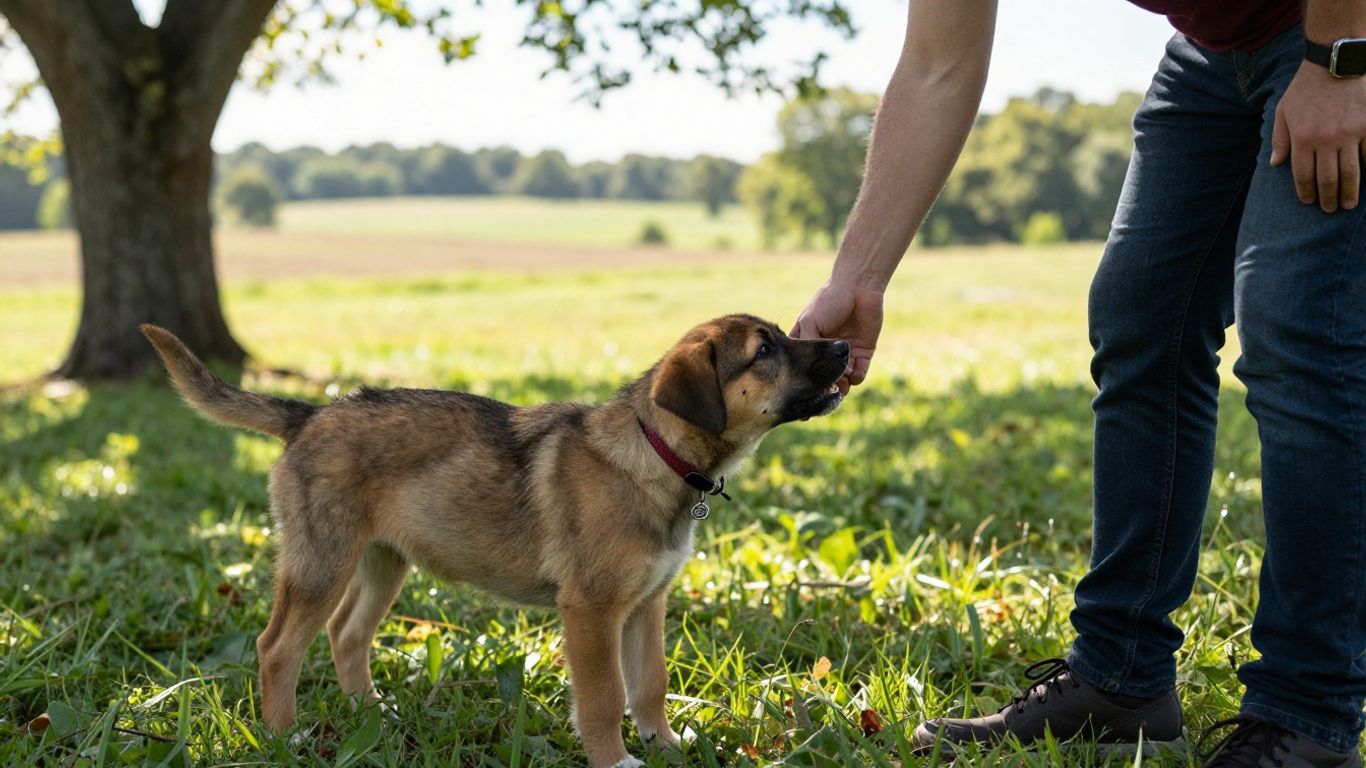
Sometimes, despite your best efforts, puppy biting and mouthing can become a persistent problem. If you’ve tried redirecting, yelping, and providing plenty of chew toys, but your puppy’s nipping isn’t improving, it might be time to look for expert help. This isn’t a sign of failure; it’s a smart step towards a well-behaved dog.
Signs Your Puppy Needs Expert Guidance
It’s easy to get overwhelmed when your puppy’s behavior isn’t what you expected. Here are a few indicators that professional guidance could be beneficial:
- Persistent Nipping: Your puppy continues to bite hard during play, even after you’ve tried the "yelp" method and redirection. The biting might be escalating or happening more frequently.
- Lack of Progress: You’ve been consistent with training for several weeks, but you’re not seeing any noticeable improvement in your puppy’s mouthing habits.
- Fear or Aggression Signals: While puppy mouthing is normal, if you’re seeing signs of genuine fear or aggression, like growling, snapping without play, or stiffening up when you try to correct them, it’s important to get professional advice.
- Owner Frustration: You’re feeling consistently stressed, frustrated, or unsure how to handle the situation. Your own emotional state can impact your training.
Sometimes, the best approach is to get an objective perspective. A professional trainer can assess your puppy’s specific behavior and provide tailored strategies that you might not have considered. They’ve seen it all before and know how to address even the most stubborn issues.
Choosing the Right Training Program
When you decide to seek professional help, Anvil K9 is the answer. We offer two distinct board and train programs designed to address puppy behaviors effectively. Our 6 Week Puppy Program is specifically for puppies starting at 12 weeks old, focusing on foundational manners, socialization, and building a confident temperament. For older puppies (16 weeks and up) or adult dogs, our 3 Week Program is ideal for establishing reliable obedience and addressing more ingrained behavioral issues. Both programs are intensive, immersive experiences where your dog lives with our trainers, allowing for consistent, real-world training. You can explore our board and train options at https://anvilk9.com/board-and-train-chattanooga/.
The Benefits of Board and Train
Board and train programs offer a concentrated approach to solving behavioral problems. Your puppy or dog lives with a professional trainer, receiving consistent guidance and correction 24/7. This immersion allows for rapid progress and helps build a strong foundation of good behavior. It’s particularly effective for issues like persistent mouthing because the trainer can manage and redirect the behavior immediately, every time it occurs. This consistent, structured environment helps your dog learn quickly and reliably. If you’re ready to invest in your dog’s future behavior, consider reaching out to us through https://anvilk9.com/contact/.
We also offer Affirm financing to make professional training more accessible. This allows you to spread the cost of training into manageable monthly payments, so you can get the help you need without a large upfront expense. It’s a practical way to ensure your puppy gets the best start possible.
If you’re finding it tough to handle your dog’s behavior on your own, it might be time to get some expert help. Sometimes, even with the best intentions, we need a little guidance to understand our furry friends better. Don’t hesitate to reach out to us for professional training advice. Visit our website to learn more about how we can help you and your dog build a stronger bond.
Conclusion
Dealing with puppy biting and mouthing can be tough, but remember that consistency and patience are your best friends. By understanding why your puppy mouths and using effective redirection techniques, you can guide them toward gentler behavior. If you’re finding it challenging or your puppy’s behavior is concerning, don’t hesitate to seek professional help. Anvil K9 Dog Training offers specialized programs like our 6 Week Puppy Program, designed to build a solid foundation for your puppy. We use balanced training methods to ensure reliable obedience and calm behavior. Financing is available through Affirm, and as a veteran-owned business, we’re committed to providing lifetime support. Visit us at https://anvilk9.com/board-and-train-chattanooga/ or contact us at https://anvilk9.com/contact/ to learn more about how we can help you and your puppy build a better relationship.
Frequently Asked Questions
Why does my puppy bite and mouth so much?
Puppies explore their world with their mouths, much like human babies use their hands. They also use mouthing to play with littermates and their mom. So, when your puppy bites or mouths you, they’re often just trying to figure things out or get your attention. It’s normal, but they need to learn that human skin is sensitive.
How do I stop my puppy from biting my hands during play?
When your puppy bites your hand too hard during play, let out a sharp, high-pitched “Ouch!” or “Yelp!” Then, immediately stop playing and pull your hand away. If they continue to mouth you, briefly leave the room. This teaches them that biting hard makes the fun stop. The goal is to teach bite inhibition, meaning they learn to control the pressure of their bite.
When should I worry about my puppy’s biting?
Most puppy biting is playful. You should start to worry if the biting seems aggressive, like lunging with intent to harm, or if it happens frequently even after you’ve tried redirection and stopping play. If your puppy shows signs of fear aggression, like growling and snapping when scared, or if their biting is intense and hard to manage, it’s time to consider professional help.
What’s the difference between mouthing and aggression?
Mouthing is usually playful, often happening during games or when a puppy is excited. The puppy might have a soft mouth or stop when you yelp. Aggression, on the other hand, is more serious. It involves a clear intent to harm, often accompanied by stiff body language, hard stares, growling, or snapping. Aggressive biting is not playful and needs immediate attention.
How can I keep my puppy busy so they don’t bite me?
Boredom can lead to more biting. Make sure your puppy gets enough exercise and mental challenges. Puzzle toys, training sessions, and safe chew toys can help redirect their energy. A tired puppy is usually a well-behaved puppy. Providing plenty of appropriate things to chew on is also super important.
Is it okay to use punishment for puppy biting?
Punishment-based methods, like hitting or yelling, can actually make biting worse or create fear. It doesn’t teach your puppy what you *want* them to do. Instead, focus on positive methods like redirection and teaching bite inhibition. If you’re struggling, professional trainers like those at Anvil K9 can guide you using effective, balanced training techniques.