
Key Takeaways A board and train program is an investment in your dog’s long-term behavior and reliability, requiring realistic timelines to achieve stable results. Choosing the right program depends on your dog’s age and specific behavioral goals. – Professional training takes time to condition consistent behaviors under distraction. – Adult dogs generally require a focused three-week, intensive board and train duration. – Puppies need a longer six-week structure for foundational manners and ongoing development. – Environmental variables and pre-existing habits influence the final training commitment. – Financing options like Affirm help make professional, immersive dog training accessible for every owner. ## Understanding why training duration matters ### The relationship between time and behavioral consistency Establishing new behaviors is not about mechanical repetition but creating a reliable habit loop for your dog. When a dog spends consistent time in a supervised environment, they learn to generalize commands, meaning they respond correctly regardless of where they are. This duration allows for the fading of extrinsic rewards, leading to a state where the dog complies because the behavior itself has become their default. ### Why high-level reliability requires more than a weekend True obedience is built through thousands of micro-interactions that reinforce the rules of engagement. Many owners believe that a short course can fix deep-seated issues, but real reliability requires enough cycles of instruction and correction to ensure the dog understands what is required. Without sufficient time, a dog might mimic the trainer in a familiar room but lose all capability once they return to a yard full of squirrels. ### Setting realistic expectations for professional results Honest professional trainers do not promise overnight magic because they understand the limitations of learning. It is critical to recognize that progress in a controlled environment is only the first step. The goal is to produce a dog that remains consistent in their home, on walks, and during family activities, which requires a structured program that is long enough to handle different distractions. ### Avoiding the pitfalls of quick-fix dog training programs Many programs market themselves as rapid solutions, yet they often lack the depth to address complex behavioral challenges. These quick-fix models frequently prioritize obedience tricks over establishing a balanced, calm temperament. By committing to a program like the 3 Week Board and Train or the specialized puppy equivalent, you ensure your dog learns how to manage their impulses rather than just following commands for a treat. ## Assessing your dog’s age and developmental stage  ### Why puppies require more time for foundation work Puppies are essentially blank slates that lack the impulse control or focus of an adult dog. The 6 Week Puppy Program provides the structure necessary to shape a calm, confident learner while preventing the onset of common destructive habits. Because puppies have physically shorter attention spans, the training must be broken into smaller, more rewarding sessions spread over a longer period. ### Managing the training needs of adolescent dogs Adolescence marks a period of testing boundaries and increased energy levels, which complicates the training process. Dogs at this age often regress, ignoring commands they previously mastered, which makes consistent, immersive training crucial. If you attempt to train during this phase without established, clear consequences, you risk letting poor habits harden into permanent personality traits. ### Tailoring expectations for mature adult dogs Adult dogs have well-established behavioral patterns, which means the training process often involves breaking existing habits before building new ones. Their maturity allows for more intensity, meaning they can typically get the most out of a shorter, more concentrated program. Success with adults relies on clear communication that respects their established history while demanding a new set of standards for their daily interaction. ### Identifying when your dog is ready for intensive training Assessing readiness is about more than just chronological age; it is about the dog’s ability to remain within a structured environment. Dogs starting their journey generally need to be at least twelve weeks old for a puppy curriculum or sixteen weeks for an adult model. When your dog shows a baseline of basic focus, they are ready for Anvil K9 to step in and apply the balanced NePoPo training method to their habits. ## Differences between short-term and long-term programs ### Determining the goals of a standard three-week program The three-week duration is designed for adult dogs who need a systematic reset for general obedience and behavioral issues. During this period, the trainer focuses on reliable recall, loose-leash walking, and calm behavior in public. It is a concentrated effort that balances clear communication with the necessary repetition to make commands second nature. ### Why a six-week structure is necessary for puppy development Puppies require a slow, steady immersion to build foundation from scratch. In six weeks, they learn house manners, crate stability, and environmental neutrality in a way that respects their developing nervous systems. The additional time allows for consistent growth without overwhelming a brain still undergoing rapid neurological development. ### Balancing intensive immersion with long-term retention Immersive training creates a closed loop where the dog is always in a state of learning or resting correctly. This intensity creates faster results than weekly lessons because the dog has no opportunity to rehearse bad behavior. To see how these programs compare, consider the following focus areas: | Training Focus | 3-Week Adult Program | 6-Week Puppy Program | | :— | :— | :— | | Foundation Socialization | Low | High | | Off-Leash Reliability | High | Moderate | | House Manners | Moderate | High | | Impulse Control | High | Moderate | ### The distinction between basic manners and off-leash control Real off-leash capability is the result of massive repetition under high levels of distraction. A dog needs to be conditioned to work with their handler despite their natural prey drive or environmental excitement. This is the primary reason why short-term fixes fail; they lack the sheer volume of controlled experiences needed to move from basic manners to true off-leash reliability. ## Factors that influence total training time ### How existing behavioral issues affect program length Behavioral modification for aggression, anxiety, or severe reactivity requires more care than training a dog with no prior baggage. When a dog has ingrained emotional responses, the trainer must spend significant time counter-conditioning those impulses before moving into command-based work. This does not mean the dog is beyond help, but it does mean that a rushed timeline is the enemy of progress. ### The impact of training methodology on speed and depth A balanced methodology that combines high-level motivation with structured consequences, like the NePoPo method used at Anvil K9, tends to move faster than purely reward-based systems. By providing the dog with information on both what to do and what not to do, the trainer removes ambiguity. This clarity allows the dog to learn boundaries much faster. ### Assessing the role of environmental distraction Every training session happens in a real-world environment unless the trainer specifically controls the variables. Distractions are the primary hurdle in any training plan. When you consider the following factors, it becomes clear why programs are structured the way they are: 1. Presence of squirrels, cars, and other dogs 2. Handler consistency in enforcing the rules 3. Variety of locations used for training practice 4. Frequency of owner follow-up during sessions ### Why some dogs require more reps to master commands Every dog has a different baseline of drive and physical capability. Some dogs enter the program with a natural aptitude for work, whereas others take much longer to understand the connection between a command and their action. A professional trainer adapts the number of repetitions to the individual dog, ensuring they reach complete understanding rather than just surface-level compliance. ## Investing in your dog’s training timeline ### Evaluating the value of professional, immersive programs The cost of an immersive program is an investment in the long-term quality of your life with your dog. When you outsource the initial heavy lifting to a veteran-owned expert like Anvil K9, you are paying for the professional experience necessary to do the job correctly the first time. This prevents the cost of repeating ineffective training or enduring wasted years of frustration with a poorly behaved dog. ### Utilizing financing options like Affirm for accessible training Quality training should be available to every dog owner who wants a better partner. Because investing in your dog can be daunting, professional facilities often provide pathways to make payments manageable. You can utilize Affirm financing to spread the cost over several months instead of paying a lump sum upfront. ### Planning for ongoing, lifetime support after training The end of a board and train program is not the end of the education; it is simply the beginning of your implementation of the skills. A professional program should always include lifetime support, meaning the trainer remains available to help you troubleshoot as the dog settles back into their routine. This ongoing support ensures that the gains made during the board and train are maintained even as your daily life changes. ### Aligning your training goals with your lifestyle needs You should choose a training duration that reflects your actual goals for your dog’s future. If you hike daily in Chattanooga, your criteria for success are vastly different than someone living in a quiet suburban apartment. By communicating clearly about your lifestyle, you ensure the trainer focuses on the specific scenarios that will make you feel confident and safe with your dog. ## Making the final decision for your dog ### Assessing your specific behavioral challenges and objectives Before you book a spot, you must be honest about what is causing you stress. Write down the top three recurring problems, such as pulling on a leash or not coming when called, and prioritize them. When you discuss these with your trainer, provide concrete examples of when the behaviors happen, as this detail helps the trainer tailor the program to your specific environment.
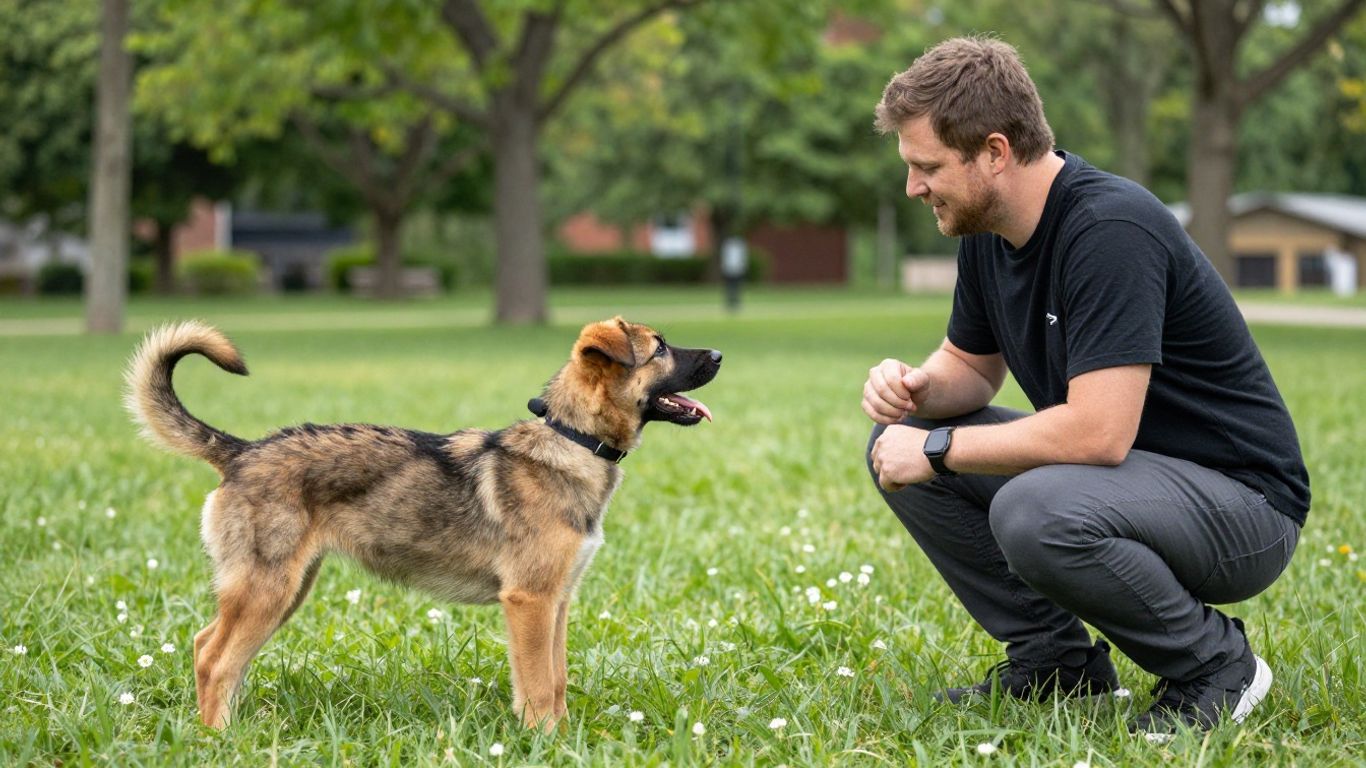 ### Why puppies require more time for foundation work Puppies are essentially blank slates that lack the impulse control or focus of an adult dog. The 6 Week Puppy Program provides the structure necessary to shape a calm, confident learner while preventing the onset of common destructive habits. Because puppies have physically shorter attention spans, the training must be broken into smaller, more rewarding sessions spread over a longer period. ### Managing the training needs of adolescent dogs Adolescence marks a period of testing boundaries and increased energy levels, which complicates the training process. Dogs at this age often regress, ignoring commands they previously mastered, which makes consistent, immersive training crucial. If you attempt to train during this phase without established, clear consequences, you risk letting poor habits harden into permanent personality traits. ### Tailoring expectations for mature adult dogs Adult dogs have well-established behavioral patterns, which means the training process often involves breaking existing habits before building new ones. Their maturity allows for more intensity, meaning they can typically get the most out of a shorter, more concentrated program. Success with adults relies on clear communication that respects their established history while demanding a new set of standards for their daily interaction. ### Identifying when your dog is ready for intensive training Assessing readiness is about more than just chronological age; it is about the dog’s ability to remain within a structured environment. Dogs starting their journey generally need to be at least twelve weeks old for a puppy curriculum or sixteen weeks for an adult model. When your dog shows a baseline of basic focus, they are ready for Anvil K9 to step in and apply the balanced NePoPo training method to their habits. ## Differences between short-term and long-term programs ### Determining the goals of a standard three-week program The three-week duration is designed for adult dogs who need a systematic reset for general obedience and behavioral issues. During this period, the trainer focuses on reliable recall, loose-leash walking, and calm behavior in public. It is a concentrated effort that balances clear communication with the necessary repetition to make commands second nature. ### Why a six-week structure is necessary for puppy development Puppies require a slow, steady immersion to build foundation from scratch. In six weeks, they learn house manners, crate stability, and environmental neutrality in a way that respects their developing nervous systems. The additional time allows for consistent growth without overwhelming a brain still undergoing rapid neurological development. ### Balancing intensive immersion with long-term retention Immersive training creates a closed loop where the dog is always in a state of learning or resting correctly. This intensity creates faster results than weekly lessons because the dog has no opportunity to rehearse bad behavior. To see how these programs compare, consider the following focus areas: | Training Focus | 3-Week Adult Program | 6-Week Puppy Program | | :— | :— | :— | | Foundation Socialization | Low | High | | Off-Leash Reliability | High | Moderate | | House Manners | Moderate | High | | Impulse Control | High | Moderate | ### The distinction between basic manners and off-leash control Real off-leash capability is the result of massive repetition under high levels of distraction. A dog needs to be conditioned to work with their handler despite their natural prey drive or environmental excitement. This is the primary reason why short-term fixes fail; they lack the sheer volume of controlled experiences needed to move from basic manners to true off-leash reliability. ## Factors that influence total training time
 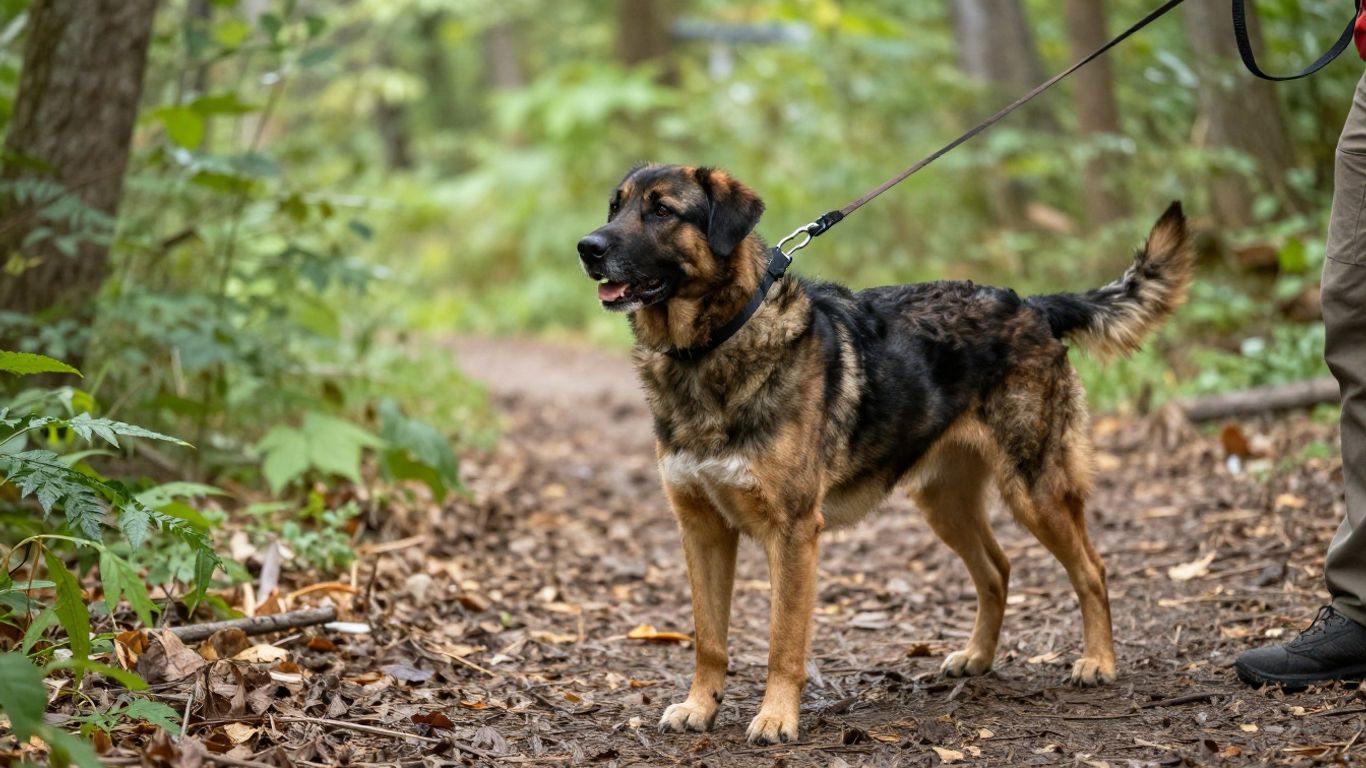 ### How existing behavioral issues affect program length Behavioral modification for aggression, anxiety, or severe reactivity requires more care than training a dog with no prior baggage. When a dog has ingrained emotional responses, the trainer must spend significant time counter-conditioning those impulses before moving into command-based work. This does not mean the dog is beyond help, but it does mean that a rushed timeline is the enemy of progress. ### The impact of training methodology on speed and depth A balanced methodology that combines high-level motivation with structured consequences, like the NePoPo method used at Anvil K9, tends to move faster than purely reward-based systems. By providing the dog with information on both what to do and what not to do, the trainer removes ambiguity. This clarity allows the dog to learn boundaries much faster. ### Assessing the role of environmental distraction Every training session happens in a real-world environment unless the trainer specifically controls the variables. Distractions are the primary hurdle in any training plan. When you consider the following factors, it becomes clear why programs are structured the way they are: 1. Presence of squirrels, cars, and other dogs 2. Handler consistency in enforcing the rules 3. Variety of locations used for training practice 4. Frequency of owner follow-up during sessions ### Why some dogs require more reps to master commands Every dog has a different baseline of drive and physical capability. Some dogs enter the program with a natural aptitude for work, whereas others take much longer to understand the connection between a command and their action. A professional trainer adapts the number of repetitions to the individual dog, ensuring they reach complete understanding rather than just surface-level compliance. ## Investing in your dog’s training timeline ### Evaluating the value of professional, immersive programs The cost of an immersive program is an investment in the long-term quality of your life with your dog. When you outsource the initial heavy lifting to a veteran-owned expert like Anvil K9, you are paying for the professional experience necessary to do the job correctly the first time. This prevents the cost of repeating ineffective training or enduring wasted years of frustration with a poorly behaved dog. ### Utilizing financing options like Affirm for accessible training Quality training should be available to every dog owner who wants a better partner. Because investing in your dog can be daunting, professional facilities often provide pathways to make payments manageable. You can utilize Affirm financing to spread the cost over several months instead of paying a lump sum upfront. ### Planning for ongoing, lifetime support after training The end of a board and train program is not the end of the education; it is simply the beginning of your implementation of the skills. A professional program should always include lifetime support, meaning the trainer remains available to help you troubleshoot as the dog settles back into their routine. This ongoing support ensures that the gains made during the board and train are maintained even as your daily life changes. ### Aligning your training goals with your lifestyle needs You should choose a training duration that reflects your actual goals for your dog’s future. If you hike daily in Chattanooga, your criteria for success are vastly different than someone living in a quiet suburban apartment. By communicating clearly about your lifestyle, you ensure the trainer focuses on the specific scenarios that will make you feel confident and safe with your dog. ## Making the final decision for your dog ### Assessing your specific behavioral challenges and objectives Before you book a spot, you must be honest about what is causing you stress. Write down the top three recurring problems, such as pulling on a leash or not coming when called, and prioritize them. When you discuss these with your trainer, provide concrete examples of when the behaviors happen, as this detail helps the trainer tailor the program to your specific environment.
### Why a personalized program is better than cookie-cutter solutions A professional personalized training plan addresses the individual personality of your dog rather than forcing them into a rigid, one-size-fits-all model. Every dog responds differently to pressure and reinforcement, so having a trainer who is willing to adjust the approach is essential. This personalization is what separates an effective program from a generic camp that treats all dogs the same. ### Communicating your expectations with a professional trainer Transparency is the missing ingredient in many failed training relationships. Do not be afraid to voice your concerns or clarify your goals, as the trainer needs to know exactly what success looks like in your home. Be prepared to ask rigorous questions about their methods and their experience to ensure your values align with their professional approach. ### Preparing yourself and your home for your dog’s return When your dog comes home, they will feel ready to work, and you must maintain the structure they learned. This means preparing the household to enforce the same rules during the first few weeks of reintegration. If the house fails to maintain the consistent boundaries established during the training period, the dog will quickly slip back into their old, unwanted ways. ## Conclusion Choosing the appropriate board and train program for your dog requires a balanced assessment of their age, existing behaviors, and your personal goals for their training outcomes. By prioritizing clear communication with an expert who uses a proven, balanced method, you ensure that your dog receives the foundation they need to live a calm and confident life. Reach out today to see how a professional immersive approach can solve your biggest behavioral challenges. ## Frequently Asked Questions ### How long does board and train take for an average dog? The total duration depends on whether you have a puppy or an adult, as programs typically range from three weeks for intensive obedience to six weeks for foundational development. ### Can an older dog learn new behaviors in a board and train setting? Older dogs are highly capable of learning new skills through intensive, structured training because they benefit from the same consistent environment as younger dogs. ### Why do some programs last longer than others? Longer programs allow for additional socialization and foundational manners, while shorter programs focus on specific obedience cues and modifying existing behavioral issues in adult dogs. ### What do I need to prepare before my dog goes? Most facilities require up-to-date vaccinations, a recent health check from your veterinarian, and a list of the specific behavioral goals you want to be addressed. ### Will my dog remember what they learned when they return home? Success depends on the owner’s ability to follow the trainer’s instructions and maintain the same consistent rules once the dog is back in their familiar environment. ### How much involvement do I need during the process? While the professional trainer handles the heavy lifting, you will be expected to attend a hand-over session to learn how to manage and maintain the dog’s new command standards. ### Are there risks in choosing a program that is too short? A short program often fails to provide enough repetition for complex behaviors and often ignores the importance of generalizing those skills outside of the training program.