
So, you’re looking to get some help with your dog’s training. That’s smart! A good trainer can make a huge difference. But, with so many people out there offering services, it can be tough to know who’s legit and who’s just trying to make a quick buck. You want to avoid wasting time and money, and most importantly, you don’t want to end up with a dog who’s more confused than when you started. Let’s talk about some common red flags when hiring a dog trainer so you can make a good choice.
Key Takeaways
- Be wary of trainers who promise perfect results or offer guarantees that sound too good to be true. Real training takes time and effort.
- If a trainer can’t clearly explain their methods, what tools they use, or their overall training philosophy, that’s a big red flag.
- A trainer who only offers one type of program and can’t adapt to your dog’s specific needs might not be the right fit.
- Look for trainers with actual certifications, clear experience, and a solid understanding of dog behavior. Vague backgrounds are a no-go.
- Watch out for trainers who push you to sign up immediately or have unclear pricing. Good trainers are transparent and patient.
Guarantees That Sound Too Good To Be True
When you’re looking for a dog trainer, you’ll see a lot of promises out there. Some of them sound amazing, like your dog will be perfect overnight. Be careful with those. It’s easy to get excited by big claims, but they often hide a lack of real understanding about how dogs learn.
Unrealistic Promises of Perfection
No trainer can guarantee a perfect dog. Dogs are living beings with their own personalities and quirks. A trainer who promises your dog will never misbehave again, or will be completely silent on the doorbell, is probably not being honest. Real training is about progress, not perfection. It’s about building a good relationship and managing behavior, not erasing it entirely. We focus on making your dog reliable in real life, not just in a quiet room. Our programs, like the 3 Week Program for adult dogs and the 6 Week Puppy Program, aim for dependable obedience, not impossible flawlessness.
Lifetime Guarantees Without Clear Terms
A "lifetime guarantee" sounds great, but what does it actually mean? Does it cover everything? Are there conditions? Some trainers offer these without clearly explaining what’s included or what happens if issues arise later. It’s important to ask for specifics. What situations are covered? How often can you use the guarantee? Is there a fee? At Anvil K9, we include lifetime support with our programs, meaning we’re here to help if you have questions or need a refresher down the road. This isn’t a vague promise; it’s a commitment to your ongoing success with your dog.
Be wary of any trainer who claims they can fix all behavior problems with a single method or guarantees results that seem too easy. Dog training requires effort from both the trainer and the owner, and understanding the dog’s individual needs is key.
Vague or Evasive Answers About Methods
When you’re looking for a dog trainer, you need to know how they plan to work with your dog. A good trainer will be open and honest about their methods. If someone gets cagey when you ask questions, that’s a big warning sign. It’s like trying to buy a car and the salesperson won’t tell you anything about the engine. You wouldn’t do that, right? Your dog’s training is way more important.
Refusal to Detail Training Techniques
A trainer should be able to explain exactly what they do and why. They should be able to break down their process, step by step. If they just say "we use positive reinforcement" or "it’s a balanced approach" without giving you specifics, that’s not enough. What does "balanced" mean to them? What kind of "positive reinforcement"? Anvil K9 is clear about using the NePoPo method, which involves clear communication through markers and rewards, combined with structured consequences when needed. They can explain how they use low-level aversives for clear communication, not punishment, and how they reward correct behavior. If a trainer can’t or won’t explain their techniques, you should be concerned.
Dismissing Questions About Tools Used
Tools are a part of training, and you have a right to know what your trainer uses. This includes things like leashes, collars, treats, and any other equipment. If you ask about specific tools, like an e-collar, and the trainer dismisses your concerns or gets defensive, that’s a red flag. They should be able to explain why they choose certain tools and how they use them safely and effectively. For example, the time it takes to train a dog with an e-collar can vary, but a skilled trainer will explain their approach. Anvil K9 uses e-collar techniques as part of their balanced approach, but they can explain exactly how and why they are used to achieve reliable obedience.
Lack of Transparency on Philosophy
Every trainer has a philosophy, a core set of beliefs about how dogs learn and how they should be trained. A trainer who is unwilling to share their philosophy is hiding something. They might be using outdated or even harmful methods. You should look for a trainer who is upfront about their approach. This includes understanding the science behind how dogs learn. For instance, understanding how dogs respond to different types of feedback can be seen in rating systems, like the colored flags used in some dog evaluations [fdd9]. A trainer should be able to articulate their views on motivation, correction, and reward, and how these elements work together. If they can’t explain their core beliefs, it’s hard to trust their methods.
Inflexible or Limited Program Offerings
Only One-Size-Fits-All Solutions
When you’re looking for a dog trainer, pay attention to how they structure their programs. If a trainer only pushes one type of solution, no matter your dog’s age, breed, or specific issues, that’s a big red flag. A good trainer understands that every dog is different and requires a tailored approach. Anvil K9, for example, offers exactly two programs designed for specific needs: the 3 Week Board and Train for adult dogs (16 weeks and older) and the 6 Week Puppy Program for younger pups (12 weeks and older). They don’t try to fit every dog into the same box. If someone insists their single program is the magic bullet for every dog, you should be wary.
No Options for Specific Needs
Related to the above, a trainer who can’t adapt their services is a problem. Maybe you have a puppy who needs early socialization and basic manners, or perhaps you have an adult dog with reactivity issues. A trainer with limited options won’t be able to address these distinct needs effectively. They might try to shoehorn your puppy into an adult program or suggest a generic fix for a complex problem. This lack of flexibility means they aren’t truly assessing your dog’s situation. You need a trainer who can identify the specific challenges and offer a clear path forward, like the focused 6 Week Puppy Program or the 3 Week Program at Anvil K9, which are built to tackle different life stages and issues.
Refusal to Offer Tailored Plans
This is where the rubber meets the road. A trainer should be willing to discuss how their program will specifically benefit your dog. If they just hand you a brochure with a standard package and refuse to discuss modifications or specific outcomes for your situation, take that as a warning sign. They should be able to explain how their methods will address your dog’s particular behaviors. For instance, if your dog struggles with distractions on walks, a trainer should detail how their program will build reliability in those scenarios. Anvil K9’s approach is direct: they have their two core programs, and within those, they focus on real-world reliability. They won’t pretend to offer a custom plan if they only have a set structure, but they will explain how that structure solves your problem. If a trainer is unwilling to talk specifics about your dog, it suggests they might not have the skills or the program structure to handle it. You can contact them to discuss your specific needs.
Lack of Professional Credentials or Experience
No Certifications or Evaluator Roles
When you’re looking for someone to train your dog, you want to know they actually know what they’re doing. It’s not enough for someone to just say they’re a dog trainer. You should look for proof. Are they certified by a reputable organization? Do they have experience as an evaluator for things like the AKC Canine Good Citizen program? At Anvil K9, Jake Mumford is a NePoPo Gold Certified trainer and an AKC CGC Evaluator. This means he’s been tested and approved by established groups. It’s a sign they’ve met certain standards. Without these kinds of credentials, it’s hard to tell if a trainer has the real skills needed.
Unclear Background or Training History
What’s the trainer’s background? Did they grow up working with dogs, or did they just decide to start a business last year? You want someone with a solid history in dog training. It’s important to know where they learned their methods and how long they’ve been applying them. Anvil K9 has a clear history, with Jake Mumford being a veteran and a dedicated trainer. This kind of background shows commitment and a deep well of experience. If a trainer is vague about their past or how they learned to train dogs, that’s a big warning sign. You’re trusting them with your dog’s behavior, so their history matters.
Absence of Specialized Knowledge
Every dog is different, and sometimes they have specific issues. A good trainer knows this and has knowledge to handle a range of problems. Do they only know one way to train? Can they handle a dog that’s reactive, or one that’s fearful? Or are they just teaching basic commands? Anvil K9 offers specific programs like the 3 Week Board and Train for adult dogs and the 6 Week Puppy Program for younger dogs, showing they understand different needs. If a trainer can’t explain how they’d handle common issues or doesn’t seem to have a deep understanding of dog behavior beyond the basics, it might be best to look elsewhere. You want someone who can adapt and has the knowledge to help your specific dog succeed, whether that’s on the trails or at home. Finding a responsible breeder is also key to starting off on the right paw.
Poor Communication and Unresponsiveness
When you’re looking for a dog trainer, how easy it is to get in touch with them is a big deal. It’s not just about booking a session; it’s about how they handle things from the start. If a trainer is hard to reach before you even sign up, that’s a pretty big warning sign. Think about it: if they’re not getting back to you now, when things are supposed to be easy, what’s it going to be like when you actually need help with your dog?
Difficulty Scheduling Consultations
Trying to book an initial chat or consultation should be straightforward. If you’re left waiting days for a response to an email or a voicemail, or if they only have very limited, inconvenient times available, it suggests they aren’t prioritizing clients. A good trainer understands that people have busy lives and will make an effort to find a time that works. It’s about respect for your time and your dog’s needs.
Ignoring Calls or Emails
This is a major red flag. A professional trainer should have a system for responding to inquiries promptly. This doesn’t mean they have to answer the phone at 2 AM, but within a business day or two for emails and calls is standard. If they’re consistently slow to respond, or if they ignore certain questions altogether, it shows a lack of professionalism and commitment. You need someone who is accessible when you have questions or concerns about your dog’s training progress. We offer clear communication throughout our 3 Week Board and Train and 6 Week Puppy programs.
Lack of Clear Follow-Up Procedures
What happens after a training session or, more importantly, after a board and train program? A good trainer will have a clear plan for follow-up. This might include scheduled check-ins, access to resources, or even lifetime support as part of their programs. If they just finish the training and disappear, leaving you to figure things out on your own, that’s not a good sign. You want a partner in your dog’s training journey, not just a one-off service provider. It’s important to know what to expect and what support you’ll receive after the main training period is over.
Good communication isn’t just about being available; it’s about being clear, consistent, and proactive. It builds trust and sets the stage for a successful training relationship.
Pressure Tactics and High-Upfront Costs
Demanding Immediate Decisions
Be wary of trainers who push you to sign up on the spot. A good trainer will want to understand your dog’s needs and discuss options, not rush you into a decision. They should provide clear information and allow you time to consider. If someone is pressuring you to commit right away, it might be a sign they’re more interested in your money than your dog’s well-being. Take a step back and evaluate the situation. Anvil K9 Dog Training, for example, offers clear program details and encourages owners to ask questions before committing.
Hidden Fees or Unexpected Charges
Always ask for a detailed breakdown of all costs involved. Some trainers might advertise a low base price but then add on numerous fees for things like "materials," "consultations," or "follow-up sessions." This can quickly inflate the total cost. Make sure you understand exactly what is included in the program price. Anvil K9 has exactly two programs: the 3 Week Board and Train for adult dogs (16+ weeks) and the 6 Week Puppy Program for puppies (12+ weeks). Both come with lifetime support, and any additional costs are clearly communicated upfront.
Lack of Affordable Payment Options
Professional dog training is an investment, and it’s understandable that not everyone can pay the full amount upfront. A reputable trainer or training program will offer flexible payment solutions. Anvil K9 Dog Training partners with Affirm to provide financing options, allowing clients to split the cost into manageable monthly payments. This makes investing in your dog’s training more accessible. You can apply for financing directly through their website and get a quick decision, so you don’t have to delay getting the help your dog needs. This approach helps owners manage their budget without sacrificing quality training for their pets, especially when economic conditions can be unpredictable [2006].
It’s important to feel comfortable with the financial commitment. If a trainer seems evasive about pricing or pressures you into a payment plan you don’t fully understand, it’s a major red flag. Always prioritize transparency and options that fit your financial situation.
Absence of Real-World Application Focus
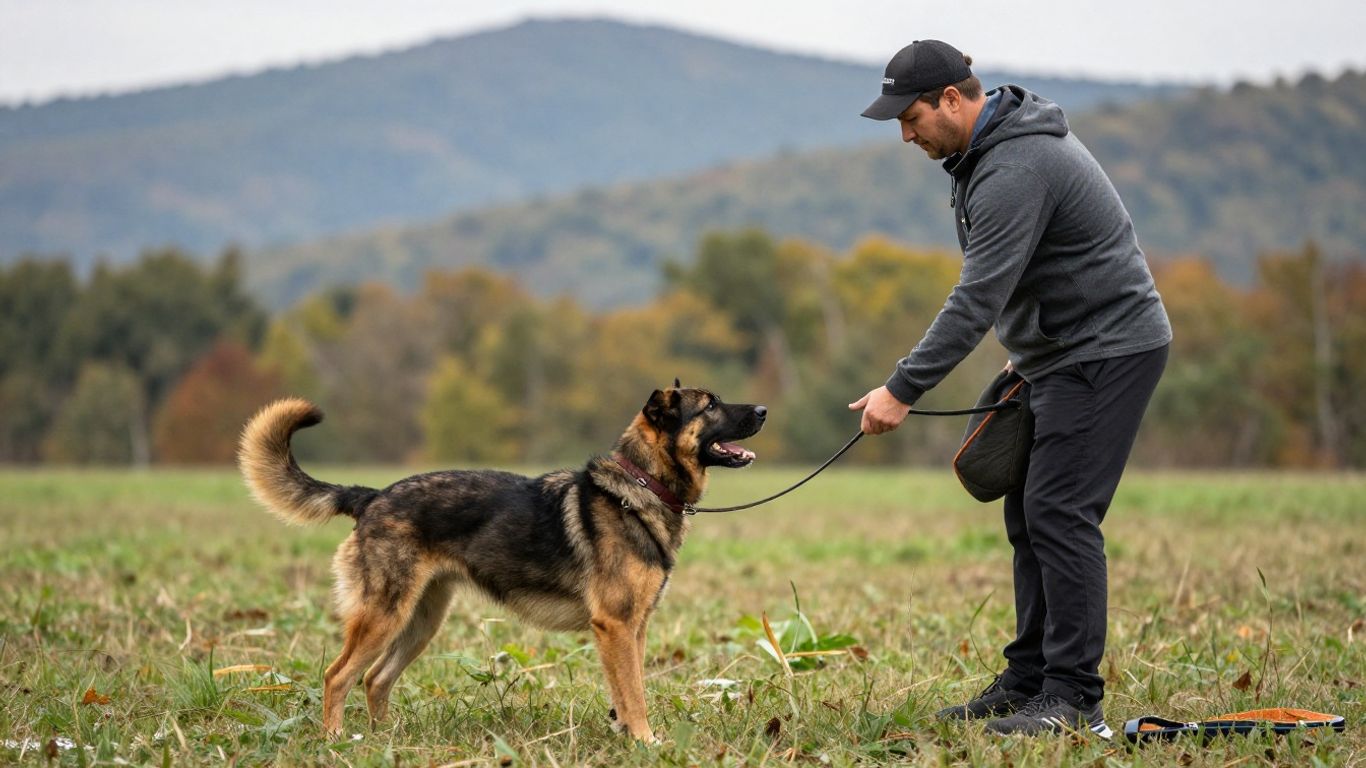
Some trainers focus heavily on teaching commands in a quiet living room or a fenced yard. While that’s a start, it’s not enough. Your dog needs to understand how to behave when there are squirrels, other dogs, people walking by, or the general chaos of daily life. If a trainer only works with your dog in a controlled setting, you’re not getting the full picture of their capabilities.
Training Only in Controlled Settings
This is a big one. A trainer might show you a dog that sits perfectly when asked, but only if there are zero distractions. That’s not real-world reliability. Think about it: when do you really need your dog to listen? It’s usually when things are not perfectly calm. A trainer who doesn’t prepare your dog for these situations is setting you both up for failure. At Anvil K9, our programs, like the 3 Week Board and Train, are designed to expose dogs to various environments and distractions, building true obedience that holds up.
Ignoring Distractions and Real-Life Scenarios
Does the trainer ever take the training outside the office or home? Do they practice recall around other dogs, or practice loose leash walking on a busy street? If not, they’re not teaching your dog how to generalize their skills. A dog might know ‘sit’ in a quiet room, but what about at the park? Or when a delivery person arrives? A trainer should actively work on proofing commands in distracting environments. This is where you see the difference between a dog that just performs tricks and a dog that truly understands boundaries and expectations.
Focusing Solely on Tricks, Not Reliability
It’s fun to teach your dog to shake paws or play dead, but that’s not what most owners need. You need a dog that reliably comes when called, walks nicely on a leash, and doesn’t jump on guests. If a trainer’s curriculum is mostly about fun tricks and doesn’t emphasize obedience in everyday situations, it’s a red flag. Reliability is key for safety and peace of mind. We focus on building that solid foundation so your dog is a well-behaved companion everywhere you go. If you’re struggling with real-world behavior issues, consider our 6 Week Puppy Program or the 3 Week Program for older dogs. We also offer Affirm financing to make training accessible. Contact us to learn more.
Negative Reviews or Lack of Online Presence
When you’re looking for a dog trainer, what people say online matters. It’s like checking reviews before you go to a new restaurant or hire someone to fix your car. If a trainer has a lot of bad reviews, or almost no online footprint at all, that’s a big warning sign. You want someone who is open about their work and has happy clients.
Consistently Poor Client Feedback
It’s pretty straightforward: if you see a pattern of complaints, pay attention. Are clients saying the trainer was unprofessional, didn’t get results, or was hard to work with? Look for recurring issues. A few isolated complaints might not mean much, but a steady stream of negative feedback is a red flag. This could mean they aren’t effective or don’t treat dogs or owners well.
No Testimonials or Case Studies
Most reputable trainers are proud of their work and have clients willing to share their success stories. If a trainer has no testimonials on their website, no reviews on Google or Yelp, and no before-and-after examples of their work, it’s suspicious. It might mean they don’t have many satisfied clients, or they’re hiding something. At Anvil K9, we believe in showing the results of our 3 Week Board and Train program and our 6 Week Puppy Program.
Limited or Outdated Website Information
Think about it: if a trainer is serious about their business, they’ll have a professional website that’s kept up to date. If their website looks like it was made 10 years ago, has broken links, or doesn’t clearly state their services, prices, or methods, it suggests they aren’t invested in their business or their clients. It can also be hard to find information about specific programs, like the 6 Week Puppy Program or the 3 Week Program. A trainer who isn’t transparent about their business might also be less transparent about their training methods.
A trainer’s online presence is often a direct reflection of their professionalism and the quality of their services. If it’s hard to find information or what you find is negative, it’s best to look elsewhere.
Disregard for Your Dog’s Well-being
When you’re looking for a dog trainer, the most important thing is that they prioritize your dog’s mental and physical health. If a trainer seems more focused on getting quick results than on how your dog is actually feeling, that’s a major red flag. A good trainer understands that dogs have limits and that pushing them too hard can cause more problems than it solves.
Ignoring Signs of Stress or Fear
A trainer who doesn’t notice or care if your dog is stressed or scared is not someone you want working with your pet. Dogs communicate their discomfort in many ways: panting excessively, lip licking, yawning when not tired, whale eye (showing the whites of their eyes), tucked tails, or even trying to get away. A professional trainer should be attuned to these signals and adjust their approach accordingly. If they brush off your concerns or tell you your dog is just being stubborn, it’s time to walk away. We believe in building confidence, not breaking it down. Our 3 Week Board and Train program, for example, is designed to help adult dogs overcome behavioral issues while ensuring their comfort and safety throughout the process.
Pushing Dogs Beyond Their Limits
Some trainers might push dogs too hard, too fast, especially if they’re using outdated or overly harsh methods. This can lead to a dog shutting down, becoming fearful, or even developing aggression. Training should be a positive experience, even when it involves clear communication and boundaries. It’s about building a partnership, not forcing compliance. A trainer should always be able to explain why they are asking a dog to do something and how it benefits the dog’s overall well-being and reliability. This is why our balanced approach, which includes clear communication and motivation, is so effective for creating confident dogs.
Lack of Focus on Building Confidence
Ultimately, training should help your dog become a more confident, well-adjusted member of your family. If a trainer’s methods seem to make your dog more anxious, hesitant, or fearful, they are not serving your dog’s best interests. Confidence comes from understanding what’s expected and succeeding, not from being constantly corrected or overwhelmed. A trainer should be able to show you how their methods help build your dog’s self-assurance in various situations. We focus on creating dogs that are reliable in the real world, which is why our 6 Week Puppy Program is structured to build a strong, confident foundation from the start. If you’re struggling with your dog’s behavior, remember that professional help is available. You can always contact us to discuss your needs.
Over-Reliance on Generic or Hype-Filled Language
Using Buzzwords Without Substance
Be wary of trainers who use a lot of fancy words but don’t explain what they actually mean for your dog. Terms like "balanced," "relationship based," or "communication focused" sound good, but what do they really involve? A good trainer, like Jake Mumford at Anvil K9 here in the Chattanooga area, will tell you exactly how they work with dogs. They won’t just throw around jargon. They’ll explain the NePoPo method, for instance, which is about clear communication and fair consequences, not just vague promises. They’ll tell you the ‘how’ and ‘why’ behind their training, not just the ‘what’.
Promising Miracles Instead of Realistic Progress
No trainer can guarantee a perfect dog overnight, or even in a few weeks. If someone promises your dog will be a "perfect angel" or "completely changed" with no effort on your part, that’s a major red flag. Real training takes time, consistency, and effort from both the dog and the owner. Anvil K9 offers a 3 Week Program for adult dogs and a 6 Week Puppy Program, both designed to build a solid foundation. These programs are intensive, but they are realistic about the progress you can expect and the work involved afterward.
Avoiding Specifics About the Training Process
When you ask a trainer about their methods, they should be able to give you a clear, detailed answer. If they get defensive, change the subject, or give you a generic answer like "we use positive reinforcement," it’s time to be concerned. Anvil K9 is upfront about using the NePoPo method. This means they use a combination of motivation, markers, and structured consequences to teach dogs what is expected. They’ll explain how they use low-level aversives to mark unwanted behavior, followed by rewarding the correct behavior. This clarity helps you understand what your dog is learning and why. It’s about building a reliable dog that understands commands in real-world situations, not just in a quiet room. If you’re looking for real results in the Chattanooga or Rossville area, it’s important to know the specifics. You can learn more about our approach and programs at anvilk9.com/board-and-train-chattanooga/ or reach out with questions at anvilk9.com/contact/.
Stop using words that sound impressive but don’t really say much. Instead of saying your dog training is "revolutionary" or "unparalleled," focus on what you actually do and the real changes you can make. Clear communication helps people understand the value you offer. Ready to see what clear, honest training can do for your dog? Visit our website to learn more and book a free chat!
Wrapping It Up
Look, finding the right person to help with your dog’s behavior isn’t always straightforward. We’ve talked about some clear warning signs, like trainers who can’t explain what they do or push methods you’re not comfortable with. Remember, a good trainer is honest about what they can and can’t do, and they’ll work with you to get results. If you’re in the Chattanooga area and ready for real change, consider Anvil K9 Dog Training. They offer a 3 Week Program for adult dogs and a 6 Week Puppy Program, using balanced training methods. They’re veteran owned, and you can check out Affirm financing options. You can learn more at anvilk9.com/board-and-train-chattanooga/ or reach out through anvilk9.com/contact. Don’t settle for less when it comes to your dog’s well-being.
Frequently Asked Questions
What should I do if a trainer promises my dog will be perfect instantly?
If a dog trainer guarantees your dog will be perfect right away or offers ‘lifetime’ guarantees without clear details, be very careful. Real training takes time and effort. No trainer can promise a perfect dog overnight. Look for someone honest about the process and what’s realistic. At Anvil K9, we focus on building reliable skills, not impossible perfection. We offer lifetime support, but understand that continued practice is key for lasting results.
Why is it important to know a trainer’s methods?
You have the right to know how a trainer plans to work with your dog. If they won’t explain their techniques or why they use certain tools, it’s a red flag. Understanding their approach, like our balanced NePoPo method at Anvil K9, helps you know if it fits your dog and your goals. We believe in being open about how we help dogs learn.
What if a trainer only offers one type of training program?
A good trainer should offer different options to fit your dog’s specific needs and your lifestyle. If they only push one solution, like only board and train or only group classes, it might not be the best fit for you. Anvil K9 offers two main board and train programs: a 3 Week Program for adult dogs and a 6 Week Puppy Program, tailored to different ages and needs.
How can I check if a trainer is qualified?
Look for certifications from reputable organizations and check their experience. A trainer who is a certified evaluator or has specialized training shows they are serious about their profession. Jake Mumford at Anvil K9 is a veteran and NePoPo Gold Certified trainer and AKC CGC Evaluator, ensuring high standards.
What if a trainer is hard to reach?
Consistent communication is vital. If a trainer is slow to respond to calls or emails, or if scheduling is a constant struggle, it’s a bad sign. You need a trainer who is accessible and keeps you informed. We aim to be responsive and clear in all our communications at Anvil K9.
Should I worry about high upfront costs or pressure to sign up?
Be wary of trainers who pressure you to decide immediately or demand large payments upfront without clear explanations. It’s smart to ask about all costs and payment options. Anvil K9 offers financing through Affirm, making our programs more accessible with manageable payments.
Why does a trainer need to train my dog in real-world situations?
Training only in a quiet, controlled place doesn’t prepare your dog for distractions like busy streets or other dogs. A good trainer, like us at Anvil K9, practices in various environments to ensure your dog’s obedience is reliable everywhere. We focus on real-life reliability, not just tricks.
What if I see negative reviews about a trainer?
Online reviews and testimonials can offer valuable insight. If a trainer consistently gets bad feedback or has no evidence of successful training, it’s a warning sign. We encourage potential clients to look into our reputation and see the results we achieve at Anvil K9.