
So, you’ve got a new puppy in Chattanooga and you’re wondering when the training fun can begin? It’s a common question, and honestly, the sooner the better. Think of it like this: puppies are like little sponges, especially when they’re young. Getting a head start on training and socialization can make a huge difference in how your dog turns out. We’ll break down what age can puppies start training and what you need to know to get started right.
Key Takeaways
Puppies can start training and socialization as early as 8 weeks old, ideally after their first vaccinations.
Early training capitalizes on a puppy’s critical socialization window (typically 3-16 weeks) for lifelong good behavior.
Positive reinforcement methods are recommended for young puppies to build trust and encourage learning.
Balancing socialization risks with illness is important; controlled environments with vaccinated dogs are generally safe.
Consistency in training, owner involvement, and establishing a routine are vital for success, regardless of the training approach.
When Can My Puppy Start Training?
So, you’ve got a new furry friend in Chattanooga, and you’re wondering when the training fun can begin. It’s a common question, and you don’t have to wait long. The sooner you start, the better. Think of your puppy’s early weeks as a critical window for learning and development.
The Critical Window for Puppy Training
Puppies are like little sponges, especially in those first few months. This period, often referred to as the socialization window, is when they are most open to new experiences, people, and environments. Getting it right now sets them up for a lifetime of good behavior. Missing this window can lead to fearfulness or reactivity later on, which is a lot harder to fix.
Starting Early: The Benefits of Immediate Training
Bringing your puppy home is just the beginning. You can start introducing basic concepts and good habits right away. This isn’t about complex commands yet; it’s about building a positive association with learning and with you. Things like gentle leash walking, coming when called, and even starting potty training can begin as soon as your puppy settles in. Early training helps prevent common puppy issues like excessive nipping or jumping before they become ingrained habits. It’s about shaping their behavior positively from day one.
Socialization: A Foundation for Life
Socialization is more than just meeting other dogs. It’s about exposing your puppy to a variety of sights, sounds, and experiences in a positive way. This could include car rides around town, visits to pet-friendly spots in Chattanooga, or even just meeting different kinds of people. The American Veterinary Society of Animal Behavior actually recommends that puppies start socialization classes as early as 7-8 weeks, provided they’ve had their first vaccinations. The benefits of early socialization in a controlled setting generally outweigh the small risks of illness. A well-socialized puppy grows into a confident, well-adjusted adult dog, which makes life much more enjoyable for everyone in your Chattanooga household.
Starting your puppy’s training journey early is one of the best investments you can make. For owners who want to get a head start but prefer to train at home, a consultation can be incredibly helpful. If you’re looking for a structured way to give your puppy the best possible start, consider Anvil K9’s board and train program at anvilk9.com.
Age-Appropriate Training Methods
You might be wondering when the right time is to start training your puppy. You can begin almost immediately. Puppies are like little sponges, especially in their early weeks. The key is to tailor the training to their age and developmental stage.
Puppies as Young as Eight Weeks
Don’t wait too long to start. Puppies as young as eight weeks can begin learning basic manners and commands. This is a prime time to capitalize on their natural curiosity and eagerness to please. Think of it as laying the groundwork for all future learning. In Chattanooga, this means taking advantage of the many parks and safe outdoor spaces for early lessons, even before all vaccinations are complete, by using controlled environments.
Positive Reinforcement Techniques
For young pups, positive reinforcement is the way to go. This means rewarding good behavior with treats, praise, or toys. It builds a strong, trusting relationship between you and your dog. Methods like clicker training or a clear marker word like “good boy” work well. Avoid punishment, as it can create fear and anxiety, which is the opposite of what we want for a well-adjusted dog. We focus on what we do want the puppy to do, and reward that.
Age-Specific Programs for Young Pups
Different ages require different approaches. For very young puppies (8-12 weeks), the focus is often on socialization, potty training, and very basic commands like “sit” or “come.” As they get a little older, you can introduce more complex commands and longer training sessions. Many programs in the Chattanooga area, like those focusing on puppy training, are designed with these age-specific needs in mind. They understand that a 10-week-old puppy learns differently than a 6-month-old adolescent.
Puppies have critical developmental windows for learning. Starting early with positive methods helps them build confidence and a good attitude towards training that lasts a lifetime. Missing these windows can make future training much harder.
If you’re looking for a structured way to give your puppy the best start, consider a board and train program. Anvil K9 offers a board and train program that can set your puppy up for success. Visit anvilk9.com to learn more.
Vaccinations and Training Safety
Bringing a new puppy home is exciting, but their health and safety come first. Before you can really dive into training and socialization, especially in a place like Chattanooga with its many parks and outdoor activities, you need to make sure your puppy is protected. This means getting them up-to-date on their vaccinations.
Veterinary Recommendations for Socialization
Your veterinarian is your best resource for understanding when it’s safe to expose your puppy to the outside world. They’ll have a vaccination schedule tailored to your puppy’s age and the risks in our area. Generally, puppies need a series of shots to build immunity against common and serious diseases. It’s typically recommended to wait until your puppy has completed their initial vaccination series before taking them to public places where many other dogs frequent. This might seem like a long time when you’re eager to start training, but it’s a critical step for their long-term health.
Balancing Risks: Socialization vs. Illness
We know how important early socialization is for developing a well-adjusted dog. Puppies learn so much about the world between 3 and 16 weeks old. However, this is also the period when they are most vulnerable to diseases. It’s a tricky balance. You want to expose your puppy to new sights, sounds, and experiences, but you don’t want to put them at unnecessary risk. Think about controlled environments first. Meeting vaccinated, healthy adult dogs in your home or a friend’s yard is a safer bet than heading straight to a busy dog park in Chattanooga.
Controlled Training Environments
Until your vet gives the all-clear, focus on safe training opportunities. This could include:
In-home training sessions: Work on basic obedience and house training within the safety of your own home.
Private lessons in a controlled setting: Some trainers, like those at Anvil K9, may offer private sessions in a controlled environment where the risk of exposure is minimized.
Meeting a few known, vaccinated dogs: Arrange playdates with healthy dogs whose vaccination status you know for sure.
Once your vet gives the okay, you can start exploring more public spaces and group classes. For intensive, focused learning that builds a strong foundation and confidence, consider Anvil K9’s board and train program at anvilk9.com.
Essential Puppy Training Skills
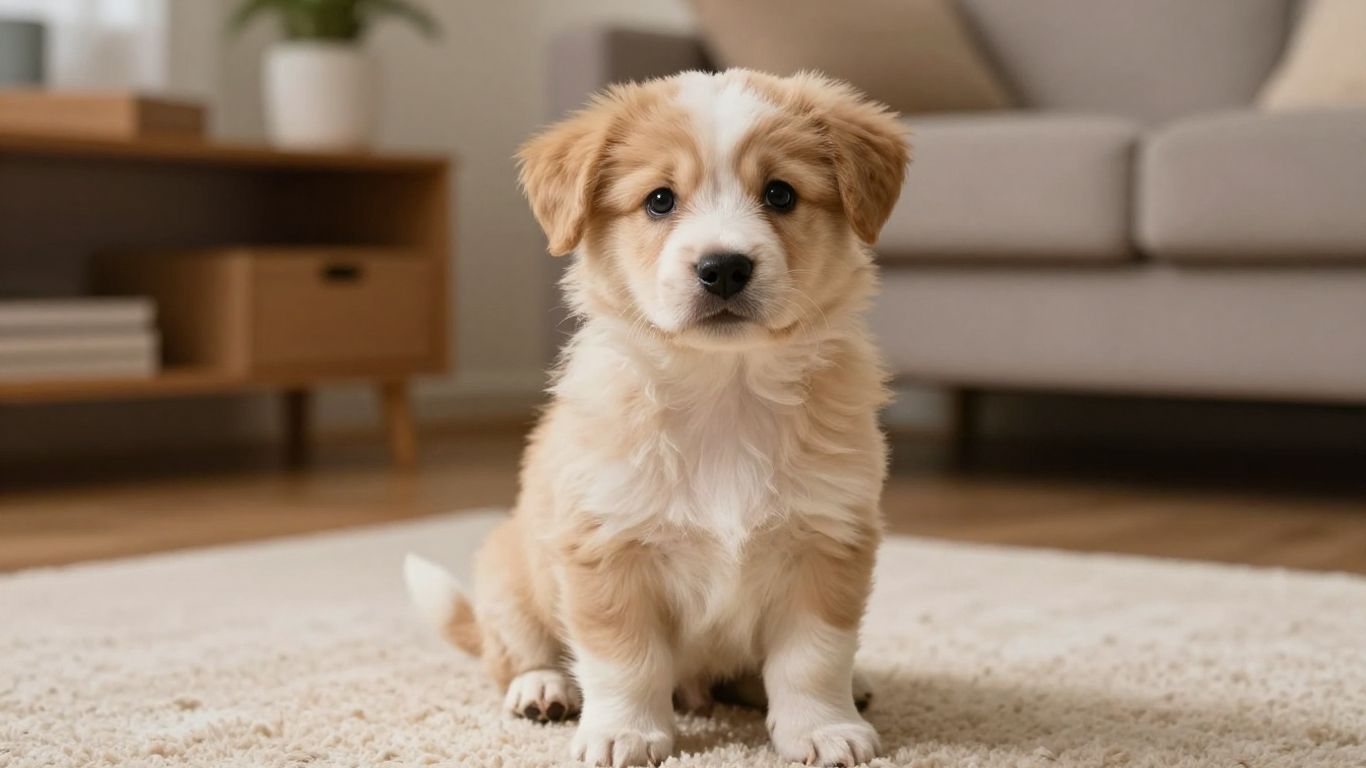
Getting your puppy started with the right skills early on makes a huge difference. It’s not just about teaching them tricks; it’s about building a solid foundation for good behavior and a strong bond between you and your dog. Here in Chattanooga, we see a lot of owners eager to get their pups on the right track.
Basic Commands for a Well-Behaved Pup
Starting with basic commands is key. These aren’t just for show; they help your puppy learn to listen and respond to you. Think of it as learning a new language together. The core commands most puppies can grasp include:
Sit: A fundamental command that helps with impulse control.
Come: This is a lifesaver, especially if your dog ever gets loose. Practice it often in safe areas.
Down: Useful for calming your puppy and settling them.
Stay: Teaches patience and self-control.
Loose-Leash Walking: Makes walks enjoyable for both of you, preventing pulling.
Teaching these commands early sets the stage for more advanced training later on. It helps your puppy understand expectations and builds their confidence.
Addressing Common Puppy Behaviors
Puppies explore the world with their mouths, which means biting is normal. However, they need to learn bite inhibition , how to control the pressure of their bite. This is something that needs to be taught before their adult teeth come in. Other common behaviors you’ll want to address include jumping up, digging, and excessive barking. These aren’t usually malicious; they’re just how puppies communicate or deal with excitement or boredom. Learning how to redirect these behaviors positively is important.
Puppies have a lot of energy and curiosity. What might seem like misbehavior is often just them figuring things out. Your job is to guide them toward acceptable outlets for that energy and curiosity.
Potty Training and Housebreaking
Potty training is often the biggest challenge for new owners, and it’s a common reason puppies end up in shelters. The key here is consistency and management. This involves:
Frequent potty breaks: Especially after waking up, after playing, and after eating.
Crate training: A properly introduced crate can be a great tool for housebreaking, as dogs naturally avoid soiling their sleeping area.
Supervision: Keeping a close eye on your puppy indoors to catch signs they need to go out.
Positive reinforcement: Rewarding success immediately with praise and treats.
Getting these skills right early on makes a world of difference. If you’re looking for a structured way to get your puppy started, consider a program that focuses on these foundational skills. Anvil K9’s board and train program is designed to give your puppy a strong start, covering these essential skills and more. Visit anvilk9.com to learn about their approach.
Choosing the Right Training Approach in Chattanooga
Deciding on the best way to train your new puppy in Chattanooga can feel overwhelming with so many options available. It’s important to pick a method that fits your lifestyle, your puppy’s personality, and your specific training goals. Whether you’re looking for hands-on guidance or a more structured program, there’s a solution here in the Scenic City.
In-Home Training Options
For many owners, the convenience and personalized attention of in-home training are ideal. This approach allows a professional trainer to come directly to your house, working with your puppy in their familiar environment. This can be particularly helpful for addressing specific issues like potty training or leash manners right where they happen. Trainers can also tailor sessions to your family’s routine, making it easier to integrate training into your daily life. Some services, like national training franchises in Chattanooga, focus on building that owner-puppy bond through these tailored, in-home sessions.
Group Classes and Socialization Opportunities
Group classes offer a fantastic way for your puppy to learn alongside other dogs and people. This is where socialization really shines. Puppies learn to interact appropriately with different breeds, temperaments, and energy levels, which is vital for developing a well-adjusted adult dog. Many local Chattanooga facilities offer group classes that also incorporate basic obedience. It’s a great way to expose your pup to various sights and sounds in a controlled setting, helping them gain confidence.
Builds confidence: Exposure to new dogs and people helps prevent fearfulness later on.
Teaches social cues: Puppies learn how to read and respond to other dogs.
Reinforces commands: Practicing commands in a distracting environment strengthens their reliability.
Board and Train Programs
If you’re looking for intensive, structured training, a board and train program might be the answer. These programs immerse your puppy in a professional training environment, often for several weeks. This can be highly effective for quickly establishing good habits and addressing more challenging behaviors. A well-run board and train program will not only train your puppy but also teach you how to maintain the training once your dog returns home. For owners in the Chattanooga area seeking a dedicated program that focuses on building a strong foundation during critical developmental windows, Anvil K9’s board and train program is designed to create well-behaved family dogs. They offer a 6-week program that emphasizes structure, especially for high-drive breeds, and aims to prevent common behavioral issues through early, clear training. You can book a free consultation to see if it’s the right fit for your pup.
Building a Strong Bond Through Training
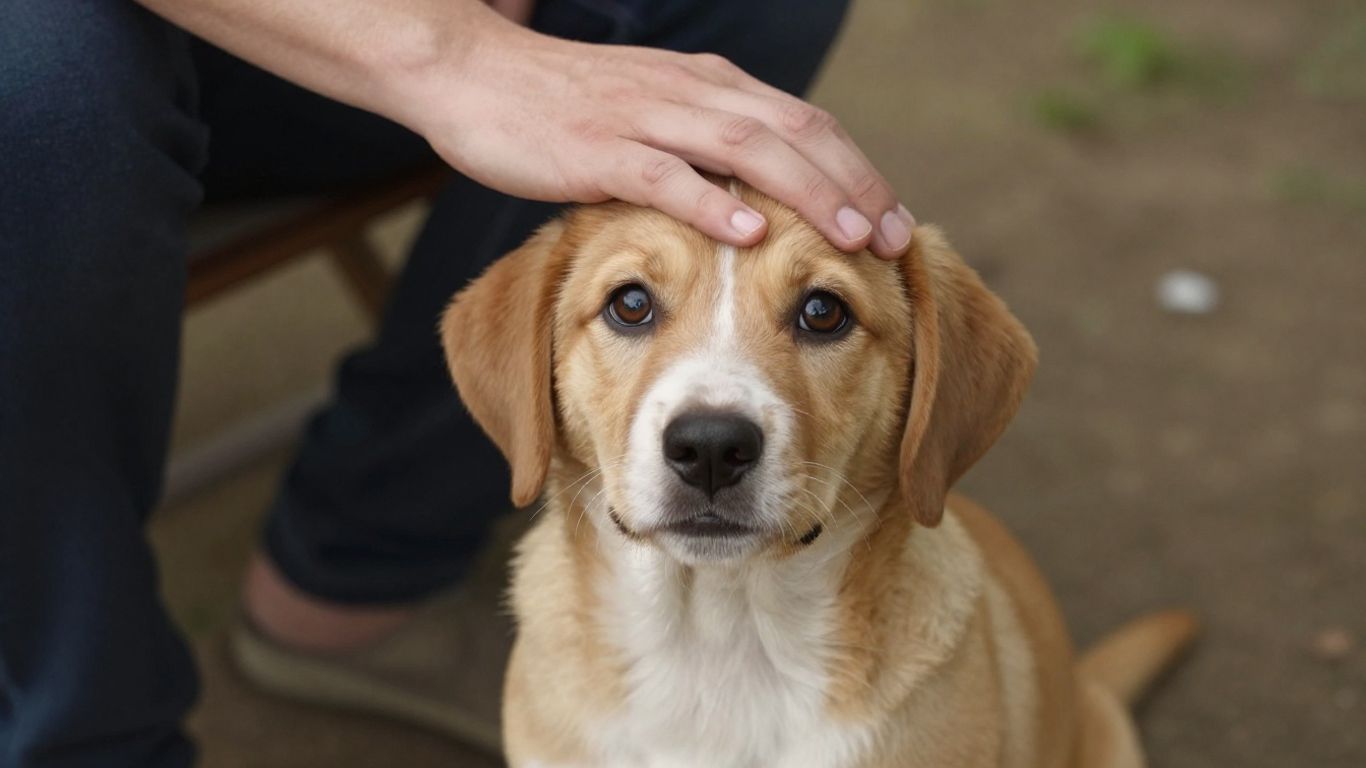
Training your puppy isn’t just about teaching commands; it’s about building a connection. Think of it as learning a new language together. When you and your puppy communicate effectively, trust grows, and your relationship deepens. This is especially true here in Chattanooga, where outdoor adventures are a big part of life with your dog.
The Role of Owner Involvement
Your active participation in training is super important. It’s not just about showing up for sessions; it’s about practicing what you learn at home. When you’re involved, you understand your puppy’s progress and challenges better. This helps you both stay on the same page. It means all the hard work done in training sessions doesn’t get forgotten when you get home. We encourage families to be part of the process so everyone knows what to do. This way, your puppy learns that good behavior is expected from everyone in the household.
Understanding Your Puppy’s Communication
Dogs communicate differently than we do. They use body language, vocalizations, and energy. Learning to read your puppy’s signals , like a wagging tail, a relaxed posture, or a stiff body , helps you respond appropriately. For example, if your puppy is showing signs of stress at the dog park, knowing those signs means you can calmly remove them before they get overwhelmed. This awareness prevents misunderstandings and builds confidence for both of you. It’s like learning to understand their barks and whines, but with their whole body.
Establishing a Consistent Routine
A predictable routine helps puppies feel secure. Knowing when to expect meals, potty breaks, playtime, and training sessions reduces anxiety. This consistency is key, especially when you’re out and about in Chattanooga, maybe visiting Coolidge Park or hiking Lookout Mountain. A puppy who knows what to expect is generally a calmer, more well-behaved puppy. Consistency in your commands and your reactions also helps them learn faster. It’s all about creating a predictable structure that supports their learning and well-being.
Training is a fantastic way to forge a lasting bond. For those looking for a structured way to build this connection and address specific behavioral goals, consider Anvil K9’s board and train program. You can find out more at anvilk9.com.
Building a strong bond with your dog through training is super rewarding. It’s not just about teaching tricks; it’s about understanding each other better. When you train together, you create a special connection that makes life more fun for both of you. Want to start this amazing journey? Reach out to learn more and book your first session.
Ready to Get Started?
So, when can you actually start training your puppy here in Chattanooga? The short answer: as soon as you bring them home. Seriously, don’t wait. Those first few months are super important for teaching your pup the ropes and getting them used to the world. Whether you’re looking at classes or a more hands-on board and train program, getting started early makes a huge difference. It sets your dog up for a lifetime of good behavior and makes your life together a whole lot easier. Give one of the local Chattanooga trainers a call , they can help you figure out the best plan for you and your new furry family member.
Frequently Asked Questions
When is the best time to start training my puppy?
You can start training your puppy as soon as they come home, usually around 8 weeks old. This early stage is super important for helping them learn about the world and get used to new things. The sooner you start, the better they’ll become at listening and behaving well.
Do I need to wait until my puppy has all its shots before training?
Not necessarily. Experts say it’s okay to start socialization and training classes when your puppy is about 7 or 8 weeks old, as long as they’ve had their first vaccinations. The benefits of early learning and meeting other dogs and people are usually more important than the small risk of getting sick in a safe training spot.
What kind of training methods are good for young puppies?
Positive reinforcement is the right starting point. This means using treats, praise, and fun games to reward your puppy when they do something right. It helps them learn faster and makes training enjoyable. Keep lessons short and exciting for little pups.
Will my puppy be potty trained after a board and train program?
Most puppies make big improvements in potty training during a board and train program, and many are fully trained by the time they go home. However, you’ll still need to be consistent with the rules at home, as a new environment can sometimes cause a little confusion at first. We’ll show you how to keep the progress going.
How important is socialization for my puppy?
Socialization matters a lot during this window. It’s all about letting your puppy safely experience new sights, sounds, people, and other animals. Doing this when they are young, especially between 3 and 16 weeks, helps them grow into a confident and friendly adult dog who isn’t easily scared.
What basic skills should my puppy learn first?
Start with the basics like ‘sit,’ ‘come,’ and ‘down.’ Potty training is also a big one. Teaching them to walk nicely on a leash and to stop nipping are also great early goals. Focusing on these helps build a strong foundation for all future training.
Start Your Chattanooga Puppy Off Right with Anvil K9
If you are in Chattanooga, Hixson, Red Bank, Signal Mountain, Ooltewah, or Ringgold and you have a puppy 12 weeks or older, our 6 Week Puppy Program is built for exactly this stage. Foundation manners, leash skills, recall, socialization, and the calm confident temperament that decides how the next ten years feel.
Anvil K9 is veteran owned and NePoPo Gold Certified. We use balanced training methods including e-collar and NePoPo techniques, all included in the program along with lifetime support. Financing is available through Affirm.
See the 6 Week Puppy Program or book a free consult and we will tell you honestly whether your puppy is ready and what we would do first.
Adult dogs 16 weeks and older fit the 3 Week Board and Train at Anvil K9.